
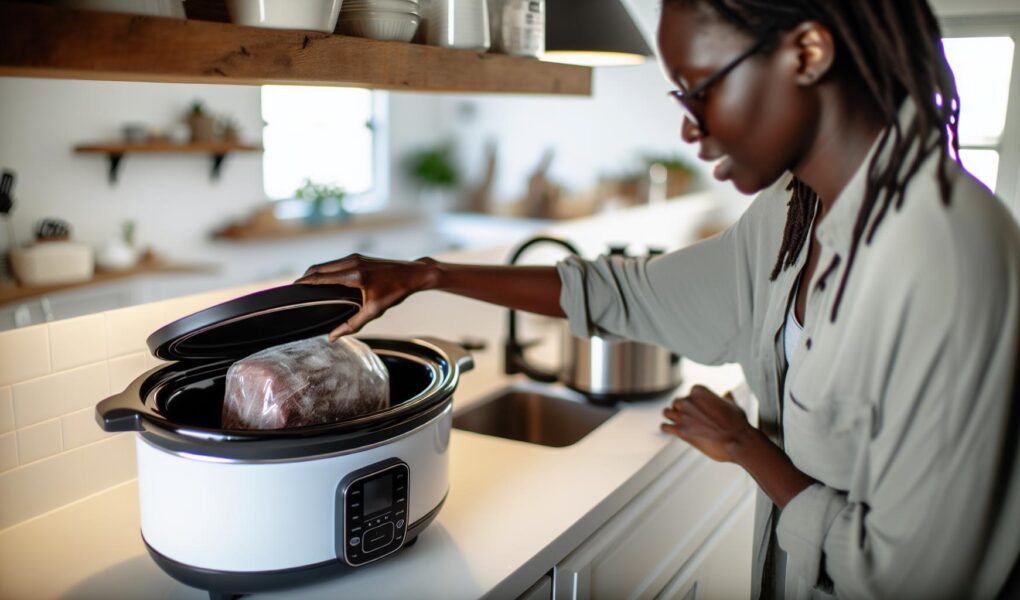
Did you know you can toss a frozen roast straight into your slow cooker and still end up with a tender, flavorful meal? It’s a tempting shortcut when life’s hectic, but the question is-is it safe? Slow cookers are a busy home cook’s best friend, especially for paleo and gluten-free diets, where simple, wholesome ingredients shine. But starting with a frozen roast means extra care to avoid food safety pitfalls like uneven cooking. In this post, we’ll uncover whether putting a frozen roast in a slow cooker is a smart move, how to do it right, and what to watch out for. Whether you’re juggling dinner prep after a long day or simply forgot to defrost,knowing the right steps ensures your roast comes out flavorful without risking your health. Stick around-we’ll share practical tips, timing guidelines, and substitution ideas to make your next slow-cooked roast an easy, crowd-pleasing success. Let’s dive into this not-so-obvious kitchen hack with confidence and a dash of culinary fun!
Table of Contents
- Why Putting Frozen Roast in Slow Cooker is Risky
- How Slow Cookers Work with frozen meat
- Safe Thawing methods Before Using Your Slow Cooker
- step-by-Step Guide to Slow Cooking a Thawed Roast
- Time and temperature Tips for Perfect Slow Cooker Roasts
- Food Safety Myths About Slow Cooking Frozen Meat
- Quick Fixes When You Forget to Thaw Your Roast
- Best Slow Cooker Recipes for Gluten-Free and Paleo Diets
- Essential Tools and Tricks for Easy Slow cooking
- How to Check Roast Doneness and Avoid Food Poisoning
- Frequently asked questions
- Q: How long should I adjust cooking time if I accidentally put a frozen roast in my slow cooker?
- Q: Can putting a frozen roast directly in a slow cooker cause food poisoning?
- Q: What are some safe option methods if I can’t thaw my roast before slow cooking?
- Q: Why is it better to use a thawed roast rather than frozen in slow cooking for gluten-free and paleo diets?
- Q: How can I tell if my roast cooked from frozen is done and safe to eat?
- Q: Are there slow cooker settings better suited for cooking meat from frozen?
- Q: What kitchen tools can help make slow cooking a frozen or thawed roast easier and safer?
- Q: How do slow cooking frozen roasts affect meal prep for busy home cooks?*
- The Way Forward
Why Putting Frozen Roast in Slow Cooker is Risky
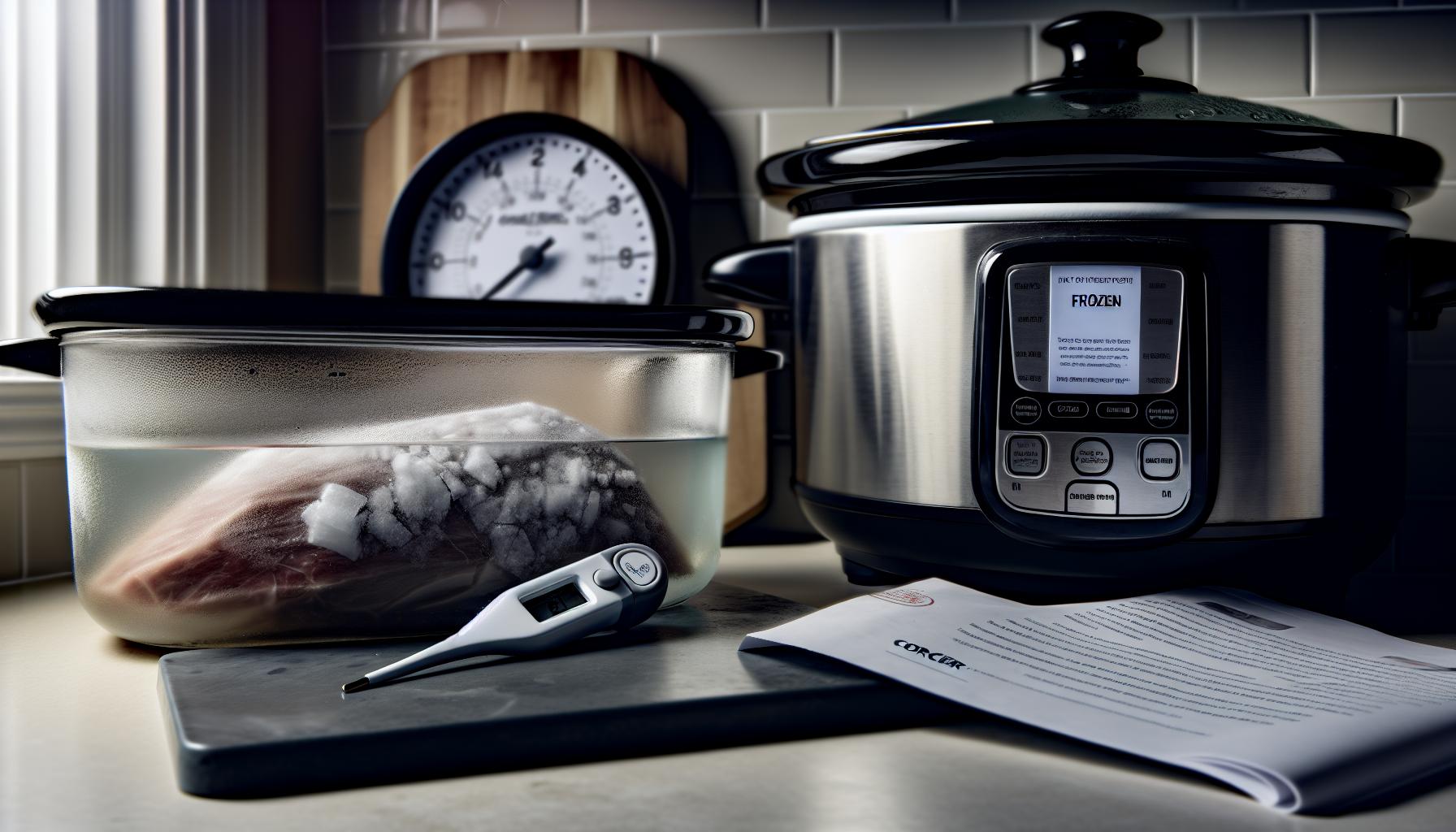
Sometimes it’s tempting to toss a frozen roast straight into your slow cooker, especially when life gets hectic and you’re aiming for dinner magic without the wait. But here’s the kicker: cooking a roast from frozen in a slow cooker can be a bit of a food safety and flavor trap. The main risk hinges on how the slow cooker heats food, and what happens when the roast takes too long to hit the safe temperature zone.
When you place a frozen roast directly into the slow cooker, the meat spends quite a bit of time lingering in what food safety pros call the “danger zone”-that’s between 40°F and 140°F (4°C to 60°C), where bacteria love to multiply.Unlike ovens or stovetops that bring meat up to heat faster,slow cookers can take several hours to safely thaw and cook the roast through. This slow rise in temperature means harmful bacteria might get a party going before your dinner is ready to be devoured. It’s especially important for larger roasts, which take longer for heat to penetrate to the core.
Another issue is texture and cooking quality. Cooking from frozen doesn’t just pose safety concerns-it can leave you with uneven cooking. The exterior might be mushy or overcooked by the time the center reaches a safe temperature, resulting in a less-than-tender roast. Think of it like trying to defrost a frozen cake-when heat hits it unevenly,you get parts that are soggy and others still rock solid. Some home cooks slice large roasts into smaller hunks before slow cooking frozen meat to get around this problem, but there’s still some risk if the pieces are too big or the cooker is set too low.
Practical Tips to Keep It Safe and Yummy
- Partial thaw first: If you’re short on time, let the roast partially thaw in fridge or cold water before popping it into the slow cooker.
- Cut it up: Smaller chunks thaw and cook more evenly and quickly-plus, you get more flavorful bits to savor.
- Go low and slow carefully: use the low setting only if your meat has been thawed or partially thawed; otherwise,consider the high setting to speed heating through safely.
I remember once rushing dinner prep after a busy day and tried putting a frozen pot roast directly in my slow cooker.The result? A chewy texture and one very long cook time with a side of worry about whether it was really safe. Since then, I always allow some thaw time or slice the roast up, making my slow cooker dinners relaxed and worry-free. After all, tasty slow cooker meals don’t have to be complex or food-safety risky-just a bit of planning goes a long way.For anyone juggling paleo or gluten-free lifestyles,these safety steps still apply-because no diet should mean skipping food safety! Your slow cooker is a friend when used thoughtfully; treating it like one will bring both health and happiness to your table every time.
How Slow Cookers Work with frozen meat
Slow cookers charm busy home cooks because they promise delicious, hands-off meals while you go about your day.But when it comes to tossing frozen meat-like a hefty roast-right into the pot, these appliances face a bit of a challenge. Unlike ovens or stovetops that crank up the heat quickly, slow cookers work by gently warming the food over several hours. This gradual heat means that if a roast starts frozen, it’s spending a long time in that ”danger zone” temperature range (40°F to 140°F), where bacteria can thrive before cooking temperatures get high enough to kill off any harmful germs.
As of this slow ramp-up,the outside of your roast can thaw and even start cooking while the inside stubbornly stays cold,risking uneven cooking and perhaps unsafe food. That’s why many food safety experts and the USDA advise against putting frozen meat straight into a slow cooker. I’ve learned this the hard way-after rushing home on a frozen-only kind of day, I threw a frozen roast into my slow cooker and ended up with a rubbery exterior and undercooked center. Not fun and definitely not the tasty,melt-in-your-mouth dinner I was hoping for.
How Heat Moves Through frozen Meat in Slow Cookers
When your roast is frozen solid, heat has to first melt the ice crystals before it can start cooking the meat. This means a slower increase in internal temperature compared to starting with thawed meat. With slow cookers operating at lower heat settings, it can take hours before the core of the meat even begins to reach safe cooking temperatures. At low settings (usually around 190-200°F), the roast can linger too long in unsafe temperatures. Even the high setting may not bring frozen meat to a safe zone quickly enough for large roasts. This slow process can invite bacterial growth or quality loss, leading to dry or uneven textures.
Your Slow Cooker’s Friend: Warm Liquids and Smaller Cuts
A little trick I picked up is to add warm broth or water before placing meat in the stoneware insert-this jumpstarts the heating process around the roast. If you’re short on time, slicing your roast into smaller chunks is a great workaround. Smaller pieces thaw and heat faster and more evenly, reducing risk and improving flavor absorption. Plus, these chunks lend themselves well to paleo-amiable stews and gluten-free recipes that pack a punch of nutrition.
If you find yourself in a pinch and must go from frozen to slow cooker, consider starting on high heat and switching to low once the meat starts to thaw. Just keep in mind this method isn’t foolproof for thick cuts.When possible, planning ahead with a little thawing goes a long way to keeping your meals safe, tasty, and stress-free.
- Tip 1: Always add at least 1 cup of warm liquid to help the cooker maintain consistent heat.
- Tip 2: Cut roasts into 2-inch chunks to speed thawing and even cooking.
- Tip 3: Use the HIGH setting if meat isn’t thawed, but switch to LOW for tender finishing.
Remember, slow cooking is all about enjoying great food with minimal fuss.Knowing how your slow cooker tackles frozen meat lets you work with it-not against it-so your roast turns out fabulous every time, no matter your diet or schedule. After all, paleo or gluten-free cooking doesn’t mean sacrificing flavor or peace of mind!
Safe Thawing methods Before Using Your Slow Cooker
Few things beat the convenience of popping a roast into the slow cooker and walking away, but starting with frozen meat? That’s where the smooth sailing hits a iceberg. Thawing your roast properly isn’t just a safety precaution-it’s the key to juicy, evenly cooked meals that your family will rave about. Trust me, after a few too many “frozen inside, burnt outside” experiments, I’ve found that a little planning upfront saves so much frustration and food waste later.
Chill Out: the Refrigerator Method
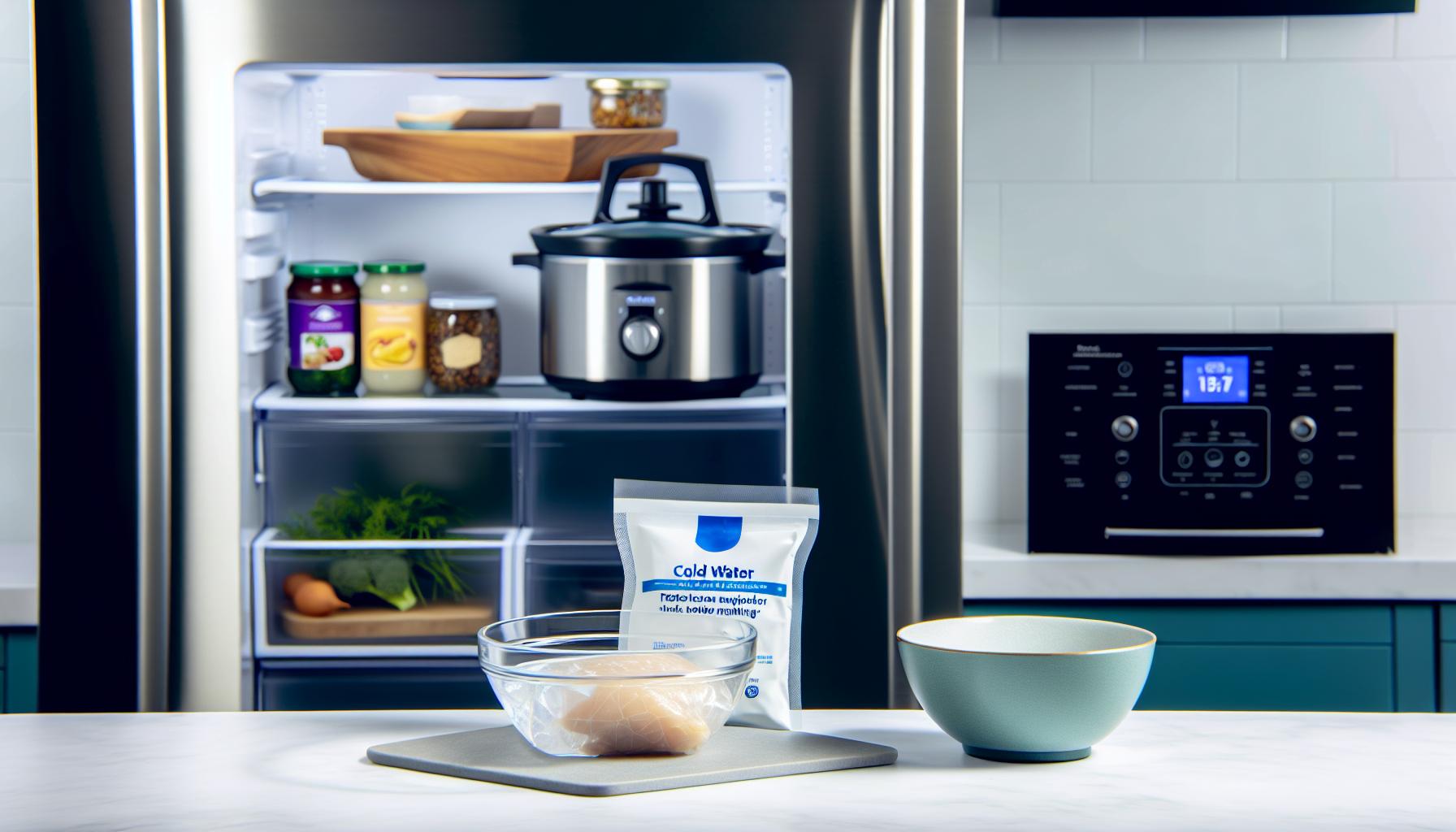
The gold standard for thawing: letting your roast slowly defrost in the fridge. It’s low-effort and keeps that meat steadily out of the dangerous temperature “danger zone” (40°F to 140°F) where bacteria love to party. for most roasts, plan on about 24 hours for every 4-5 pounds of meat. Simply place your roast on a plate or tray to catch any drips, and let the fridge do its magic. This method aligns beautifully with paleo and gluten-free lifestyles as it requires no additives or surprises-just clean,pure protein getting ready for its slow-cooker debut.
Speed-Thawing Without the Stress
Pressed for time? No worries, there’s a quick-thaw trick that still plays nice with food safety. Grab a leak-proof plastic bag and seal your roast tightly (or leave it in a sealed freezer bag). Submerge it fully in cold water,changing the water every 30 minutes to keep things chilly. This method usually takes 1-3 hours depending on size, and it’s surprisingly reliable for maintaining meat quality. Once thawed, you can slice into smaller chunks for even faster cooking in your paleo-friendly stews or savory gluten-free casseroles.
- Pro Tip: Never use warm or hot water here-it risks boosting bacterial growth faster than you can say “slow cooker.”
- Bonus: Using this method, I frequently enough add my broth or stock directly into the cold-water bath container, then pour that flavorful liquid into the slow cooker, giving my roast an instant flavor boost.
Microwave? Handle With Care
Microwaves are tempting for thawing, but they can partially cook your meat during the defrost cycle, which risks unevenness and texture issues. If you decide to go this route, microwave on the defrost setting in short bursts, rotating frequently.Then, cook the roast immediately-no sitting around! This approach suits crack-of-dawn meal preps or last-minute dinner rescues but definitely isn’t my favorite. The uneven thawing sometimes leads to missed ‘safe zone’ temperatures early on, so I treat it as a last-resort move rather than everyday practice.
Planning your thaw moves ahead isn’t about kitchen stress; it’s about setting up your slow cooker for total success. Whether you favor the hour-by-hour patience of fridge thawing or the splash-and-go cold water method, you’re ensuring your roast hits the pot safely and ready to soak in all that paleo- and gluten-free deliciousness. And hey, if you ever forget and toss a frozen roast in, now you’ve got some tricks to rescue that meal halfway through!
step-by-Step Guide to Slow Cooking a Thawed Roast
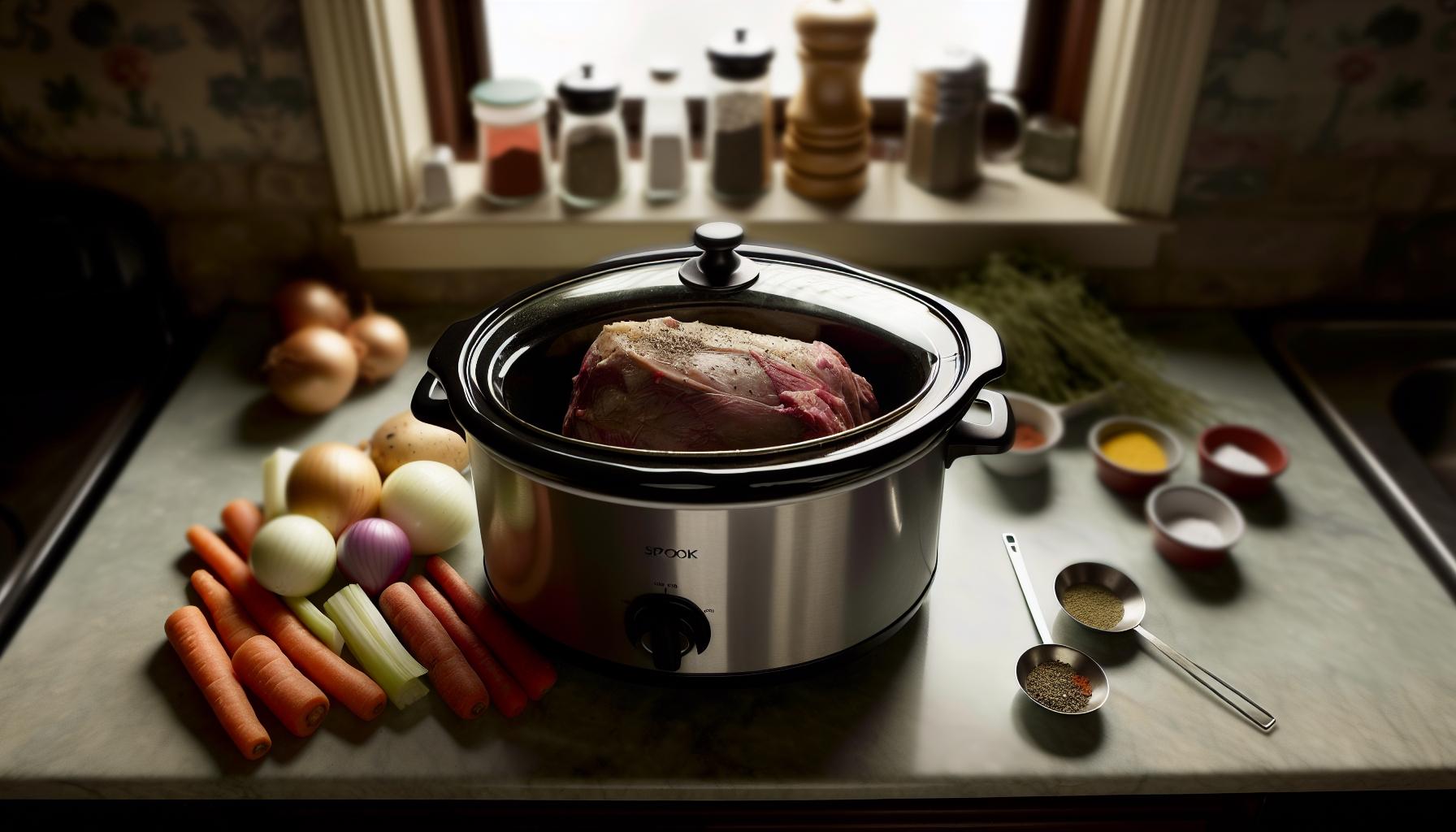
Cooking a thawed roast in your slow cooker is one of those magic kitchen moments where patience truly pays off with tender, flavorful results that everyone will love. It’s a low-effort, high-reward way to celebrate clean, wholesome eating-perfect for paleo and gluten-free meals that don’t skimp on taste or texture. Plus, having a solid game plan for cooking a properly thawed roast means you avoid all the stress and uneven cooking pitfalls that come from tossing frozen meat into the pot.
Before you hit “start,” remember that slow cookers work best when the roast is fully thawed. This ensures the meat reaches a safe temperature quickly and cooks evenly all the way through. If you’re ready to roll, here’s a straightforward approach that I always swear by-think of it as your slow cooker BFF guiding you through a day of effortless deliciousness.
Gather Your Tools and Ingredients
- Thawed roast: Choose a cut like chuck, rump, or brisket for the best melt-in-your-mouth texture.
- Seasonings: Salt, pepper, garlic powder, fresh herbs (rosemary, thyme), or your favorite paleo-friendly rubs.
- Vegetables: Carrots, onions, celery, and potatoes are classics, but feel free to mix in parsnips or sweet potatoes if you like.
- Liquid: Broth, bone broth, or filtered water-enough to cover about a third of your roast so it stays juicy.
- Slow cooker with a lid: The star of the show!
Step 1: Prep Your Roast and Veggies
Pat your thawed roast dry – this helps with browning if you choose to sear it beforehand (totally optional but adds a caramelized layer of flavor).Season generously on all sides. Chop your veggies into bite-sized pieces and scatter them across the bottom of the slow cooker. These act like a cozy veggie bed, helping distribute heat and infuse the meat with natural sweetness.
Step 2: (Optional) Sear for Extra Flavor
if time and energy allow, give your roast a quick sear in a hot skillet with a little oil. This step locks in juices and creates those mouthwatering brown bits that elevate your slow cooker roast from good to unforgettable. No worries if you skip this - the slow cooker will still do its magic.
Step 3: Load and Pour
Place your roast on the veggie bed, then pour in your liquid. The goal is a moist environment that lets your roast slowly soften without drowning it. Cover with the lid and set your slow cooker to low.
Step 4: Cooking time and Patience
For a 3-4 pound roast, plan on about 8-10 hours on low or 4-5 hours on high. Resist the urge to lift the lid-every peek steals precious heat and extends cooking time. I trust the science here: long, slow cooking breaks down connective tissues for a melt-in-your-mouth finish.
Step 5: Check for Doneness and Rest
Use a meat thermometer to make sure your roast has hit the safe range-at least 145°F for beef, though many prefer it cooked to 190-200°F for that fork-tender shred effect. Once done, let it rest for 10-15 minutes to let the juices redistribute. Slice or shred, depending on your meal plan!
| roast Weight | Low Setting cook Time | High Setting Cook time |
|---|---|---|
| 2-3 lbs | 6-8 hours | 3-4 hours |
| 3-4 lbs | 8-10 hours | 4-5 hours |
| 5-6 lbs | 10-12 hours | 6-7 hours |
Tweaks and Tips from the Trenches
- Veggie Variations: Root veggies like turnips or rutabagas are paleo-friendly and add complexity.
- Broth Boost: I often toss in a splash of red wine or coconut aminos for a subtle umami lift.
- Spice It Up: Swap in smoked paprika, cumin, or herbes de Provence for a new twist.
- Double Duty: Make extra roast and veggies to have ready-to-go paleo meals for busy days.
With this step-by-step, slow cooking a thawed roast moves from kitchen chore to culinary festivity. No more dry spots or “still half frozen” surprises-just reliably tender, juicy meat with all the warm, comforting notes you want in a gluten-free, paleo-friendly meal. Cooking smart means enjoying every bite without the hassle!
Time and temperature Tips for Perfect Slow Cooker Roasts
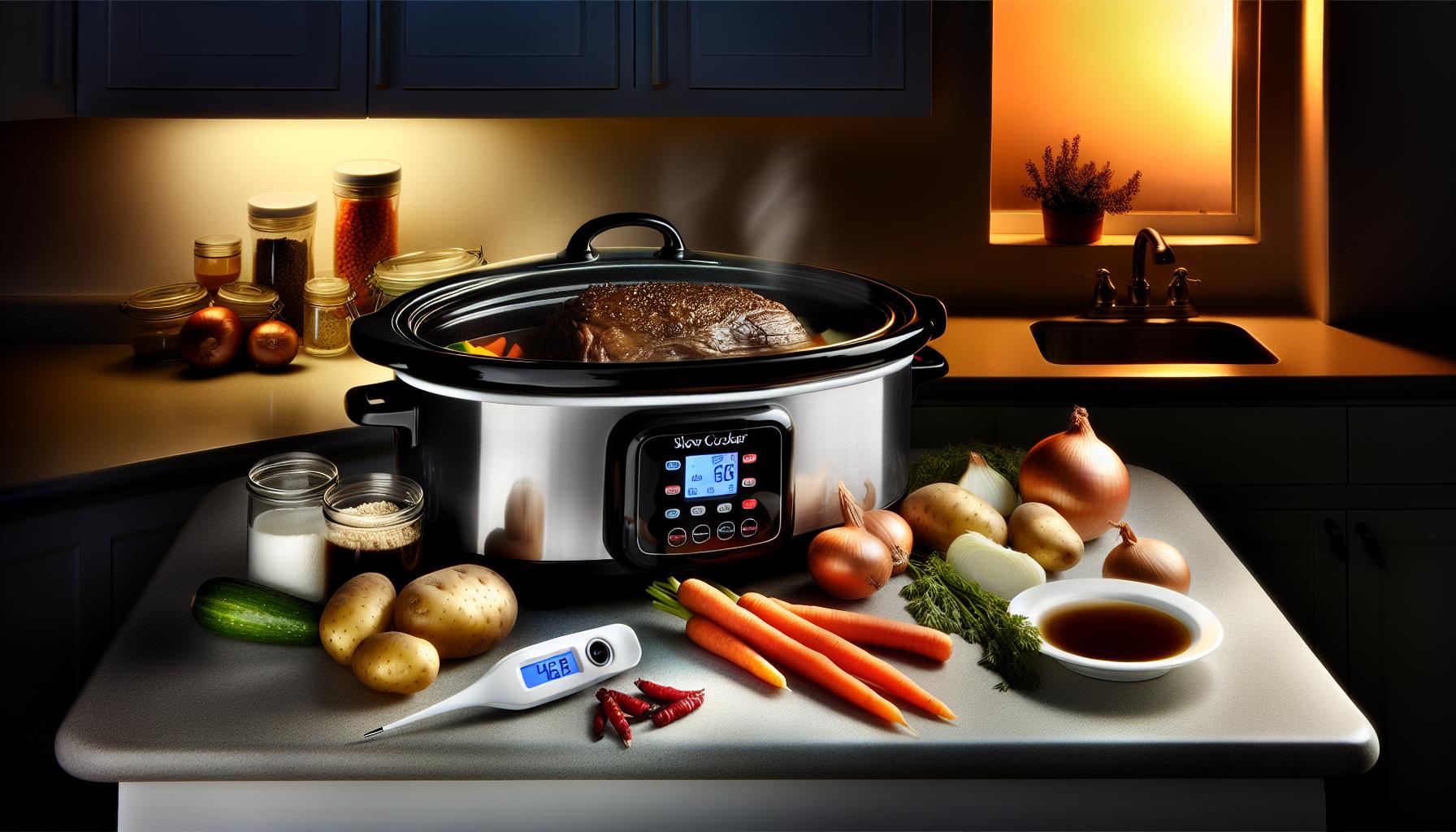
Choosing the right time and temperature to cook your roast in a slow cooker can transform a simple meal into a juicy, tender masterpiece-no magic wand required! One secret I’ve found? Low and slow wins every time when it comes to tougher cuts like chuck or brisket. Cooking your roast at a low temperature for several hours lets the connective tissue melt away gently, creating that delectably soft texture we all crave. Most importantly, keeping your meat fully thawed before it hits the pot ensures it reaches a safe internal temperature fast enough to avoid any food safety slips.
If you’re balancing a busy day but still want that melt-in-your-mouth goodness, the high setting is your friend-but keep in mind it shortens cooking time at the expense of some tenderness. Such as, a 3-4 pound thawed roast will pleasantly simmer for 8-10 hours on low, or an easy 4-5 hours on high if time is tight. Remember, resist the urge to lift the lid; slow cookers thrive on steady heat, and letting steam out adds precious minutes (or even hours) to your cooking time.
Temperature Tips That Keep Your Kitchen Safe (and Your Roast Juicy)
- Keep it Safe: Aim for an internal roast temperature of at least 145°F for medium-rare beef, but I prefer cooking it up to 190-200°F when going for that shreddable, spoon-tender texture.
- slow Cooker Settings: Use “Low” for longer cooks that break down fibers beautifully. “High” speeds things up but risks less evenly cooked meat if the roast was frozen or too thick.
- Thermometer Time: A quick meat thermometer check near the end of cooking saves guesswork and keeps your roast perfectly done-no dry surprises.
Timing Tricks and Real-World Wisdom
In my experience (and yes, sometimes impatience battles my better judgement), time is the real MVP.A slow cooker is forgiving, but cooking a frozen roast stretches the timeline unpredictably and can leave cold spots-no thank you! Trust me, thawing beforehand means you can set it and forget it with confidence.
For roasts lighter than 3 pounds, dial back the cooking time slightly. And if you’re cooking a larger 5-6 pound beast, bump it to 10-12 hours on low, or 6-7 hours on high. Pro tip: If you don’t have hours to spare, consider prepping the roast the night before and thawing it safely in the fridge, so you get both speed and flavor.
| Roast Weight | Low Setting Cook time | high Setting Cook Time |
|---|---|---|
| 2-3 lbs | 6-8 hours | 3-4 hours |
| 3-4 lbs | 8-10 hours | 4-5 hours |
| 5-6 lbs | 10-12 hours | 6-7 hours |
Quick Substitutions and Enhancements
Cooking paleo or gluten-free? No problem-you can swap classic potatoes for sweet potatoes or rutabagas and swap broth for bone broth or coconut aminos to gently boost umami. And if you want a flavor punch, layering in spices like smoked paprika or cumin near the start works wonders, infusing the meat as it slow cooks.
at the end of the day, great slow cooking is less about strict rules and more about understanding your cooker and your meat. Cook it right, time it well, and your roast will always be a crowd-pleaser-even on your busiest days.
Food Safety Myths About Slow Cooking Frozen Meat
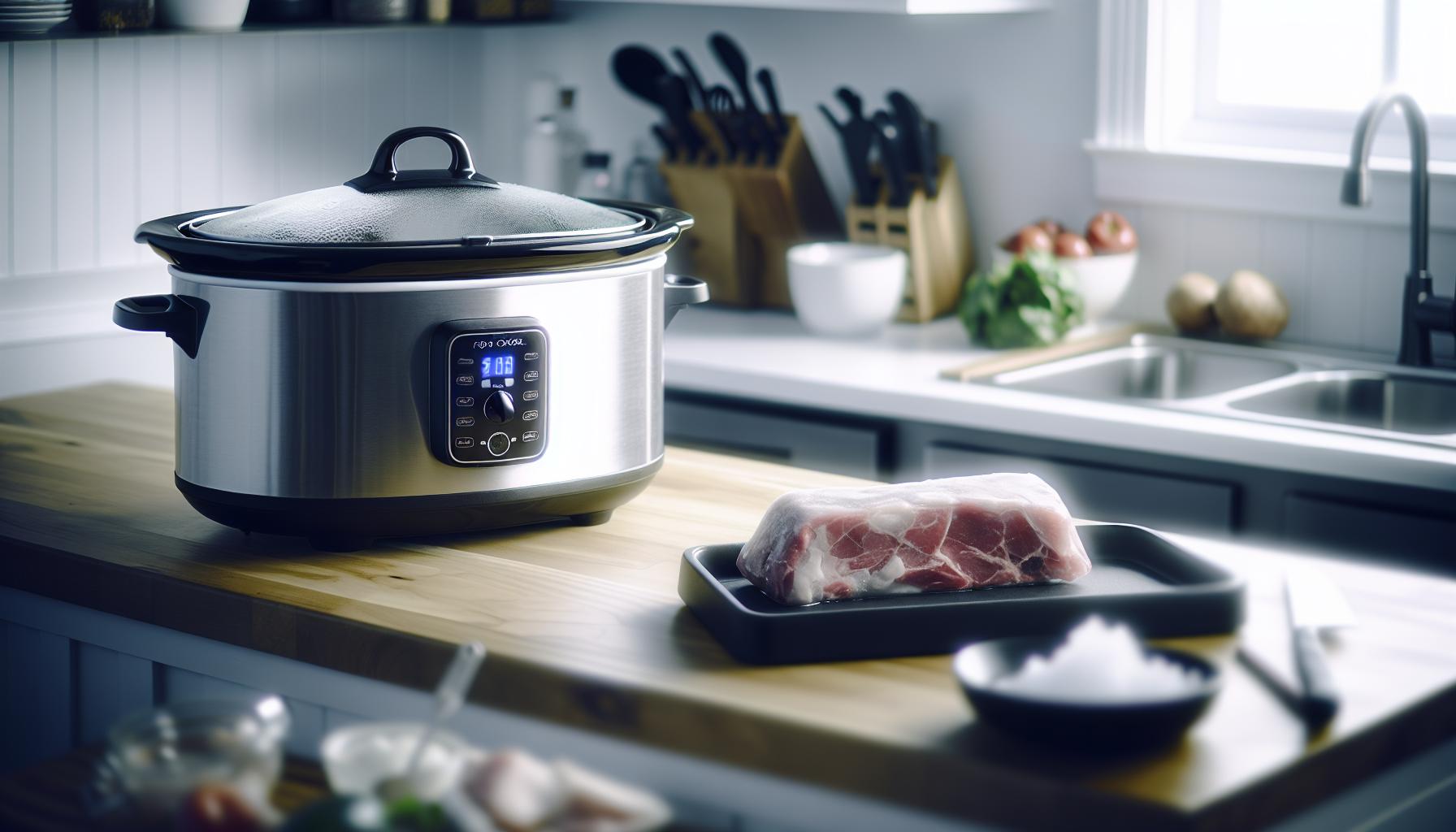
It’s tempting to toss a frozen roast straight into the slow cooker when you’re juggling a hectic schedule, thinking the appliance’s low-and-slow magic will sort things out. But here’s the kicker-not all slow cooker myths hold up in the kitchen,especially when it comes to food safety. The truth? Starting with frozen meat can be a recipe for uneven cooking and, more worryingly, unsafe temperatures that invite bacterial growth. Slow cookers heat food gradually, and frozen roasts extend the time it takes for the internal temperature to push beyond the risky “danger zone” of 40°F to 140°F where germs can multiply fast.
Many folks swear by the “set it and forget it” approach, assuming a slow cooker will just steam away any risks, but it’s not quite that simple.The initial slow warming means the outer part of the roast may cook faster than the frozen core. This uneven heat distribution creates pockets where harmful bacteria might thrive before the whole roast hits a safe temperature. That’s why experts, including food safety pros, recommend fully thawing your roast first to ensure heat penetrates evenly and efficiently[[[[[1]](https://www.eatright.org/food/home-food-safety/safe-cooking-and-prep/10-food-safety-tips-for-the-slow-cooker).
Common Confusions and What Actually Works
- Myth: Slow cookers kill bacteria no matter what. Reality is, slow cookers need a hot start and consistent heat to reach bacteria-killing temperatures quickly. Throwing in frozen meat delays this process.
- Myth: Longer cooking times fix frozen roast safety. not always true. Extending cooking won’t guarantee the core reaches the right temperature quickly enough to prevent bacterial growth.
- Myth: It’s fine if the roast is just partially frozen. Partial freezing still causes uneven cooking. Best practice is a full thaw so heat spreads evenly.
If you’re like me and sometimes forget to thaw the roast,don’t panic! You can give the slow cooker a jump start by briefly sautéing or roasting the meat first,or cooking on high for the first hour before slowing down[[[[[1]](https://www.eatright.org/food/home-food-safety/safe-cooking-and-prep/10-food-safety-tips-for-the-slow-cooker). These moves help raise the meat’s temperature safely and speed up the thorough cooking process.
Real Kitchen wisdom for Busy Cooks
Here’s a little secret from my weekends when plans get shuffled: I plan ahead and thaw roasts in the fridge overnight. It’s the easiest, no-fuss way to dodge safety issues and enjoy melt-in-your-mouth tenderness without guessing games.If you’re gluten-free or paleo, this also means you can layer in those bold spices and root veggies early, seasoning that perfectly thawed roast to dream meal status.
Bottom line? Treat thawing like part of the recipe prep. Your slow cooker will thank you, your roast will cooperate with grace, and most importantly, you’ll keep your family safe and happy at the dinner table. Remember, slow cooking is about patience and precision, not shortcuts that risk your health or flavor.
Ready for more tips on making your slow cooker work like a charm with perfectly thawed roasts? Stick around-I’ve got you covered!
Quick Fixes When You Forget to Thaw Your Roast
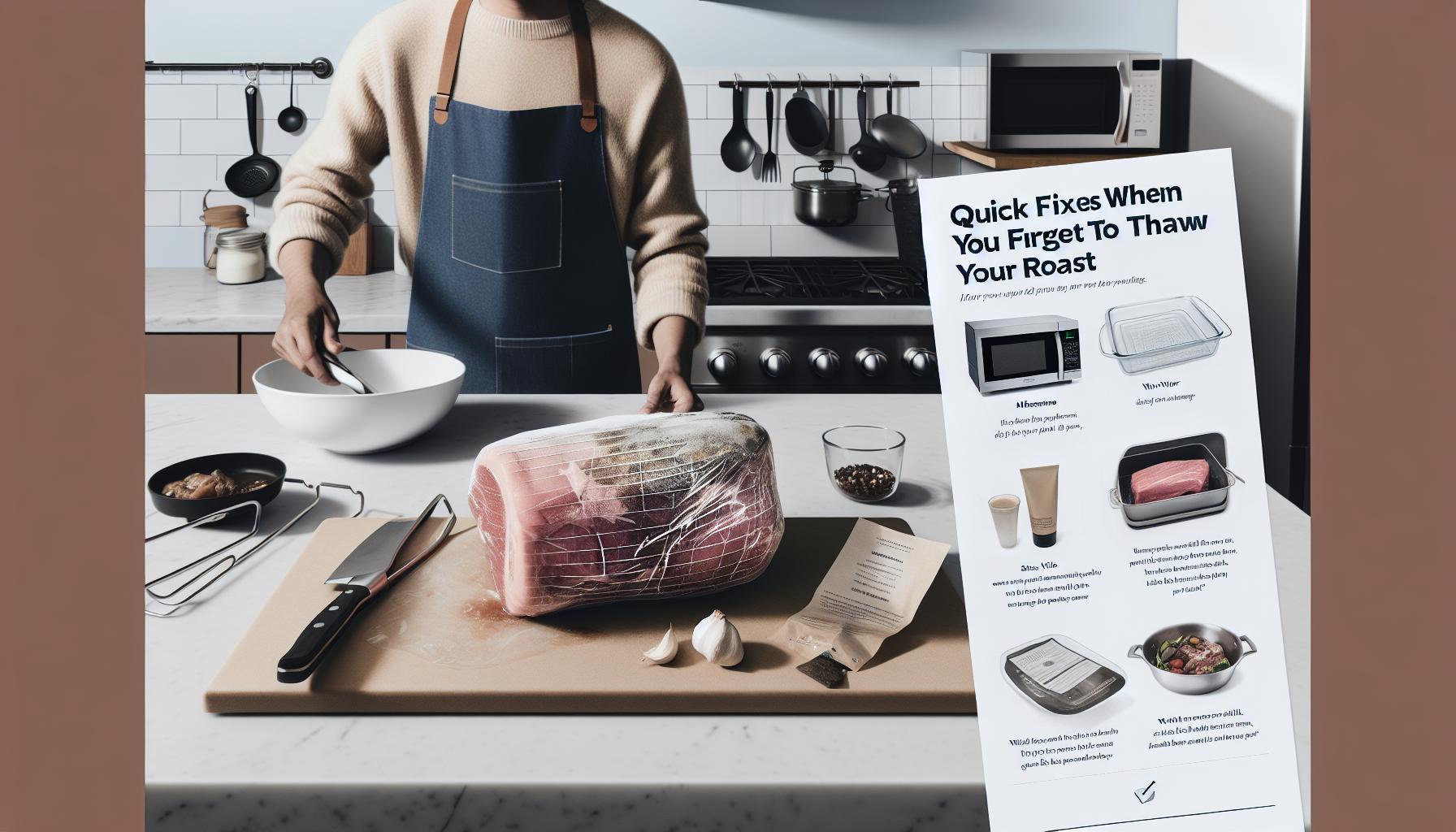
There’s something both thrilling and nerve-wracking about realizing you forgot to thaw your roast and the clock is ticking toward dinnertime. Don’t worry-you’re far from doomed. With a few savvy hacks, you can still make your slow cooker sing without compromising safety or flavor. The key is to jump-start the cooking process so that your roast moves quickly and safely out of the “danger zone” where bacteria love to hang out (between 40°F and 140°F).
One of my favorite tricks? Give your roast a quick sear. Before tossing it into the slow cooker, heat a little oil in a skillet over medium-high heat and brown all sides of the roast for about 3-5 minutes.Not only does this kick the internal temperature up a notch, but it also locks in those savory juices and adds a deep, caramelized flavor that’s pure comfort food magic. If sautéing isn’t your jam or you’re short on time, just set your slow cooker to high for the first hour of cooking right out of the gate. That initial heat boost helps raise the meat temperature more safely and speeds up thawing without the risks of uneven cooking. After that, you can lower to your usual slow-cook setting to finish things off nice and tender[[[[[1]](https://www.eatright.org/food/home-food-safety/safe-cooking-and-prep/10-food-safety-tips-for-the-slow-cooker).
simple Steps to Rescue Your Roast When Thawing Slips Your Mind
- Sear first: Brown the roast on all sides in a hot pan for extra flavor and a safe temperature boost.
- High-heat jump start: Cook on ‘high’ in your slow cooker for the first 60 minutes to kickstart thawing safely.
- Layer veggies carefully: Put hearty veggies like carrots or potatoes at the bottom of the pot-this helps the heat distribute evenly around the roast resting on top.
- Don’t crowd the cooker: Avoid overstuffing to ensure proper heat circulation and thorough cooking.
- Check temps early: Use a reliable meat thermometer to check that the roast reaches at least 165°F internally.
Here’s a quick kitchen confession: on crazy-busy nights when I’ve forgotten to thaw, I sometimes pop frozen chunks of beef into my skillet just to get a bit of surface warmth going-think of it as giving your roast a mini spa day before the slow cooker soaks in all those tasty flavors. This small step saved my roast more than once and let me maintain my paleo-friendly, gluten-free meal plans without scrambling for last-minute takeout.The takeaway? Skipping thawing isn’t ideal for slow cooking, but with a tiny bit of prep and a keen eye on temperatures, you can still enjoy a safe, delicious roast dinner. Think of these quick fixes as your kitchen sidekicks, making sure your “set it and forget it” goal stays doable even when life throws you curveballs. And hey, a faster start means you still get plenty of time to savor that homemade goodness!
| Method | Why It Works | time Required | Diet-Friendly Notes |
|---|---|---|---|
| Searing Roast | Raises surface temp, seals juices, adds flavor | 5-7 minutes | Perfect for paleo & gluten-free diets; just use compliant oil |
| High heat First Hour in Slow Cooker | Speeds up thawing and bacterial safety | 60 minutes | Compatible with all slow cooker meals |
| Smart Layering of Ingredients | Ensures even heat flow and cooking | Minutes for prep | Supports hearty vegetable inclusion for balanced meals |
Best Slow Cooker Recipes for Gluten-Free and Paleo Diets
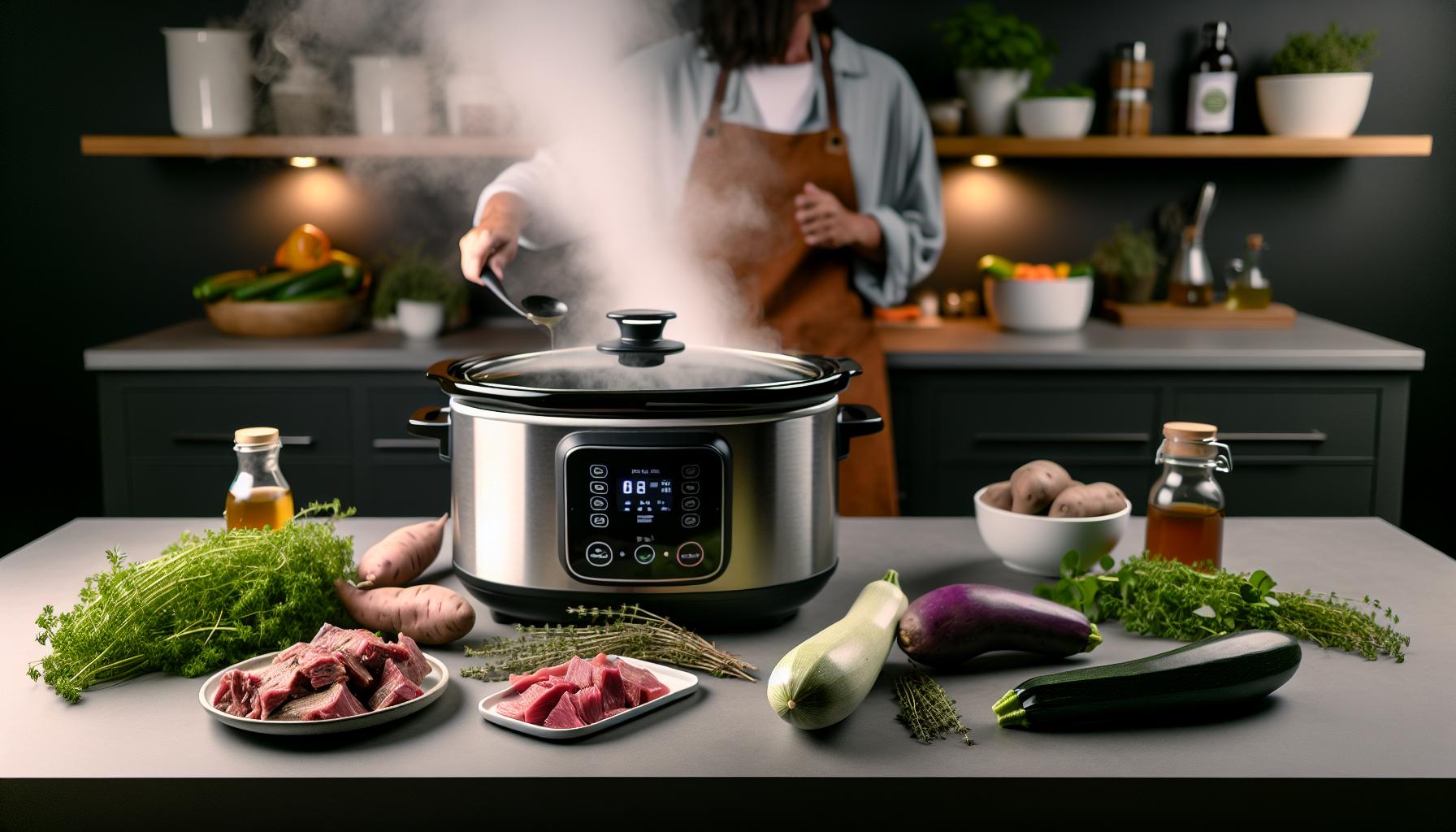
There’s a special kind of magic that happens when a slow cooker meets paleo and gluten-free cooking-a blend of nourishing ingredients that comfort and satisfy, with minimal fuss. If you’re juggling dietary preferences and a busy schedule, slow cooking is your best friend, especially when dealing with roasts. When prepping gluten-free or paleo dishes in a slow cooker, the key is choosing whole, natural ingredients and keeping seasonings simple but flavorful. Plus, you can absolutely start with a thawed roast to ensure safety and tenderness, but don’t worry-these recipes work wonders even if you need to use those quick thawing tricks!
Think about a slow cooker roast layered with nourishing root vegetables like sweet potatoes, carrots, and parsnips-all naturally gluten-free and paleo-approved.Add fresh herbs such as rosemary and thyme, a splash of coconut aminos instead of soy sauce for that umami kick, and a bit of garlic powder. The result? Melty meat and perfectly tender veggies infused with warm, earthy flavor. Such as, my go-to stew has become a crowd favorite: a chuck roast browned quickly on the stovetop, then slow-cooked with bone broth (hello collagen!), cranberries for a tangy hint, and plenty of kale stirred in right before serving for a hit of green goodness.
Simple Paleo-Glow Slow Cooker Roast
- Prep Time: 15 minutes (plus searing)
- Cook Time: 6-8 hours low or 3-4 hours high
- Difficulty: Easy-peasy weekend or busy-night winner
Try this: brown your thawed roast first to seal in juices and boost safety, then toss it into the slow cooker with sliced celery, carrots, and a mix of herbs. Replace any commercial broth with homemade or labeled paleo broth. If you like a bit of tang, a splash of apple cider vinegar early on gives a gentle lift. And for extra flavor complexity, throw in some mushrooms-naturally gluten-free and flavorful umami powerhouses.
Gluten-Free Comfort Roast with Veggie Love
- Prep Time: 10 minutes
- Cook Time: 7-9 hours on low
- Difficulty: Approachable for weeknight cooks
Use a lean roast or brisket and layer thick-cut potatoes and onions underneath the meat. Spice things up with smoked paprika, black pepper, and a pinch of dried sage. Swap regular Worcestershire sauce for a gluten-free brand or coconut aminos. A slow cooker’s one-pot goodness means you get tender, perfect roast with zero gluten worries.
| recipe | Key Paleo/Gluten-Free Swap | Flavor Highlights | Time Required |
|---|---|---|---|
| Paleo-Glow Roast | Bone broth + Coconut aminos | Rosemary,thyme,and garlic with cranberry tang | 6-8 hrs low |
| Comfort Veggie Roast | Gluten-free Worcestershire + Root veggies | Smoked paprika,sage,hearty onion | 7-9 hrs low |
Personally,I love that slow cooker recipes don’t require hunting down “special” ingredients but encourage small switches that keep dishes joyful and nourishing. And if you’re ever scrambling without a thawed roast, follow those safe thawing tips, then dive into these recipes-the flavor won’t skip a beat. Paleo, gluten-free, or just a lover of cozy, slow-cooked meals, these recipes prove hearty dining can be both practical and delicious. So next time life’s pace picks up,rest easy knowing your slow cooker has your back.
Essential Tools and Tricks for Easy Slow cooking
Slow cooking is all about setting it and forgetting it-but having the right tools and a few kitchen tricks up your sleeve can turn a good meal into a *great* one, especially when working with roasts for paleo or gluten-free diets. Whether you’re tackling a thawed cut or improvising last minute (as, hey, life happens!), arming yourself with some essentials makes the process smoother, safer, and way more fun.
First off, a good-quality slow cooker with clear temperature settings can be a game changer. Aim for one that offers at least two heat levels, because starting on high for the first hour then switching to low helps food reach a safe temperature quickly-a key point when you’re cooking meat, to avoid the “danger zone” where bacteria multiply. A removable ceramic insert also makes cleanup a breeze and is great for searing your roast beforehand on the stovetop, which I can’t recommend enough for locking in those juices and enriching flavor. For paleo-friendly recipes, I frequently enough use bone broth rather of water or commercial broth, and adding a trusty digital meat thermometer *inside the kitchen drawer* (not lost among junk) makes checking doneness straightforward without guessing.
If you’re worried about prep time or forget to thaw your roast properly, a quick thaw in cold water (sealed tightly in a bag!) while prepping your veggies buys you time without safety risks. Speaking of veggies, think layering your slow cooker with hearty, paleo-and-gluten-free staples like sweet potatoes, parsnips, or carrots, which not only add flavor but help keep the meat slightly elevated so heat circulates better and cooks more evenly. And don’t underestimate the power of seasoning-simple combos like rosemary, thyme, garlic powder, and a splash of coconut aminos keep things flavorful without added gluten or weird ingredients. For even more flavor hacks, toss in whole mushrooms or a splash of apple cider vinegar.
- Instant-read meat thermometer: Your best friend for food safety and perfect roast doneness. Check early and frequently enough, especially when trying new recipes or cooking thicker cuts.
- Good kitchen shears and tongs: Great for handling raw meat safely and arranging ingredients without poking lid holes that loose precious heat.
- Slow cooker liners or non-stick spray: These darling helpers reduce cleanup time drastically. Bonus points for liners that are BPA-free and fit your model.
- A sturdy cutting board and sharp knife: For chopping veggies and trimming roasts efficiently-speed matters when juggling meals and busy evenings.
For those juggling paleo and gluten-free diets, keeping your pantry stocked with versatile, whole-food ingredients helps you tweak recipes quickly without stress. Bone broth or homemade stocks, fresh herbs over dried (when possible), and coconut-based substitutes for soy or gluten-laden sauces keep the flavor profile authentic and delicious. Remember, embracing shortcuts like searing your roast first, layering your slow cooker thoughtfully, and using your thermometer will help you avoid the pitfalls of putting frozen meat directly in the slow cooker, keeping meals safe and scrumptious every time. After a few tries, you’ll feel like you have a kitchen sidekick-a slow cooker whisperer-for effortless, nourishing dinners.
| Tool/Ingredient | Purpose | My Paleo/Gluten-Free Tip |
|---|---|---|
| instant-read thermometer | Check internal temperature for safety and perfect doneness | Look for digital models with backlight for easy nighttime use |
| Slow cooker liners | Speeds cleanup, reduces sticking | use BPA-free liners, avoid sprays with added chemicals |
| Bone broth | Base liquid for cooking, adds richness and nutrients | Make your own or buy labeled paleo broth without added sugars or gluten |
| Coconut aminos | Gluten-free, soy-free umami flavor boost | Swap for soy sauce or Worcestershire in recipes |
With the right toolkit and a pinch of know-how, your slow cooker becomes more than an appliance-it’s a reliable partner helping you celebrate the joy of wholesome, slow-cooked meals without sweating the small stuff. Cooking should be joyful (and safe!), and with these essentials, even busy nights can end with a satisfying plate and a happy belly.
How to Check Roast Doneness and Avoid Food Poisoning
There’s nothing quite like the satisfaction of slicing into a perfectly cooked roast, but nailing that doneness-while steering clear of food safety pitfalls-can feel like a bit of a puzzle, especially with slow cookers. Here’s the scoop: you want your roast to be juicy, tender, and most importantly, safe to eat. That means confidently reaching that magic internal temperature of at least 145°F for beef, with a rest time, or 165°F for poultry and ground meats, to shut down any lurking bacteria. Jumping on the instant-read meat thermometer bandwagon will transform your cooking game and save you from any nerve-wracking guesswork.
Slow cookers are great at low and slow cooking, but relying solely on time can leave you vulnerable to the infamous “temperature danger zone” (40°F to 140°F), where bacteria love to throw a party. Starting your slow cooker on high for the first hour before switching it to low can definitely help speed up the heat penetration-especially crucial if your roast began a bit cold or if you were rushing the thawing process. Always insert your thermometer into the thickest part of the roast, avoiding bones and fat pockets, which can give you wonky readings.
How to Use your Thermometer Like a Pro
- Check early and often: For long cooks, peek at the internal temperature around 2/3 of the way through; this helps prevent overcooking and fine-tunes timing for your perfect doneness.
- Know your temps: Beef roasts (whether paleo-friendly ribeyes or lean sirloins) should hit at least 145°F, but if you prefer medium-well, aim closer to 160°F. Poultry? 165°F is your absolute must.
- Resting matters: After pulling the roast out, tent it loosely with foil for 10-15 minutes. This lets the juices redistribute and gives any residual heat a moment to finish the job safely.
Why Skipping the Thermometer Is Risky Business
Sure, sometimes you feel like a slow cooker sorcerer, intuitively knowing your food’s done as of the smell or fork-tender texture. But texture alone doesn’t banish bacteria.I speak from kitchen adventures (and a few ‘almost disasters’). That is why relying on an instant-read thermometer isn’t just about perfect roast – it’s your frontline defense against foodborne illness. Slow cookers can have cold spots, especially if crowded or poorly arranged, so a quick temperature check avoids those hidden trouble areas where pathogens might thrive.
| Common Roast Temperatures | Doneness Level | Safe for |
|---|---|---|
| 125°F – 130°F | Rare | Not recommended for slow cooker roasts |
| 135°F – 145°F | Medium rare to medium | Beef and lamb (allow rest period) |
| 145°F - 160°F | Medium well | Beef, pork, lamb |
| 165°F+ | Well done / Safe internal temp | Poultry and ground meats |
If you’re paleo or gluten-free, this is also the moment to celebrate that doneness means no nasty microbes, but also perfectly tender, juicy meat that fits your lifestyle and tastes fantastic without compromising safety.
- Pro tip: If you accidentally start with a frozen roast (we’ve all been there), crank the slow cooker to high at the beginning and check temps frequently – undercooked meat can be a real food safety hazard.
- Quick fix: If you see your roast is coming in just shy of safe temps at cooking time, lift the lid, and pop the cooker to high for 10-15 minutes more. Don’t worry about flavor or dryness if you keep a watchful eye!
Approaching slow cooker roasts armed with a trusty thermometer feels like having a kitchen ally cheering you on every step. It’s less about being a perfect chef and more about caring for your health while nourishing yourself with mouth-watering meals. So, next time you’re prepping, stash that thermometer in your utility drawer (not under a pile of random spoons), give your roast the TLC it deserves, and enjoy that peace of mind with every savory bite. You’ve got this!
For detailed food safety guidelines and temps specific to slow cookers, be sure to check trusted resources like Colorado State University Extension or the USDA’s Food Safety and Inspection Service for extra reassurance [1].
Frequently asked questions
Q: How long should I adjust cooking time if I accidentally put a frozen roast in my slow cooker?
A: If your roast is frozen, add at least 1 to 2 extra hours to the usual slow cooker time on low heat. This helps ensure the meat reaches a safe temperature without rushing the cooking process. For best results,check internal temperature and refer to time and Temperature Tips in our guide for perfect roasts.
Q: Can putting a frozen roast directly in a slow cooker cause food poisoning?
A: Yes,cooking frozen roasts in a slow cooker can increase the risk of foodborne illness because it stays too long in the “danger zone” (40°F-140°F). Always thaw first or use safer thawing methods discussed in the article’s Safe Thawing Methods section to keep your meals safe and delicious.
Q: What are some safe option methods if I can’t thaw my roast before slow cooking?
A: When rushed, use the cold water thawing method-seal the roast in a leak-proof bag and submerge in cold water, changing water every 30 minutes until thawed. You can also cook the roast in the oven or pressure cooker to ensure safety if slow cooking frozen is unavoidable. See Quick Fixes for kitchen-tested tricks.
Q: Why is it better to use a thawed roast rather than frozen in slow cooking for gluten-free and paleo diets?
A: Using a thawed roast ensures even cooking, preserving texture and nutrient profiles important for gluten-free and paleo diets. It prevents bacteria growth and helps retain flavors, making your slow cooker meals both safe and tasty.Explore our Best Slow Cooker Recipes section for diet-friendly ideas.
Q: How can I tell if my roast cooked from frozen is done and safe to eat?
A: Use a reliable meat thermometer-insert into the thickest part of the roast. The USDA recommends 145°F for beef with at least 3 minutes rest time. For safety tips and doneness checks,check out the How to Check Roast Doneness section for foolproof advice.
Q: Are there slow cooker settings better suited for cooking meat from frozen?
A: The high setting is safer for cooking frozen roasts because it heats food faster, reducing time in the danger zone. However, this can effect tenderness, so balance with timing and monitor doneness closely. For perfect results, consult Time and Temperature Tips in your slow cooker recipe guide.
Q: What kitchen tools can help make slow cooking a frozen or thawed roast easier and safer?
A: A digital meat thermometer is essential for safety. Also, using slow cooker liners, insulated cooking bags, or even a pressure cooker can improve cooking consistency. Find more handy gadgets and tricks in our Essential Tools and Tricks for Easy Slow Cooking section.
Q: How do slow cooking frozen roasts affect meal prep for busy home cooks?*
A: Cooking frozen roasts in a slow cooker might seem convenient, but it requires careful time management and food safety checks. For stress-free meal prep, plan ahead to thaw roasts safely or use quick-thaw methods described in Safe Thawing Methods Before Using Your Slow Cooker. This approach keeps your meals safe without sacrificing flavor.
Feel free to explore our full guide to get step-by-step recipes and safety tips ensuring your slow cooker roasts turn out perfect every time. Cooking should be fun, safe, and delicious*-just like sharing kitchen stories with a friend! For more helpful FAQs and insider tips, keep reading and cooking confidently.
The Way Forward
Cooking a frozen roast in your slow cooker can be safe and surprisingly simple-just remember to give it extra time to reach that perfect, tender finish. Whether you’re gluten-free, paleo, or just craving comfort food, slow cooking from frozen saves prep time without sacrificing flavor or safety. If you want a foolproof method, try thawing overnight or using a reliable meat thermometer to ensure it hits a safe temperature every time.
Ready to up your slow cooker game? Check out our tips on “Best Slow Cooker Roast Recipes” and “Slow Cooker Safety Essentials” to keep dinner easy and worry-free. Don’t forget to sign up for our newsletter for weekly recipes and kitchen hacks that make cooking feel like second nature-even on your busiest days. Have questions or favorite substitutions? Drop a comment below and share your kitchen wins or try our quick guide on thawing techniques next. Slow cooking frozen roasts can be just that flexible and delicious-let’s keep the conversation going!
Get our latest guides, news, and insights highlighted in your Google Search & AI Overviews.


