
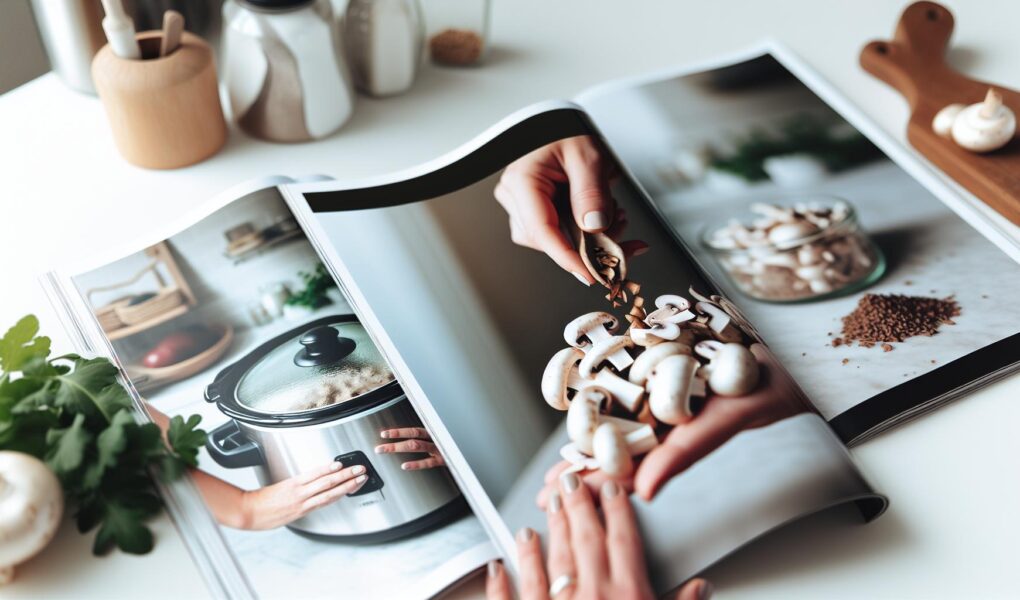
Did you know that when you toss mushrooms into your slow cooker can totally change their flavor and texture? Cooking mushrooms too early can make them mushy and bland, while adding them at just the right time brings out their earthy, savory goodness without turning them into overcooked sponges.If you love cozy, gluten-free or paleo-friendly slow cooker meals but struggle with mushy mushrooms, this little timing trick can make all the difference. Whether you’re prepping a weeknight stew or a weekend pot roast, knowing when to add mushrooms means getting the best flavor and texture every time-no extra effort, just smart cooking. Stick around, and I’ll share the simple steps that have kept my slow cooker meals bursting with vibrant mushroom flavor, without any guesswork or fuss.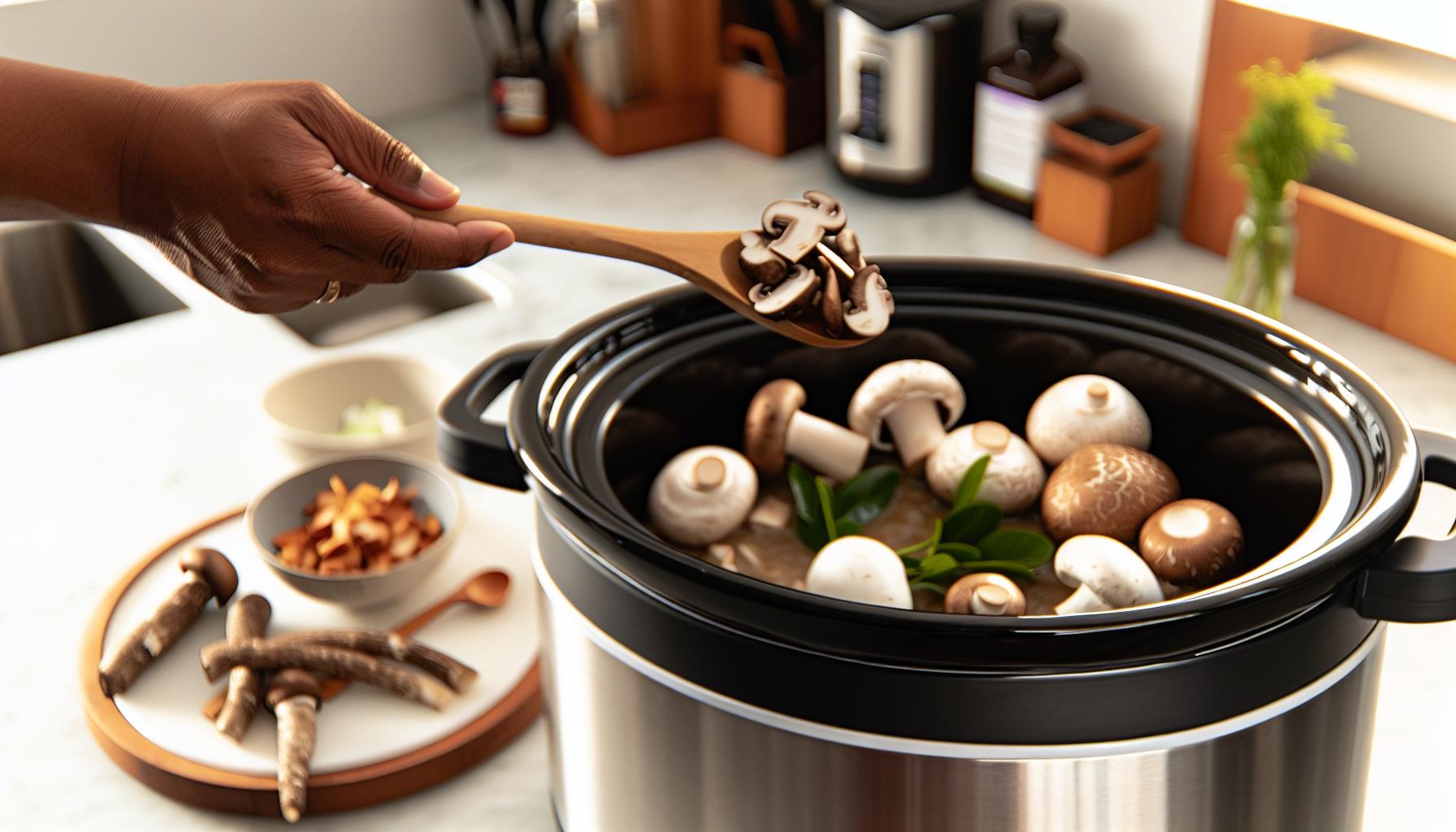
Table of Contents
- When to add Mushrooms for Deepest Slow Cooker Flavor
- Choosing the Best Mushroom Types for Slow Cooking
- How Mushroom Size and Preparation Affect Cooking Time
- Balancing Mushrooms with Other ingredients in Your Recipe
- Tips to Prevent Mushrooms from Getting Mushy or Watery
- Enhancing flavor: Using Mushrooms in Slow Cooker sauces and Broths
- Adjusting Cooking Times when Adding Mushrooms Late vs. Early
- Creative Mushroom Substitutes for Slow cooker Recipes
- Storing and Preparing Mushrooms Ahead for Easy Slow Cooking
- Real home Cook Tips: Timing Mushrooms for Perfect Texture Every Time
- frequently asked Questions
- Q: How does adding mushrooms at different stages affect the overall flavor in a slow cooker?
- Q: What are the best ways to prepare mushrooms before adding them to a slow cooker for enhanced flavor?
- Q: Can dried mushrooms improve slow cooker recipes and when should they be added?
- Q: Why do mushrooms sometimes release too much water in slow cooker meals and how can this be prevented?
- Q: How does mushroom variety influence the timing of when to add them in slow cooker recipes?
- Q: What are some flavor-boosting additions to mushrooms when cooking them in a slow cooker?
- Q: Can freezing mushrooms before slow cooking affect when I should add them for best flavor?
- Q: How do slow cooker temperature settings affect the optimal timing for adding mushrooms?
- Wrapping Up
When to add Mushrooms for Deepest Slow Cooker Flavor
Mushrooms are little flavor powerhouses, but how you add them to your slow cooker can make all the difference between a bland, soggy afterthought and a rich, savory highlight that elevates the whole dish. The timing of adding mushrooms depends a lot on how bold you want that characteristic earthiness to come through and the texture you’re craving. Tossing them in right at the start lets them mingle with every ingredient all day long, soaking up aromas and mellowing into buttery tenderness.This slow infusion is ideal if you’re after deep, layered mushroom flavor throughout your stew, chili, or paleo-friendly roast.
But here’s the inside scoop from my own kitchen adventures: if you prefer mushrooms to keep a little bite and not get fully mushy, adding them later in the cooking process-around the last 30 to 60 minutes-is your best bet.This approach works especially well for varieties like cremini or shiitake that hold up nicely without becoming watery. It also keeps their texture intact when you’re aiming for a more vibrant mushroom presence rather than a background note. Plus,adding them later prevents that sometimes-too-strong umami punch from overshadowing delicate ingredients like herbs or mild meats.
- Early addition: Deep, mellow flavors; soft texture; great for long braises and soups.
- Late addition: Firmer texture; fresher mushroom taste; works well in quick finishing sauces and chickpeas-based dishes.
Remember, the slow cooker traps moisture, so the longer mushrooms cook, the more thay release water. To guard against a watery dish, consider sautéing mushrooms beforehand to concentrate their flavor and reduce moisture, especially if adding them early. This little step turns your mushrooms into concentrated nuggets of umami magic. Alternatively, if you’re pressed for time (and who isn’t?), simply adding dried mushrooms early and fresh ones late can work wonders, offering both depth and texture in one pot.
In short, there’s no one-right-way to add mushrooms-treat it like a choose-your-own-adventure flavor journey. Feel free to experiment with timing based on your mood and menu. I love to throw in dried porcini early for a robust base note, then stir in fresh button mushrooms near the end for that fresh earthiness and bite. It’s a combo that keeps dinner interesting and your slow cooker humming along like a pro.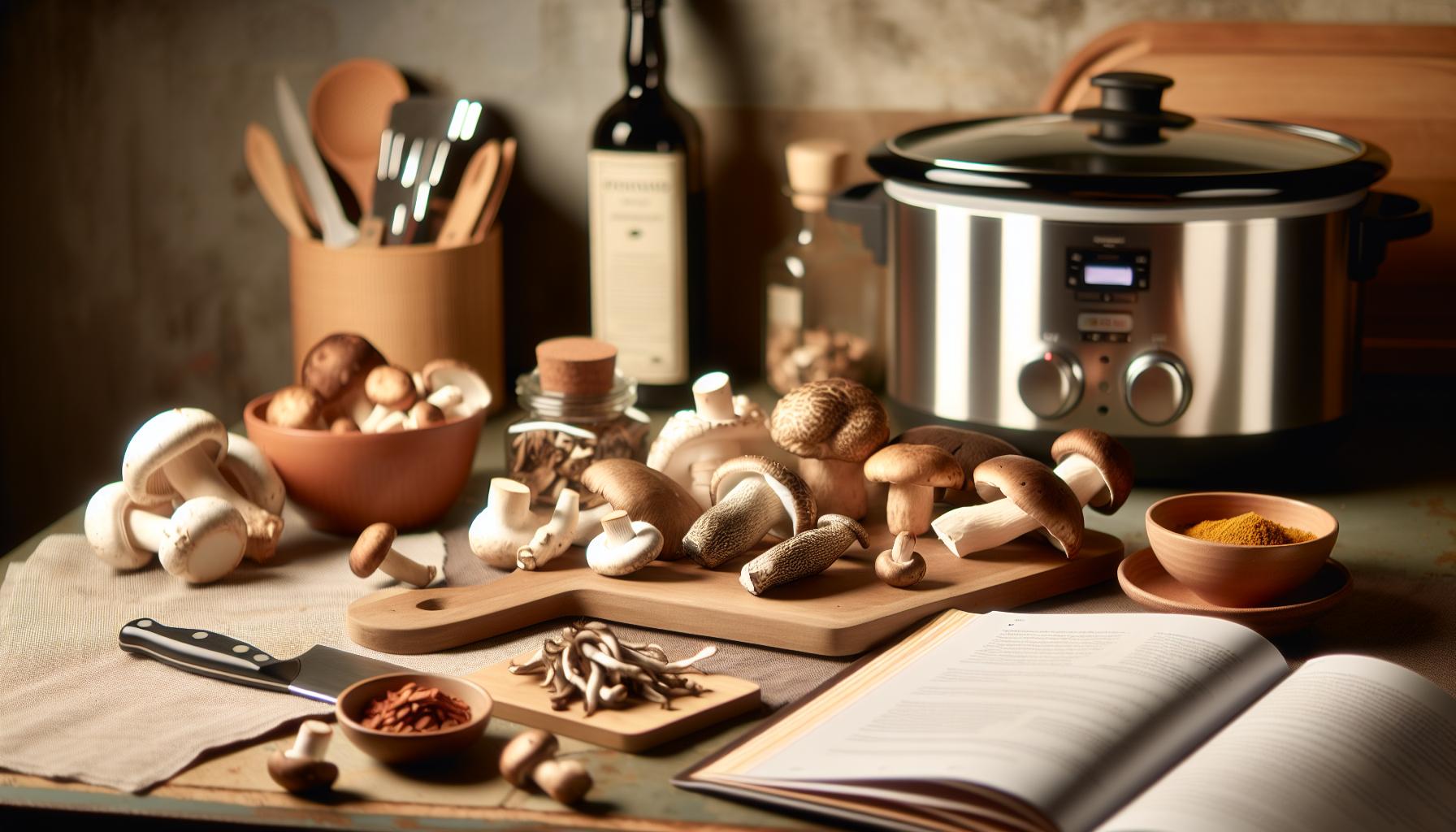
Choosing the Best Mushroom Types for Slow Cooking
Mushrooms come in more shapes and flavors than you might expect, and picking the right ones for your slow cooker can turn an everyday meal into something unforgettable. Some mushrooms are like the marathon runners of the fungi world-they hold their texture and flavor over hours of slow cooking. others are more like sprinters, best tossed in at the last minute for a punch of fresh, earthy goodness. When choosing mushrooms,think about whether you want them to melt into your dish or stand out with a firmer bite.
For slow cooking, varieties such as cremini (baby bella), shiitake, and porcini are favorites among home cooks who want that rich, layered umami without the mushy mishaps. cremini mushrooms are mild yet robust, and they hold up beautifully over several hours, making them perfect for long braises, stews, and gluten-free paleo roasts alike. Shiitakes bring a woodsy depth and a meaty texture, which makes them a natural for slow-cooked chilis and hearty soups. Porcini, frequently enough found dried, is the secret weapon for an intense, smoky base flavor that infuses everything deliciously-perfect for layering your slow cooker magic without adding extra bulk or moisture.
- Button mushrooms: Affordable and mild, best added near the end to preserve texture.
- Cremini (baby bella): Balanced flavor and texture, great for all-day cooking.
- Shiitake: Rich umami flavor with a firmer chew; versatile in slow-cooker stews.
- Porcini (dried): Intense,deep flavor; soak early for a bold,aromatic broth base.
- oyster mushrooms: Delicate and subtle; add late to prevent disintegration.
Here’s a bit of kitchen wisdom: if you want to keep things simple and foolproof, grab a mix of dried and fresh mushrooms. Add dried porcini early to thicken up the flavor and toss fresh cremini or button mushrooms in later to keep that fresh, meaty bite. This combo keeps your slow cooker dish exciting all the way to the last spoonful. And if you’re busy (aren’t we all?), a quick sauté of fresh mushrooms before adding them to the slow cooker will caramelize their natural sugars and keep moisture in check-no watery surprises here.
Remember, slow cooking is about layering flavors gently over time, but mushrooms have a way of dominating a dish if you’re not careful. Balancing their texture and timing with the right types means you get all the joy of that woodsy, umami richness-without surrendering your stew to a soggy mushroom mess. So go ahead, experiment with your favorites. Mushrooms are forgiving and fun, just like a good kitchen buddy. Your slow cooker will thank you!
How Mushroom Size and Preparation Affect Cooking Time
Mushroom size and how you prepare them make a surprisingly big impact on the overall cooking time and texture in your slow cooker dishes. Larger pieces take longer to soften and develop that rich, deep flavor we all love after hours of slow cooking, while smaller chunks or slices will meld quickly, often vanishing into the background as part of the sauce or broth. It’s like giving your mushrooms a marathon or a sprint-choose your adventure based on the role you want them to play in your meal.
- Whole or large chunks: Great for mushrooms like cremini or shiitake that hold their shape over long hours. These pieces slowly absorb all those lovely braise flavors but keep a nice bite, perfect in stews and roasts.
- Thin slices or diced: Ideal for shorter cooking times or when you want mushrooms to contribute more as a flavor builder than a textural star. Button mushrooms sliced thin can be added late to avoid disintegrating mush.
A quick kitchen hack that never fails is to pre-sauté your mushrooms in a hot pan before they hit the slow cooker. This step caramelizes their natural sugars, deepening the taste and helping them maintain some of their firmness. plus, it wrings out excess moisture, which can otherwise leave your slow cooker dish a bit watery-especially if you’re using delicate or small mushrooms. If you’re pressed for time,even a five-minute sauté can work wonders.
Preparation Impact: More Than Just Size
How you prep mushrooms, beyond just slicing or chunking, shifts your cooking timeline too. Such as, if you’re rehydrating dried porcini, soaking them early not onyl softens them but creates a magic broth that layers flavor throughout the whole dish. Conversely, adding fresh oyster mushrooms last minute preserves their delicate bite and prevents them from becoming that soggy blob lurking at the bottom of your stew.
| Mushroom Type | Preferred Size | Prep Tips | Ideal Add Time |
|---|---|---|---|
| Cremini (Baby Bella) | Large chunks or quarters | Optional sauté; holds texture well | Start to mid-cooking |
| Button | Thin slices or halves | Best sautéed; add late to keep bite | Last 30 minutes |
| Shiitake | Thick slices or whole caps | Remove stems; sauté optional | Early to mid-cooking |
| Porcini (dried) | Soaked whole or chopped | Soak in warm water early | At start for broth depth |
| Oyster | Small strips or chunks | Add fresh, no soaking | Last 15-30 minutes |
These little timing and prep shifts make all the difference between a mushroom stew that’s bursting with umami and one that just feels soggy or bland. Remember,slow cooking gives you the luxury of time,but mushrooms don’t always want to be in the spotlight for the entire show. Adjust size and prep thoughtfully, and each bite will be a textural treat-not a mushy meltdown.
Try it yourself next time! Start with larger pieces for that cozy “meaty” mushroom experience, toss in the delicate ones later, and watch how your slow cooker meals effortlessly balance flavor and texture with minimal fuss. After all, cooking should be fun-and accommodating your mushroom timing is a delicious way to keep it that way.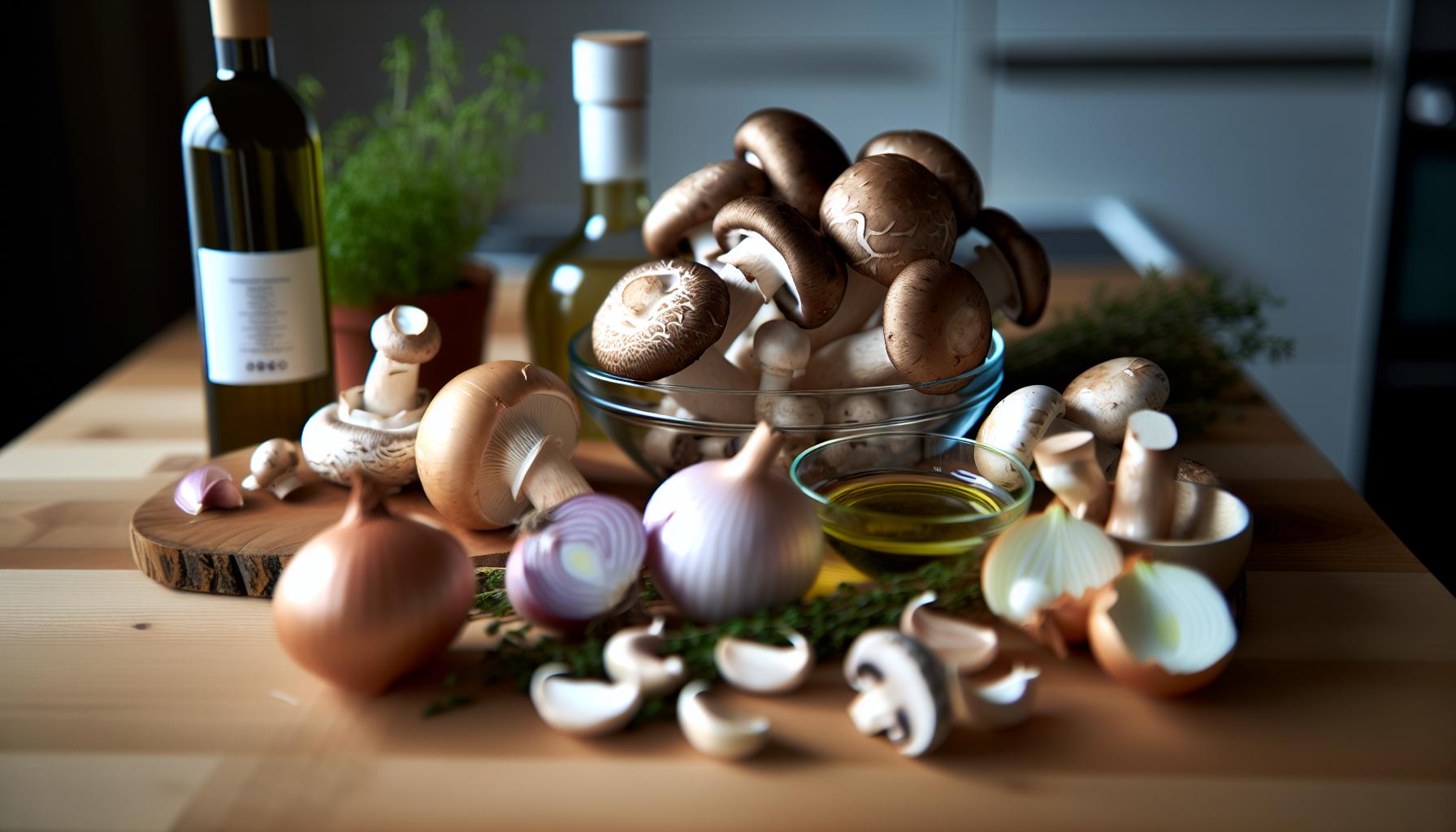
Balancing Mushrooms with Other ingredients in Your Recipe
Mushrooms are famously versatile,but their magic really shines when they play well with other ingredients in your slow cooker. Because mushrooms tend to release moisture and develop intense umami flavors, balancing them thoughtfully ensures your dish isn’t overwhelmed-or worse, too watery.The trick is to match mushroom textures and flavors with complementary ingredients that enhance the whole meal without stealing the show.
Think of your slow cooker like a stage, and the mushrooms as a charismatic supporting actor: they want moments to shine but also need to give space to other flavors. For richer proteins like beef or pork, hearty mushrooms such as cremini or shiitake added early will meld beautifully, lending earthiness while standing up to long cooking times. On the other hand, more delicate veggies-think bell peppers, carrots, or leafy greens-work better with mushrooms added later, so none of them turn to mush by curtain call. If you’re gluten-free or paleo, this kind of layering also helps preserve the integrity of texture while keeping everything naturally flavorful.
- Consider moisture content: Mushrooms release water as they cook, which can dilute sauces or broths if not accounted for. Balancing mushrooms with ingredients that absorb moisture-like beans, root veggies, or grains (if your diet allows)-helps keep the sauce luscious rather than thin.
- Match intensity: Bold mushrooms like porcini or dried varieties elevate umami notes, perfect alongside slow-cooked meats or rich stocks. Lighter mushrooms such as oyster or button work nicely paired with subtly flavored veggies or delicate fish, added near the end to keep their fresh character.
Practical Pairing Hacks from the Home Kitchen
When I’m throwing together a paleo-friendly slow cooker stew, I love tossing in large shiitake pieces with chunks of wild-caught chicken and an assortment of root veggies at the start. Their earthy depth perks up the broth and the mushrooms actually hold their shape. But if I’m doing a quick beef and pepper slow cooker dish, I dice button mushrooms and add them in the last 30 minutes. This keeps the mushrooms delightfully firm and avoids turning the whole pot into a soggy mess.If you’re tight on time or want an easy shortcut, try pre-sautéing mushrooms with aromatics like garlic and thyme. This intensifies flavor and wrings out excess water, meaning the slow cooker ingredients balance themselves much better. Plus, it’s a nice confidence booster-like telling your mushrooms, “You’re ready for prime time!” before they hit the slow cooker stage.
Balancing mushrooms with other ingredients isn’t just about texture or flavor-it’s about giving the whole dish room to breathe and sing. With a little planning, it’s easy to get mushrooms perfectly integrated, turning everyday slow cooker meals into cozy, comforting wins everyone will request again.
| Ingredient Type | Best Mushroom Pairing | Timing | Tips |
|---|---|---|---|
| hearty Proteins (beef, pork) | Cremini, Shiitake | Early to mid-cooking | Chunked, optionally sautéed |
| Delicate Proteins (fish, chicken) | Button, Oyster | Last 30 minutes | Sliced thin or small pieces |
| Root Vegetables & Beans | Porcini (dried), Cremini | Early | Soak dried, chunk fresh |
| Leafy Greens & Quick-Cooking Veg | Button, Oyster | Final minutes | Add fresh, no soaking |
Tips to Prevent Mushrooms from Getting Mushy or Watery
Mushrooms can be tricky slow cooker pals-they adore releasing moisture, but too much of that can turn your carefully crafted dish into a soggy, watery mess. The secret to keeping them just right is all about timing, prep, and a few simple kitchen tricks. with the right moves, your slow cooker mushrooms will hold their shape, add rich umami depth, and never steal the spotlight by watering down your sauce.
A top tip is to control moisture before adding mushrooms to the slow cooker. Mushrooms are like little sponges, soaked with water that they’ll happily let go of as they cook. To dodge excess liquid,try giving your mushrooms a quick sauté in a hot pan! This not only evaporates some of their water but also kick-starts flavor progress with those golden,caramelized edges. Cooking paleo or gluten-free? No worries-just use a splash of avocado oil and aromatics like garlic or thyme to keep it clean and tasty. Alternatively, if you’re in a rush or want to skip the pan, choose dried mushrooms like porcini that have been soaked and drained; they pack intense flavor without dripping water into your stew.
Another golden rule is when you add the mushrooms. Hearty varieties like cremini or shiitake can handle cooking in the slow cooker from the start, which allows them to soften and integrate perfectly with longer-cooked proteins and root vegetables. But delicate buttons or oyster mushrooms? Add those in the last 30 minutes to an hour to preserve their texture and keep your dish from turning into a mushroom soup.If you’re throwing together a quick chicken and veggie combo with these delicate types, saving them for late in the game is like letting the mushroom take a late-stage bow-fresh, tender, and flavorful.
Simple Steps to Prevent Mushrooms from Getting Mushy or Watery
- Sauté mushrooms first: Toss sliced mushrooms in a hot pan with a little oil and your favorite herbs until they shrink and release some liquid.
- Add sturdy mushrooms early: Reserve cremini and shiitake for the beginning or middle of the cook for depth and texture.
- Hold delicate mushrooms for last: Button and oyster mushrooms shine when added late, preserving their bite.
- Balance moisture in your dish: Include ingredients like root veggies, beans, or grains which soak up extra liquid and keep sauces luscious.
- Use dried mushrooms when possible: Soak,drain,and gently squeeze them before adding to avoid unintended watery outcomes.
Here’s a quick example from my kitchen: when making a slow cooker beef stew packed with carrots and potatoes,I sauté chunky shiitake mushrooms till browned and toss them in at the start. Their earthy flavor seeps into the broth without flooding it. But if I’m doing a coconut curry with fish or chicken, I add thinly sliced button mushrooms just 20 minutes before serving so they stay wonderfully firm.
Remember, slow cooking with mushrooms is all about giving each ingredient its moment-a little moisture, a touch of heat, and perfect timing turn humble fungi into a star ingredient. So next time you’re layering flavors for your slow cooker meal, you’ve got this-mushrooms that are rich, flavorful, and never one-note mush!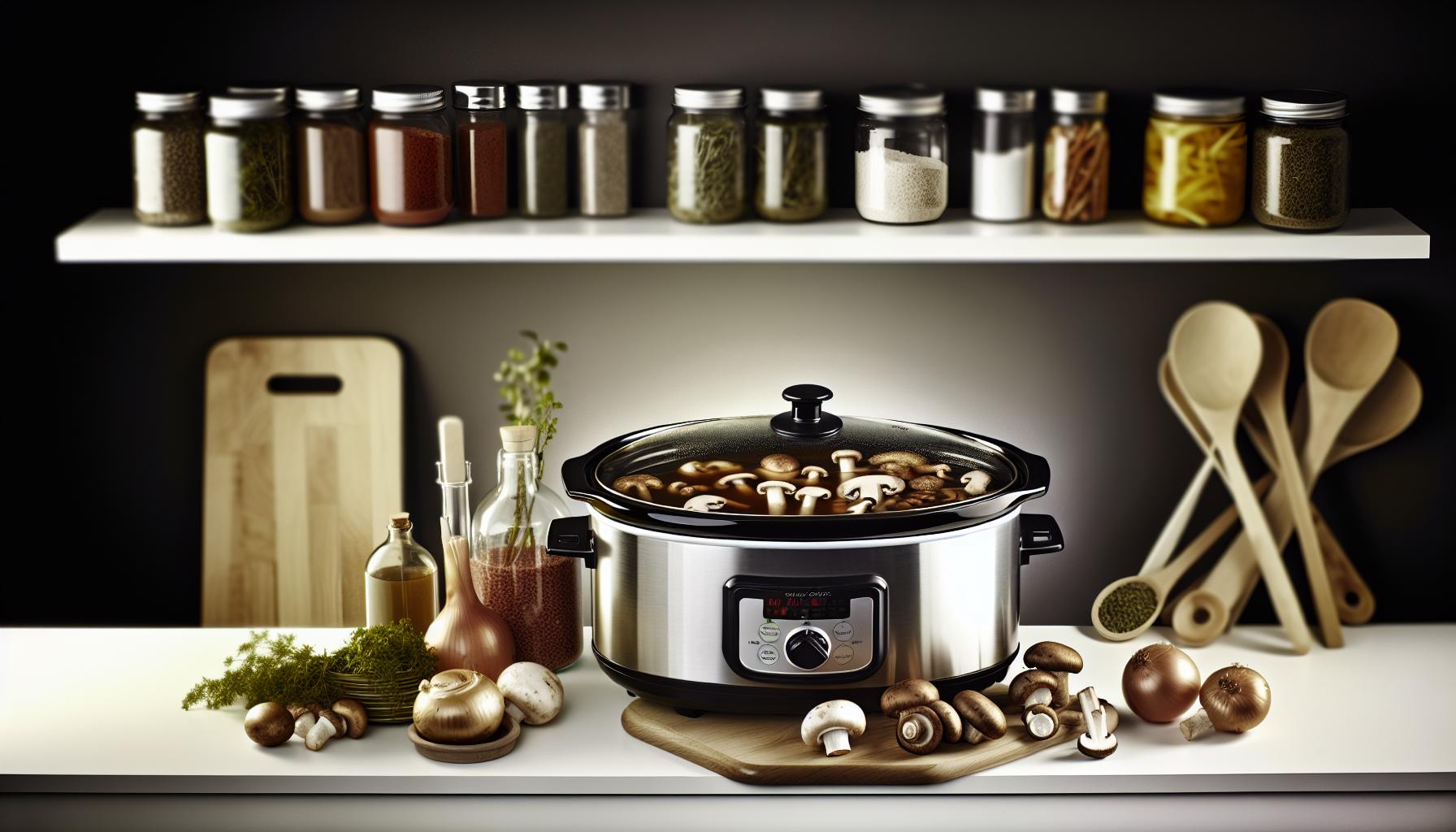
Enhancing flavor: Using Mushrooms in Slow Cooker sauces and Broths
Mushrooms are the unsung heroes of slow cooker sauces and broths, quietly elevating flavors with their signature umami richness and earthy depth. When added thoughtfully, mushrooms don’t just contribute texture-they become a flavor powerhouse that deepens the entire dish. If you want to transform a simple broth into a silky, savory masterpiece or build a sauce that lingers on the palate, mushrooms are your best friend. But timing and preparation matter big time, especially when slow cooking, where long, gentle heat can either marinate mushrooms into magical softness or dissolve them into waterlogged blobs.
For best flavor impact, I always recommend giving your mushrooms a head start-either by sautéing or selecting dried varieties like porcini. Sautéing mushrooms in a hot pan before dumping them in the slow cooker does two wonders: it drives off excess moisture that could dilute your sauce, and it browns mushrooms just enough to develop complex, nutty notes. This caramelization step is *worth* the extra five minutes and brings your sauces and broths to life. If you’re aiming for paleo or gluten-free-friendly dishes, a quick toss with avocado oil, garlic, and fresh thyme is both clean and indulgent. Alternatively,dried mushrooms soaked in warm water concentrate flavor without adding unwanted liquid,so they’re a fantastic shortcut for slow cooker recipes hungry for depth.
Integrating Mushrooms for Maximum Broth and Sauce Flavor
- Add hearty mushrooms early: Varieties like shiitake, cremini, or porcini stand up to the long simmer of the slow cooker. They slowly release their essence, enriching broths with a layered, meaty presence without falling apart.
- Introduce delicate mushrooms late: Button or oyster mushrooms are best when tossed in during the final 30-60 minutes. They retain bite and structure, adding fresh mushroom flavor without turning mushy.
- Use mushroom soaking liquid smartly: Don’t dump the soaking water from dried mushrooms without straining it first-this liquid is pure mushroom magic! Pour a little into your slow cooker for extra umami-but beware of potential grit, so strain carefully.
- Balance liquid ratios: Since mushrooms can release quite a bit of water, reduce other cooking liquids slightly to keep your sauce or broth from becoming too watery.
Personal fave: When I make a slow cooker wild mushroom ragù, I start by rehydrating dried porcini and sautéing them with cremini mushrooms until deeply browned.I strain and save the soaking liquid to add to the pot, which amplifies the woodland flavors without watering down the sauce. Cooking low and slow for 6-8 hours, the mushrooms dissolve just enough to thicken the sauce naturally-no extra flour or starch needed-and the aroma is absolutely intoxicating.
Quick Tips for Flavor-Forward Slow Cooker Mushroom Sauces
| Step | Action | Why it effectively works |
|---|---|---|
| 1 | Sauté mushrooms with aromatics | Evaporates moisture and kick-starts browning for richer flavor |
| 2 | Use mushroom soaking liquid | Adds concentrated umami to broth or sauce |
| 3 | Add hearty mushrooms early, delicate ones late | Maintains ideal texture and prevents mushiness |
| 4 | Adjust other liquids to balance moisture | Prevents watery sauces while keeping flavors vibrant |
Remember, mushrooms are chameleons in the slow cooker-they soak up flavors and also impart their own. Toasty, caramelized notes from mushrooms marry beautifully with herbs, garlic, or even a splash of wine or coconut milk, depending on your dish’s vibe. So don’t shy away from playing around with different mushroom varieties and cooking times. When you get this balance right, your slow cooker sauces and broths will have that irresistible, deep-from-scratch complexity without any extra fuss. Your taste buds-and your guests-will thank you!
Adjusting Cooking Times when Adding Mushrooms Late vs. Early
Some mushrooms are drama queens in the slow cooker-they either turn into mush faster than you can say “dinner’s ready,” or they hang tough and develop beautiful layers of flavor when given time. Understanding when to toss mushrooms in can make all the difference between a dish that’s deeply rich with complex mushroom notes or one where the fungi have disappeared into a watery shadow of their former selves.
Generally,hearty mushrooms like shiitake,cremini,portobello,and dried porcini deserve an early invite to the slow cooker party.They thrive with long, slow heat, gradually releasing their meaty umami goodness while maintaining enough texture to contribute body to your sauce or stew. Adding these at the start (think 4-8 hours depending on your setting) lets them soak in other flavors and break down just right, thickening sauces somewhat naturally. Plus, if you sauté them first, you lock in a nutty, caramelized depth that’s pure magic in slow-cooked dishes.
On the flip side, delicate mushrooms like white button or oyster mushrooms are better guests for the last act. They’re tender and subtle, prone to turning mushy if cooked for too long in a moist habitat. Tossing these in during the final 30 to 60 minutes ensures they keep a bit of bite and freshness, which contrasts nicely with slow-cooked ingredients that have mellowed for hours. It also preserves their light, fresh mushroom aroma, so your dish doesn’t lose its luminous notes amidst the simmer.
- Early addition: For robust, meaty mushrooms. Adds depth and texture over long cook times.
- Late addition: For soft,thin-fleshed mushrooms. Maintains freshness and prevents mush.
Remember, mushrooms naturally release water as they cook, so early additions mean more liquid in your dish. Compensate by trimming other liquids slightly or by sautéing mushrooms beforehand to evaporate excess moisture. For late additions, less worry about liquid balance, but be gentle stirring to keep those tender mushrooms intact.
In my kitchen, a go-to trick is this: when making a paleo-friendly beef stew, I brown diced cremini mushrooms early to build rich umami, then an hour before serving, I stir in thinly sliced oyster mushrooms. This two-step approach layers texture and flavor perfectly-plus, it’s quick enough for weeknight magic. Don’t be afraid to experiment by combining early and late additions to tailor the mouthfeel and flavor punch of your slow cooker meals.
| Mushroom Type | When to Add | Cook Time | Effect on Texture |
|---|---|---|---|
| Shiitake, Cremini, Porcini (dried) | Start of cooking | 4-8 hours | Firm, meaty, deeply flavored |
| Button, Oyster, Enoki | Last 30-60 minutes | 30-60 minutes | Light, tender, fresh bite |
Whether you’re planning a slow-cooker stew that simmers all day or a quick-cook veggie medley, thinking about when the mushrooms join the party helps you control final textures and boost your dish’s flavor profile with ease. It’s like timing the entrance of a great friend-just the right moment makes all the difference.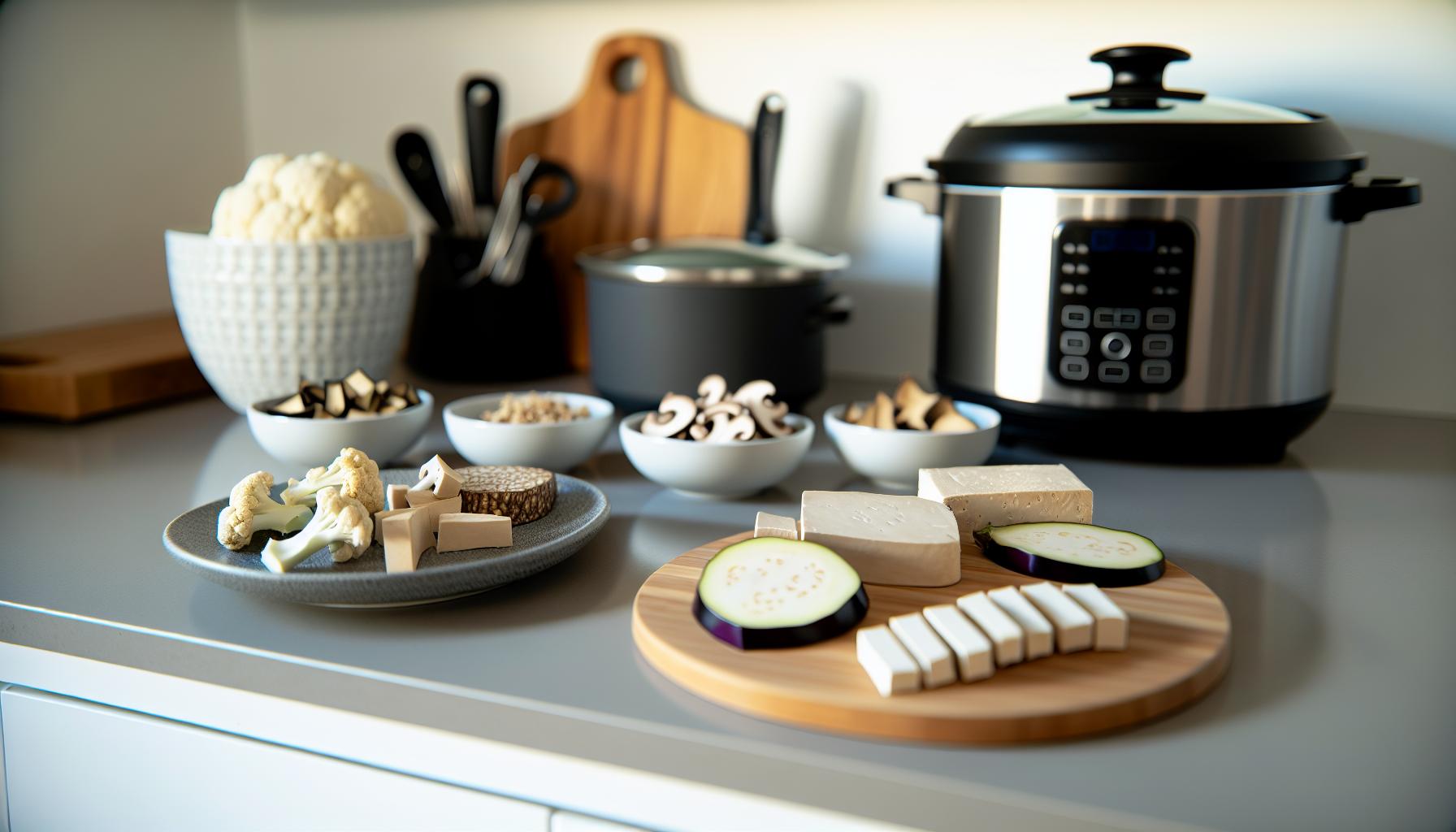
Creative Mushroom Substitutes for Slow cooker Recipes
If you’re out of mushrooms or catering to someone who prefers avoiding fungi, don’t worry-there are plenty of clever, tasty swaps that can bring oomph to your slow cooker meals. These substitutes won’t mimic mushrooms exactly, but they can recreate that satisfying umami boost and texture contrast we love in slow-cooked dishes. Plus, for paleo and gluten-free diets, many of these options fit perfectly, so you’re covered whether you’re going fully classic or branching out.
Veggie-Based Stand-Ins That Bring Umami and texture
Root vegetables like eggplant and zucchini work surprisingly well as mushroom alternatives. Eggplant, when diced and browned before adding to the slow cooker, develops a deep, meaty mouthfeel reminiscent of cremini or portobello mushrooms. Its spongy texture soaks up flavors beautifully, lending richness to stews and sauces without turning to mush-just make sure not to overcook it! Zucchini is softer and more delicate, so consider adding it during the last hour of cooking, a bit like you would with oyster mushrooms, to avoid a watery finish.
For a nutty, earthy flavor punch, try incorporating sun-dried tomatoes or roasted chestnuts. these provide a natural depth that complements slow cooking,especially in gluten-free or paleo-friendly beef or vegetable stews. Sun-dried tomatoes contribute acidity and concentrated sweetness, brightening dishes that might or else feel heavy, while chestnuts add a creamy texture with just enough bite to hold their own during long simmers.
Protein-Packed Alternatives for Hearty Slow Cooked Meals
If you want to mimic the chew and substance of mushrooms, tofu, especially extra-firm or smoked varieties, can be a star. Press the tofu well, cube it, and pan-sear before adding early into the crockpot so it can soak in savory flavors without disintegrating. For a punch of umami, toss in a little nutritional yeast or a splash of tamari (gluten-free soy sauce), both of which echo mushroom-like savoriness without the fungi.
Another fun (and somewhat unexpected) substitute is roasted chestnuts or even hearts of palm, which offer meaty texture and sustain subtle flavor during long cook times. Hearts of palm, when chopped into bite-sized pieces and added later in the cooking process, give a slight crunch and freshness that mimic those tender, late-added mushrooms like enoki or oyster.
- Eggplant: Early addition, saute first for best texture
- Zucchini: Late addition, to avoid watery texture
- Sun-dried tomatoes & roasted chestnuts: Add anytime; deepen umami and mouthfeel
- Extra-firm or smoked tofu: early addition, sautéed first for firmness
- Hearts of palm: late addition, adds fresh bite and texture
When I’m whipping up my paleo-friendly slow cooker chili and craving that earthy complexity mushrooms usually bring, I often brown diced eggplant early on. It softens just right, soaking up all those spices and around the three-hour mark develops a satisfyingly meaty texture. At the last hour, I sneak in some sliced hearts of palm for that fresh, tender bite – it’s like a mini mushroom cameo without the fungi! It keeps everyone happy, especially my mushroom-averse family members.
Remember, substitute timing matters just as much as with mushrooms, or you could end up with mushy veggies or weirdly dry bites. When in doubt, cook denser substitutes (eggplant, tofu) low and slow from the start; more delicate ones (zucchini, hearts of palm) deserve a short cameo near the finish.This helps balance texture and flavor perfectly, just like your favorite mushroom moments in the slow cooker.
| Substitute | Best time to add | Prep Tips | Flavor/Texture Notes |
|---|---|---|---|
| Eggplant | Early (start of cooking) | Dice and sauté first to reduce moisture | Meaty, soaks up flavors, holds shape well |
| Zucchini | Late (final 30-60 minutes) | Slice thick to avoid mushiness | Fresh, tender, adds slight sweetness |
| Extra-firm or smoked tofu | Early (start of cooking) | press and pan-sear before adding | Chewy, umami-rich, durable in slow cooker |
| Hearts of palm | Late (final hour) | Slice and add near end | Fresh, crunchy, mild vegetal note |
So, the next time your mushroom stash is running low or you want a fun twist on your slow cooker favorites, try these substitutes. They’ll bring new textures and flavors to your dish, with just the right timing to keep your meal balanced and delicious. No fungi? No problem!
Storing and Preparing Mushrooms Ahead for Easy Slow Cooking
Mushrooms are fantastic slow cooker companions, but prepping and storing them ahead can make a huge difference in your cooking flow-and the final flavor. Did you know that properly storing mushrooms before slow cooking not only extends their shelf life but also helps preserve their texture so they don’t end up a soggy, sad mess? That’s kitchen magic worth mastering, especially when juggling busy schedules or meal prepping for the week.
The first step is picking fresh mushrooms that are firm, dry, and smooth without slimy spots. Avoid washing them right away-mushrooms are like tiny sponges and absorb water easily, which can lead to a watery slow cooker stew. Instead, give them a gentle wipe with a damp cloth or soft brush just before cooking.If you need to prepare mushrooms ahead (say, for a weekend batch cook), slice or chop them to your desired size, then store them in a breathable container-like a paper bag or a container lined with a paper towel-in the fridge. This keeps excess moisture at bay and keeps mushrooms from prematurely becoming rubbery or slimy.
Prep Tips to Save Time Without Sacrificing Flavor
If you’ve got 10 minutes to spare before dinner prep, try this: sauté your chopped mushrooms lightly in a bit of olive oil or butter. This step enhances their natural umami and releases some moisture, which means your slow cooker sauce won’t get watered down. Plus, it adds a beautiful depth of flavor that simmers throughout a long cook time. You can do this up to a day in advance and keep the mushrooms tightly covered in the fridge until it’s slow cooker time.
Don’t forget that mushroom size and cut play a key role. Larger pieces hold up better when slow cooked for hours, so slice portobellos thick or quarter creminis to avoid mushiness. For more delicate varieties-like oyster or enoki-wait and add them during the last hour or even less, so they maintain a tender bite without dissolving. Prepped and stored well, mushrooms become the slow cooker’s trusty flavor bomb.
- Storage: Keep whole or sliced mushrooms in a paper bag or breathable container in the fridge, ideally used within 3-5 days.
- Cleaning: wipe with a damp cloth or mushroom brush; avoid soaking.
- Pre-cooking prep: Sauté chopped mushrooms to boost umami and reduce moisture.
- Size matters: Large chunky pieces fare better for long simmering; delicate mushrooms go in late.
Over the years, I’ve found that prepping mushrooms ahead isn’t just about convenience-it’s a flavor-lifting hack.For example, when making a paleo-friendly beef stew, I sauté sliced cremini mushrooms the night before and store them in a sealed container. Once the slow cooker starts its magic, I add these prepped mushrooms at the beginning and get that deep, rich mushroom essence that doesn’t turn to mush. Meanwhile, more fragile shiitakes or oyster mushrooms get tossed in just 30 minutes before serving for a nice contrast.
trust me, a little upfront love in mushroom prep means less last-minute scrambling and a richer, more textured slow cooker dish. Plus, it keeps the mojo going if you’re aiming to balance paleo or gluten-free goals with maximum flavor and minimal fuss. Your slow cooker-and your taste buds-will thank you!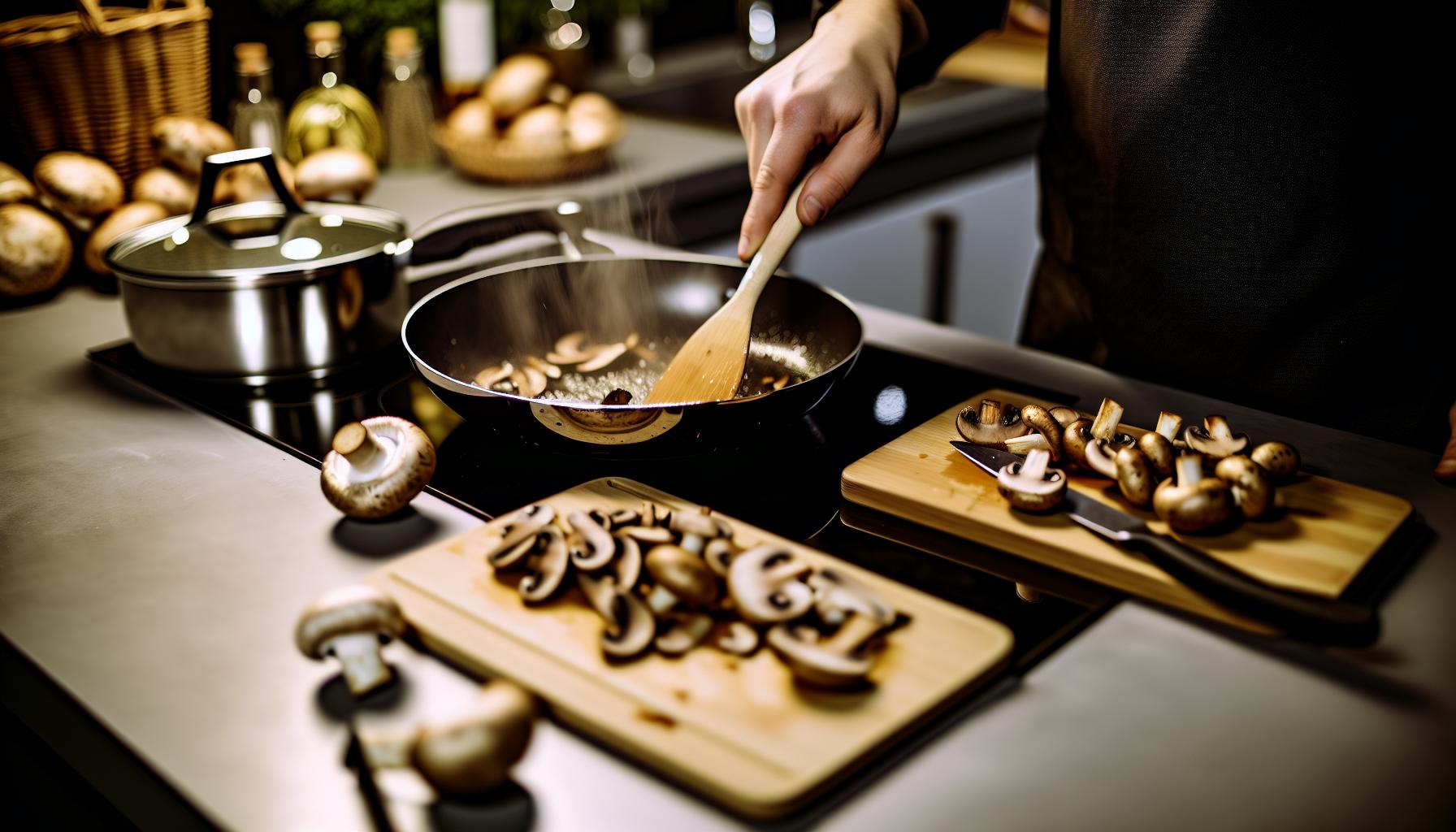
Real home Cook Tips: Timing Mushrooms for Perfect Texture Every Time
Mushrooms can be a bit of a diva in the slow cooker world-they want just the right timing to shine without turning to mush. The secret to getting that perfect texture? It’s all about when and how you add them to the pot. Firm,meaty mushrooms like cremini,portobello,or shiitake can handle the long haul,soaking up all those savory flavors while developing a rich,tender bite.I usually add these at the beginning of cooking, especially if they’re sliced chunky, so they meld beautifully with stews, chilis, or roasts.
But delicate fungi like oyster, enoki, or chanterelles? They’re more sensitive and deserve to be treated like VIPs-added closer to the finish line. Toss them in during the last 30 to 60 minutes to preserve their unique textures and subtle flavors. Otherwise, they dissolve into a shadow of themselves, leaving your dish a bit watery or mushy, which nobody wants. This timing trick saves you from that sad mushroom sludge and keeps your slow cooker meals feeling fresh and vibrant.
Practical Tips from My Kitchen
- Chunky is better early: cut your portobellos in thick slices or quarter your creminis when adding at the start-they stand up to hours of low heat.
- Delicates go late: Keep oyster, enoki, and shiitake whole or in large pieces, then fold in near the end for a tender bite.
- Pre-sauté for flavor: A quick sauté before adding mushrooms not only deepens their umami but also releases excess moisture, preventing watery dishes.
- Mixed mushroom strategy: Combine different types by staggering their addition-hearty ones early, tender types late-to get the best of both worlds.
One kitchen anecdote I love to share: when making a paleo-friendly beef stew, I slice cremini mushrooms thick and sauté them the night before.Adding them at the start of the slow cook results in a velvety, rich mushroom flavor that stands up well without disappearing. Meanwhile, shiitakes, which I prefer for their delicate texture, join the party just before serving. The contrast in textures makes everyone at the dinner table pause and say, “Wow, what’s your secret?” Spoiler alert: it’s all in the timing.
This approach is a game changer, especially if you’re balancing paleo or gluten-free lifestyles. It keeps your meals hearty and full of flavor but avoids the soggy mush that sometimes ruins slow cooker magic. Plus, it lowers stress-you’re not scrambling last minute to save the meal. So embrace this timing dance, and your slow cooker mushrooms will show up with the perfect texture, every time.
frequently asked Questions
Q: How does adding mushrooms at different stages affect the overall flavor in a slow cooker?
A: Adding mushrooms early infuses the dish with *deep, earthy flavors* as they slowly release their juices, while adding them later preserves a *firmer texture* with a more pronounced mushroom taste. Experiment with timing to balance flavor depth and desired texture-see our section on *adjusting cooking times* for more tips.
Q: What are the best ways to prepare mushrooms before adding them to a slow cooker for enhanced flavor?
A: For *richer flavor*, sauté mushrooms first to develop caramelization, then add to the slow cooker. Alternatively, trimming and slicing mushrooms thinly helps them absorb seasonings evenly. See *storing and preparing mushrooms ahead* for easy prep hacks to boost flavor in every bite.
Q: Can dried mushrooms improve slow cooker recipes and when should they be added?
A: Yes, dried mushrooms bring *concentrated umami* and work great when soaked and added early in cooking. Soak in warm water to rehydrate, then add both mushrooms and soaking liquid to the slow cooker to enhance your sauce or broth naturally. Check out *enhancing flavor with mushroom broths* for full guidance.
Q: Why do mushrooms sometimes release too much water in slow cooker meals and how can this be prevented?
A: Mushrooms can release excess water if added too early or in large quantities. to *prevent mushy and watery dishes*,cook mushrooms separately or add them halfway through. More on this in our *tips to prevent mushrooms from getting mushy or watery* section for the perfect texture every time.
Q: How does mushroom variety influence the timing of when to add them in slow cooker recipes?
A: Different mushrooms vary in density-*firmer types* like shiitake need earlier addition for softness, while delicate varieties like enoki can be added late to retain texture. For expert advice, check the *choosing the best mushroom types* section to match timing with mushroom variety.
Q: What are some flavor-boosting additions to mushrooms when cooking them in a slow cooker?
A: Enhancing mushrooms with *fresh herbs, garlic, or a splash of wine or soy sauce* adds complexity to slow cooker dishes. Adding these alongside mushrooms early helps infuse your meal with bold, savory layers. Visit *enhancing flavor with mushroom sauces and broths* for recipes that make mushrooms sing.
Q: Can freezing mushrooms before slow cooking affect when I should add them for best flavor?
A: Frozen mushrooms release more moisture and soften quicker, so add them *later in the cooking process* to avoid overcooking. For fresh mushroom timing tips and how to prepare ahead,see *storing and preparing mushrooms ahead* to keep flavors balanced and textures ideal.
Q: How do slow cooker temperature settings affect the optimal timing for adding mushrooms?
A: On *low heat*, mushrooms added early gently develop flavor and texture, while on *high heat*, adding mushrooms too soon can lead to a mushy result.adjust mushroom timing based on your slow cooker setting for the best outcome-refer to our *adjusting cooking times* advice for tailored tips.
—
*For more detailed strategy on timing and texture,* explore our article sections linked above and keep experimenting-cooking with mushrooms should always feel *fun and flexible* like chatting with a skilled kitchen friend!
Wrapping Up
Mastering the perfect timing to add mushrooms to your slow cooker can truly elevate your dish’s flavor and texture-whether you’re aiming for tender, savory bites or a richer umami kick. Remember, adding them too early can turn mushrooms mushy, while too late might leave them undercooked. For best results,consider adding mushrooms during the last 30-60 minutes of cooking,giving you that ideal balance without guesswork.
Ready to level up your slow cooker game? Explore our Top 10 Slow Cooker Recipes for more crowd-pleasing meals packed with mushrooms and other wholesome ingredients. If you want to dive deeper into mushroom varieties and health benefits, check out our Ultimate Mushroom Guide and learn how to select perfect fungi for any dish. Don’t forget to sign up for our newsletter to get fresh tips,recipes,and kitchen hacks delivered right to your inbox-as everyone deserves simple,delicious cooking that fits their lifestyle.Got questions or a favorite mushroom slow cooker recipe? Share your tips and stories in the comments below! We love hearing from home cooks who make mushroom magic happen.With these insights, you’re all set to create comforting, flavorful meals that feel gourmet but are totally doable, whether you’re paleo, gluten-free, or just craving good food. Happy cooking!
Get our latest guides, news, and insights highlighted in your Google Search & AI Overviews.


