
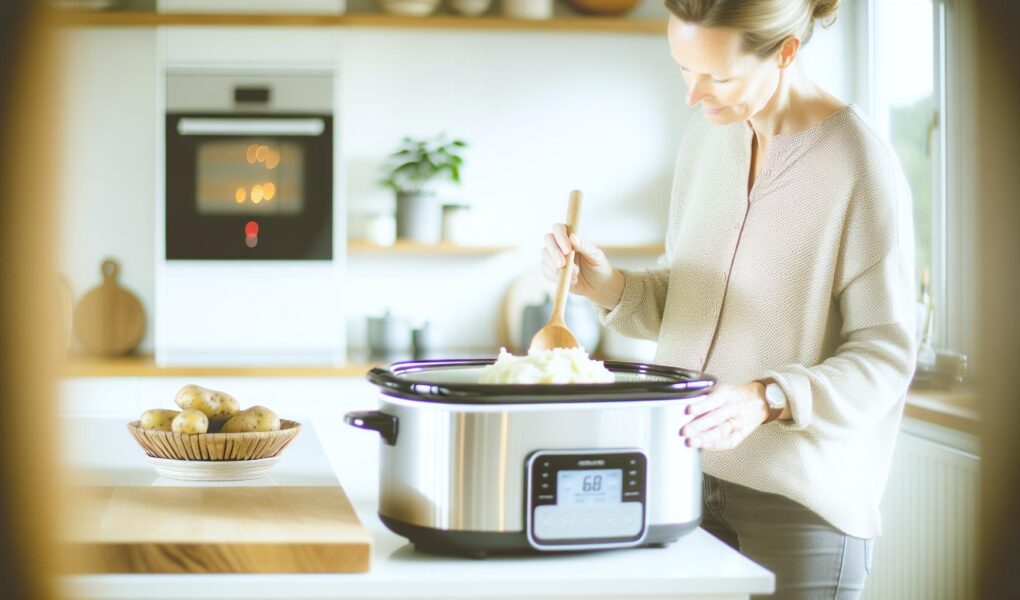
Did you know that keeping mashed potatoes warm for hours without turning them into a gluey mess is one of the biggest kitchen challenges during holiday feasts or busy weeknight dinners? Whether you’re catering to a gluten-free crowd or just love your creamy, lump-free spuds, using a slow cooker to keep them warm can be a total game-changer-if you know the tricks. I’ve been there: nobody wants a bowl of thick, clumpy mashed potatoes stealing the show from your perfectly cooked roast. in this guide, I’ll share easy, practical tips to keep your mashed potatoes smooth, creamy, and perfectly warm for hours-without any fuss. Think of it as your amiable kitchen hack to stress-free entertaining or a cozy dinner that tastes like you just made it, even hours later. so, pull up a chair and get ready to make mashed potato magic happen with simple steps that honor your time, your taste buds, and yes, your slow cooker!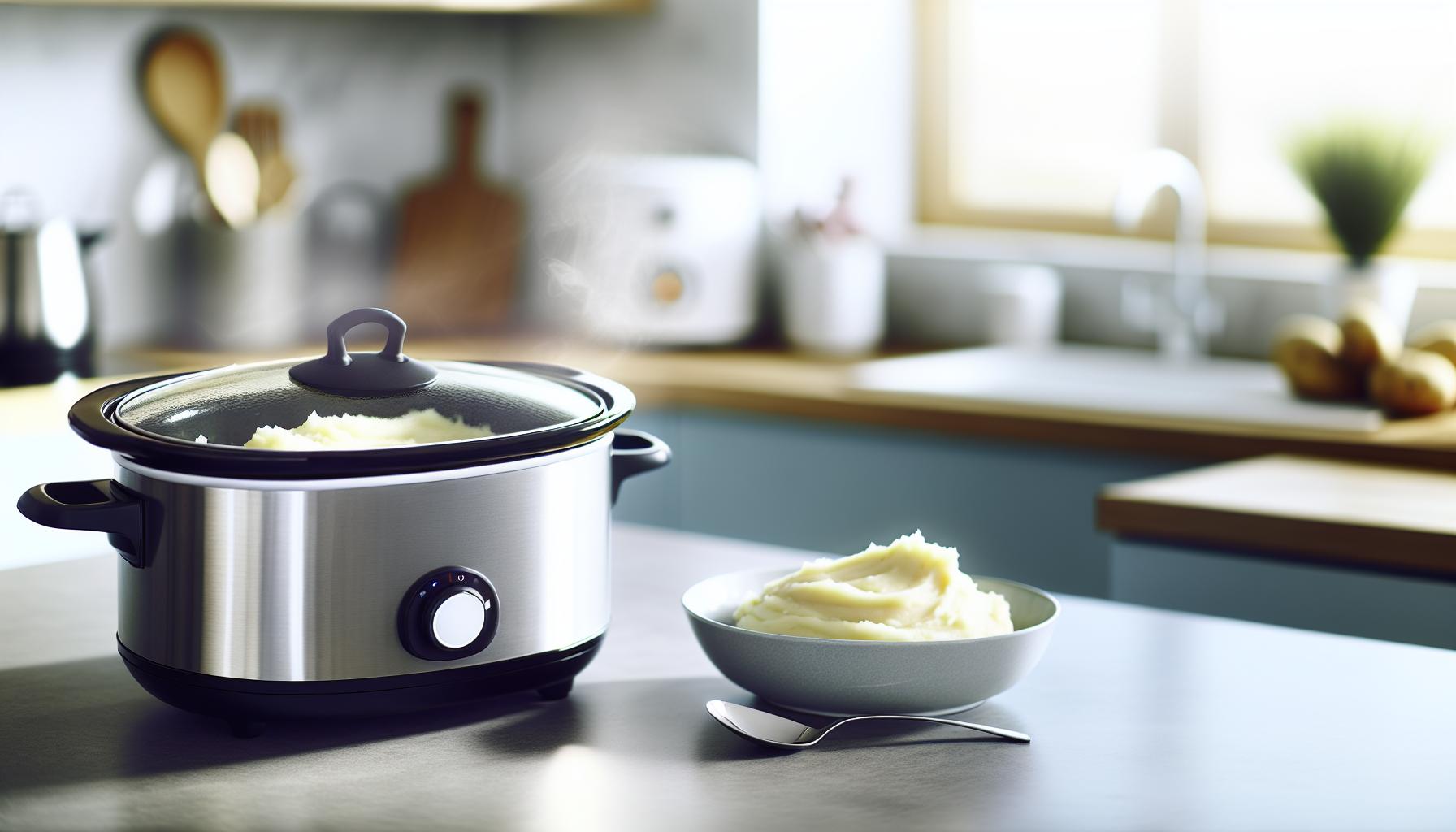
Table of Contents
- Why Slow Cookers Are perfect for Keeping Mashed Potatoes Warm
- Choosing the Best Slow Cooker Settings to Prevent lumps
- Step-by-Step Guide to Preparing Lump-free Mashed potatoes for Slow Cooking
- Top Tips for Stirring and Maintaining Smooth Texture All Day
- The role of Dairy and Fats in Keeping Mashed Potatoes Creamy
- How to Adjust Consistency When Mashed Potatoes Thickens in the Slow Cooker
- Best Slow Cooker Accessories to Prevent Clumping and sticking
- Smart Ingredient Substitutions for Silky Gluten-Free and Paleo Mashed Potatoes
- Timing Tricks: When to Transfer Mashed Potatoes to the Slow Cooker
- Real-World Kitchen Hacks From Home Cooks Who Nail Lump-Free Warm Mashed Potatoes
- Faq
- Q: How can I prevent mashed potatoes from drying out while keeping them warm in a slow cooker? A: To prevent mashed potatoes from drying out in a slow cooker, add a splash of warm milk or cream every 30-45 minutes and stir gently. This keeps the moisture locked in without risking lumps. Using a slow cooker liner or non-stick spray can also help maintain the creamy texture. Check our section on adjusting consistency when mashed potatoes thicken for more tips. Q: What’s the best way to reheat cold mashed potatoes in a slow cooker without creating lumps?
- Q: How often should I stir mashed potatoes in a slow cooker to keep them lump free?
- Q: Can I add extra ingredients like herbs or cheese to mashed potatoes in the slow cooker without causing lumps?
- Q: Why do lumps form in mashed potatoes when kept warm in a slow cooker, and how can I fix them?
- Q: Is it better to prepare mashed potatoes fully before using a slow cooker or partially cook them first?
- Q: How do different slow cooker settings affect the texture of mashed potatoes?
- Q: What slow cooker accessories help maintain lump-free mashed potatoes all day?
- Future Outlook
Why Slow Cookers Are perfect for Keeping Mashed Potatoes Warm
Nothing ruins a perfectly whipped batch of mashed potatoes quite like letting them sit too long and end up dry, lumpy, or cold right before serving. This is exactly where a slow cooker shines as the unsung hero of holiday and weeknight dinners alike. It gently cradles your mashed potatoes at an even,low warmth-like a cozy food blanket that keeps every bite creamy,smooth,and ready to impress guests or satisfy hungry family members whenever they gather around the table.
The magic happens because slow cookers provide consistent heat without the high risk of scorching or drying out your potatoes, which can so easily happen on a stovetop or in an oven warming drawer. Unlike reheating methods that zap moisture out fast, using a slow cooker lets the potatoes stay luscious thanks to a steady temperature that mimics the ideal “just-made” texture for hours. I’ve found this especially helpful when juggling holiday spreads or casual dinners – you can genuinely trust it to keep those potatoes perfect while you focus on other dishes.
Why Slow Cookers nail It Where Others Miss
- even, Controlled heat: Slow cookers distribute warmth uniformly around the pot, which helps avoid hotspots that cause clumps or dry patches.
- Hands-Free Warming: Set it and forget it means less stress about constant stirring, provided that you stir occasionally to keep it smooth.
- Moisture Retention: The sealed environment traps steam, preventing mashed potatoes from drying out and encouraging that creamy texture to stay put.
- Flexible Timing: Slow cooker warming generally gives a few hours of perfect holding time-great when mealtime fluctuates or guests arrive late.
I personally swear by my slow cooker to save the day when feeding a crowd. On one Thanksgiving, I prepped my potatoes in the morning, tossed them in the slow cooker, and by dinner, they were basically begging to be devoured-still silky and lump-free, no miracle mush! Plus, it lets me sneak in paleo-friendly or dairy-free substitutions seamlessly without worrying they’ll toughen up or separate under heat.
So, whether you’re serving a paleo feast, a gluten-free family meal, or just casual comfort food, using a slow cooker to keep mashed potatoes warm is truly a game-changer. It’s like having a culinary sidekick that lets your mashed potatoes hang out at the perfect temperature-giving you the freedom to enjoy your time with friends and family without a last-minute mash meltdown.
For slow cooker mashed potato recipes that ensure that creamy, dreamy texture, toss in real butter or coconut oil, add a splash of dairy or dairy-free cream, and give them a gentle stir halfway through warming. This simple method can keep your mashed potatoes tasting freshly whipped for hours without losing their charm[[1]](https://www.simplyrecipes.com/recipes/slow_cooker_mashed_potatoes/)[[2]](https://www.foodnetwork.com/recipes/food-network-kitchen/slow-cooker-home-style-mashed-potatoes-3363121).
Choosing the Best Slow Cooker Settings to Prevent lumps
Choosing the right slow cooker setting to keep your mashed potatoes smooth and lump-free can feel like cracking a secret kitchen code. Too hot, and you risk drying out or scorching the potatoes; too cool, and they might sit cold or develop a gummy texture. the good news? Slow cookers are surprisingly forgiving,and with a little guidance,you can lock in that just-made creamy goodness for hours without turning your mash into a lumpy mess.
Start with the “Warm” or Low Setting for holding mashed potatoes. These settings are designed to maintain a gentle, consistent heat-perfect for keeping potatoes at a safe serving temperature without overcooking. From personal experience and countless holiday dinners, setting the slow cooker to “Warm” after your potatoes are fully cooked ensures they stay moist and creamy, while the “Low” setting can be a good choice if you need to slowly bring the potatoes up to temperature. It’s kind of like a slow dance for your taters versus a wild sprint that ends in lumps.
If your slow cooker has a “Keep Warm” mode,don’t hesitate to use it,but always stir your potatoes every 20-30 minutes to prevent clumping and to distribute heat evenly.Because slow cookers lack a stirring mechanism, staying hands-on with occasional gentle stirring is your secret weapon against stubborn lumps. Think of it as a casual kitchen catch-up with your potatoes rather than hardcore labor. During these stir sessions, you might find a splash of additional cream or broth helps loosen things up and keeps the texture luscious.
- avoid the “high” setting once your mash is done. High heat can quickly dry out potatoes and cause starches to gel into lumps.
- Use a ceramic or stoneware insert if available, as these distribute heat more evenly than metal pots.
- Consider timing: If you’re prepping ahead (say, for a party), cook mash fully on the stovetop then transfer to “Warm” in the slow cooker to hold gently.
In short, think of your slow cooker as a gentle guardian for your mashed potatoes-a splash of patience and the right setting keep your creamy comfort food cozy without surprises. And if lumps try to sneak in? A good stir or a speedy addition of dairy or broth usually smooths things right out! this approach works perfectly whether you’re sticking with conventional creamy potatoes or experimenting with paleo and dairy-free versions, making sure every bite is dreamy and smooth.Happy slow cooking!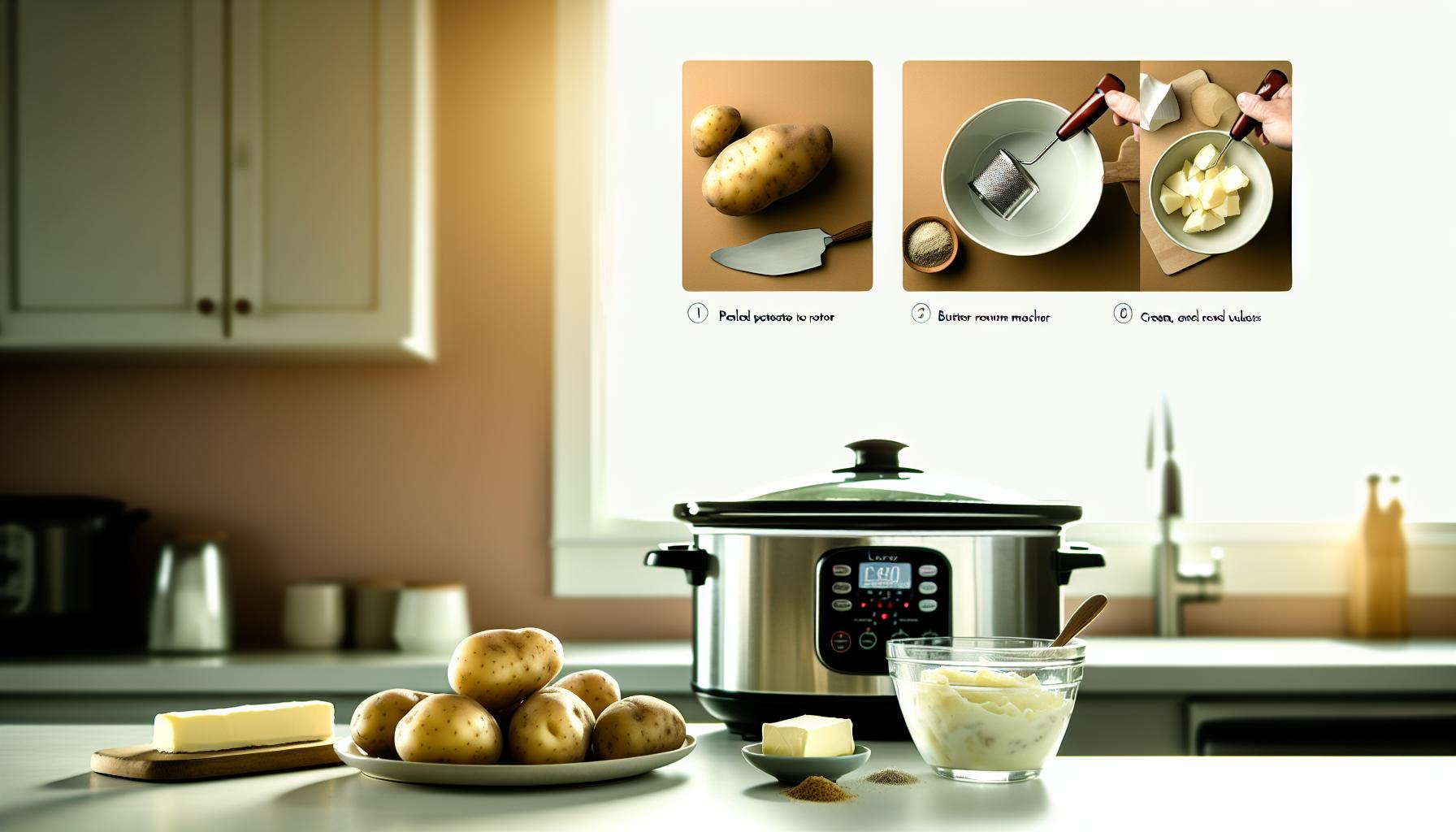
Step-by-Step Guide to Preparing Lump-free Mashed potatoes for Slow Cooking
Mashed potatoes are comfort food champions,but keeping them perfectly smooth and lump-free in a slow cooker requires a bit of finesse. The good news is it’s entirely doable, and once you get the hang of these simple steps, you’ll be the go-to mashed potato master at every gathering-no lumps crashing the party!
Start with well-prepared potatoes-think starchy varieties like Russets or Yukon Golds, which mash up creamier and help you avoid gummy textures. Peel and cut them into uniform chunks so they cook evenly; this step is crucial to prevent lumps from stubborn, undercooked chunks sneaking in. Once boiled tender (tested by poking with a fork), drain them well to avoid excess water thinning your mash. Now comes the fun part-mashing! Use a hand masher or potato ricer for the smoothest results-skip the blender or food processor, which can make potatoes gluey. For a dairy-free or paleo twist, swap regular milk and butter with coconut cream and olive oil to keep luscious texture without compromising on richness.
Step-by-step: From Stovetop to Slow Cooker, Lumps Be Gone
- Mash potatoes thoroughly. Get them nice and fluffy on the stovetop with your preferred dairy or substitute. Don’t hold back on seasonings here-salt, pepper, garlic powder-as slow cooking will mellow flavors a bit.
- Transfer gently to the slow cooker. Pre-warm your slow cooker on the “Warm” or “Low” setting before adding potatoes to avoid temperature shock that could cause lumps.
- Stir every 20-30 minutes. This is your most significant step to keep lumps from settling and sticking on the bottom. Use a silicone spatula for gentle, even folding.
- Add a splash of liquid as needed. Whether broth, cream, or an extra knob of fat, a little moisture loosens the mash and maintains silkiness all day long.
Personal experience has taught me that timing matters: don’t dump hot, just-cooked potatoes into a cold slow cooker. Instead, bring your slow cooker up to temperature first, then add your mash to keep starches stable and smooth. And if lumps appear despite your best efforts? A quick stir combined with another splash of cream or broth usually smooths things out right away.
Ingredient Tweaks That Keep Your Mash dreamy and Friendly
For those avoiding gluten or dairy, swapping in almond milk, cashew cream, or even bone broth still delivers on creaminess. Olive or avocado oils work wonders to mimic butter’s richness without adding dairy.These substitutions shine in the slow cooker environment because they stabilize texture and flavour without thickening too much during warming.
Let’s be real: life happens, and grabbing ready-made mashed potatoes is sometimes a power move. If you go this route, give them a good stir with a bit of added liquid or fat before placing in the slow cooker, and treat them like delicate guests-gentle warmth, timely stirring, and plenty of TLC. You’ll still end up with a side dish that steals the show and keeps those lumps at bay.
By following these tips, serving lump-free mashed potatoes all day long without standing over the stove becomes totally achievable-and deliciously satisfying for all your paleo, gluten-free, or classic comfort food needs alike.[1] [3]
Top Tips for Stirring and Maintaining Smooth Texture All Day
Mashed potatoes can be surprisingly… stubborn when it comes to staying smooth and lump-free in a slow cooker. The good news? A little attentive stirring goes a long way in preserving that silky texture all day long. Think of stirring not just as a chore, but as a gentle daily massage for your potatoes, coaxing out creaminess and preventing those pesky lumps from settling or drying on the edges.
One of the best-kept secrets is to stir every 20 to 30 minutes using a flexible silicone spatula. This tool is a game changer because it reaches into corners without scraping too hard-no need to break down the potatoes further, just coax them gently.Regular stirring redistributes heat evenly, preventing hot spots that cause dry layers or lumps to form at the bottom and sides. Plus, tossing in a splash of warm cream, broth, or olive oil during these stirs keeps the mash silky, especially if things start to thicken. I like to think of this like giving the mash a little spa treatment, refreshing moisture as it warms.
- Don’t skip the pre-warm: Always bring your slow cooker to the “Warm” or “Low” setting before adding mashed potatoes. Adding mash to a cold crockpot shocks the starch and encourages clumps.
- Slow and steady stirring: Gentle folding is your texture’s best friend. stir too roughly and you’ll risk overworking the potatoes,turning them gluey.
- Use the right tool: A silicone spatula protects your slow cooker’s surface and is flexible enough to navigate all edges and corners without clumping.
- Moisture monitoring: Keep liquid handy to loosen the mash if it starts to look dense or dry-this little trick keeps your potatoes creamy without watering them down.
I learned the hard way that even the best mash can develop sad, stuck-on-bottom lumps if left unattended. When I started treating the slow cooker like a warm potato jacuzzi-stirring and stirring every half hour-those lumps vanished, replaced by fluffy, dreamy potatoes that stay luscious from brunch until dinner. This approach works magic whether you’re rocking classic buttery dairy or going dairy-free with coconut cream or almond milk, as moisture and movement are the true keys to smoothness, no matter your preference.
Stirring isn’t just about preventing lumps; it actually amplifies flavor mellowing too. As the slow cooker warms your mash, your gentle stirs help meld garlic, herbs, and spices throughout, so every spoonful tastes cozy and balanced. So, next time you’re bringing out the slow cooker mashed potatoes, set a timer if you have to-you’ll thank yourself later when your guests keep raving about how smooth and velvety those potatoes stayed all day long.
The role of Dairy and Fats in Keeping Mashed Potatoes Creamy
one of the secret heroes behind irresistibly creamy mashed potatoes is the magical marriage of dairy and fats.When you tuck your potatoes into the slow cooker for a long warm-up session, these ingredients do more than just add richness-they act as texture guardians, smoothing out the natural starches and preventing dryness or clumping. Butter, cream, milk, or cheese aren’t just flavor boosters; their fat molecules coat and separate the potatoes, creating that melt-in-your-mouth mouthfeel we all crave.
But here’s the fun twist: you don’t have to rely solely on traditional dairy to achieve this luscious creaminess. For those embracing gluten-free or paleo lifestyles-or just wanting to shake things up-healthy fats like coconut cream, ghee, or olive oil step in like champs. These not only keep your mash silky but also add their own subtle, tasty notes that partner beautifully with the potato’s natural sweetness. My personal favorite late-night hack? A splash of warm coconut cream stirred in slowly during those every-30-minute turnings-magic happens,trust me.
How Fats Work Their Magic in Slow Cookers
Low and slow is the name of the game in slow cookers, but starches love to seize up and dry out when exposed to prolonged heat. Here’s where fats shine:
- Coating starch granules: Butter or oils envelope potato bits, preventing them from bonding too tightly and turning gluey.
- Moisture retention: Cream and dairy liquids add water content that keeps everything soft and fluffy rather of clumpy or dry.
- Temperature buffering: Fats help moderate heat throughout the mash, reducing those dreaded hot spots that cause crusty edges.
If you’re dairy-free, don’t fret-nut milks like almond or cashew can add creaminess, but pair them with a healthy fat like olive oil or ghee substitute to get that same protective effect.
Easy Dairy & fat Tweaks to Perfect Your Warmed-Up Mash
Because consistency matters, here are some practical tips from my kitchen to yours-no matter your diet:
| Dietary Preference | Recommended Fats & Dairy | Why It Works |
|---|---|---|
| Classic Comfort (Gluten & Dairy) | butter + Heavy Cream + Cheddar Cheese | Rich fat + creamy texture + flavor layering |
| gluten-Free (Dairy Optional) | Ghee or Grass-fed Butter + Almond Milk | Fat coats starch + nut milk lightens mash |
| Paleo-Friendly (Dairy-free) | Coconut Cream + Olive Oil | Fat for smoothness + tropical richness |
| Vegan (Dairy-Free) | Cashew Cream + Avocado Oil | Nut creaminess + neutral oil fat for silk |
Remember, the secret isn’t just pouring in fats early on-adding a splash here and there during those regular stirring moments keeps the potatoes hydrated and luscious without watering them down. Think of it as giving the mash little hydration top-ups so it never gets dry or pasty in your slow cooker jacuzzi.
At the end of the day, fats aren’t just indulgence-they’re texture’s best friend, especially when your mashed potatoes need to stay cozy and spoon-ready for hours. So whatever your flavor or diet style, don’t be shy with your fats: your mashed potatoes will thank you with every velvety bite.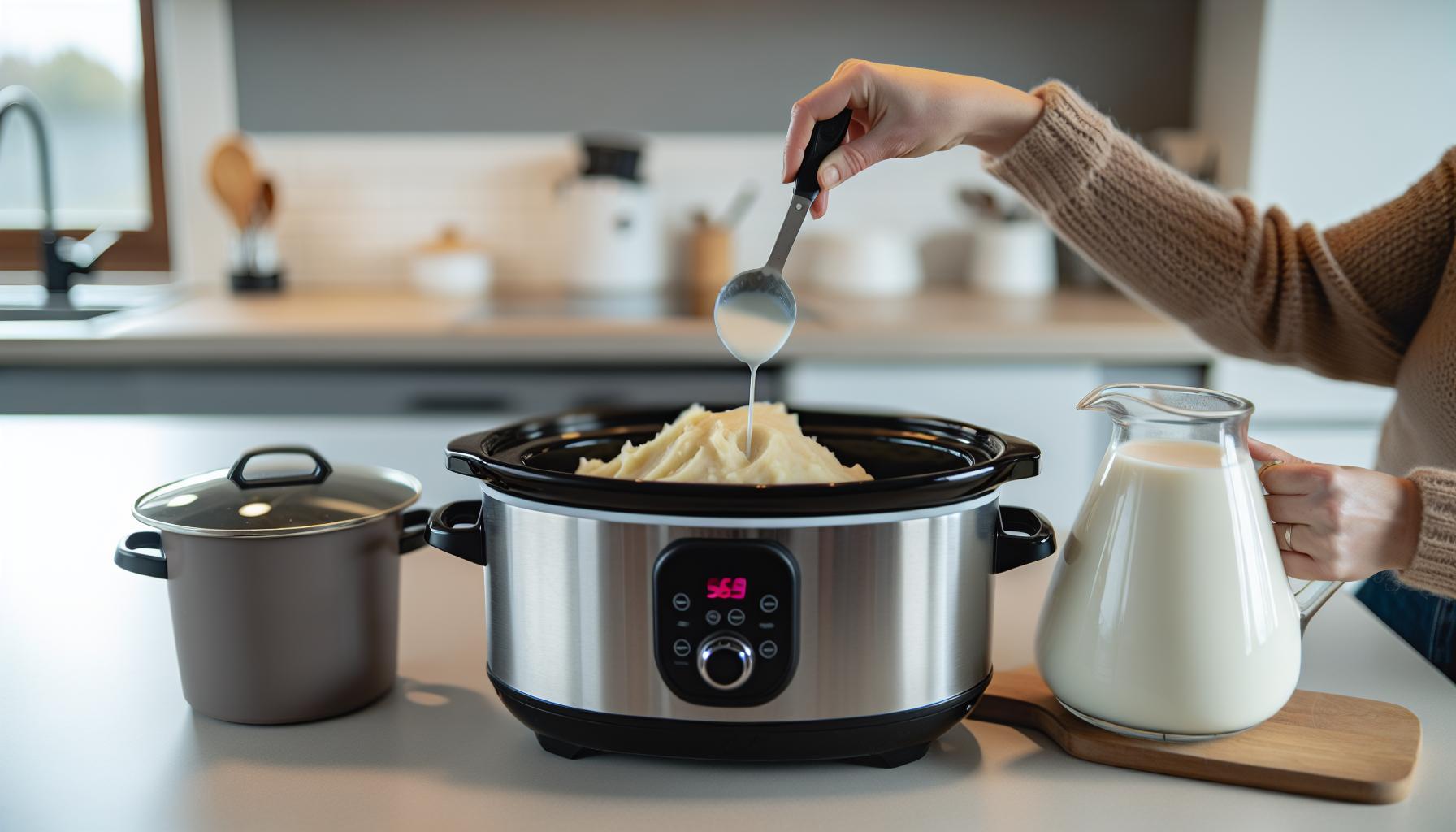
How to Adjust Consistency When Mashed Potatoes Thickens in the Slow Cooker
Mashed potatoes have a sneaky habit of thickening up when they spend too long in a slow cooker’s warm embrace. It’s the starches doing their thing, absorbing any moisture and sometimes turning your silky mash into a more… well, doughy situation. But here’s the good news: adjusting the consistency back to that perfect, creamy softness is easier than you might think-and can be a fun little kitchen rescue mission rather than a disaster!
The quickest and most reliable fix is to gently rehydrate your mash by stirring in small amounts of warm liquid throughout the day. Depending on your dietary preferences, this could be anything from classic heavy cream or whole milk to paleo-friendly coconut cream, or a nut milk like almond or cashew. Warm your liquid slightly before adding-fresh-from-the-microwave warmth helps it absorb faster and keeps the mash from shocking into toughness. Add it in small sips rather than all at once; think of it like coaxing the potatoes back to life, not flooding them like a soggy soup.Every 20-30 minutes, give the mash a thorough, loving stir and top up with a little more liquid if you feel it needs it.
Quick Fixes to save Thickened Mashed Potatoes
- Butter or Healthy Oils – Stirring in an extra pat of butter, ghee, or a drizzle of olive oil not only adds richness but coats starch granules, helping the mash relax and regain that smooth texture.
- Broth or Stock – For a savory twist, a splash of warm chicken, vegetable, or bone broth can thin the potatoes without watering down flavor, especially great for gluten-free or paleo eaters wanting to avoid dairy.
- Slow Cooker Temperature – If your mash thickens early, switching your slow cooker to the ”warm” setting after the mash is fully cooked prevents further moisture loss. Just remember to keep stirring regularly so it doesn’t stick or toughen.
If you find that your potatoes are still a bit stubbornly dense, try breaking out a potato masher or even a whisk for a quick fluff-up. (Avoid the blender or food processor at this stage to prevent overworking the starches,which can add unwanted gumminess.)
Remember, thick mash in a slow cooker is often a sign of moisture draining or starches tightening up. But with a little TLC and the right splash of liquid, your potatoes can stay pillowy soft-perfectly ready for spooning onto plates all day long. My own go-to? A bit of warm coconut cream with an extra turn of the spoon: it’s like a spa day for your spuds.
| diet Type | Liquid Options to Thin Mashed Potatoes | why It Works |
|---|---|---|
| Classic Comfort | Warm heavy Cream,Whole Milk,or Broth | Rich moisture and fat rehydrate and soften perfectly |
| Gluten-free | Chicken or Veggie broth + Ghee or Butter | Flavorful hydration without gluten,fat prevents starch bonding |
| Paleo-Friendly | coconut Cream or Bone Broth + Olive Oil | Healthy fats smooth texture,rich broth adds flavor and moisture |
| Vegan | Nut Milks (Almond,Cashew) + Avocado or Olive Oil | dairy-free creaminess with fat to keep mash silky and soft |
The key is patience and gentle attention: keep the slow cooker setting low,stir often,and add warm liquids incrementally. By treating your mashed potatoes like a delicate soufflé rather than a pot roast, you’ll enjoy smooth, luscious results that hold up beautifully, even if your guests are fashionably late. Because let’s be honest-there’s nothing sadder than cold, gluey mashed potatoes at a party. And no one deserves that, right?
Best Slow Cooker Accessories to Prevent Clumping and sticking
There’s nothing more disheartening than opening your slow cooker lid to a lumpy, sticky mess instead of the fluffy, creamy mashed potatoes you envisioned. Luckily, a few thoughtful accessories can turn your slow cooker into a dream habitat for mashed potatoes, keeping them smooth, warm, and ready to impress all day long.These kitchen helpers not only prevent clumping and sticking but make stirring and serving a breeze-even when time is tight and you’re juggling a hundred other dishes.
One must-have is a silicone slow cooker liner. These reusable, heat-safe liners create a non-stick barrier between your potatoes and the crock, dramatically slashing cleanup time and stopping that stubborn sticking that pulls and tears your perfectly whipped mash.Plus, liners help maintain even heat distribution, which prevents hotspots where potatoes can thicken or burn. It’s a simple upgrade, especially helpful for paleo or gluten-free cooks who want to avoid adding extra oils or fats just to keep potatoes loose. For those who don’t want liners, a generous coating of ghee or butter on the crock before adding potatoes works wonders for preventing a sticky situation.
Another accessory that often gets overlooked is a slow cooker stirring paddle or silicone spatula with a long handle. When your potatoes are snuggled in the warm cooker for hours, frequent and gentle stirring is key to prevent dense clumps. A long-handled, flexible spatula lets you reach every nook without risking burns or scraping the sides too hard, which can cause uneven cooking patches. I personally love a silicone paddle as it’s gentle on liners and non-stick surfaces but sturdy enough to fluff any stubborn potato lump without turning it gummy.
think outside the slow cooker box! A heat-safe, perforated trivet or rack placed inside the slow cooker before the potatoes go in can keep them slightly elevated above direct heat. This prevents burning and helps retain moisture by allowing steam to circulate. For larger batches, this small trick helps the mash maintain a silky smooth texture without drying out at the bottom. When paired with warm, gradual stirring and timely additions of liquid (like broth or coconut cream), this combo will have your mashed potatoes singing a silky, lump-free tune all day.
Quick Accessory Recommendations
- Silicone slow Cooker Liners – Non-stick, reusable, and cleanup-friendly.
- Long-handled Silicone Spatulas or Stirring Paddles – Flexible and safe for gentle stirring.
- Perforated Slow Cooker Trivets/Racks – Promote even heat distribution and moisture retention.
- Slow Cooker Crock Ceramic Coating - Choose a slow cooker with high-quality ceramic coating to naturally reduce sticking.
These accessories resist starch build-up, help you maintain consistent stirring habits, and reduce the dreaded sticky bottom layer many home cooks face. No fancy gadgets are needed, just a few smart tools that fit your lifestyle and kitchen flow, letting your mashed potatoes stay pillowy soft for hours-even if your guests are fashionably late. Trust me, these tiny investments will have you celebrating every spoonful, no lumps or gluey spots in sight.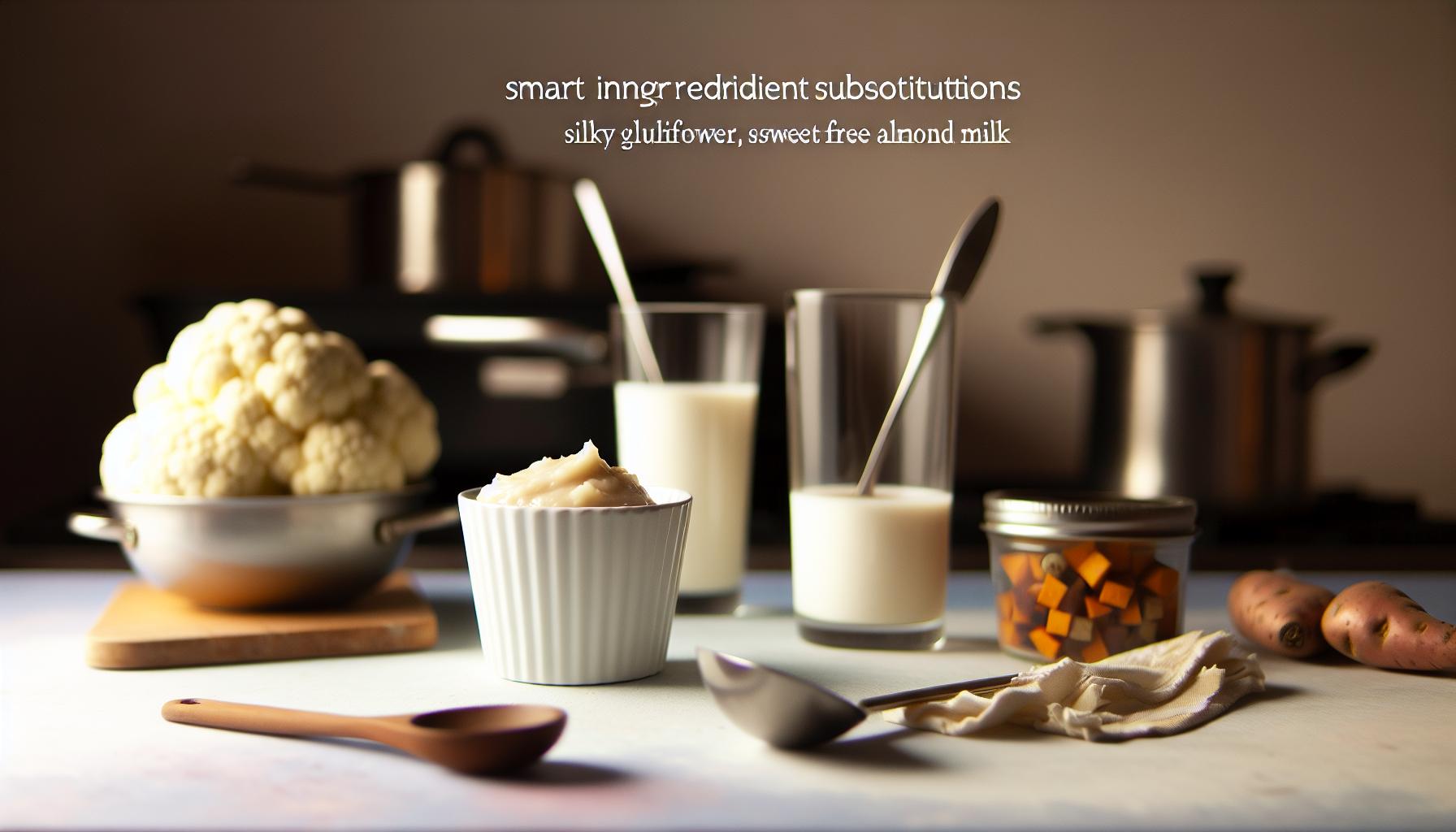
Smart Ingredient Substitutions for Silky Gluten-Free and Paleo Mashed Potatoes
Mashed potatoes often get a bad rap in special diets like paleo and gluten-free, but trust me-they don’t have to be a bland or gummy compromise when kept warm in the slow cooker. The trick is in swapping out traditional ingredients for ones that maintain that coveted creamy silkiness without sneaky starches or gluten fillers.Plus,these substitutions play nicely with slow cooker heat,helping keep your mash lump-free and luscious even after hours of warming.
For starters, ditch regular butter for ghee or top-notch extra virgin olive oil. both melt beautifully into the potatoes, boosting richness without the dairy that sometimes causes watery or gluey textures in slow cooker setups. if you’re craving a buttery flavor but want it dairy-free,experimenting with a small spoonful of coconut oil mixed with ghee or oil can add just the right slip to keep potatoes smooth without over-thickening. And speaking of liquids, swapping cow’s milk or cream for full-fat coconut milk or unsweetened almond milk is a game-changer. These options add a gentle creaminess and a hint of sweetness that compliments the earthiness of potatoes,especially when paired with warming spices like garlic or rosemary.
Smart Starches and Flavor Boosts
If you’re worried about potatoes being the culprit in your paleo mashed potatoes-since strict paleo restricts nightshades-try blending in parsnips or cauliflower. Both create a creamy base that holds moisture well in the slow cooker and can be mashed just like potatoes. Plus, cauliflower especially has that silky mouthfeel that disguises itself instantly as traditional mash once those familiar topping herbs and fats go in. This way, you’re not just opting gluten-free and paleo, but supporting a lower-carb twist that stays fluffy on gentle heat.
- Cauliflower or Parsnip Mash: Steam or roast first for moisture control, then mash with paleo-friendly fats for incredible silky texture.
- broth Infusions: Use homemade chicken or veggie broth instead of water or dairy to add subtle flavor depth without heaviness.
- Nut Milk Options: Unsweetened almond,cashew,or macadamia nut milks are also superb low-carb creamer swaps.
- Herbs & Spices: Fresh chopped chives, garlic powder, or smoked paprika can lift flavor and distract from any textural changes these ingredients might introduce.
When it comes to keeping your mashed potatoes silky while they’re heated slowly, thickness control is key. if you peek inside after a couple of hours and notice the mash tightening up, stirring in small batches of warm broth or nut milk can loosen the texture without diluting flavor. slow cooker heat often thickens starchy veggies as the water evaporates, so don’t hesitate to keep some liquid on standby for top-ups.
I’ve found that using a slow cooker liner or greasing the crock generously with ghee before loading your mash can also give these alternative ingredients a smooth surface to cling to-reducing that lumpy bottom layer.This simple step is especially helpful when experimenting with less starchy roots like parsnips or cauliflower that can behave a little differently under slow heat.
In sum, getting silky, lump-free mashed potatoes while staying gluten-free or paleo is all about choosing the right fats and milks, swapping key veggies for variety, and managing moisture like a pro-all doable with a little prep and a slow cooker that works with you (not against you). So go ahead, whip up that decadent mash knowing it can play nicely with your dietary needs and keep your family coming back for more, warm and smooth as ever.
| Traditional Ingredient | Gluten-Free & paleo Substitute | Benefit |
|---|---|---|
| Butter | Ghee or Extra Virgin Olive Oil | Dairy-free, rich flavor, smooth texture |
| Cow’s Milk/Cream | Full-fat Coconut Milk / Unsweetened Almond Milk | Adds creaminess without dairy, suits slow cooker heat |
| Potatoes (for strict paleo) | Cauliflower or Parsnips | Lower carb, silky texture, paleo-approved |
| water | homemade broth | Flavorful liquid with added nutrients |

Timing Tricks: When to Transfer Mashed Potatoes to the Slow Cooker
There’s a fine art to knowing exactly when to move your mashed potatoes from the stovetop (or mixer bowl) to that trusty slow cooker. Too early, and you risk the potatoes drying out or turning gluey from prolonged heat. Too late,and you’re juggling a hot mash alongside the rest of the meal prep chaos. The sweet spot is all about timing – moving your mash when it’s freshly whipped,hot,and ready to cozy up in the slow cooker ensures that creamy,lump-free texture holds all through holiday dinners or weeknight feasts.
In my experience, it’s best to transfer the mashed potatoes promptly after mashing, while they’re still warm and fluffy. Why? Because the residual heat in that perfectly whipped batch is what jumpstarts the warming process in the slow cooker without overcooking the starches. Before you scoop them in, make sure your slow cooker is already preheated on the warm or low setting rather than cold. This prevents a sudden temperature drop, which can cause the potatoes to “set” too fast and develop lumps. Think of it as tucking your mash in gently, not dropping it into a cold pool.
- Preheat your slow cooker: Give it about 15-20 minutes on the warm/low mode before adding the mash.
- Keep liquids and fats nearby: Stir in a splash of broth, ghee, or paleo-friendly milk as you transfer to maintain silkiness.
- Plan your timing: Aim to move the potatoes into the slow cooker no more than 30 minutes after mashing, to lock in that fresh texture.
If you’re making mashed potatoes ahead for a big family gathering or paleo-friendly potluck, here’s a pro tip I swear by: prepare and mash your potatoes or paleo substitutes (like cauliflower or parsnips) just before the meal, then set your slow cooker to warm once you add them. This keeps the mash luscious without the risk of thickening or drying out. If you need to keep them longer – say 2 to 3 hours before serving – stir gently every 30-45 minutes to redistribute heat and moisture, topping up with a tiny splash of warm broth or coconut milk as needed to keep lumps at bay and that dreamy creamy texture locked in.
one last nugget from the trenches: don’t load the slow cooker to the brim. Leaving a little room helps heat circulate and prevents hot spots that can scorch or clump the mash. Your slow cooker becomes the perfect cozy blanket for your mashed potatoes when you respect this timing and layering balance. It keeps paleo, gluten-free, and traditional mashed potatoes tasting like you just took them off the stove – no lumps, no dry edges, just pure comfort.
| Timing Trick | Benefit | Pro Tip |
|---|---|---|
| Transfer immediatly after mashing while warm | Prevents starches from tightening and lump formation | Set slow cooker to warm before transfer to avoid temperature shock |
| Keep stirring every 30-45 minutes if holding for hours | Distributes heat evenly and maintains smooth texture | Add splash of broth or nut milk to loosen thickened mash |
| Do not overfill slow cooker | Prevents scorching and uneven warming | Leave at least 1-2 inches of headspace |
Real-World Kitchen Hacks From Home Cooks Who Nail Lump-Free Warm Mashed Potatoes
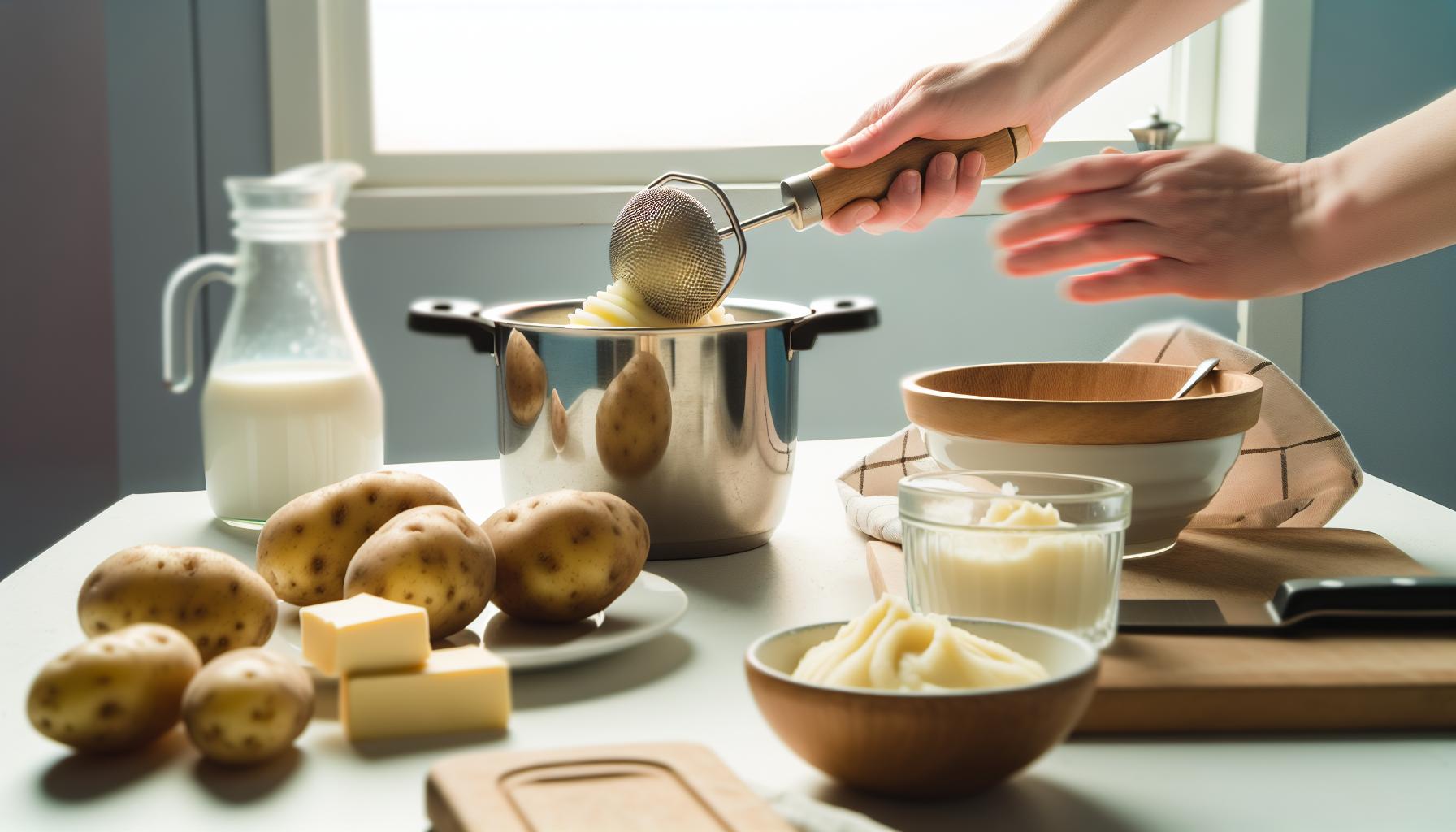
You know those mashed potatoes that just *nail* the creamy, dreamy texture without a single stubborn lump? There’s a little magic involved, but mostly it’s smart timing and gentle handling-tricks real home cooks swear by every holiday and weeknight. One seasoned cook I chatted with swears by a simple technique: always give your slow cooker a good 20-minute warm-up before adding your mash. “It’s like easing your potatoes into a cozy bath,” she laughs, explaining how this prevents the mash from shock-cooling and tightening up into lumps before it gets comfy.
Stir, Stir, Stir-But Gently!
A frequent trap is letting mashed potatoes sit too long without a gentle stir. Several kitchen veterans reccommend a careful mix every 30-45 minutes if you’re holding your mash for hours. The goal? Keep heat and moisture evenly distributed so nothing sticks or clumps at the edges. Pro tip: use a silicone spatula or a wide wooden spoon to fold the mash rather than a vigorous whisk, which can activate starches and cause glue-like texture. If things start looking a bit too thick or sticky, a quick splash of warm broth or your favorite dairy-free milk (think almond or coconut) goes a long way to loosen things up.
Your Tools Matter More Than You Think
Another clever hack: pick the right slow cooker insert and stirring utensil.Non-stick ceramic inserts reign supreme here-less sticking, less scorching. As for stirring tools, many home cooks dodge the temptation of metal spoons, which risk scraping the insert. Instead, a soft silicone spoon not only protects your slow cooker but scoops smoothly without pulverizing your potatoes into mush. This combination goes a long way toward keeping your mash luscious, whether it’s classic russets or paleo-friendly blends like cauliflower puree.
- Prewarm the slow cooker while you mash to avoid temperature shock.
- Stir gently every half hour to maintain texture and prevent dry edges.
- Use a splash of warm liquid to refresh thickened mash mid-hold.
- Choose ceramic inserts and silicone spoons for the best non-stick combo.
The Ingredient Swaps That Work Wonders
For gluten-free and paleo enthusiasts juggling dietary needs, home cooks suggest swapping out traditional butter and cream for ghee and coconut cream.these fat sources stay smooth longer at warming temperatures and avoid separating or curdling in the slow cooker. Cauliflower buffs rave about adding a pinch of nutritional yeast or a hint of garlic powder to mimic the richness of dairy-based mash-plus, it keeps things silky when held warm.In my own chaotic kitchen experiments, I’ve found that embracing these little tweaks stops the dreaded lump formation and keeps mashed potatoes tasting just like they came straight off the stove. The key is treating your slow cooker as more than just a warming vessel-think of it as a gentle sous-chef that deserves a bit of thoughtful prep and care. with these hacks, your mashed potatoes will be the unsung hero, fluffy and luscious from start to finish, no matter how long they stay cozy and warm.
—
For more inspiration on slow cooker mashed potatoes that stay creamy and smooth, check out these detailed recipes and tips: southern Living’s easy slow cooker method [[1]](https://www.southernliving.com/slow-cooker-mashed-potatoes-11832542), Simply Recipes’ no-fuss guide [[2]](https://www.simplyrecipes.com/recipes/slow_cooker_mashed_potatoes/), or a garlic-parmesan twist from Amindfullmom[[[[[3]](https://amindfullmom.com/parmesan-garlic-slow-cooker-mashed-potatoes/). Each of these embodies ways to keep your mash lump-free and luscious without stress!
Faq
Q: How can I prevent mashed potatoes from drying out while keeping them warm in a slow cooker?
A: To prevent mashed potatoes from drying out in a slow cooker, add a splash of warm milk or cream every 30-45 minutes and stir gently. This keeps the moisture locked in without risking lumps. Using a slow cooker liner or non-stick spray can also help maintain the creamy texture. Check our section on adjusting consistency when mashed potatoes thicken for more tips.Q: What’s the best way to reheat cold mashed potatoes in a slow cooker without creating lumps?
A: Reheat cold mashed potatoes in a slow cooker by warming on low heat, stirring gently every 10-15 minutes. Add a bit of dairy like cream or butter to keep the texture smooth. Avoid high heat, which causes lumps.Our step-by-step guide on preparing lump-free mashed potatoes includes useful reheating tricks to try.
Q: How often should I stir mashed potatoes in a slow cooker to keep them lump free?
A: Stir mashed potatoes in the slow cooker every 20 to 30 minutes with a silicone spatula or whisk to prevent lumps and sticking. Frequent gentle stirring incorporates moisture evenly and keeps the potatoes fluffy. See our top tips for stirring and maintaining smooth texture for personalized stirring techniques.
Q: Can I add extra ingredients like herbs or cheese to mashed potatoes in the slow cooker without causing lumps?
A: Yes, adding herbs, cheese, or spices is best done during the last 30 minutes on low heat to avoid clumping. Use fine, well-melted cheese and fresh herbs chopped finely to blend smoothly.Our smart ingredient substitutions section covers how to keep flavors vibrant without sacrificing smoothness.
Q: Why do lumps form in mashed potatoes when kept warm in a slow cooker, and how can I fix them?
A: Lumps form because of uneven heat or over-thickening as moisture evaporates. To fix lumps, whisk in a small amount of warm milk or liquid and stir vigorously. Lower the slow cooker to the ”keep warm” setting and stir often to maintain a lump-free texture.Learn more in the adjust consistency section.
Q: Is it better to prepare mashed potatoes fully before using a slow cooker or partially cook them first?
A: It’s best to prepare fully cooked mashed potatoes first, then transfer to the slow cooker on low or warm setting. This prevents overcooking and lumps. You can also adjust creaminess or thickness after transfer for perfect texture. Our timing tricks highlight when to switch to slow cooker holding.
Q: How do different slow cooker settings affect the texture of mashed potatoes?
A: The “keep warm” setting keeps mashed potatoes smooth and fluffy by gently maintaining heat, while higher heat can cause lumps and stickiness. Using low or warm modes minimizes moisture loss and prevents thickening. See our detailed slow cooker settings to prevent lumps for ideal temp control.
Q: What slow cooker accessories help maintain lump-free mashed potatoes all day?
A: Using a slow cooker liner, silicone stir sticks, or a non-stick insert reduces sticking and clumping. A small heat diffuser can also help spread temperature evenly. These accessories fit with our best slow cooker accessories to enhance texture and ease serving.
For more detailed methods and pro tips, don’t miss the full article sections on preventing lumps and adjusting consistency to enjoy your slow cooker mashed potatoes creamy and perfect all day long!
Future Outlook
Keeping your mashed potatoes lump-free and perfectly warm in a slow cooker doesn’t have to be a kitchen headache. With simple steps and a few handy tips-from stirring gently to choosing the right heat setting-you can serve creamy, smooth potatoes every time, whether you’re prepping for a family dinner or a holiday feast. Don’t let timing stress you out; mastering this technique means more time enjoying and less time fussing.
Ready to elevate your comfort food game? Check out our best gluten-free side dishes or explore how to make paleo-friendly mashed potatoes that everyone will love. If you’re curious about kitchen tools that help keep dishes warm without drying them out, our slow cooker and warming tray guide is a must-read. Feel free to share your own slow cooker hacks or ask questions below-we’re all about sharing real kitchen wins and fun tweaks!
Before you go, subscribe to our newsletter for more tested recipes, time-saving tips, and delicious food ideas that effortlessly blend comfort with smart cooking. Your next crowd-pleaser is just a click away, and remember: delicious mashed potatoes are easier than you think, no matter your dietary style or schedule!
Make SabriNasSinlessSecrets.com a Preferred SourceGet our latest guides, news, and insights highlighted in your Google Search & AI Overviews.
✓ Preferred Source Added
A: Stir mashed potatoes in the slow cooker every 20 to 30 minutes with a silicone spatula or whisk to prevent lumps and sticking. Frequent gentle stirring incorporates moisture evenly and keeps the potatoes fluffy. See our top tips for stirring and maintaining smooth texture for personalized stirring techniques.
A: Lumps form because of uneven heat or over-thickening as moisture evaporates. To fix lumps, whisk in a small amount of warm milk or liquid and stir vigorously. Lower the slow cooker to the ”keep warm” setting and stir often to maintain a lump-free texture.Learn more in the adjust consistency section.
A: It’s best to prepare fully cooked mashed potatoes first, then transfer to the slow cooker on low or warm setting. This prevents overcooking and lumps. You can also adjust creaminess or thickness after transfer for perfect texture. Our timing tricks highlight when to switch to slow cooker holding.
Get our latest guides, news, and insights highlighted in your Google Search & AI Overviews.


