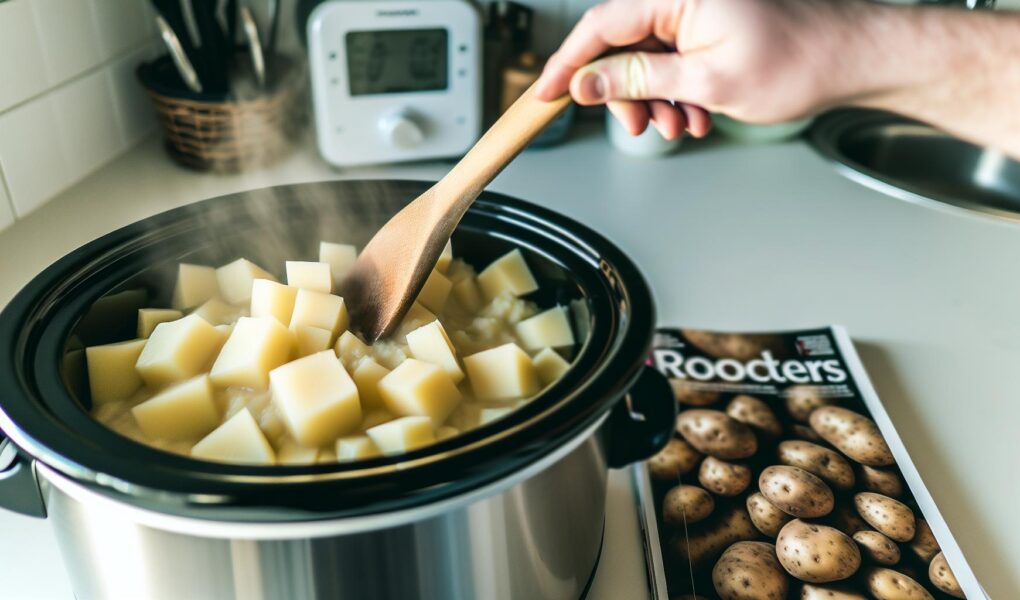
Did you know slow cookers can take the fuss out of making perfectly creamy mashed potatoes? Cooking cubed potatoes low and slow not only frees up your stovetop but also locks in flavor and moisture, making your mash extra smooth and satisfying.Whether you’re juggling busy weeknights or craving a cozy side dish that practically makes itself, knowing exactly how long to cook those cubed spuds in your slow cooker is a game-changer. In this guide, we’ll break down the ideal timing and simple tips so you can set it, forget it, and come back to fluffy, buttery mash every single time-no stress, no sogginess, just pure comfort food magic. Ready to turn your slow cooker into your kitchen’s new best friend? Let’s dive in and make mashed potatoes easier (and tastier) than ever.
Table of Contents
- How Long to Cook Cubed Potatoes in a Slow Cooker
- Choosing the Best Potato Varieties for Mash
- Prepping Cubed Potatoes for Even Cooking
- Step-by-Step Slow Cooker Cooking Times and Tips
- How to Test Potato Doneness Perfectly
- Secrets to Creamy, fluffy Slow Cooker Mashed Potatoes
- Best ingredients to elevate Slow Cooker Mash
- Easy Ingredient Substitutions for Dietary Needs
- Common Mistakes to Avoid When Slow Cooking Potatoes
- How to Finish and Serve the Perfect Slow Cooker Mash
- Bonus: Flavor Variations to Spice up Your Mash
- Q&A
- Q: How can I speed up cooking cubed potatoes in a slow cooker for mashed potatoes?
- Q: What is the ideal slow cooker temperature for creamy mashed potatoes?
- Q: Why do my slow cooker mashed potatoes become watery and how to avoid it?
- Q: How do I know when slow cooker cubed potatoes are perfectly cooked for mashing?
- Q: Can I cook cubed potatoes in a slow cooker with the lid off for faster cooking?
- Q: Is it better to add liquid when slow cooking cubed potatoes for mashed potatoes?
- Q: How long should frozen cubed potatoes cook in a slow cooker for mash?
- Q: Can I cook other root vegetables with cubed potatoes in the slow cooker for mash?
- Closing Remarks
How Long to Cook Cubed Potatoes in a Slow Cooker
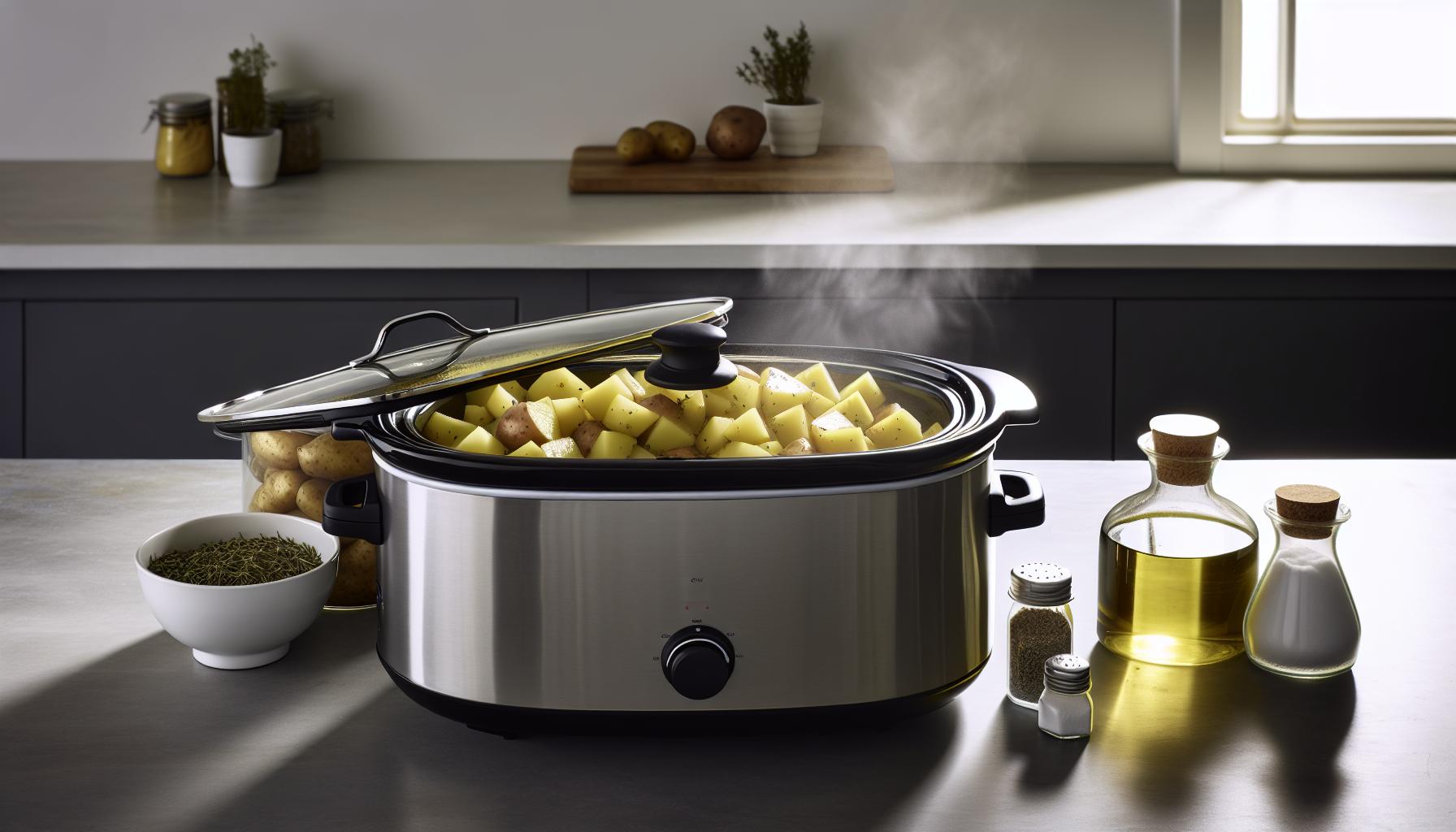
It’s almost magical how a slow cooker transforms humble cubed potatoes into meltingly tender morsels ready to be mashed into creamy comfort food. But timing is everything here,since undercooked potatoes leave you with a distressing crunch,and overcooked ones turn to a mushy blur too early. luckily,with a bit of hands-off slow cooker magic and smart timing,you can nail that perfect fork-tender texture every time.
Typically, cubed potatoes take about 3 to 4 hours on low heat or around 1.5 to 2 hours on high in a slow cooker to become tender enough for mashing. These times aren’t carved in stone though – factors like the size of your potato cubes, the variety of potato you choose, and even the make and model of your slow cooker can tweak cooking times by 15 to 30 minutes. I like to cut my potatoes into uniform 1-inch cubes to make sure they cook evenly and predictably. If your cubes are larger, expect to add more time; smaller cubes cook faster but beware of them dissolving into a stew if left too long.
Helpful tips for predictable Slow Cooker Timing
- Start checking for doneness around the 3-hour mark on low heat. Give the potatoes a gentle poke with a fork or knife. If it slides in easily without resistance, you’re golden!
- Keep the lid ON during cooking. Lifting the lid releases steam and can throw your timing off by a good 15-20 minutes,so resist the urge to peek unless you’re close to the finish line.
- Double the batch? Expect to add 30-45 minutes of cooking time if your slow cooker is more than half full, since everything heats up slower.
- Don’t forget a splash of liquid. Adding a splash of broth,cream,or even water helps the potatoes steam gently,preventing drying out and uneven cooking.
For those busy days when you throw all your ingredients in the slow cooker in the morning, it’s reassuring to know the potatoes will be ready and perfectly tender by dinner time without any babysitting. Just set your slow cooker on low and let it work its charm – you might even find your kitchen smelling like home in a way that makes everyone cozy up at the table faster.whether you’re paleo, gluten-free, or simply a mash enthusiast craving that velvety texture, mastering the slow cooker timing for cubed potatoes is the first key step. From there, creaminess, seasoning, and flair are just a mash away!
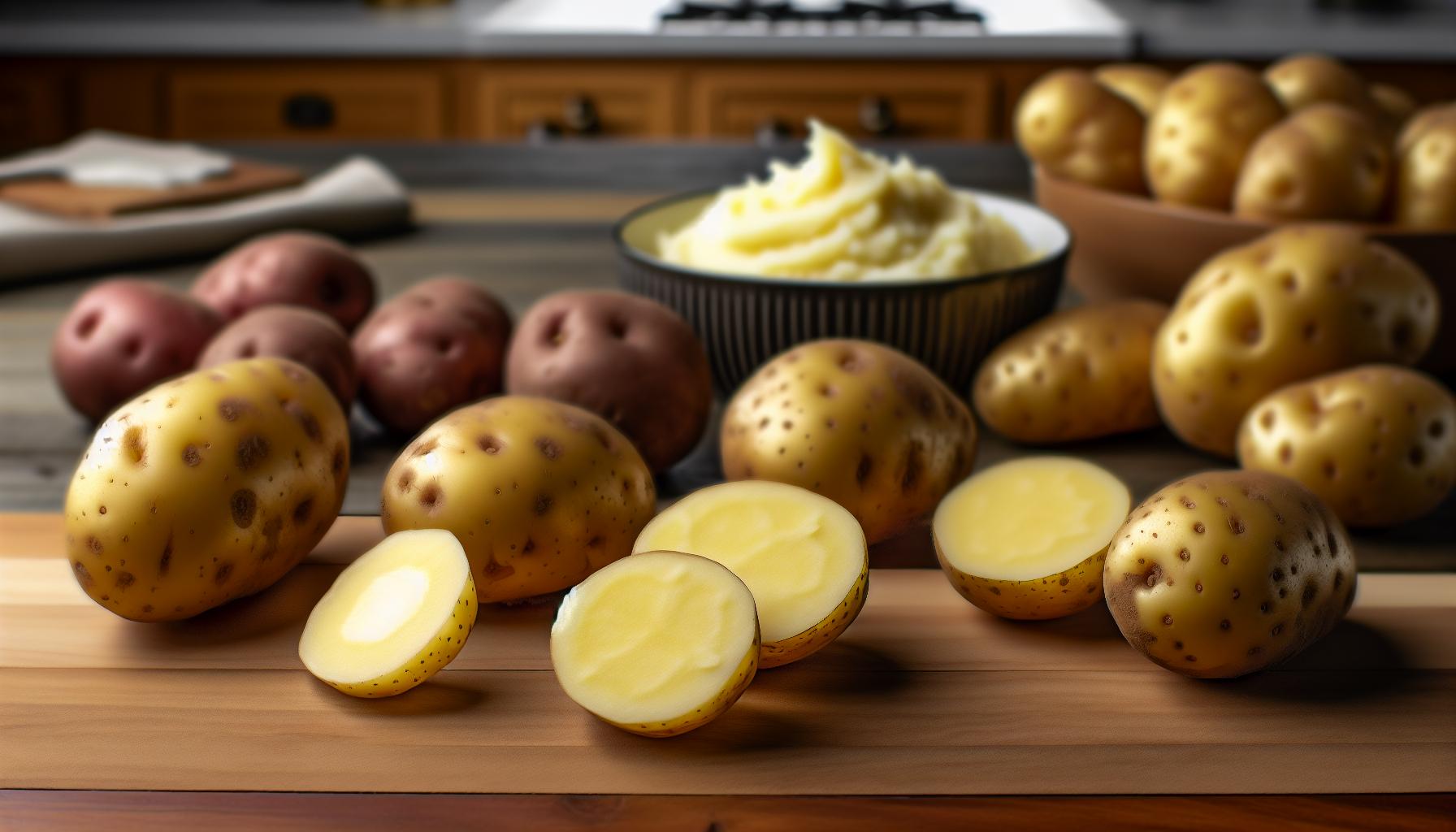
| Potato Variety | Texture After Cooking | Best For | Typical Cook Time in Slow Cooker |
|---|---|---|---|
| Russet | fluffy and dry | Classic creamy mashed potatoes, fluffy texture | 3-4 hrs on low |
| Yukon Gold | Creamy, buttery, slightly denser | Rich mash with natural buttery flavor | 3-4 hrs on low |
| Red Potato | Waxy and moist | Chunky mash or potato salad style | 4-5 hrs on low (may need extra time) |
Choosing the best potato for your mash also depends a bit on your dietary preferences and the role potatoes play in your meal. For paleo-pleasant mashes, sticking to plain, whole potatoes without additives ensures a clean dish where the natural creaminess shines. Gluten-free? You’re already safe with any potato, but adding gluten-free toppings like dairy-free cream or coconut milk can enhance flavors without compromising your diet.Personally, I love mixing Yukon Golds with russets for a combo that’s both creamy and fluffy-think of it as the dynamic duo of mash that covers all texture bases.
Cooking potatoes in a slow cooker is wonderfully forgiving, but variance in potato size, freshness, and variety means staying flexible is key. And hey, if you make a “mistake” and your mash ends up a bit too dense or too soft, that’s just a tasty opportunity to experiment with mix-ins like roasted garlic, fresh herbs, or nutritional yeast. Grab your favorite spuds, cut them evenly, and let the slow cooker work its magic-the right potato choice is your secret weapon to perfect mash every time.
Prepping Cubed Potatoes for Even Cooking
Potatoes can be a bit like divas in the kitchen-if they’re not treated just right,your mash might end up uneven or,worse,lumpy. The secret to perfect, evenly cooked slow cooker mashed potatoes often starts well before they hit the crockpot: thoughtful prepping of your potato cubes. Getting them all about the same size is step one, because uneven chunks mean some might be mushy while others stay stubbornly firm. Aim for cubes roughly 1 to 1.5 inches on each side-large enough to hold up during cooking but small enough to soften through without hours of waiting.
Beyond size, rinsing your cubed potatoes under cold water removes excess surface starch that can gum up the works and turn your mash gluey. This also helps the potatoes cook more uniformly, especially when you’re mixing starchy russets with creamier Yukon Golds. Leaving the skin on is an easy way to sneak in extra nutrients and textures, particularly if you’re using waxy varieties like red potatoes. Just make sure to scrub them well! tossing the cubes gently with oil or a light dusting of salt pre-cooking isn’t a must, but it can deepen flavors and encourage even heat distribution-sort of like giving your potatoes a cozy little spa day before the marathon cooking session.
Pro Tips for Hassle-Free Prep
- Uniform cubes matter: grab a sharp knife and steady your cutting board to chop confidently and safely. If your kids love to help in the kitchen,this can be a fun slice-n-dice lesson with supervision!
- Rinse and dry: after rinsing,pat the potatoes dry with a tea towel or paper towel. Too much moisture can dilute seasoning or slow cooking.
- Pre-soak for softer mash: if time allows, soak the cubed potatoes in cold water for 15-30 minutes before cooking; it pulls out some starch and leads to creamier results.
- Don’t overcrowd the slow cooker: potatoes like a little breathing room. If you pack them too tight, they might steam unevenly.
Getting your cubes prepped right saves so much time and frustration later, especially on busy weeknights when the slow cooker is your best friend. Trust me, with even chunks and just a tad of extra care upfront, your slow cooker will do the heavy lifting and deliver mash that’s dreamy, scoopable, and worthy of seconds (and thirds!). Whether you’re paleo, gluten-free, or just craving simple comfort food, these prep steps set you up for flavorful success without stress.
Step-by-Step Slow Cooker Cooking Times and Tips
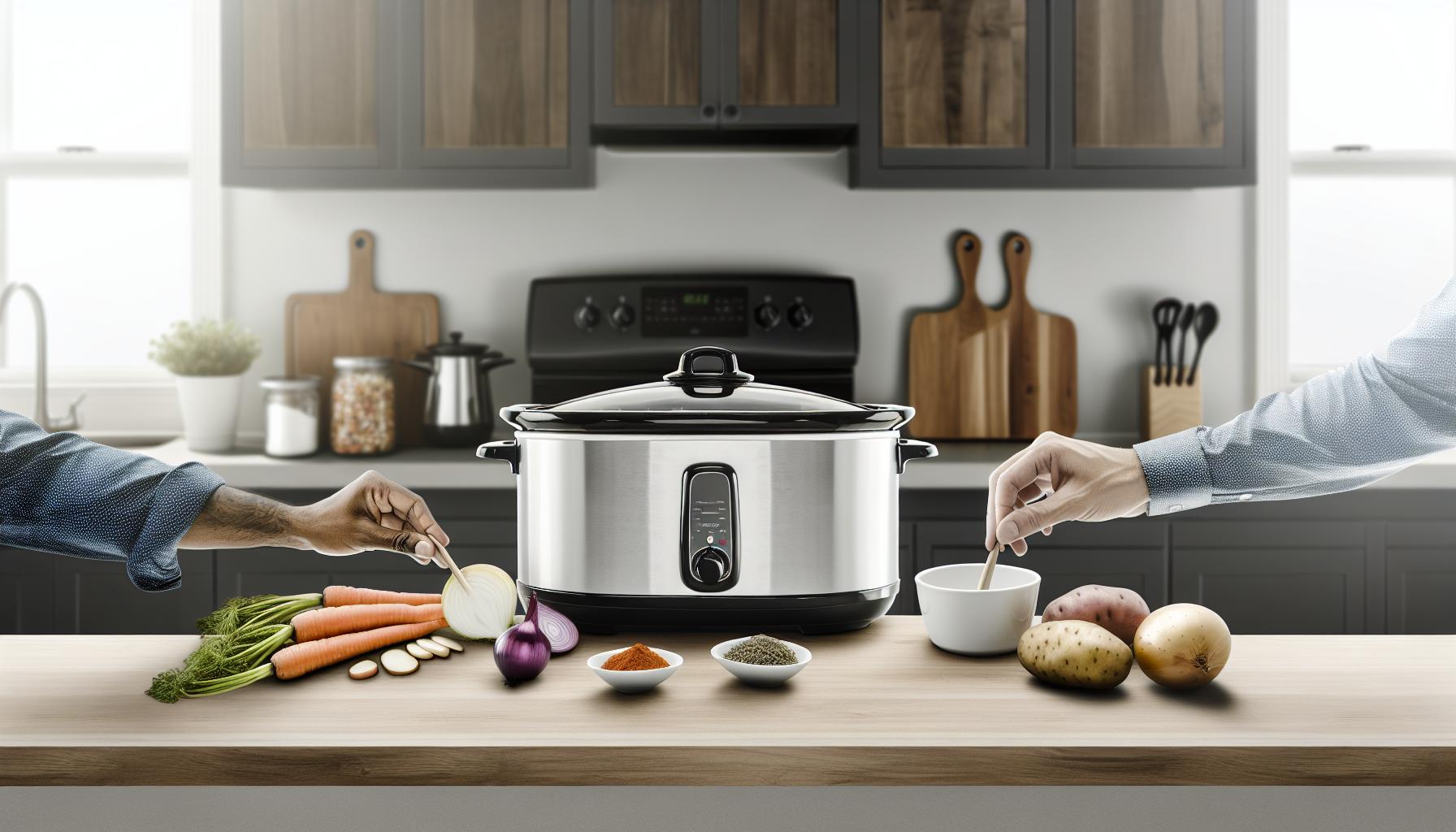
Potatoes may be humble, but getting their slow cooker timing just right is an art that pays off in a bowl of perfectly tender, fluffy mash. When cubed thoughtfully (about 1 to 1.5 inches per side), potatoes transform beautifully after slow cooking, absorbing flavors while softening gently without falling apart. From my experience, the sweet spot for cubed potatoes in a slow cooker usually hovers between 2 to 4 hours on the medium setting, but a few patient tweaks will help you nail it every time.
Start by placing your evenly cubed potatoes in the slow cooker with just enough liquid to help them steam rather than swim-think low-sodium chicken broth, veggie stock, or even water with a pinch of salt. For a standard 5-quart slow cooker, cooking cubed potatoes on medium for roughly 2 ½ hours typically gets them fork-tender and mash-ready without a hitch[[[1]](https://grandbaby-cakes.com/slow-cooker-mashed-potatoes/). If you’re short on time or prefer a quicker finish, grinding the process down to 1 ½ to 2 hours on high can work but keep an eye on texture to avoid mushy patches.
- Check early and often: Start poking at the potatoes with a fork around the 2-hour mark-it’s your best way to avoid overcooking and ending with gluey mash.
- Stir gently midway: A quick stir halfway through cooking redistributes heat and helps companion cubes cook evenly without creating those frustrating firm centers.
- Don’t overcrowd the pot: cubes need space to cook through uniformly; crowd your slow cooker, and you may end up juggling undercooked pieces in the mix.
If you’re aiming for a one-pot win, toss in your potatoes with aromatics like garlic cloves or fresh herbs at the start to elevate flavor during cooking. Plus,consider that diced Yukon Golds tend to soften more quickly than starchy Russets,so adjust timing accordingly. As an example, Russets may need closer to 3 hours on medium, while Yukon Golds might be perfect closer to 2 hours and 15 minutes.A handy rule of thumb: the smaller the cubes, the faster they cook-but don’t cut too small or you risk a gluey mash!
| Potato Type | Cube Size | Cooking Time (Medium Setting) |
|---|---|---|
| Russet | 1 to 1.5 inches | 2.5 to 3 hours |
| Yukon Gold | 1 to 1.5 inches | 2 to 2.25 hours |
| red potatoes (waxy) | 1 to 1.5 inches | 2 to 2.5 hours |
Lastly, patience is your best friend. Slow cooking is about gentle heat and timing, not rushing.Once fork-tender, drain gently, add your favorite mix-ins, and mash away with confidence. If your mash needs to wait a bit, simply switch the slow cooker to the “warm” setting-no need to worry about drying out or overcooking. Trust me, once you discover this timing rhythm, your slow cooker mashed potatoes will become the easiest, creamiest weeknight sidekick.
For extra fun and flavor, consider tossing in dairy or dairy-free options after cooking, like butter, cream, or coconut milk, to upgrade your mash texture without fuss. And remember-every slow cooker is a little different, so keep notes on your specific model’s quirks to perfect your timing magic. Happy mashing!
How to Test Potato Doneness Perfectly

There’s nothing quite like that satisfying moment when you poke your cubed potatoes in the slow cooker and they give way with just the right amount of softness-not mush, not crunch. Knowing exactly when your potatoes are perfectly cooked can save you from a gluey mess or frustrating lumps in your mash. Testing doneness is less about a strict timer and more about trusting your fork and your instincts as your trusty sidekicks in the kitchen.
fork-Test Like a Pro
The simplest and most foolproof way to check is with a fork or a small paring knife. Gently pierce a few cubes in different spots-not just on top, mind you, but around the sides and bottom too. If the fork slides in easily with almost no resistance,you’ve hit potato gold. If you still feel firmness or a raw crunch, give them a little more slow-cooker love. Remember, slow cookers can have hot spots, so testing multiple cubes ensures evenness-no one wants a surprise raw bite or a few mushy chunks overshadowing the rest!
What “Done” Really Feels Like
When potatoes are ready for mashing, they should feel tender enough to break apart with a gentle squeeze between your fingers or the fork’s prongs. But here’s the trick: they shouldn’t disintegrate on contact.Overcooked cubes turn more like glue and can make your mash sticky and gummy rather than fluffy and smooth. If you’re cooking without liquid (like roasting in the slow cooker), the risk of drying out increases, so keep an eye on their moisture level as well. A little steam in the slow cooker means the potatoes soften beautifully without drying or sticking.
Timing Your Checks
if your slow cooker is on medium,start your first doneness test at about the 2-hour mark,especially for Yukon Golds or red potatoes,which tend to soften faster. For denser Russets, waiting closer to 2¾ hours might be wiser. Keep your tests gentle and patient-lifting the lid too frequently enough can drop the temperature and slow cooking-so try to peek and poke just when you’d expect them to be nearly tender. When you’re just shy of done,resist the urge to mash immediately; a few more minutes in the cozy cooker will let residual heat finish the job evenly.
- Pro tip: If you want to test but avoid losing heat, use a skewer or long fork to reach inside quickly rather than opening the lid fully.
- Visual cue: Tender potatoes often appear slightly translucent at the edges and have a slight sheen from steam.
Trust me, once you get the hang of the fork test with your slow cooker’s quirks, you’ll be tossing perfectly tender potatoes into your mash with confidence every time. It’s a small step that makes a big difference to that creamy, dreamy texture we all crave. Happy poking-and mashing!
Secrets to Creamy, fluffy Slow Cooker Mashed Potatoes
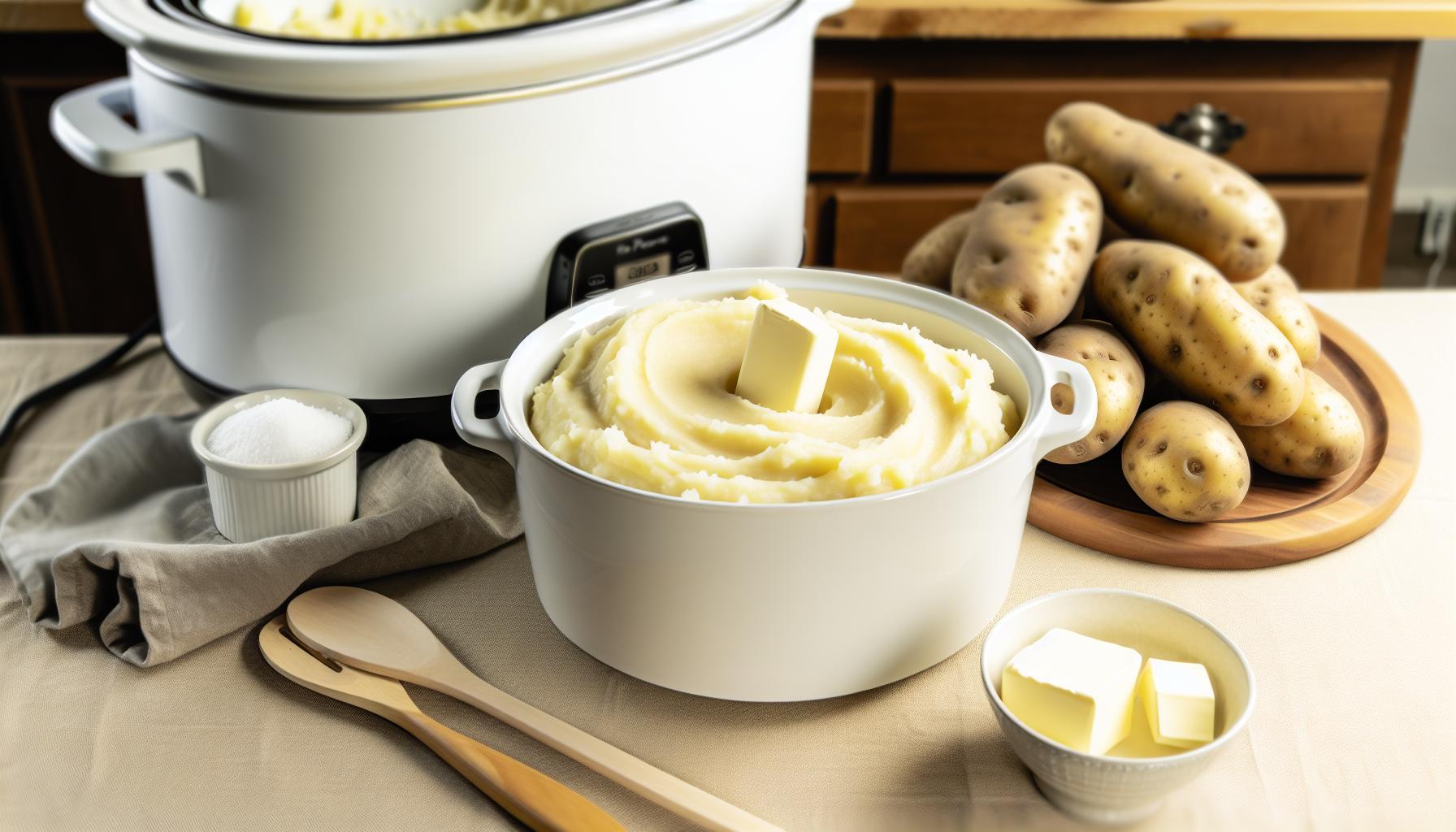
There’s a little kitchen magic behind getting mashed potatoes *just* right in a slow cooker-creamy, fluffy, and never gluey or gummy. The secret is balancing gentle cooking with the right post-cook mash method, combined with ingredients that elevate texture without weighing things down.slow cookers, with their steady low heat, coax out amazing softness in cubed potatoes, but how you finish them matters just as much as how long they cook.
One of my favorite tricks to keep things light and airy is to mash the potatoes while they’re still warm but not piping hot-this prevents starch glue from forming. Using a potato masher works well, but if you can, try a ricer or food mill for that ultra-fluffy finish. Resist the urge to use a blender or mixer here; those speedy gadgets can overwork the potatoes and release too much starch, turning fluffy dreams into sticky nightmares. A bit of patience with manual mashing pays off big time.
Moisture and Fats: The Creamy Dream Team
Don’t underestimate the power of the right dairy or dairy-free swap. Slowly warming your milk, cream, or non-dairy alternative (think almond or oat milk for a paleo-friendly version) before adding it helps the potatoes absorb moisture smoothly without sudden temperature shocks. Butter, whether real or a ghee alternative, contributes rich silkiness and acts as a flavor booster. Add these ingredients incrementally-start with a small splash and add more only as needed to avoid soupy potatoes.
A pinch of salt enhances flavor but also impacts texture by breaking down potato cells gently, aiding softness. If you’re watching dairy or fat content, try blending in roasted garlic or caramelized onions for moisture and bold flavor, which can let you back off a touch on butter or cream.
Simple, Practical Tips from the Slow Cooker Trenches
- Don’t overcook: Even in a slow cooker, timing is key. Slightly undercooked potatoes finish cooking in the residual heat as you mash, preventing gummy textures.
- Drain well: If you add liquid during cooking, drain excess water so your mash isn’t watery-slow cookers can trap steam that softens but also waters down flavor.
- Warm your mix-ins: Butter, cream, and even herbs taste best and blend more smoothly when warm.
- Mix-ins to consider: For paleo or gluten-free variations, coconut cream adds lusciousness, and fresh herbs like chives or rosemary add brightness without calories or carbs.
In my experience, treating mashed potatoes with a little respect after slow cooking pays off every time. The slow cooker does the hard work of breaking down starches gently over a few hours,but that last bit of loving care-gentle mashing,incremental fat and liquid,plus patient seasoning-turns simple cooked cubes into the cloud-like texture everyone secretly craves. Your slow cooker is your new best friend for mash day, especially when paired with these creamy, fluffy finishing secrets. Enjoy the process-and the appetizing results!
For more on slow cooker cooking times or ingredient tweaks, check out solid slow cooker mashed potato recipes that highlight these techniques[[[1]](https://www.reddit.com/r/slowcooking/comments/17zosbn/slow_cooker_mashed_potatoes/) [[2]](https://www.delish.com/cooking/recipe-ideas/a45460536/slow-cooker-mashed-potatoes-recipe/) [[3]](https://www.thekitchn.com/how-to-make-mashed-potatoes-in-the-slow-cooker-cooking-lessons-from-the-kitchn-212550).
Best ingredients to elevate Slow Cooker Mash
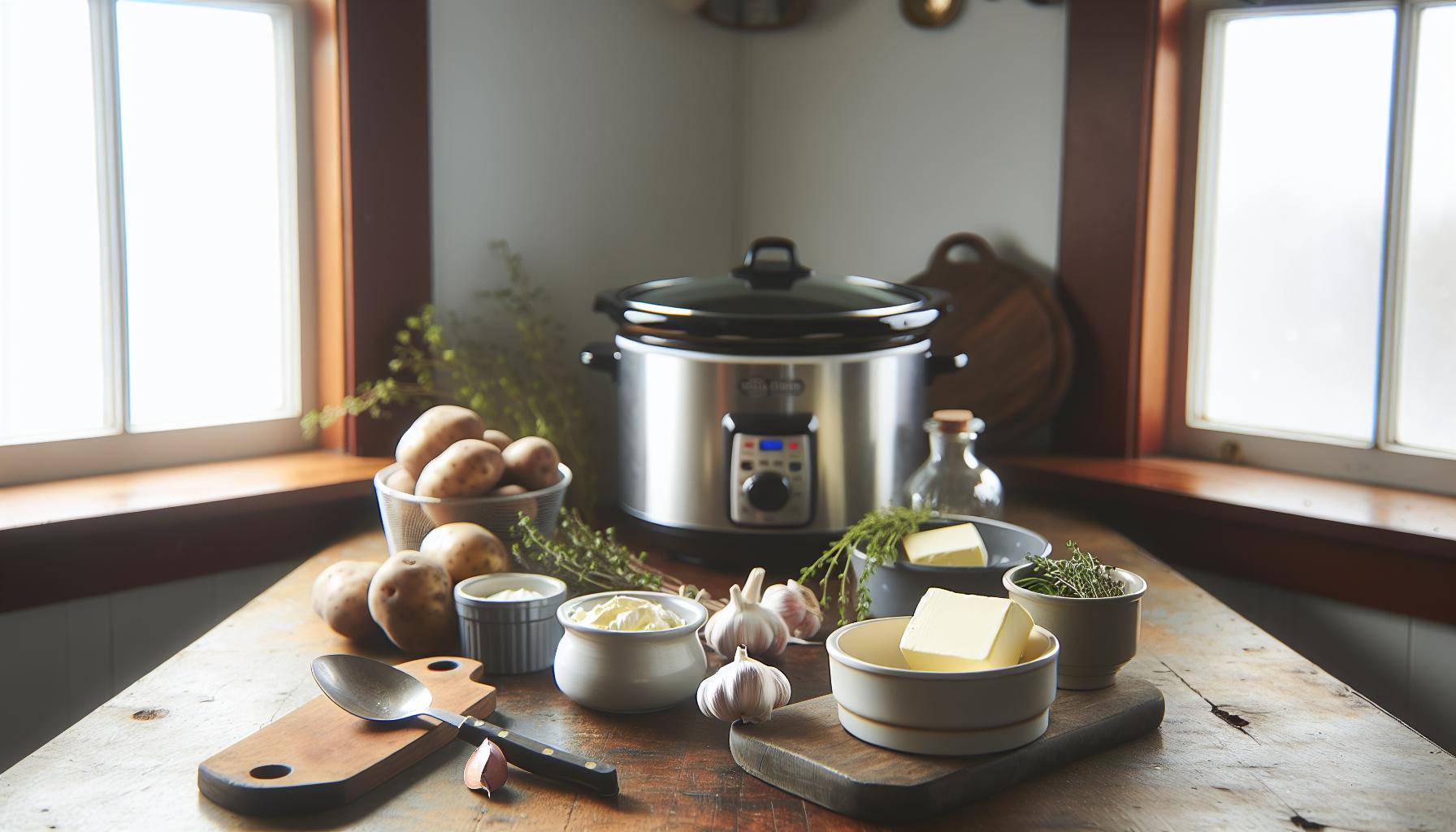
When it comes to turning perfectly slow-cooked potatoes into a mash that wows, the magic often lies in the ingredients you add after cooking. These additions don’t just bring flavor-they transform texture, moisture, and richness while keeping the mash light and fluffy. Whether you’re aiming for traditional comfort or following paleo and gluten-free guidelines, there’s a friendly arsenal of ingredients ready to elevate your mash without complication. I’ve found that the right fats and liquids make a world of difference, so let’s dive into some favorites that will have your taste buds singing and your slow cooker giving you a well-deserved high five.
Butter and cream are classic,for good reason. adding warm butter melts right into the potatoes for silky smoothness, while cream or milk helps loosen the mash just enough. if you’re watching dairy, swapping in ghee (a lactose-free butter alternative) or coconut cream brings creaminess and richness without the heaviness. I personally warm these liquids gently before folding them in; sudden cold can shock the potatoes and make the mash gluey, which is like turning your fluffy cloud into a heavy pancake-no thanks! A quick tip from my kitchen: add butter and liquids in small increments and stop as soon as you hit the texture you want. This way, you avoid that dreaded runny or sticky mess.
Flavor boosters That Do More Than Taste Good
Beyond fats, subtle add-ins bring unexpected depth and brighten the mash without extra calories or carbs. Roasted garlic or caramelized onions are my go-tos, adding a mellow sweetness and a touch of umami that makes each bite more complex but never fussy. Fresh herbs like chives, rosemary, or thyme sprinkle in freshness and a pop of color-plus they’re fantastic for paleo and gluten-free diets.A pinch of salt isn’t just about seasoning; it actually helps break down the potato fibers for that tender texture everyone loves. And if you like a little zing, a splash of lemon juice or a dash of smoked paprika can turn simple mash into a showstopper.
Quick Reference: Ingredient Swaps for Every Lifestyle
| Traditional Ingredient | paleo-Friendly/GF Substitution | Why it effectively works |
|---|---|---|
| Butter | Ghee or Coconut Oil | Lactose-free fat that adds richness and smoothness |
| Milk or Cream | Unsweetened Almond, Oat, or Coconut Milk/cream | Keeps mash creamy without dairy, maintains moisture |
| Garlic (fresh or powder) | Roasted Garlic or Garlic-Infused Oil | Mellow flavor, adds umami with less harshness |
| Onions | Caramelized Onions or Shallots | Sweetness and depth without extra carbs |
| Cheese | Nutritional Yeast or Dairy-Free Cheese | Cheesy notes without dairy or allergens |
Don’t shy away from experimenting with these ingredients-sometimes the best mashed potato moments come from unexpected combos and a sprinkle of kitchen creativity. My slow cooker mash is rarely the same twice, but it’s always creamy, dreamy, and ready to please a crowd or a quiet night in.Think of these ingredient choices as your toolkit-easy to swap, friendly to diets, and sure to give your slow-cooked potatoes that perfect finishing touch.
Easy Ingredient Substitutions for Dietary Needs
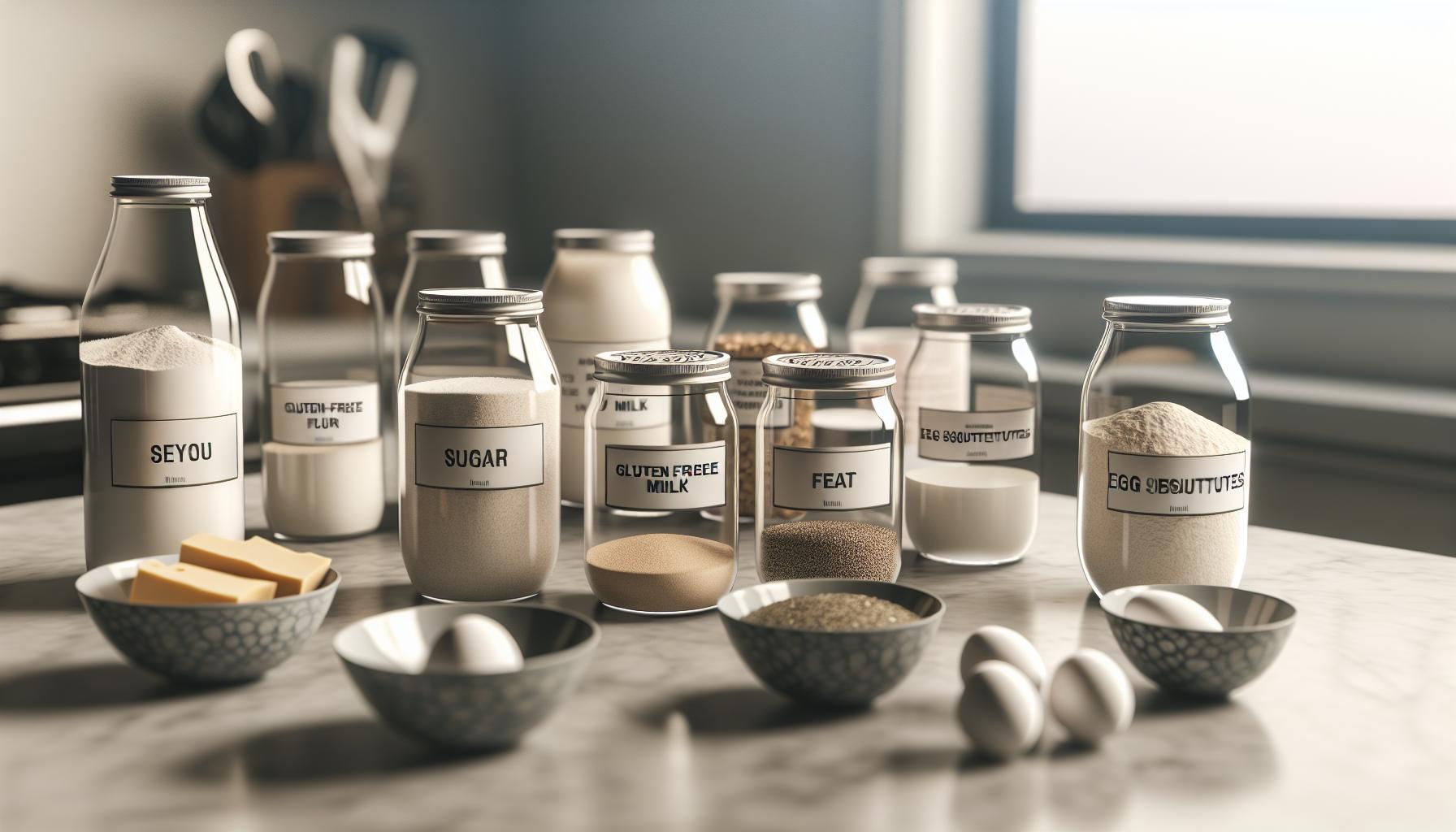
You know what’s great about mashed potatoes? They’re incredibly forgiving and easy to customize, especially when it comes to dietary tweaks. Whether you’re navigating dairy sensitivities, paleo preferences, or gluten-free lifestyles, there’s a surprisingly simple toolkit of ingredient swaps that can keep your slow cooker mash creamy, dreamy, and totally satisfying-no compromises on flavor or texture.
When aiming for a dairy-free or paleo-friendly mash, ghee is a shining star. It’s clarified butter, so the lactose is removed, making it gentle on sensitive tummies while keeping that rich, buttery essence. Coconut oil or coconut cream also step in beautifully, lending a subtle tropical creaminess that’s perfect for people avoiding dairy. warm these before stirring in-cold fats can shut down the silkiness you’re after, turning your mash gummy (and nobody wants that!). For liquids, unsweetened almond milk, oat milk, or coconut milk creamers work wonders. They hydrate the potatoes just right without watering down the flavor or texture.
but what about flavor boosters? The usual suspects like garlic and onions aren’t off-limits just because you’re skipping dairy or gluten. Instead of raw garlic or powder (which can sometimes add a harsh bite), try roasted garlic or garlic-infused oils-they bring mellow, sweet umami that elevates every forkful. Caramelized onions or shallots add a natural sweetness that deepens the flavor profile without extra carbs or allergens. Fresh herbs like chives, rosemary, or thyme add a shining finish and look fantastic on the plate, plus they’re naturally paleo and gluten-free.
Substitution Essentials: Your Easy Swap Guide
| Traditional Ingredient | Paleo-Friendly / Gluten-Free Swap | Why It Works |
|---|---|---|
| Butter | Ghee or Coconut Oil | Lactose-free fat that melts into creamy richness |
| Milk or cream | Unsweetened Almond, Oat, or coconut milk/Cream | Adds moisture and creamy texture without dairy |
| Garlic (fresh or powder) | Roasted Garlic or Garlic-Infused Oil | Mellow flavor and deep umami without harshness |
| Onions | Caramelized Onions or Shallots | Natural sweetness and depth, allergy-friendly |
| Cheese | Nutritional Yeast or Dairy-Free Cheese | Cheesy notes, boosts flavor without dairy |
Speaking from my own kitchen escapades, I’ve found the key to adapting mashed potatoes to special diets is all about layering simple swaps-no need for complicated ingredient quests. start with your favorite slow cooker-braised potatoes cooked until just tender (usually 4-5 hours on low when cubed), then introduce these friendly substitutes gradually. Don’t overload on liquids or fats at once-add in little by little, taste as you go, and watch how easily your mash comes together with the creaminess, flavor, and fluffy texture everyone loves.
Remember,these ingredient swaps don’t just “work around” dietary needs-they bring their own unique charm to the bowl. So whether you’re entertaining guests with varied diets or simply curious about a new twist, these swaps turn your slow cooker mash into a crowd-pleaser that feels thoughtful, inclusive, and downright delicious. The ultimate goal? That cozy, comforting spoonful of mashed potato joy everyone deserves.
Common Mistakes to Avoid When Slow Cooking Potatoes
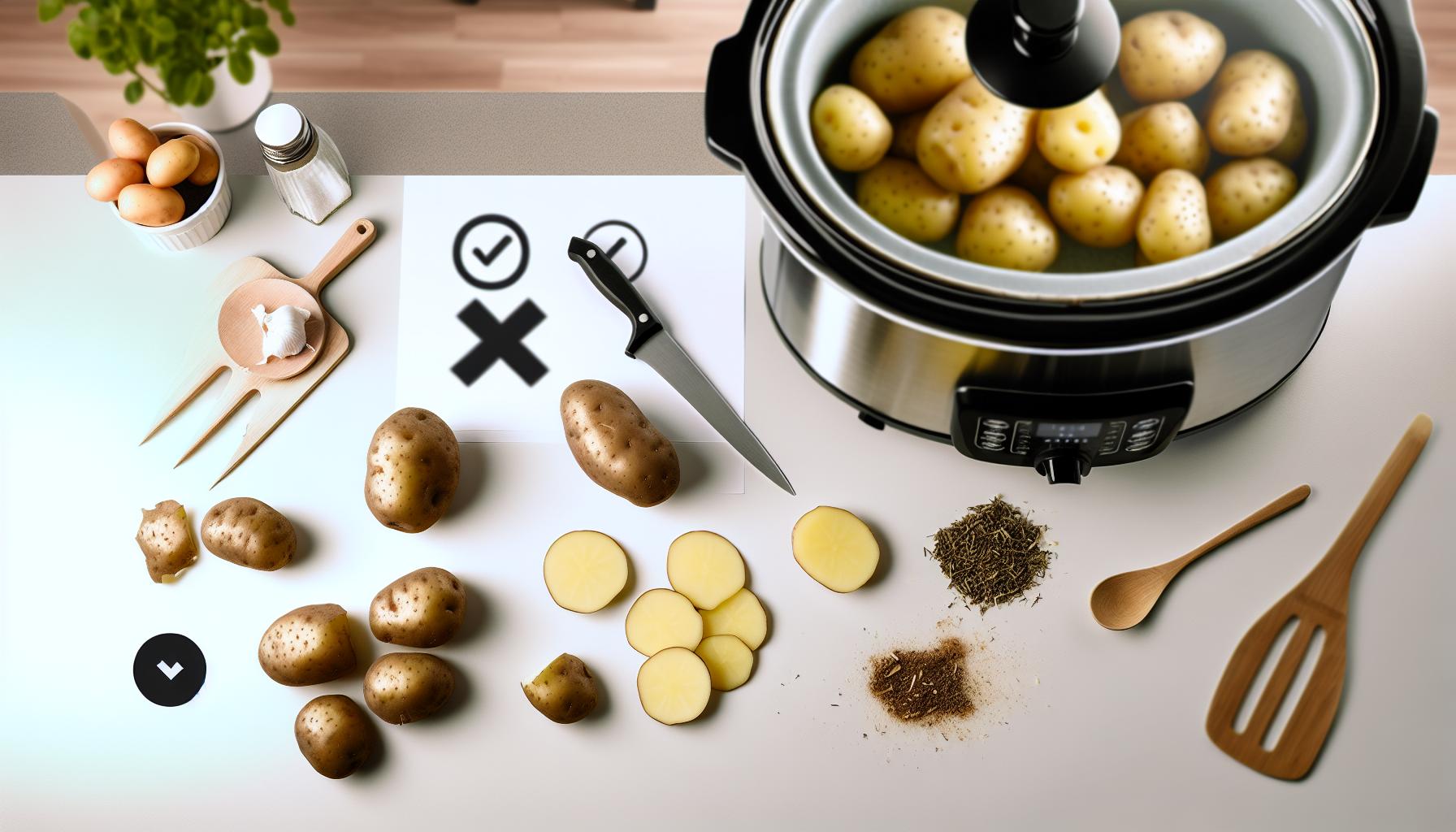
cooking cubed potatoes in a slow cooker for mash sounds straightforward, but little missteps can throw off the texture or flavor, turning your creamy dream into a gummy or bland blob. The beauty of slow cooker mashed potatoes lies in their forgiving nature, yet even forgiving recipes have their pitfalls if you’re not careful. From my kitchen experiments and plenty of “oops” moments, here are some common pitfalls to sidestep to ensure your slow cooker mashed potatoes come out fluffy, flavorful, and just right every time.
One of the cardinal sins is overloading the slow cooker with unevenly sized potato chunks. Smaller cubes tend to cook faster, so if your pieces range from tiny dice to hefty cubes, you’re setting yourself up for a mixed bag of mushy bits and stubbornly firm chunks.aim for uniformity-about 1 to 1.5-inch cubes work beautifully to cook evenly within that typical 4-5 hour low setting. Also, don’t rush the cooking process by cranking the heat up higher than recommended.Potatoes need a gentle, steady cook to break down properly without becoming gluey. I’ve tried bumping up to high thinking it would speed things along; the result? Less creamy and more “sticky clump” than luxurious mash.
Another frequent hiccup is adding too much liquid at the start. Slow cookers lock in moisture, so a splash or two of stock, milk, or milk alternatives is fine-but an ocean of liquid drowns the potatoes, leaving you with watery mash that never thickens properly. I like to hold off on adding any dairy or dairy substitutes until the potatoes are tender and mashed as it’s easier to adjust moisture little by little at the end rather than trying to fix a soupy mess. Plus, as your friendly paleo and gluten-free kitchen explorer knows, warming fats like ghee or coconut oil slightly before blending them in prevents that dreaded gummy texture that cold fats cause.
- Skipping the salt in cooking water: Even if you’re aiming for dietary swaps later, salting the water where your potatoes cook is crucial to build flavor from the inside out.
- Ignoring potato variety: Waxy potatoes like red or new potatoes can turn gummy. stick to starchy or all-purpose potatoes such as Russets or Yukon Golds for the fluffiest mash.
- Over-mashing: Resist the urge to blitz your potatoes in a food processor or overwork with a mixer; this wakes up the starch and creates gluey glue.
Real Talk: Slow Cooker Mash Reality Check
Not every slow cooker and potato batch behaves the same, so it helps to peek and poke (gently!) around the 4-hour mark. If your potatoes still feel firm as heck, give them another 30-60 minutes rather than throwing in the towel or running to the stovetop. The slow cooker is your patient friend, not a microwave. And if you find yourself battling with doneness or texture, sometimes the secret is simply trusting the rhythm: slow and steady wins the dreamily fluffy mash race.
Cooking mashed potatoes in a slow cooker is the ultimate “set it and forget it” comfort food hack, but a few thoughtful tweaks and avoiding these common mistakes can turn it from a kitchen gamble into a guaranteed crowd-pleaser. Every batch is an opportunity to experiment a little-whether that’s working with paleo swaps, dairy-free creamers, or just dialing in your perfect mash texture. Keep your eyes open, your instincts ready, and your spoon handy for tasting-because delicious, fluffy mash is totally worth the effort.
How to Finish and Serve the Perfect Slow Cooker Mash
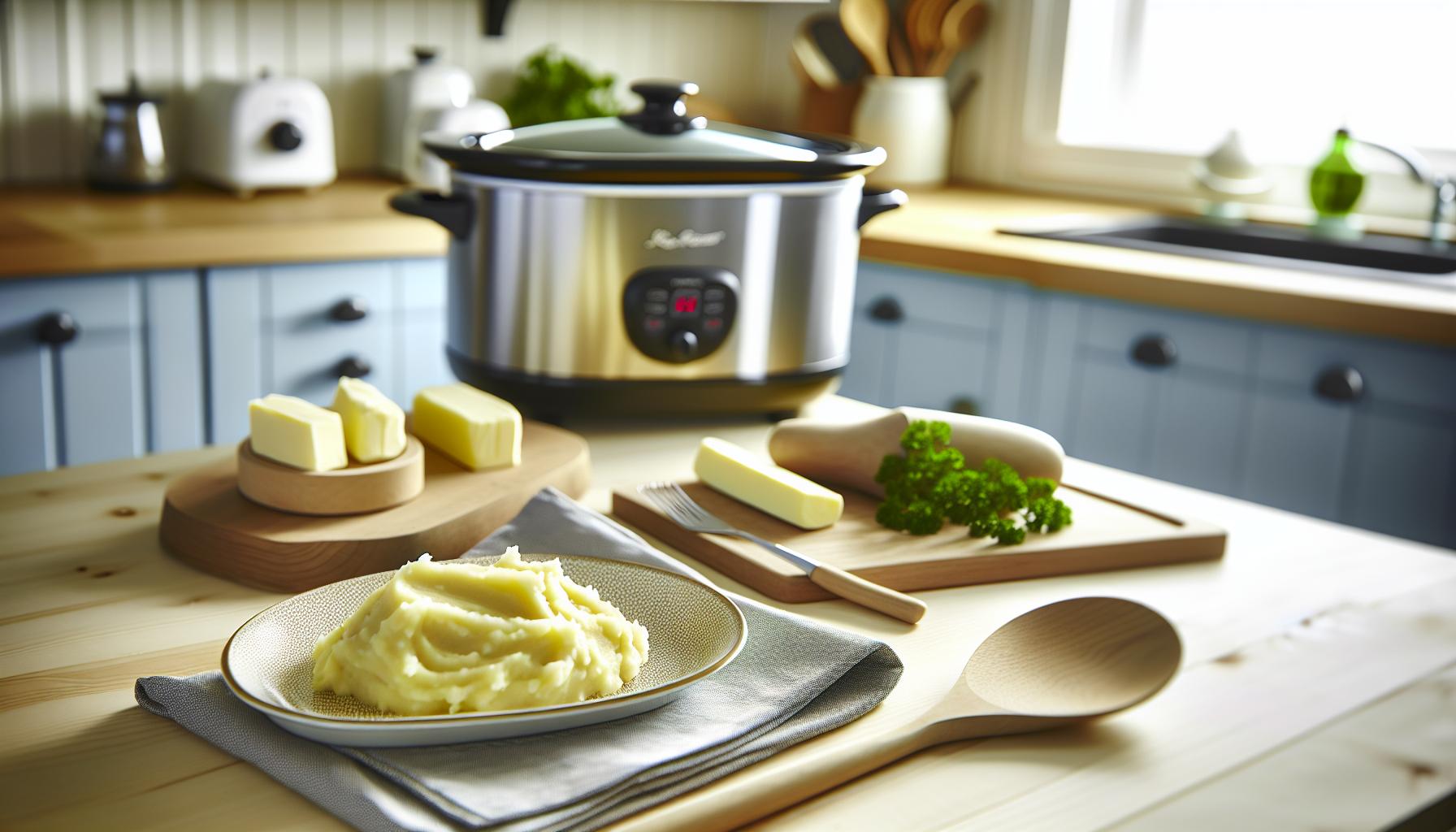
There’s something truly satisfying about lifting the lid off the slow cooker to find perfectly tender potatoes, just waiting to be transformed into that silky, dreamy mash we all crave. Finishing your slow cooker potatoes is where patience meets creativity. Before diving in with your masher or mixer, give your mash a gentle stir and taste-test-it’s the golden moment to fine-tune seasoning and texture. Because slow cookers retain moisture, you’ll want to add any creamy ingredients, fats, or liquids gradually, warming them slightly before mixing to maintain that ultra-fluffy, melt-in-your-mouth texture without risking gummy glue.
When it comes to adding richness, the classic combo is butter and warm milk or cream, but don’t hesitate to get playful here. Ghee or coconut oil can beautifully complement paleo or dairy-free diets, offering a luscious mouthfeel and subtle flavor. Warm these fats gently beforehand-cold fats don’t incorporate well and can leave your mash feeling heavy or sticky. For a lighter approach, a swirl of good-quality olive oil plus a splash of vegetable stock keeps things moist and flavorful without weighing down your mash. And remember, adding liquid a little at a time is your best friend-it’s easier to thin a mash out than to fix a watery disaster.
- Seasoning: Salt is a must, but consider layering flavors with a touch of freshly cracked black pepper, garlic powder, or even a hint of smoked paprika to bring warmth.
- Texture tweaks: For that perfect fluffy bite,avoid over-mashing. Use a potato masher or a ricer for the lightest consistency.
- Fresh herb blast: A sprinkle of fresh chopped chives, parsley, or dill right before serving adds brightness and a burst of color.
Serving your slow cooker mash is almost as fun as making it.Ladle it into a warmed bowl or buttered dish,then top with a pat of herb-flecked butter for a glistening finish. For crowd-pleasing garnishes, crispy bacon bits, toasted nuts, or caramelized onions add savory contrasts and texture excitement.And hey, who says mash can’t be a star on the dinner table? It pairs wonderfully with everything from roasted meats to grilled veggies or even a cozy bowl of soup on a chilly night.
Pro Tips for Storing and Reheating
If you’re lucky enough to have leftovers, scoop your mash into an airtight container and store in the fridge for up to 3 days. To reheat without the dreaded clumps, add a splash of warm milk or broth and gently re-whip with a fork or masher over low heat. This helps bring back that fresh-from-the-slow-cooker fluffiness we all love.
Finishing your slow cooker mashed potatoes is less about perfection and more about loving the process-and your guests will absolutely taste the care.So, grab your spoon, play a little, and enjoy creamy goodness that feels like a warm kitchen hug.
Bonus: Flavor Variations to Spice up Your Mash
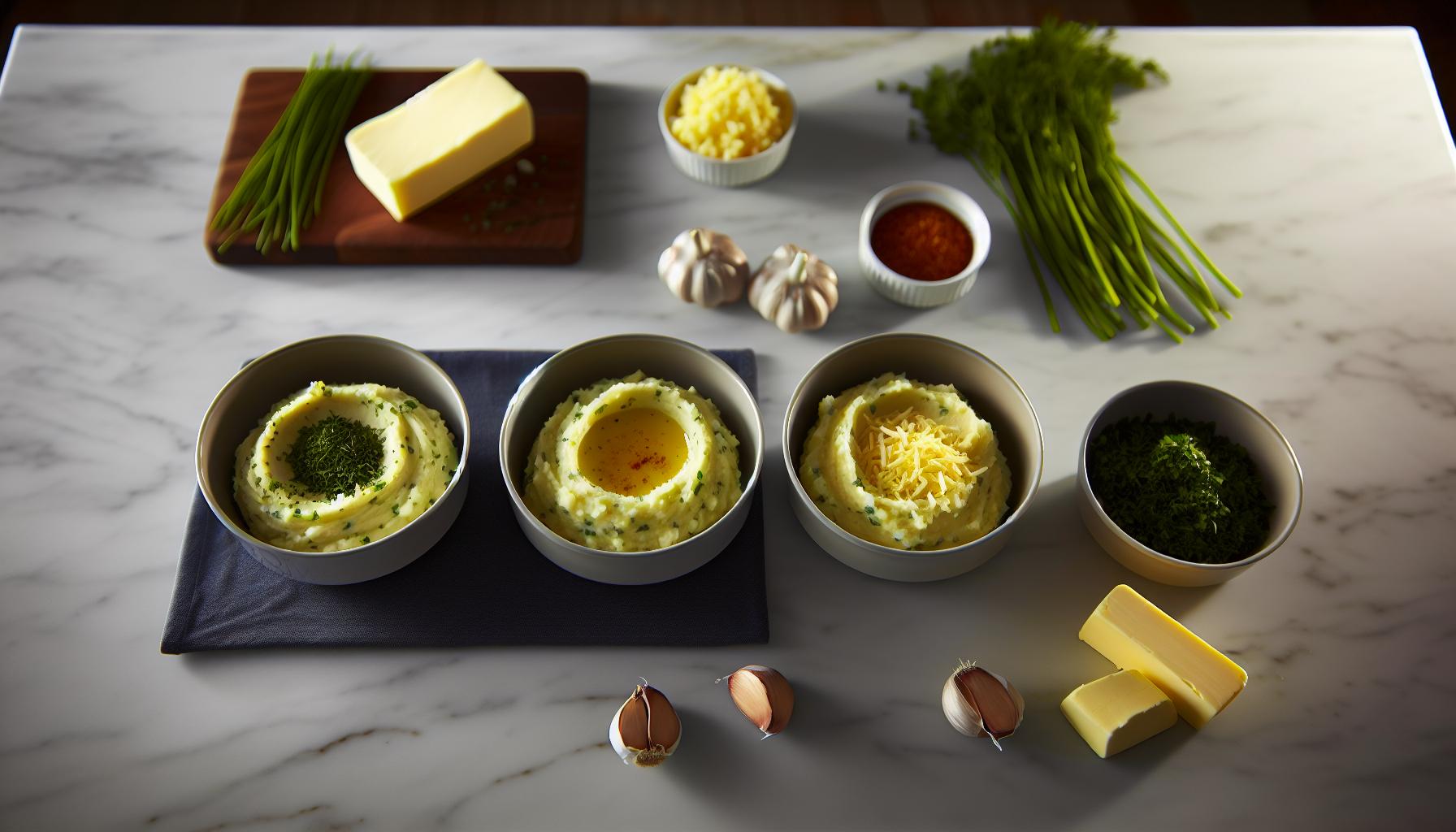
There’s something downright magical about how a simple mash can transform when you add unexpected bursts of flavor. If you think mashed potatoes are just a dull sidekick, think again. They’re a blank canvas craving a little personality! Whether you’re dialing up cozy comfort or adding a zing of excitement,these flavor twists turn your slow cooker mash into a memorable star with minimal fuss.
One of my favorite tricks is tossing in roasted garlic or caramelized onions right after mashing. They melt into the potatoes with a sublime sweetness and rich depth that’s hard to beat. If you like a little heat, a pinch of cayenne or a sprinkle of smoked paprika can add a cozy warmth without overwhelming the creamy base. For those following paleo or dairy-free diets,swapping butter for coconut oil or ghee works wonders-plus adding a dash of nutritional yeast gives that almost cheesy umami lift that’s pure magic. Fresh herbs like rosemary or thyme stirred in at the end offer fragrant brightness, creating a rustic flair perfect for cooler evenings.
Simple Ingredient Swaps and Spice Blends
- Spicy Chipotle: Stir in chipotle powder or minced chipotle peppers in adobo sauce along with a splash of lime juice for a smoky-sweet kick.
- Cheesy Bliss: Use vegan parmesan or nutritional yeast for a gluten-free and dairy-free “cheese” flavor that’s every bit as satisfying.
- Herb & Citrus: Zest of lemon or orange mixed with chopped fresh parsley or tarragon adds zing and freshness that lift the entire dish.
- Asian Flair: Try mixing in toasted sesame oil, minced ginger, and scallions for an unexpected savory twist that’s perfect alongside stir-fries.
Don’t be shy about experimenting, especially since slow cooker mashed potatoes can handle a lot of personality. Just remember to add bold flavors gradually-start small, taste often, and let your palate guide you. The slow cooker does most of the heavy lifting in cooking potatoes to fluffy perfection, so the finishing flavors are your chance to shine. Plus, it keeps hands free for all those other kitchen hustle moments!
When life’s busy, a quick mash upgrade is a game changer. I once whipped up a batch with leftover pesto stirred in-instant wow factor with no extra cooking time. Whether it’s festive dinners, weeknight dinners, or vegan comfort food cravings, spicing up your slow cooker mash makes it feel like you put in way more effort than you actually did. So grab your favorite spices and some fresh herbs and have fun with this cozy comfort classic-it’s waiting for your creative touch.
Q&A
Q: How can I speed up cooking cubed potatoes in a slow cooker for mashed potatoes?
A: To speed up cooking cubed potatoes in a slow cooker, cut the cubes smaller (about ½ inch) for quicker heat absorption. Using the high setting reduces cook time to 2-3 hours. Remember to stir occasionally for even cooking. Check doneness early to avoid overcooking. For more timing tips, see the “Step-by-Step Slow Cooker Cooking Times” section.
Q: What is the ideal slow cooker temperature for creamy mashed potatoes?
A: The ideal slow cooker temperature for perfectly creamy mashed potatoes is the low setting, around 190-200°F. Cooking on low for 4-5 hours allows potatoes to soften evenly without drying out. This gentle heat helps maintain moisture and develop that fluffy texture you love. See “Secrets to Creamy, Fluffy Slow Cooker Mashed potatoes” for texture tips.
Q: Why do my slow cooker mashed potatoes become watery and how to avoid it?
A: Watery slow cooker mashed potatoes frequently enough result from excess moisture or undercooked potatoes. Avoid this by draining any excess water before mashing and using starchy potatoes (like Russets). Cooking potatoes fully and draining well ensures fluffier, drier mash. Check out “Common Mistakes to Avoid When slow Cooking Potatoes” for practical fixes.
Q: How do I know when slow cooker cubed potatoes are perfectly cooked for mashing?
A: Potatoes are perfectly cooked for mashing when a fork easily pierces through chunks without resistance. They should be soft but not falling apart. Test by pressing a cube gently between fingers or with a fork every 30 minutes after 3 hours on low. Refer to “How to Test Potato Doneness Perfectly” for detailed methods.
Q: Can I cook cubed potatoes in a slow cooker with the lid off for faster cooking?
A: Cooking cubed potatoes in a slow cooker with the lid off is not recommended because it slows heat retention and increases cooking time. Keeping the lid closed maintains steady temperature and moisture, essential for even cooking and creamy mash. For timing tips, see “Step-by-Step Slow Cooker Cooking Times and Tips.”
Q: Is it better to add liquid when slow cooking cubed potatoes for mashed potatoes?
A: Adding a small amount of liquid like broth or water helps prevent potatoes from drying out but avoid too much-around ¼ cup is enough for a 4-5 pound batch. Excess liquid can make mash watery. Adding liquid is optional; some prefer dry cooking for more flavor concentration.For ingredient ideas, check “Best Ingredients to Elevate Slow Cooker Mash.”
Q: How long should frozen cubed potatoes cook in a slow cooker for mash?
A: Frozen cubed potatoes typically need about 6-7 hours on low to fully cook in a slow cooker. They take longer than fresh due to initial freezing. Thawing overnight before cooking can shorten time to 4-5 hours. Always test tenderness before mashing as described in the doneness section.
Q: Can I cook other root vegetables with cubed potatoes in the slow cooker for mash?
A: Yes, you can add root vegetables like parsnips or carrots with cubed potatoes, but adjust cook time since some take longer to soften. Cut vegetables into similar-size cubes and check doneness midway. Mixing veggies adds flavor and nutrition-see “Flavor Variations to Spice Up Your Mash” for creative combos.
For even more tips and personalized shortcuts, explore the full guide on slow cooker mashed potatoes-your kitchen’s new best friend for effortless comfort food magic!
Closing Remarks
Mastering the perfect slow-cooked cubed potatoes for mash is easier than you think-just a couple of hours on low and you’re set for a creamy, comforting side that’s naturally gluten-free and paleo-friendly. Whether you’re prepping for a weeknight dinner or a festive meal, these simple steps let you enjoy hassle-free cooking without sacrificing flavor or texture. If you’re curious about quick seasoning hacks or want to explore flavorful dairy-free mash alternatives, check out our related guides on “Slow Cooker Herb-Infused Potatoes” and “Creamy Vegan Mashed Potato Tips” to elevate your kitchen game.
Ready to bring more slow cooker magic to your meals? Dive into our collection of easy, tested recipes and make sure to subscribe to our newsletter for fresh inspiration right in your inbox. Got questions or your own potato hacks? Drop a comment below-we love hearing how you customize these recipes for your family! Perfectly cooked cubed potatoes can truly be the base for countless delicious dishes, so keep experimenting, and remember: good food doesn’t have to be complicated. For more slow cooker tips and mash variations, explore our detailed posts linked above-your next favorite side dish is just a click away.
Get our latest guides, news, and insights highlighted in your Google Search & AI Overviews.