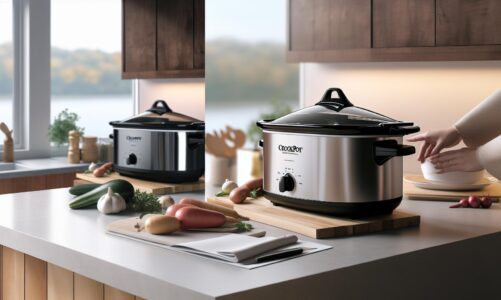
Did you know you can get that rich,melt-in-your-mouth flavor of a slow-simmered beef stew without hovering over the stove for hours? Making beef stew in a slow cooker is the perfect way to enjoy deep,comforting flavors with minimal effort-just prep your ingredients,set the timer,and let the magic happen. Whether you’re craving a hearty gluten-free or paleo-pleasant meal,this method makes tender beef and flavorful veggies come together effortlessly in about 8 hours,freeing you up for everything else life throws at you. Plus, no stress over complicated techniques-I’ll share simple steps, clever ingredient swaps, and a few kitchen tricks that turn everyday ingredients into a cozy, stick-to-your-ribs dinner. Ready to master a slow cooker beef stew that tastes like it’s been simmering all day? Let’s dive in!
Table of Contents
- Choosing the Best Beef Cuts for Slow Cooker Stew
- Prepping ingredients for Maximum Flavor and Tenderness
- Crafting a Rich, Slow-Simmered Beef Stew Broth
- Step-by-Step Slow Cooker Beef Stew Recipe
- Tips to Make Your Stew Taste Like It Simmered All Day
- Flavor Boosters: Herbs, Spices, and Umami Additions
- Perfect Vegetables and Timing for Slow Cooker Stew
- how to Adjust Cooking Times Without Sacrificing Taste
- Gluten-Free and Paleo-Friendly Slow Cooker Beef Stews
- Smart Ingredient Swaps for Dietary Needs and Preferences
- Storing, Reheating, and Freezing Your Slow Cooker beef Stew
- Creative Side Dishes to Pair with Your Hearty Beef Stew
- FAQ
- Q: How can I make my slow cooker beef stew taste like it simmered for hours?
- Q: What slow cooker settings best replicate stovetop slow simmering for beef stew?
- Q: How do I prevent vegetables from becoming mushy in slow cooker beef stew?
- Q: Can adding wine or broth substitutes enhance the slow-simmered flavor in beef stew?
- Q: why does slow cooker beef stew sometimes lack the “slow-simmered” depth of flavor?
- Q: How can I thicken slow cooker beef stew broth without losing that homemade slow-simmered taste?
- Q: What herbs and spices best replicate slow-simmered complexity in slow cooker stew?
- Q: How do I adjust slow cooker beef stew recipes for a paleo or gluten-free diet without losing slow-simmered flavor?
- The Conclusion
Choosing the Best Beef Cuts for Slow Cooker Stew
Choosing the perfect cut of beef is the secret handshake to unlocking a stew that tastes like it’s been lovingly slow-simmered all day-without the fuss. The magic lies in selecting cuts that not only stand up to hours of gentle cooking but transform into melt-in-your-mouth tender morsels, soaking up all those luscious flavors. For slow cooker stews, tougher cuts with a good bit of connective tissue are actually your best friends, as that collagen breaks down beautifully over time, making your beef tender and your stew rich and silky.
The classic go-tos are chuck roast, brisket, and round. Chuck is the superstar-not too pricey, well-marbled, and it literally falls apart after slow cooking. Brisket offers a bit more beefy depth, though it’s leaner and needs just the right amount of liquid to stay juicy. Round is a leaner option but can be slightly less tender, so if you go this route, adding a bit of fat (think bacon or an extra slick of olive oil) can keep your stew from drying out. Bone-in cuts? Even better for flavor! Bones release collagen and add a natural richness that’s hard to beat.
Friendly Beef Cuts Breakdown
| Cut | Texture & Flavor | Best Use Tips |
|---|---|---|
| Chuck Roast | Well-marbled, tender, flavorful | Brown before slow cooking for extra depth |
| Brisket | Leaner, beefy, slightly firmer | Cook low and slow, add extra moisture |
| Round (Bottom or Eye) | Lean, less fat, can dry out | Consider adding fats; watch cooking time |
| Short Ribs (Boneless) | Rich, gelatinous, tender | Great for ultra-rich stews, longer cook |
Choosing the best cut also depends on the vibe you’re going for and your dietary preferences. For paleo or gluten-free pals, sticking to pure beef cuts without added marinades or fillers is a safe bet-and oh, so satisfying. Pro tip: don’t shy away from a quick sear on your beef chunks before popping them into the slow cooker. It locks in flavor and creates a glorious base for your stew. Plus, it gives you that slightly caramelized vibe that screams ”I simmered this all day” even if you only browned the meat for 10 minutes.
At the end of the day, your choice of beef cut is the foundation of your stew. Pick a cut with good marbling and connective tissue to create a stew that’s juicy and tender every time.And remember, life’s busy and this is your kitchen hangout-not a professional test kitchen. Whether you grab a chuck roast from the local butcher or a brisket from the supermarket, your slow cooker will do the heavy lifting. Sit back, relax, and get ready for cozy, flavorful spoonfuls of pure comfort.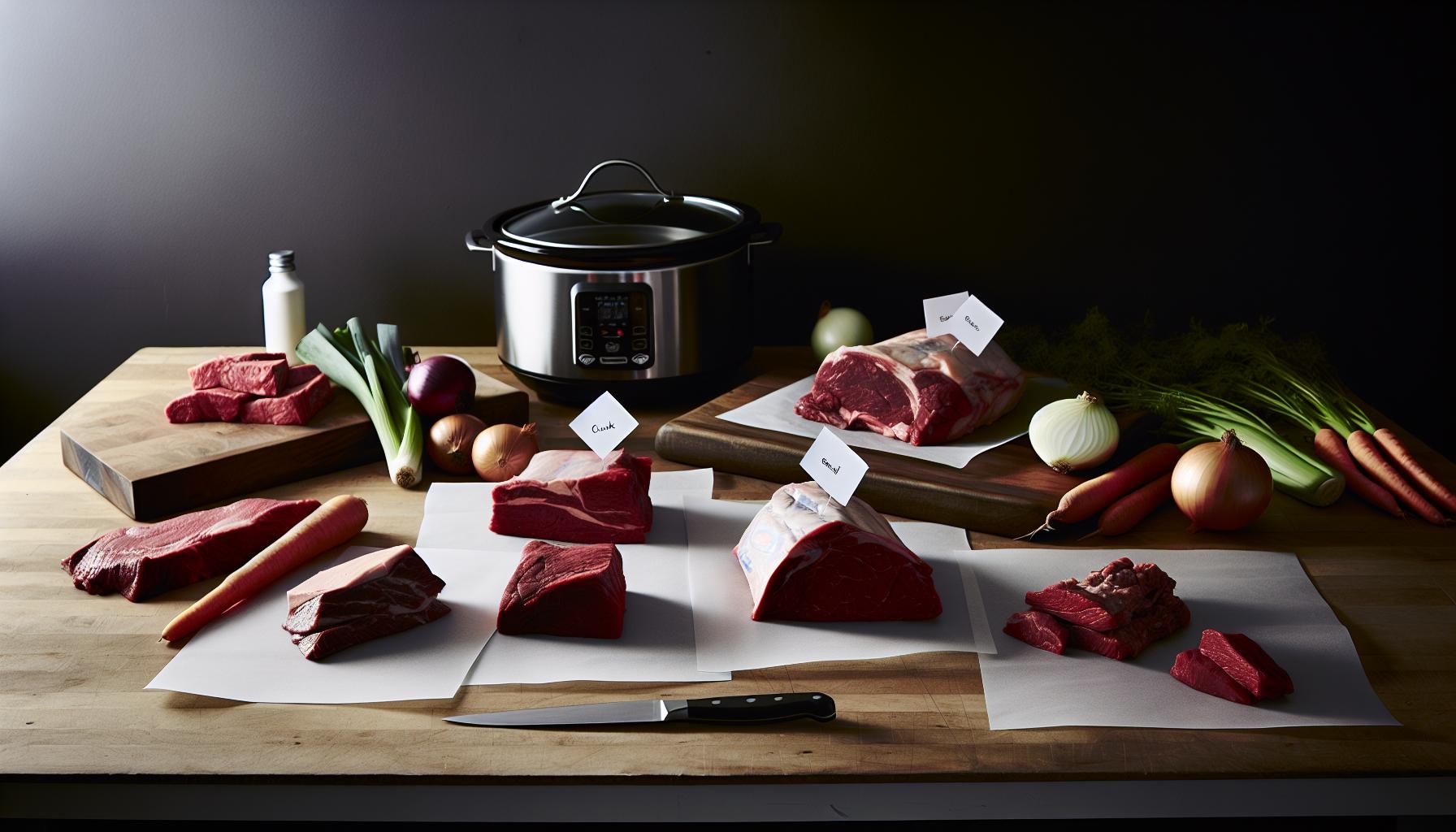
Prepping ingredients for Maximum Flavor and Tenderness
There’s a secret sauce to prepping ingredients that elevates your slow cooker beef stew from “meh” to “mouthwateringly marvelous”-it’s all about layering flavor before that long, cozy simmer even begins. While slow cookers do the heavy lifting with tenderizing tough cuts, your prep sets the stage for the stew’s depth and richness. Think of it as priming the flavor engine so every bite feels like it’s been gently bubbling away all day, even if you’re short on time.Start by giving your beef chunks a quick but purposeful makeover. Pat them dry with paper towels-moisture is the enemy of a good sear-and season generously with salt and pepper. Than, brown the meat in a hot pan with a splash of oil until each piece is beautifully caramelized.This Maillard reaction creates those irresistible browned bits that dissolve into the stew, adding layers of savoriness that a slow cooker alone can’t replicate. I like to do this in batches to avoid overcrowding because nothing kills flavor faster than steaming meat instead of browning. Bonus: if you have a cast iron or stainless steel pan, use it-those stubborn fond crusts are treasure troves of flavor that you’ll later deglaze.
Vegetables deserve a little love too, especially the hearty ones that’ll spend hours simmering. Rough-chopping your carrots, celery, and onions works fine, but consider giving them a quick sauté or roast in the oven first. This step isn’t mandatory but trust me, the slight caramelization takes your stew’s base from good to show-stopping. Plus, it warms up those flavors, releasing natural sugars and aromas that gently infuse the broth. If you’re paleo or gluten-free, roasted veggies add complexity without any extra fuss or additives. And when prepping potatoes, cut them into chunks that won’t turn to mush-larger pieces hold up better, especially as thay’ll cook alongside the meat.
Tips for Maximum Flavor & Tenderness
- Dry the beef well: Moisture hinders browning, so pat your meat dry before seasoning.
- Don’t crowd the pan: Brown in batches for even caramelization and better flavor.
- Deglaze the pan: After browning, use beef broth, wine, or water to scrape up those flavorful brown bits-the perfect broth booster.
- Consider slow-roasting veggies: Spread carrots, onions, and celery on a sheet pan with a drizzle of oil for 20 minutes at 400°F to develop sweetness before adding to the slow cooker.
- Fresh garlic adds punch: Toss in whole bulbs or minced cloves near the end of prep to keep that shining, aromatic zing.
For an extra friendly tip, when prepping your beef, toss those cubes lightly in a bit of gluten-free flour or arrowroot starch before searing. this not only helps with browning but also later thickens your stew naturally, no cornstarch slurry needed. And don’t stress if your slow cooker demands simplicity-sometimes I sprinkle a few dried herbs right in at the start, but save fresh ones (like parsley or thyme) for a bright finish. Prepping ingredients with a few thoughtful steps turns this humble dish into a screaming comfort food champion that’s cozy, homey, and just a little bit magical. Because hey,cooking slow doesn’t mean flavor has to wait.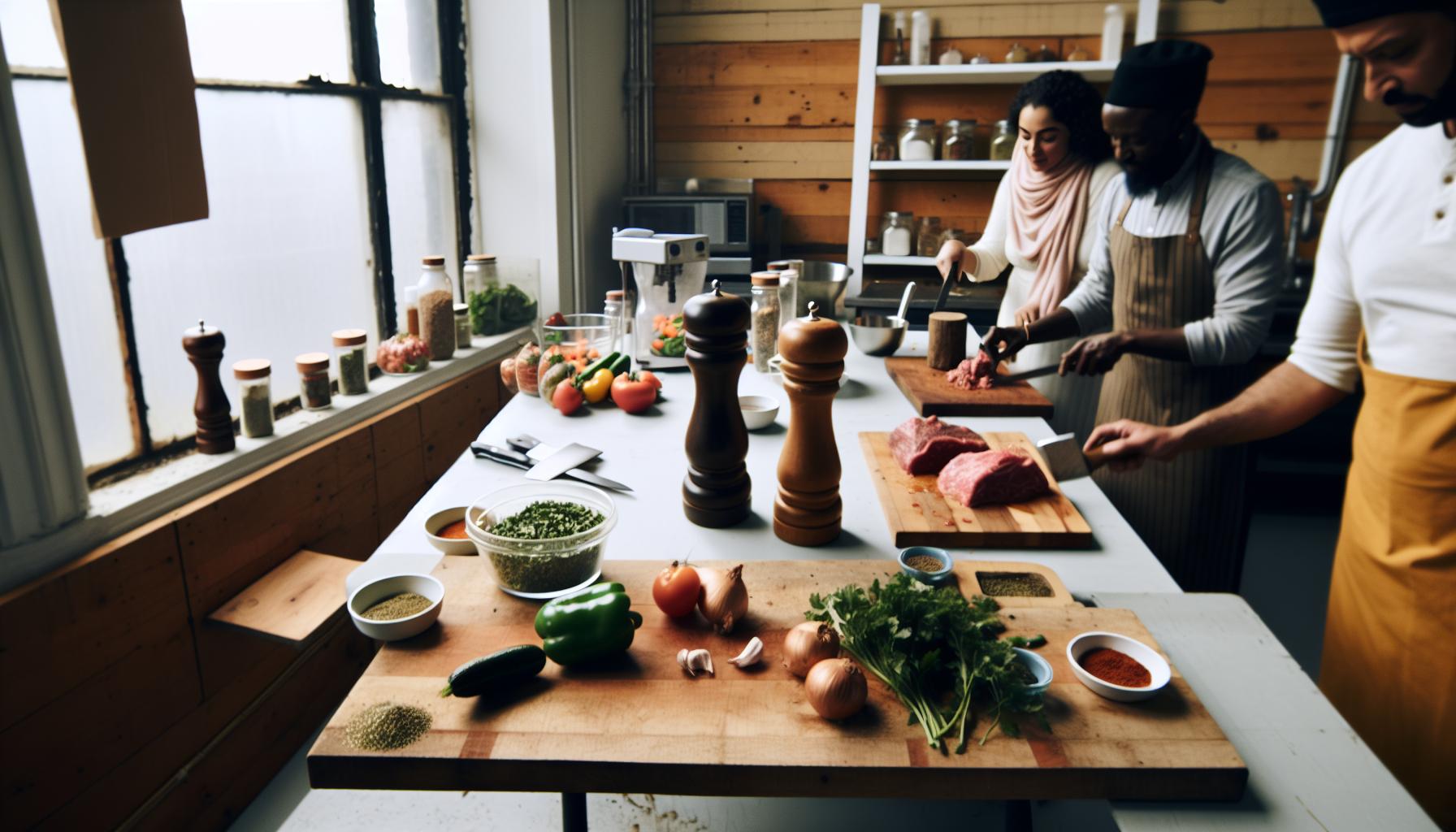
Crafting a Rich, Slow-Simmered Beef Stew Broth
Creating that deeply satisfying, soul-warming broth is what turns a good beef stew into a legendary one. The magic happens when flavors meld slowly,becoming richer and more complex with every simmering hour in the slow cooker. It’s not just about tossing ingredients in and walking away-the broth deserves some love too, as it’s the luscious canvas that carries your stew’s entire flavor story.Whether you’re paleo, gluten-free, or just craving comfort food simplicity, building a broth that tastes like it’s been simmering all day is achievable without fancy tricks or exotic ingredients.
one of my favorite go-to moves is to layer in umami and acidity early on. Start with a base of hearty beef broth or homemade stock loaded with savory depth. If you want to keep it paleo or gluten-free, look for broths free of preservatives and additives (or make your own-it’s easier than you think). Adding a splash of red wine or even red grape juice with a dash of red wine vinegar creates that gentle acid punch that helps tenderize meat and balances the broth’s richness. Just half a cup can transform the flavor from flat to notable in minutes before it even hits the slow cooker. And don’t forget those browned bits from searing the beef-deglazing your pan with broth or wine before adding to the stew brings that caramelized goodness into the mix-think of it as flavor treasure hunting right in your kitchen.
Building Flavor in Layers
- Start with a quality stock: It’s the backbone of your stew. Chicken or vegetable broth can work, but beef broth is king here.
- Deglaze for richness: Use wine, broth, or even water to lift those tasty browned bits off your pan.
- Add umami boosters: Think tomato paste, mushroom powder, or even a splash of Worcestershire sauce (check paleo-friendly options if needed).
- Balance with acidity: A little red wine vinegar, apple cider vinegar, or lemon juice brightens and tenderizes.
- Season thoughtfully: Salt and pepper are basics, but a bouquet garni of thyme, bay leaves, and rosemary adds layers of aromatic warmth.
While the slow cooker does the heavy lifting of melding flavors, a bit of prep upfront turns your stew broth from “nice” to ”knockout.” I always like to throw in fresh garlic and onions (whole cloves or minced), letting them simmer slowly to softly sweeten the broth. Occasionally, I even splash in a bit of tomato paste early on and stir to caramelize in the pan before adding liquid-hello, rich color and depth! And because the slow cooker environment locks in moisture, every spoonful tastes like a comforting hug.
Remember, patience is your broth’s best friend. Resist the urge to open the lid constantly-the slow cooker holds onto heat and flavor best when left alone. The longer you let it do its thing, the more tender the meat, and the richer the broth will become.If you’re pressed for time, simply bumping up the temperature can work, but nothing beats the gentle, all-day low simmer that develops those signature slow-cooked depths. Your stew will reward you with every cozy, spoonful bite.
[3] and [1] offer great ideas for combining wine and broth for the perfect cozy, rich taste.
Step-by-Step Slow Cooker Beef Stew Recipe
There’s somthing wonderfully satisfying about how a slow cooker transforms humble ingredients into a stew so tender and flavorful it tastes like it’s been bubbling away all day-because, well, it has! The secret lies in a few thoughtful steps that balance convenience with layering rich flavors without needing to spend hours at the stove. You’ll be thrilled how little effort it takes to pull off a classic slow-simmered beef stew that’s both cozy and crowd-pleasing. Bonus: it’s naturally gluten-free and easily adapted for paleo diets too.
Start by browning your beef chunks-this quick step adds caramelized goodness and depth that the slow cooker alone can’t develop. Use a sturdy cut like chuck roast (the best bet for tenderness) and don’t crowd the pan; working in batches helps the meat get that perfect sear rather of steaming. As the beef browns, toss in minced garlic and diced onions to soften and soak up those delicious browned bits. This combo is a game-changer for flavor and aroma.
Putting It All Together
Here’s a simple riff on the slow cooker beef stew that anyone can nail. Aim for about 15 minutes prep and then let the slow cooker work its magic for 7-8 hours on low or 4-5 hours on high.
- Step 1: Cut 2 pounds of chuck beef into 1 1/2-inch cubes and pat dry to ensure a good sear.
- Step 2: Heat a couple tablespoons of oil in a skillet over medium-high heat. Brown the beef in batches for about 4 minutes per side, then transfer to the slow cooker.
- Step 3: In the same skillet, add one medium diced onion and 3 garlic cloves minced. Sauté just until fragrant and translucent-about 2-3 minutes.
- Step 4: Stir in a tablespoon of tomato paste and cook for another minute to develop that umami richness.
- Step 5: deglaze the pan with ½ cup red wine or red grape juice plus a splash of red wine vinegar (about 2 tablespoons). Scrape up all the browned bits and pour this flavorful liquid into the slow cooker.
- step 6: Add in 3 cups of beef broth-make sure it’s gluten-free and preservative-free if you’re going paleo or gluten-sensitive.
- Step 7: Toss in your vegetables-about 3 medium carrots sliced, 3 medium peeled potatoes cubed, and optional peas for the last 30 minutes of cooking.
- Step 8: Add herbs like 2 bay leaves, a sprig of fresh rosemary, and a few thyme sprigs. Season with salt and pepper to taste.
- Step 9: Cover and cook on low for 7-8 hours or high for 4-5 hours until the beef is meltingly tender and the vegetables are just perfect.
Quick Tips for Busy Cooks
If mornings are a rush, here’s a neat shortcut: freeze pre-cut beef cubes in marinade (wine, broth, tomato paste, and herbs) the night before. Toss frozen cubes straight into the slow cooker in the morning-no thawing needed, and the flavors continue to deepen all day. Also, adding peas or fresh herbs at the end keeps those fresh brightness notes alive without turning mushy.
One thing I’ve learned is to resist the temptation to open the slow cooker lid while cooking-it lets out steam and slows down that magical melding of flavors. Trust the process, and use the wait time to prep a fresh salad or warm some crusty bread for dipping.After hours simmering low and slow,you’ll be rewarded with a stew that feels like you slaved over the stove when really,you just had to show up and enjoy.
Source inspiration and further tips and classic recipes back up this method – proven, practical, and perfect for any home cook.
Tips to Make Your Stew Taste Like It Simmered All Day
There’s a quiet magic in a slow cooker that transforms everyday beef stew ingredients into a dish so rich and tender it tastes like it’s been simmering all day long-because it actually has! To get that deep, developed flavor without hovering over the stove for hours, a few kitchen hacks make all the difference.The secret is all about layering flavors early, choosing the right cooking rhythm, and knowing when to add those final fresh touches to keep things bright and balanced.
One of my favorite tricks is browning the beef before it ever hits the slow cooker. This creates those irresistible caramelized crusts packed with umami goodness that slowly infuse the stew during cooking. Don’t rush this step or overcrowd the pan-give each batch space to sear properly. Once you’ve browned your beef,using the same skillet to sauté onions and garlic means you capture all those delicious browned bits stuck to the pan. Adding a spoonful of tomato paste here and letting it “toast” a bit lifts the stew with extra savory depth. Deglazing the pan with a splash of red wine or red grape juice plus a hint of red wine vinegar not only picks up every last flavor morsel but also helps tenderize the beef with gentle acidity.
- Keep the lid closed: It’s tempting to peek, but every time you lift the lid, precious steam escapes and the slow cooker loses heat, stretching out cooking time and dulling flavor development.
- Add delicate veggies late: Peas and fresh herbs can get mushy if tossed in at the start, so save them for the last 30 minutes or just before serving to keep their freshness vibrant.
- Use quality broth: Your choice here really impacts richness-paleo and gluten-free cooks will want a clean, preservative-free beef broth or bone broth for that authentic slow-simmered flavor.
For busy cooks, another lifesaver is to marinate and freeze beef cubes overnight in your deglazed liquid and herbs, then dump them frozen straight into the slow cooker in the morning. This not only saves time but also gives the flavors a chance to deepen from the get-go. Believe me, trusting in your slow cooker and resisting the urge to stir or check too often rewards you with that melt-in-your-mouth tenderness and a broth that’s cozy and comforting, with a complexity only hours of gentle heat can create.
seasoning is your friend but don’t overdo it early on-season lightly at the start and finish with a final round of salt and pepper right before serving to brighten all those slow-cooked layers. With these tips,you’ll have a stew that feels like a warm hug on a plate and tastes like you’ve been working magic in the kitchen all day-even when you barely had to lift a finger.
A trusted source for additional tips and inspiration[[2]]and Natasha’s Kitchen slow cooker stew guide[[[[[3]]back up these approaches perfectly.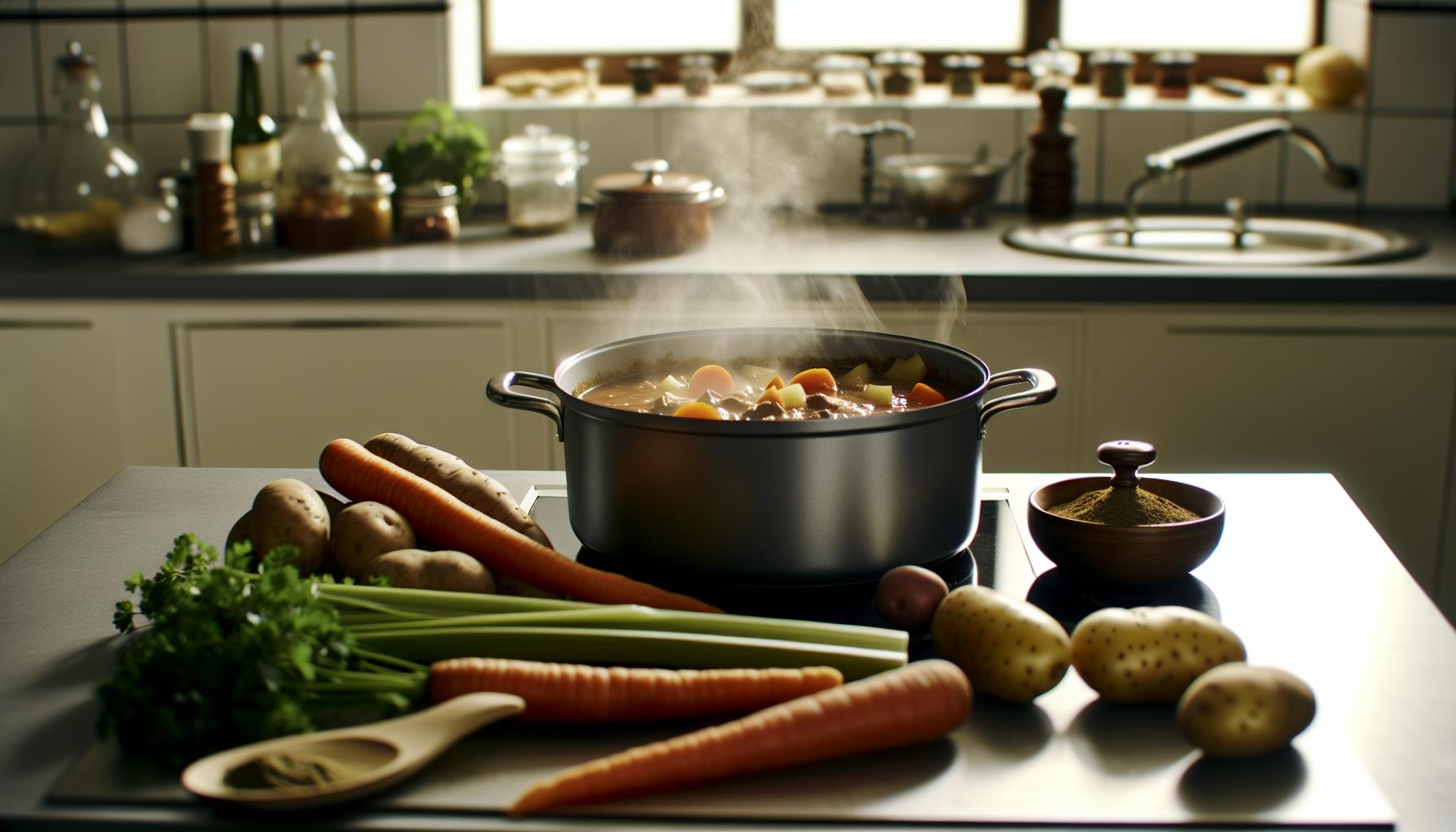
Flavor Boosters: Herbs, Spices, and Umami Additions
There’s a reason slow cooker beef stew tastes like it’s been bubbling away for hours on end-and it all comes down to those magical little boosts that deepen flavor and create layers of richness. While your slow cooker does the heavy lifting on tenderness, it’s the herbs, spices, and umami-packed ingredients that bring that cozy, soul-hugging complexity. Think of them as the secret spice squad working behind the scenes, quietly turning simple stewing beef and veggies into a memorable meal.
Starting with herbs, robust varieties like thyme, rosemary, and bay leaves are classic slow-cooker staples that slowly release fragrant oils throughout the long simmer. These woody herbs can handle the heat without fading away and add a warm, earthy backbone. For a fresh pop, I like to toss in chopped parsley or a handful of fresh thyme leaves in the final 30 minutes-it’s like a breath of fresh air that brightens the stew just before it hits the table. Don’t be shy with dried herbs either; just remember they’re more concentrated, so sprinkle them in sparingly early on to avoid overpowering the dish.
Spices that Elevate Without overpowering
Beyond the usual garlic and black pepper, you can wrinkle a bit of curiosity into your stew with subtle spices like smoked paprika, cumin, or a pinch of cayenne for gentle heat without stealing the show. These little additions amplify the natural richness of the beef and veggies, adding unexpected warmth and savory depth that complement the slow-cooked flavors instead of fighting them. If you want a deeper complexity, adding a small stick of cinnamon or a star anise pod during cooking can create subtle, intriguing notes-just remember to fish those out before serving.
Umami: The Flavor Multiplier You Didn’t Know You Needed
Umami is the secret sauce in slow cooker beef stew-the reason the broth tastes meatier, heartier, and downright addictive. Ingredients like tomato paste (toasted briefly in your searing pan),Worcestershire sauce,or a splash of soy sauce (or coconut aminos for paleo/gluten-free folks) layer in that meaty goodness without adding saltiness. Mushrooms are natural umami powerhouses; dried porcini mushrooms rehydrated in warm water and their soaking liquid added to the stew add a luxurious depth that can fool even the most discerning palate. Adding a bit of anchovy paste is a bit of a wild card, but a tiny dab dissolves invisibly and enriches the broth immensely without tasting “fishy.”
- Pro tip: Toast whole spices (like peppercorns or cumin seeds) before adding them to the slow cooker to coax out their oils and a more nuanced flavor.
- Acidity boost: A splash of red wine vinegar or a squeeze of lemon juice at the end lifts the richness, balancing the deep umami and preventing the stew from feeling too heavy.
- For the paleo or gluten-free cook: Choose preserved herbs with no additives and swap soy sauce for coconut aminos or tamari to keep it clean and flavorful.
By thinking of these ingredients as your flavor-building toolkit, you aren’t just tossing things into the pot-you’re crafting a symphony of tastes that evolve over hours of gentle cooking. It’s truly the difference between “good stew” and “remember-for-days” stew, all without standing over a hot stove for hours. So, loosen your apron a notch, play with what you have, and let those herbs, spices, and umami gems do their tasty magic!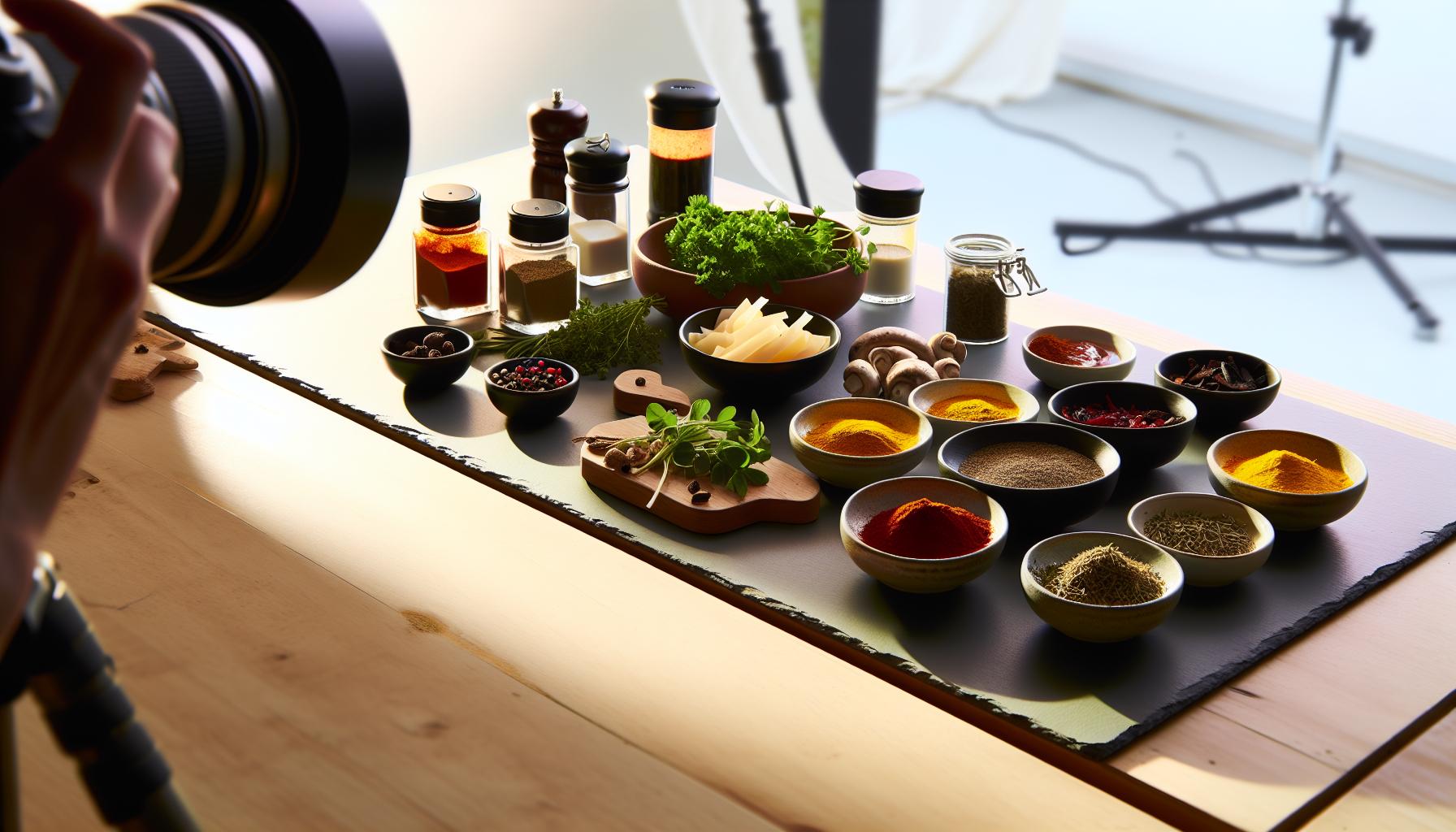
Perfect Vegetables and Timing for Slow Cooker Stew
Getting your vegetable game right in a slow cooker beef stew is like setting the perfect stage for a well-balanced show. The secret? timing and choice of veggies are everything. Some veggies love to sit and slow-cook all day until they’re meltingly tender, while others prefer a gentler approach to avoid turning into mushy shadows of themselves. Nailing this balance guarantees every bite has its own sparkle of texture and flavor.
Root vegetables like carrots, potatoes, and parsnips are the hearty champions here – they hold up beautifully over several hours of low heat, soaking up all those rich, meaty flavors without losing their shape or turning to mush. Conversely, tenderness champions like peas, green beans, or zucchini deserve a later call to the party, adding pops of freshness and a just-right bite.Tossing these in during the last 30 to 60 minutes keeps them vibrant and avoids that sad, overcooked glow. It’s a little timing dance that transforms homemade stew from “meh” to memorable.
Vegetable Choices that Play Well in Slow Cookers
- Sturdy and slow cooks: Carrots, Yukon gold potatoes, sweet potatoes, turnips, rutabaga, parsnips
- Medium timers (add mid-cook): Celery, onions, fennel (they bring subtle aromatics)
- Quick cooks (add last 30-60 mins): Peas, green beans, fresh mushrooms, zucchini, bell peppers
If you’re looking for paleo or gluten-free options, root vegetables are your trusty sidekicks, giving natural sweetness and bulk without any grains. Bonus – they’re nutrient-packed and super satisfying. A personal fave: roasting chopped carrots or parsnips before adding them to the slow cooker adds caramelized depth that even the craftiest umami boosters envy.
How to Time Those Veggies Like a Pro
- Prep your hearty roots first: Chop and toss in right at the beginning with your seared beef to soak up all those meaty juices.
- Midway aromatics: Onions and celery can either go in at the start or about halfway through if you want a little more crunch.
- Fresh pops go last: Wait until the last hour to add peas,green beans,or zucchini. They’ll keep their color and texture, lifting the stew’s overall brightness.
| Vegetable | when to Add | Texture Result |
|---|---|---|
| Carrots, potatoes, parsnips | Start of cooking | Soft, tender but intact |
| Onions, celery | Start or midway | Soft, sweet, aromatic |
| Peas, green beans, zucchini | Last 30-60 minutes | Bright, slightly crisp |
Your slow cooker is a patient friend, but it won’t forgive overcooked veggies easily! So, if you want that perfect texture combo in every bowl, this staggered approach is the way to go.
And hey, if you ever find yourself in a pinch (hello, unexpected dinner guests), frozen peas or carrots tossed in right at the end make a quick and tasty fix, keeping things flavorful without the mush factor. With these tips, your stew will be equal parts comforting slow simmer and fresh-from-the-stove deliciousness, whether you’re gluten-free, paleo, or just here for the yum.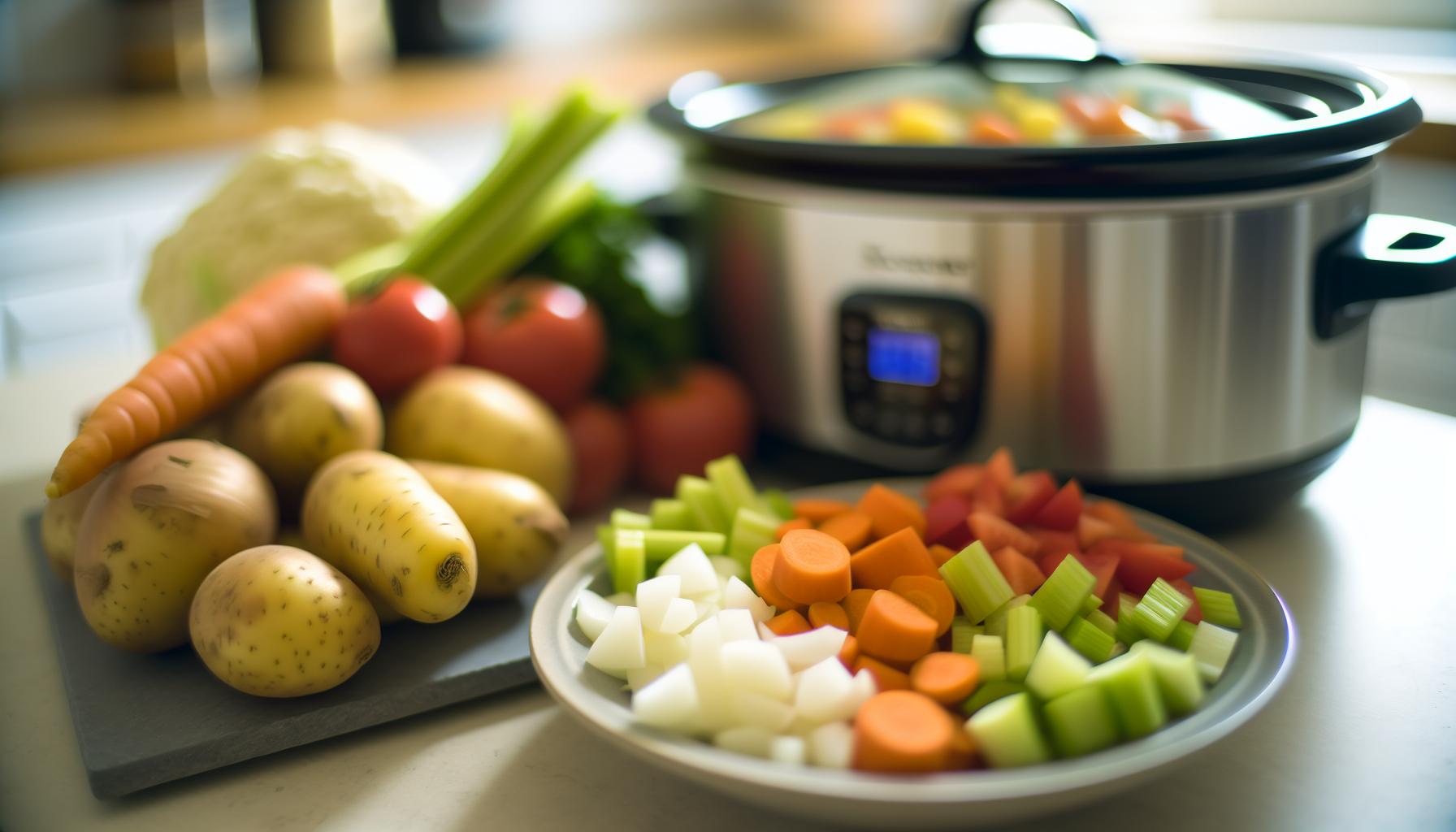
how to Adjust Cooking Times Without Sacrificing Taste
Sometimes life moves faster than a slow cooker can simmer, but that doesn’t mean your beef stew has to lose its soul. Adjusting cooking times without sacrificing depth of flavor or tender texture is more of a savvy kitchen hack than rocket science-trust me,I’ve been there,juggling dinner plans with a packed schedule.the key? Understanding how heat, timing, and layering flavors work together to produce that rich, slow-cooked magic you’ve been chasing.
If you’re pressed for time, consider starting your stew on the stove to jumpstart tenderness before transferring it to the slow cooker. Brown the beef well and simmer it on low heat with aromatics for an hour or so to build flavor early.This extra step seals in juices and starts breaking down collagen,helping the meat become melt-in-your-mouth tender faster once in the slow cooker. Another pro tip: opt for the “high” setting but limit it to 4-5 hours rather of 8,balancing speed and tenderness. Remember,slower and lower is ideal,but moderate heat can save the day-just skip opening the lid to keep the temperature steady and avoid drying things out.
- Use smaller cuts of meat: Dice beef into bite-sized pieces to reduce cooking time without compromising texture.
- Stagger vegetable additions: Toss hearty root veggies in at the start,but hold off on delicate ones like peas or green beans until the last 30-60 minutes to preserve their vibrant texture.
- thicken your broth later: Skip adding flour or starch early. Instead, stir in a slurry (like cornstarch or arrowroot) 15-20 minutes before serving to boost richness without prolonged simmering.
Quick Yet Flavorful: The Slow Cooker Dance
Think of slow cooking like slow dancing-it’s all about timing, rhythm, and knowing when to change pace without stepping on toes. By prepping ingredients smartly and adjusting heat, your stew retains that tender bite and rich taste, even if you’re cutting a few corners. And hey, if you need to make your stew gluten-free or paleo-friendly while speeding things up, swapping in coconut aminos or tapioca starch for thickening can keep your broth silky and sumptuous, proving quick doesn’t mean compromising on dietary needs.
Your slow cooker loves a good soak, but a little TLC before and after simmering can work wonders. For example, caramelizing onions or roasting root vegetables beforehand-yes, extra steps but totally worth it-adds an explosion of flavor that slow cook alone can’t replicate quickly. Plus, adding finishing touches like fresh herbs off-heat or a splash of acid (think lemon juice or apple cider vinegar) brightens the dish, mimicking that “all-day simmer” finish with minimal wait.
| Time-Saving Adjustments | Effect on Taste & Texture |
|---|---|
| Pre-simmer beef on stovetop (1 hour) | Faster tenderness, richer umami depth |
| Cook on high for 4-5 hours | Tender beef without overcooking |
| Add delicate veggies late (last 30-60 min) | Maintains texture, color, freshness |
| Thicken broth last-minute with slurry | Prevents broken glaze, silky sauce |
| Roast aromatics or root veggies before slow cooking | Boosts caramelized flavor, depth |
Adjusting your timetable doesn’t mean settling for less-it’s about working smarter with your slow cooker’s strengths so you can have a stew that tastes like it’s been simmering all day, even on your busiest nights.So next time the clock’s against you, lean on these tricks and make that cozy bowl of beef stew happen-because everyone deserves a comforting meal that feels homemade without the marathon effort.
Gluten-Free and Paleo-Friendly Slow Cooker Beef Stews
It’s a common myth that gluten-free and paleo diets have to mean bland or complicated meals-especially when it comes to cozy, comforting dishes like beef stew. The great news? You can absolutely achieve the deep, hearty flavors and tender textures of classic slow-cooked beef stew while keeping it friendly to these dietary preferences.The secret lies in smart ingredient choices and a few easy swaps that still deliver that signature, melt-in-your-mouth experience you expect from a slow simmer.
When crafting a stew that’s both gluten-free and paleo-approved, start by ditching customary flour for thickening. Instead, embrace naturally grain-free thickeners like arrowroot powder, tapioca starch, or even coconut flour in a pinch. I like stirring in a slurry-mix your chosen starch with cold water-right near the end of cooking to thicken the broth without the starch breaking down into a gloppy mess. This keeps your sauce silky and indulgent, much like a long-simmered stew should be.
- Gluten-Free Friendly: Use tamari or coconut aminos rather of soy sauce to boost umami without gluten’s sneaky sneak. onion and garlic powder (check labels), fresh veggies, and beef broth are your flavor powerhouses here.
- Paleo Perfection: Stick with whole,unprocessed ingredients-think grass-fed beef,colorful root vegetables,and herbs straight from the garden. swap out potatoes for sweet potatoes or hearty parsnips for a paleo-approved carb boost.
- Flavor Boosters: A splash of apple cider vinegar brightens the depth, mimicking that “all-day” slow cook feel. Fresh herbs like thyme and rosemary add that savory punch,while smoked paprika or a dash of coconut aminos rounds out the taste without gluten or grains.
Making It Simple and Delicious
If you’re juggling a busy schedule, prepping is easy because most slow cooker beef stew recipes fit perfectly with gluten-free and paleo tweaks-you just swap a few ingredients but keep the same cooking magic. Brown your beef well to build flavor and don’t skip the onions and garlic; their caramelization adds so much warmth. For veggie timing, toss heartier roots like carrots and sweet potatoes in early, then add more delicate greens near the end to keep that vibrant texture.
| Ingredient | Gluten-Free Alternative | Paleo Friendly Option |
|---|---|---|
| Flour (for thickening) | Arrowroot or tapioca starch | Arrowroot or tapioca starch |
| Soy sauce | Tamari (gluten-free soy sauce) or coconut aminos | Coconut aminos only |
| Potatoes | Regular or sweet potatoes | Sweet potatoes, parsnips, or turnips |
| Beef broth | Check label for gluten | Homemade or paleo-certified broth |
I often joke that cooking paleo or gluten-free is like a puzzle, except all the pieces taste amazing once you find the right fit. Whether you’re feeding a crew that eats grain-free for health reasons or just want a comforting, slow-simmered stew without the gluten, these swaps and tips keep mealtime both joyful and foolproof. As really, everyone deserves a bowl of beef stew that tastes like it’s been cooking all day-even if your slow cooker only got a few hours.
So, next time you’re craving that hearty, savory stew but want to keep it gluten-free or paleo, remember these small changes. Your slow cooker will do most of the work, while you get to enjoy the warmth, flavor, and all the “mmm” moments without the fuss or the gluten.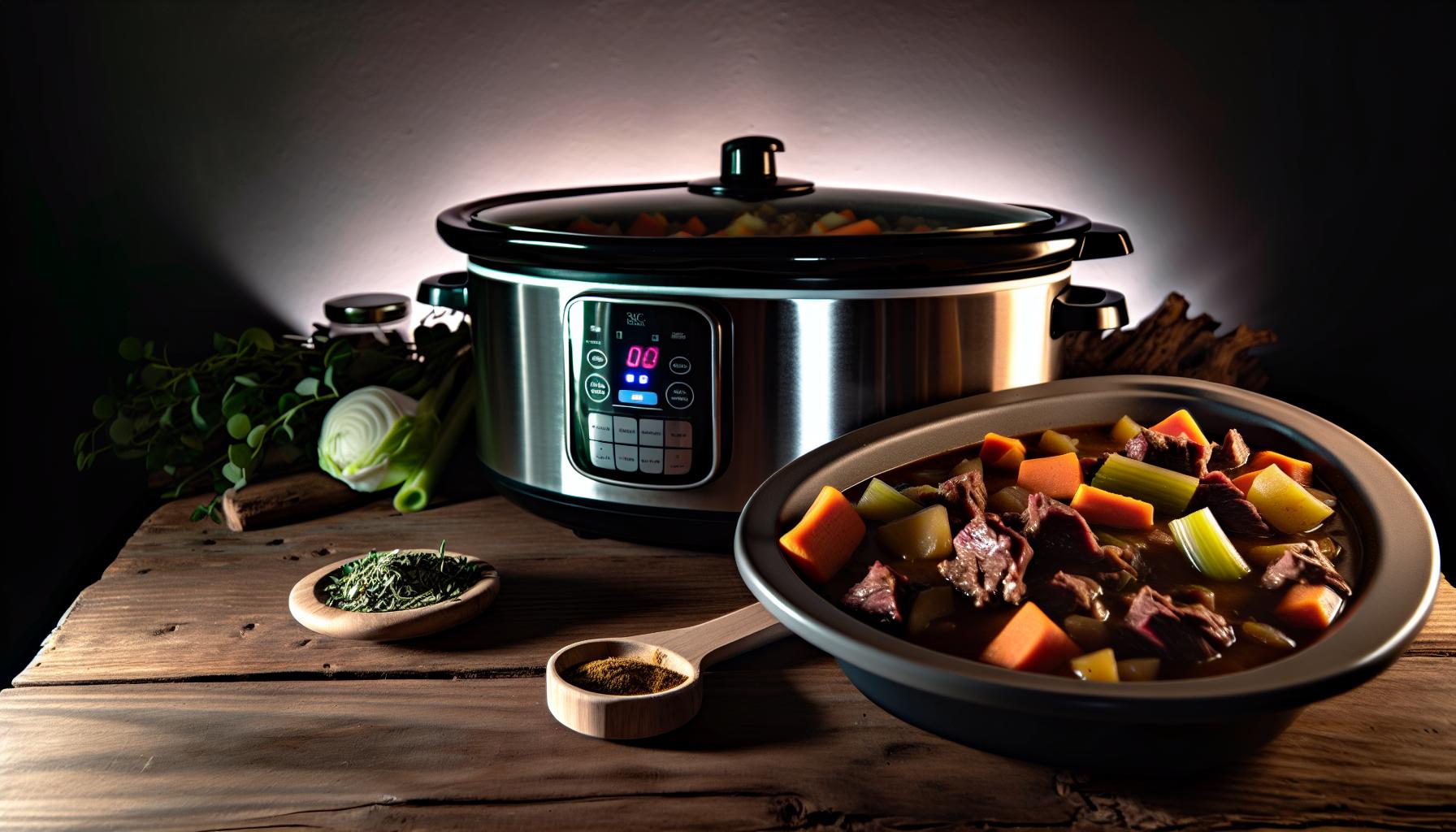
Smart Ingredient Swaps for Dietary Needs and Preferences
It turns out that making a slow cooker beef stew both delicious and suited to special dietary needs is less about reinventing the wheel and more about smart substitutions that keep your stew hearty and happy. Whether you’re navigating gluten-free or paleo lifestyles-or just playing it safe with clean ingredients-the swaps you make can work wonders without sacrificing flavor or that luscious slow-simmered texture we all crave.
One of the biggest game-changers is ditching traditional flour as a thickener. Instead, opt for naturally grain-free starches like arrowroot or tapioca powder. The trick I swear by: mix your starch with cold water to create a slurry and stir it in right near the end of cooking. This keeps the broth silky and satisfying-not gluey or gummy, which sometimes happens when the starch cooks too long. For gluten-free diets, tamari or coconut aminos shine in place of soy sauce, delivering rich umami without the gluten sneaking in. And paleo folks? Coconut aminos alone are your best friend here.Onions,garlic powder (double-check labels),and fresh,colorful root veggies provide plenty of depth and warmth-because nobody wants a stew that tastes like a cardboard special.
Simple Ingredient Switches That Make a Difference
When it comes to carbs,swapping starchy white potatoes for sweet potatoes,parsnips,or even turnips keeps things paleo-friendly but just as satisfying. These veggies not only bring that lovely earthy sweetness but also hold up beautifully during the slow cooking process without turning mushy. For broth, homemade or paleo-certified beef stock ensures no hidden grains or additives, which can sometimes lurk in store-bought versions. In my experience,this homemade touch adds extra soul to the stew and reassures you’re in control of what’s going into your pot.
| Ingredient | Gluten-Free Alternative | Paleo-Friendly Option |
|---|---|---|
| Flour (for thickening) | Arrowroot powder,tapioca starch | Arrowroot powder,tapioca starch |
| soy Sauce | Tamari (gluten-free soy sauce),coconut aminos | coconut aminos |
| Potatoes | Regular or sweet potatoes | Sweet potatoes,parsnips,turnips |
| Beef Broth | Check label for gluten | Homemade or paleo-certified broth |
Keep in mind,the joy of cooking paleo or gluten-free meals comes from exploring these little ingredient puzzles without pressure. I often tell friends, it’s like swapping out puzzle pieces for ones that fit your lifestyle, but the picture is just as vibrant-and often tastier! brown your beef well to seal in flavor and don’t skimp on caramelized onions and garlic; these flavor bombs work overtime to give your stew that deep, comforting heartiness. A splash of apple cider vinegar or a sprinkle of smoked paprika goes a long way to elevate umami and mimic that all-day slow simmer without the fuss.
So next time you’re loading up the slow cooker, think of these swaps as simple hacks rather than restrictions. your stew will thank you with every tender bite, and your tastebuds won’t miss a thing. Plus, your slow cooker will do the heavy lifting while you enjoy flavors that sing “I’ve been simmering all day”-even if you just had a couple of hours to spare.
Storing, Reheating, and Freezing Your Slow Cooker beef Stew
It’s a little-known fact that slow cooker beef stew actually tastes even better the next day. That’s as as the stew rests, the flavors have time to mingle and deepen, turning your already comforting meal into something downright irresistible. So,if you’ve made a big batch (and who doesn’t want leftovers?),knowing how to store,reheat,and freeze your stew properly is the secret to enjoying that “just simmered all day” magic whenever you want.
Storing Your Stew Like a Pro
once your beef stew has cooled to near room temperature (never leave it out more than two hours to stay safe!), transfer it into airtight containers. Glass containers are ideal because they don’t absorb odors and don’t stain, but BPA-free plastic works fine too. For gluten-free or paleo-friendly versions, make sure your containers are labeled accordingly if you’re sharing or storing alongside other foods.
- Refrigeration lifespan: Your stew will keep its best quality for about 3 to 4 days in the fridge.If you’re worried about that last bite tasting “off,” storing smaller portions in shallow containers helps it cool faster and reheats more evenly.
- Tip: Leaving a little space at the top of your container allows for natural expansion if you decide to freeze portions.
Reheating Without Losing Flavor or Texture
Reheating slow cooker stew can be tricky, especially if you want to avoid mushy veggies or dry-out beef. My go-to method is gentle and foolproof: warm it low and slow either on the stove or in the microwave at a reduced power setting (about 50-70%). Stir occasionally to distribute the heat evenly and help the broth loosen up if it’s thickened overnight.
If your stew has thickened too much in the fridge, don’t hesitate to splash in a bit of broth, water, or even a pop of paleo-friendly coconut aminos to loosen and brighten the flavor. this trick revives the rich,slow-simmered broth and keeps everything luscious.
Freezing for Future Feasts
Freezing beef stew is a lifesaver when you want to prep ahead or save leftovers for a quick, nourishing meal. Here’s the lowdown on freezer success:
- Portioning: Divide your stew into meal-sized containers or heavy-duty freezer bags. Remove as much air as possible to prevent freezer burn. Label with the date and contents to keep your freezer organized and friendly.
- Freeze life: It stays great for about 3 months. After that, it’s still safe but may lose some freshness and texture.
- Thawing: Thaw overnight in the fridge for best texture. If you’re in a hurry, pop it gently in a pot on the stove over low heat, stirring to warm it evenly without breaking down your carefully cooked meat and veggies.
| Storage Method | Duration | Best Tips |
|---|---|---|
| refrigeration | 3-4 days | Cool quickly; use shallow airtight containers |
| Freezing | Up to 3 months | Portion in freezer bags; remove air; label with date |
| Reheating | N/A | Low and slow heat; add broth if too thick |
Every time I reheat my stew, I feel like the flavors have leveled up. It’s like magic happens overnight, and each spoonful tastes even more soulful. Whether you’re packing lunches, feeding your family, or meal-prepping for a busy week, mastering these storage and reheating tips means your slow cooker beef stew will always be ready when you are-full of slow-simmered goodness, no matter how much time you have.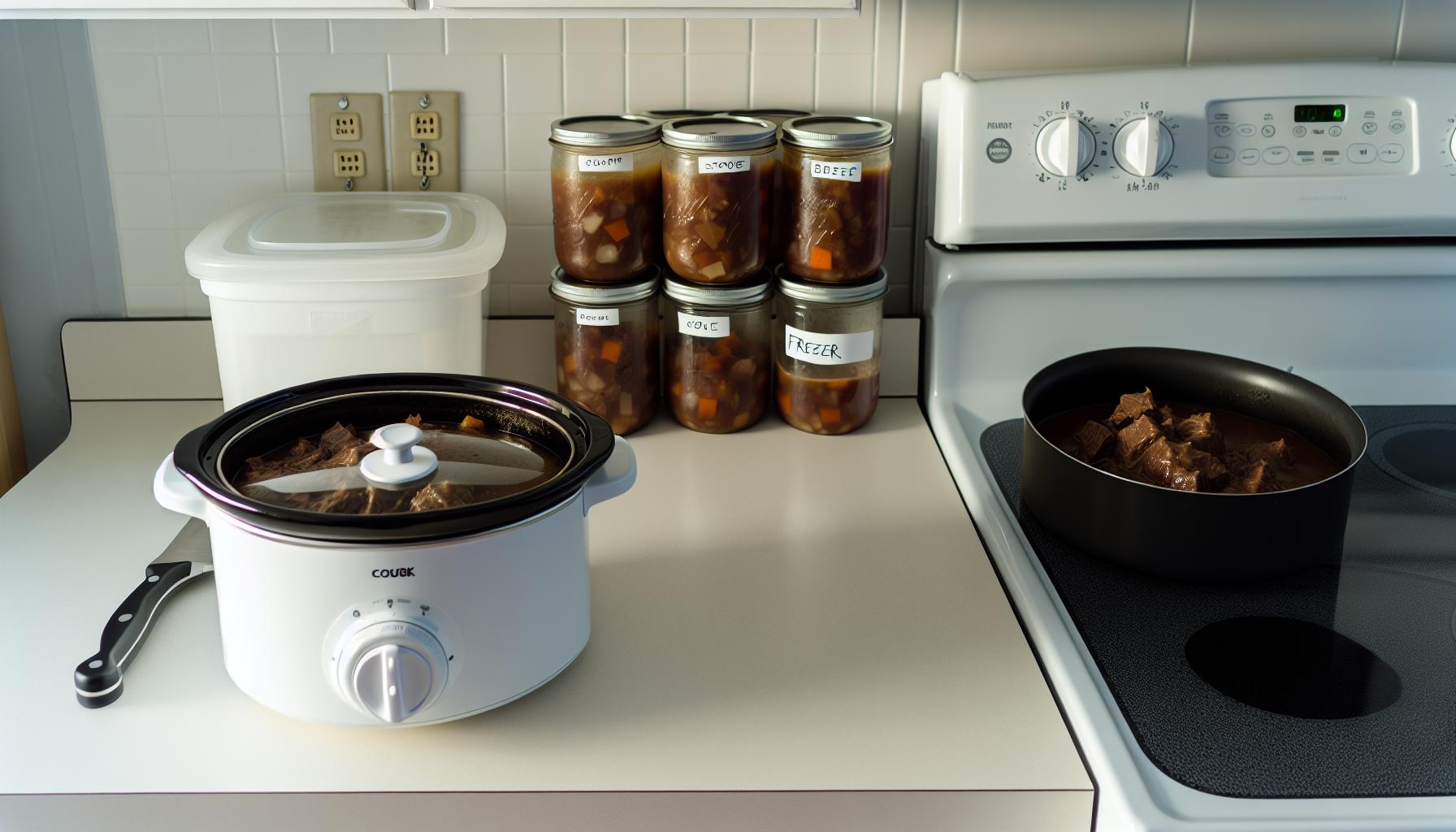
Creative Side Dishes to Pair with Your Hearty Beef Stew
There’s something just downright satisfying about pairing a rich, slow-simmered beef stew with the perfect side dishes that elevate every forkful. Whether you’re aiming for cozy comfort or tossing in a bit of health-conscious flair, the best side dishes not only soak up that luscious broth but also bring texture, balance, and extra flavor to your meal.After all, a stew isn’t just about the meat and veggies-it’s an experience, and the sides are your trusty sidekicks.
Comfort Classics That Never Fail
Nothing beats the classic duo of warm, fluffy bread alongside a hearty beef stew. Think gluten-free buttermilk biscuits or fluffy paleo-approved dinner rolls if you’re catering to dietary needs. These carbs are not just fillers-they’re flavor sponges, soaking up every drop of gravy magic. For a gluten-free option, almond flour biscuits or cassava flour rolls are game changers. If you want to skip baking,buttery mashed cauliflower works beautifully as a paleo-friendly,low-carb alternative that complements the stew’s richness without overpowering it.
Another go-to comfort side is creamy polenta cooked with a splash of coconut milk or almond milk-easy on digestion, gluten-free, and with a silky mouthfeel that contrasts the stew’s chunkiness. It’s basic, doesn’t compete with flavors, and looks pretty fancy on the table too!
Veggie-Powered Pairings for Brightness and Crunch
Slow-simmered beef stew is a slow-cooked hug in a bowl, so tossing in a fresh, crisp side helps balance that heaviness.Simple roasted or steamed green beans tossed in olive oil and lemon zest add freshness and a spark of acidity, elevating the entire plate. For paleo fans, roasted Brussels sprouts with a dash of smoked paprika provide crunch and complexity.
Salads don’t have to be boring or leafy-only. Try a quick slaw with shredded cabbage, carrot, apple, and a tangy apple cider vinegar dressing-the zing cuts through the richness of the stew and adds an uplifting texture. Bonus: it’s super quick to whip up and fully gluten-free and paleo-friendly.
Wholesome Grains and Root Veggie Mash-Ups
If grains are part of your diet, wild rice or quinoa pilaf with toasted nuts and fresh herbs makes a lovely, nutrient-rich side that complements the beef stew’s earthy vibe. Both are naturally gluten-free and can be prepped ahead for busy nights.
For a more rustic feel, try roasting a medley of root vegetables like carrots, parsnips, and sweet potatoes. Their natural sweetness caramelizes in the oven and blends beautifully with the savory stew flavors. For paleo-friendly guests, a pureed butternut squash mash can be a creamy, comforting alternative to mashed potatoes that pairs perfectly with stew’s robust flavor.
| Side Dish | Prep Time | Dietary Notes | Why It Works |
|---|---|---|---|
| Gluten-Free Buttermilk Biscuits | 30 minutes | Gluten-free | Soaks up gravy and adds airy texture |
| Mashed Cauliflower | 20 minutes | Paleo, Low-carb | Creamy, light, and comforting alternative to potatoes |
| Roasted Brussels Sprouts | 25 minutes | Paleo, Gluten-free | Adds crunch and smoky flavor contrast |
| Apple Cabbage Slaw | 15 minutes | Paleo, Gluten-free | Bright, acidic crunch balances richness |
| Wild Rice Pilaf | 40 minutes | Gluten-free | Earthy, nutty side for heartier meals |
| Butternut Squash Mash | 30 minutes | Paleo, Gluten-free | sweet and creamy complement to savory stew |
No matter what your mood or dietary preference, the key is to keep sides simple enough to let your slow cooker beef stew star shine, but engaging enough to make every meal feel special. Plus, mixing and matching from these options means you never get stuck in a flavor rut. Speaking from experience: I once paired my stew with a quick roasted garlic cauliflower mash on a weeknight-minimal effort, maximum deliciousness, and a definite hit with my family.Trust me, these sides turn that already soul-warming bowl into a full-on comforting feast.
FAQ
Q: How can I make my slow cooker beef stew taste like it simmered for hours?
A: To achieve a slow-simmered flavor, brown the beef first to develop rich caramelized notes. Add a splash of soy sauce or Worcestershire sauce for deep umami, and use low heat for 6-8 hours. Let it rest before serving to allow flavors to meld fully. For more, see our Tips to Make Your Stew Taste Like It Simmered All Day section.
Q: What slow cooker settings best replicate stovetop slow simmering for beef stew?
A: Use the low setting on your slow cooker, cooking the stew for 7-8 hours to mimic slow simmering. Avoid “high” to prevent tough meat and overcooked veggies.Cooking low and slow ensures tender beef and a rich broth,essential for that slow-simmered taste.
Q: How do I prevent vegetables from becoming mushy in slow cooker beef stew?
A: add root vegetables like carrots and potatoes halfway through the cooking time or during the last 2-3 hours. This keeps them tender but firm, preserving texture without losing the slow-simmered flavor. Refer to our Perfect Vegetables and Timing section for precise guidance.
Q: Can adding wine or broth substitutes enhance the slow-simmered flavor in beef stew?
A: Yes, red wine or beef broth enhancers, like reduced stock or soy sauce, add depth and complexity.Use about ½ cup red wine or replace some broth with it to boost richness without overpowering.These ingredients build layers of flavor reminiscent of stovetop simmering.
Q: why does slow cooker beef stew sometimes lack the “slow-simmered” depth of flavor?
A: Lack of browning meat,insufficient seasoning,or adding all ingredients at once can cause a flat taste. Searing beef and layering herbs, spices, and umami boosts separately helps develop that deep, slow-simmered flavor. Adjusting the cooking time and stirring occasionally also enhances taste.
Q: How can I thicken slow cooker beef stew broth without losing that homemade slow-simmered taste?
A: Thicken your stew by adding a cornstarch or arrowroot slurry during the last 15-30 minutes of cooking. This keeps the broth rich and glossy. Avoid flour-based thickeners too early, as they can cloud the broth or dull flavors.Check our Crafting a Rich, Slow-Simmered Beef Stew Broth section for more tips.
Q: What herbs and spices best replicate slow-simmered complexity in slow cooker stew?
A: Bay leaves, thyme, rosemary, and a touch of smoked paprika or ground pepper bring out that authentic slow-simmered aroma. Adding fresh herbs toward the end of cooking preserves brightness. Combining dry and fresh herbs creates balanced, layered flavors in your slow cooker stew.
Q: How do I adjust slow cooker beef stew recipes for a paleo or gluten-free diet without losing slow-simmered flavor?
A: Replace traditional flour with paleo-friendly thickeners like arrowroot or tapioca starch and avoid soy sauce by using coconut aminos for umami. Use grass-fed beef and plenty of fresh herbs to maintain rich, slow-simmered depth. Our Gluten-Free and Paleo-Friendly Slow Cooker Beef Stews section offers tailored substitutions.
For more expert tips and flavorful ingredient swaps, explore the full slow cooker beef stew guide. Happy cooking and enjoy that cozy, slow-simmered taste right from your slow cooker!
The Conclusion
Now that you’ve mastered how to make beef stew in a slow cooker that tastes slow simmered, you’re just a few simple steps away from cozy, tender, and flavorful comfort food that fits perfectly into busy weeknights or lazy weekends.This gluten-free, paleo-friendly recipe takes minimal prep-just chop, season, and let your slow cooker do the magic for 6-8 hours. Don’t worry if you want to swap veggies or tweak seasonings; this stew is as flexible as your pantry allows.
Ready to expand your slow cooker skills? Check out our guide to easy paleo soups and stews or discover hearty gluten-free sides that pair perfectly with your beef stew. For even more tips, tools, and meal ideas, sign up for our newsletter-packed with tested recipes and kitchen hacks designed for home cooks who crave both convenience and flavor.If you have questions or tried the recipe, we’d love to hear how it turned out in the comments below. Cooking doesn’t have to be complicated-let’s make delicious slow cooker meals part of your weekly routine!
Get our latest guides, news, and insights highlighted in your Google Search & AI Overviews.