
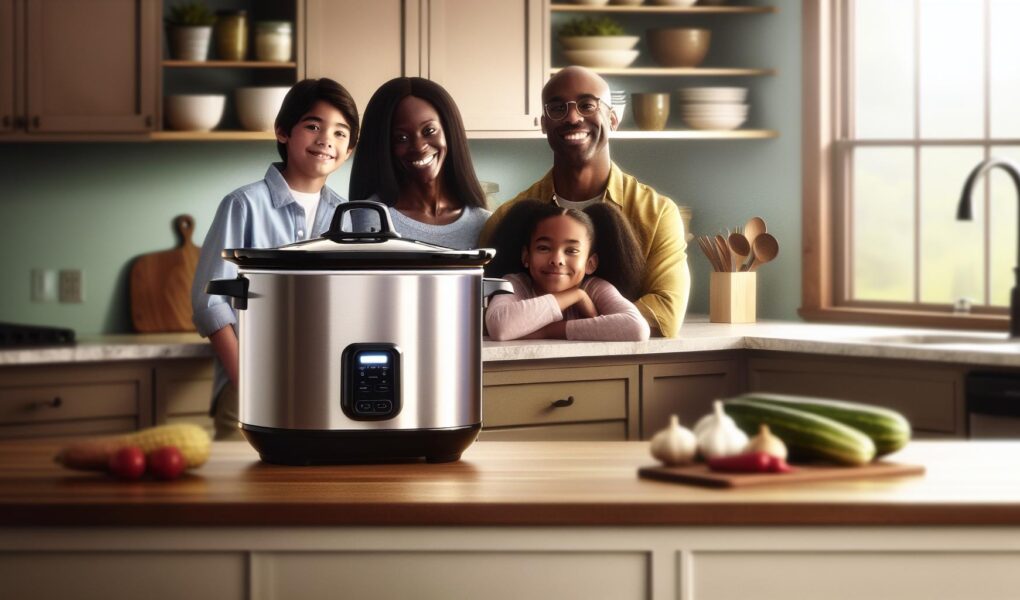
Did you know that picking the right slow cooker size can make or break your dinner plans? For a family of four, choosing a slow cooker that’s too big can lead to wasted food and longer cooking times, while one that’s too small might leave you scrambling for extra meals. Whether you’re juggling gluten-free, paleo, or just craving comforting homemade dishes with minimal effort, understanding the perfect slow cooker size helps you cook smarter, not harder.Imagine setting it up in the morning and coming home to just the right portion of tender, flavorful goodness-no leftovers lost or hungry tummies growling. In this guide, I’ll share practical tips and my own kitchen-tested advice to help you pick the slow cooker that fits your family’s appetite and lifestyle like a glove, so you can spend less time guessing and more time enjoying delicious meals with less stress. Let’s dive in and find your perfect slow cooker match!
Table of Contents
- Choosing the Right Slow Cooker Size for Your Family of 4
- How Slow Cooker Capacity affects Cooking Times and Portions
- Ideal Meal Types for Different Slow Cooker Sizes
- Tips for Perfect Portion Control in a Slow cooker
- Adjusting Recipes When Using Larger or Smaller Slow Cookers
- Slow Cooker Size Recommendations for Busy Weeknights
- How to Maximize Leftovers Without Waste
- Best Slow Cooker Features for Family Meals
- Balancing Gluten-Free and Paleo Options in Slow Cooker Recipes
- Real-Life Slow Cooker Stories and Portioning Hacks
- Frequently Asked Questions
- Q: How do I know if a 4-quart slow cooker is enough for my family of 4?
- Q: Can I use a smaller slow cooker than recommended for a family of 4?
- Q: what slow cooker size is best when cooking gluten-free or paleo meals for 4 people?
- Q: How do slow cooker sizes affect meal prep for busy weeknights with a family of 4?
- Q: Is it better to have a larger slow cooker for leftovers or a smaller one for daily meals with 4 people?
- Q: What size slow cooker works best for mixed dishes like stews and casseroles for a family of 4?
- Q: How do I adjust cooking times when using a slow cooker larger than needed for 4 servings?
- Q: Can slow cooker size impact nutrient retention and flavor for family-sized meals?
- Closing Remarks
Choosing the Right Slow Cooker Size for Your Family of 4
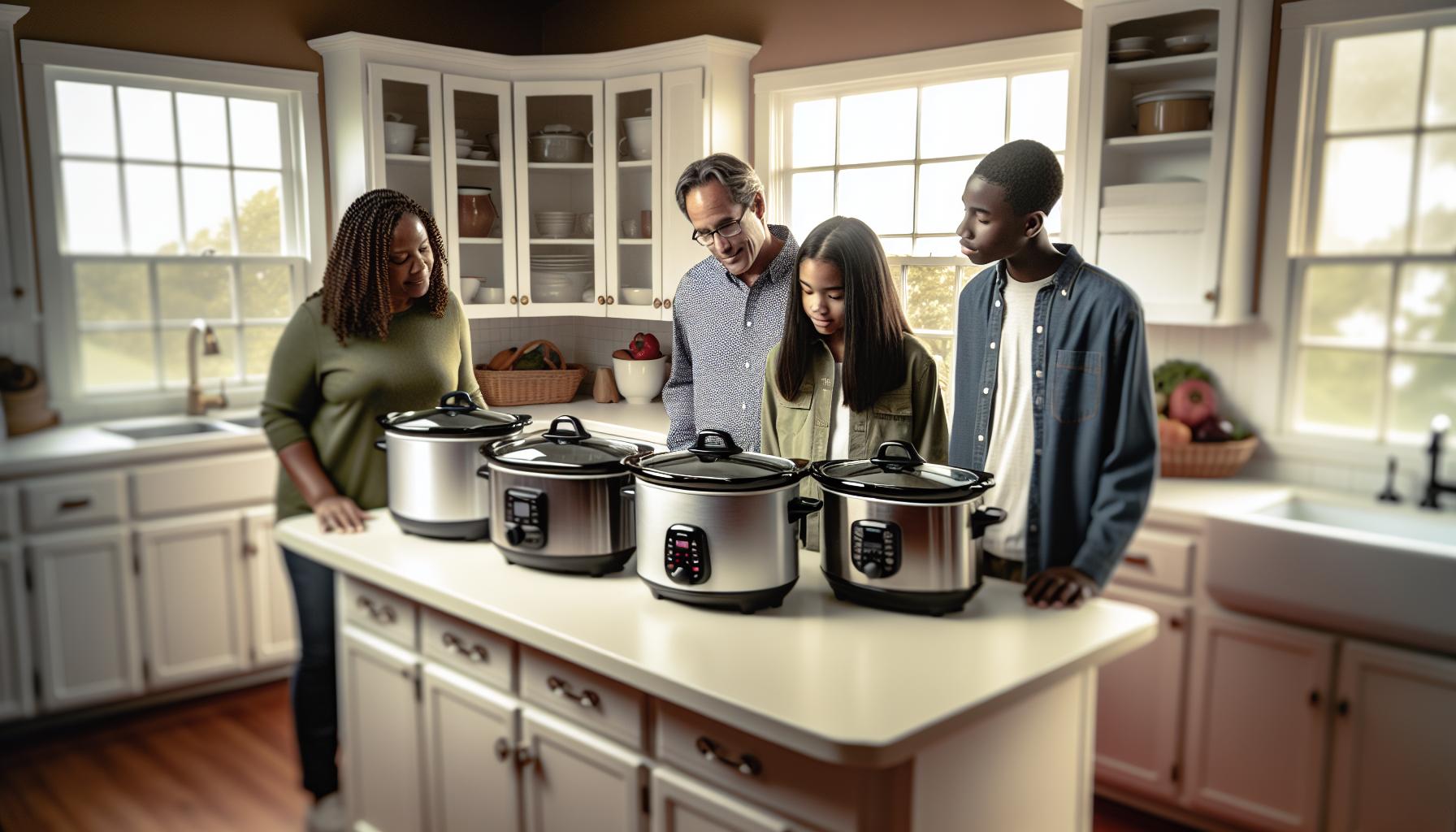
Picking the right slow cooker size for a family of four can feel a bit like Goldilocks-you want it just right, not too big to waste energy and space, yet not too small and risking those dreaded overflow spills. Most families find the sweet spot between 5 to 7 quarts perfect. This size handles typical family meals like hearty stews, shredded chicken for tacos, or a whole paleo-friendly roast without leaving anyone hungry or drowning in leftovers.
Keep in mind,slow cookers work best when filled between half and two-thirds capacity.Overloading can cause uneven cooking, while under-filling might dry out your food or make cooking times a little unpredictable. From my kitchen adventures, a 6-quart slow cooker is a versatile buddy-it’s spacious enough for big batch soups that keep paleo and gluten-free diners happy, yet easy to adjust down when making a smaller dinner or prepping weekday meals.
How to Choose Based on Your Family’s Style
- Busy weekdays: A 6 to 7-quart slow cooker is ideal if you love batch cooking or want leftovers for lunch.
- Smaller portions: If everyone prefers lighter meals or you’re experimenting with new paleo recipes, a 4 to 5-quart cooker can be more efficient.
- Special diets: For gluten-free or paleo families, size also affects ingredient flexibility-more room means you can toss in a variety of veggies, proteins, and herbs for complex, flavorful dishes without crowding.
Also, consider your meal rotation style: Are you the “one pot wonder” churning out large family feasts, or a “swift fix” cooker who switches meals up daily? I’ve found that sizing slowly upwards and experimenting with recipes helps avoid food waste. Plus, it keeps paleo and gluten-free cooking approachable-not overwhelming.Remember, quality time around the table is the real goal, and the right-sized slow cooker is just your trusty sidekick in making that happen.
How Slow Cooker Capacity affects Cooking Times and Portions
Slow cooker size isn’t just about fitting your ingredients-it directly shapes how long your meal takes to cook and how much food you end up with on the table. When you’re working with a smaller slow cooker,say around 4 to 5 quarts,it’s like giving your ingredients a cozy little spa treatment: heat penetrates faster and cooking times might potentially be slightly shorter.But with that compact space, portion size shrinks too, perfect if you’re feeding four with moderate appetites or aiming for lighter paleo-friendly dinners. On the flip side, a larger slow cooker (6 to 7 quarts or more) offers plenty of wiggle room, great for batch cooking or feeding hungry tummies. However, because there’s more volume, heat takes longer to distribute evenly, perhaps extending cook times by 30 minutes to an hour depending on the recipe and ingredients.
One kitchen experiment I swear by: When making bone broth or shredded chicken for tacos in my trusty 6-quart slow cooker, I fill it about two-thirds full and expect a steady 6-8 hour simmer on low. But if I try to shrink that same recipe down to a 4-quart cooker without adjusting times,I end up with undercooked veggies or a dry texture. The magic number for slow cookers is filling between half and two-thirds full – this sweet spot lets food cook evenly without drying out or taking forever. Under-filling can cause faster cooking but with a risk of drying, while overfilling means longer times and possible uneven layers of doneness.
Balancing Portions With Cooking Time
- Half full or less: Expect slightly faster cooking, but watch for drying, especially with lean proteins common in paleo diets.
- Two-thirds full: Ideal for most meals-balances juiciness and cooking time nicely.
- Over two-thirds full: Extend cook times and stir gently if possible to keep heat distribution even.
Adjusting recipes isn’t rocket science-it’s about understanding your slow cooker’s personality. For family meals, adding extra veggies or doubling the protein is easy with bigger sizes, but always give yourself a bit more cook time. For smaller cookers, scale down vegetables or use more concentrated seasoning to keep flavors vibrant.Say you’re making a paleo-friendly beef stew: in a 7-quart slow cooker, you might toss in extra carrots and root veggies for richness and leftovers. In a 4-quart,cut the root veggies back slightly to keep portions manageable without losing flavor depth.
Cooking slow and steady is half the fun-especially when you know how your slow cooker’s size nudges the clock-and your next batch of paleo chili will taste just as amazing whether it’s a quick weeknight meal or a weekend feast to savor for days.

Ideal Meal Types for Different Slow Cooker Sizes
Picking the right slow cooker size not only influences how much you can toss in but also which types of meals really shine in each size. For families of four balancing busy schedules and diverse diets, this choice turns a simple crockpot recipe into a stress-free, crowd-pleasing meal. Think of your slow cooker as a teammate that can either cozy up with quick, small-batch dinners or handle a hearty, simmering stew meant for leftovers and next-day lunches.
On the smaller side (around 4 to 5 quarts), lean toward meals that benefit from tighter heat circulation and quicker cooking times-lean cuts, gluten-free soups, or paleo-friendly vegetable medleys. thes cookers nail weeknight dinners where you want moist, tender protein without a mountain of leftovers. I frequently enough use mine for a Mediterranean chicken with olives and artichokes: just enough for four with some extra salsa for dipping,ready in about 4 to 5 hours on low.
Move up to the 6 to 7-quart range when you’re hungry for big-batch recipes or planning to meal prep. These are ideal for slow-cooked pot roasts, those melt-in-your-mouth pork carnitas, or thick, veggie-packed chili that can feed the family with portions to spare. The extra room means ingredients can simmer gently without overcrowding, but remember to boost cook times by 30 to 60 minutes to keep everything tender and juicy.
Meal Ideas by Slow Cooker Size
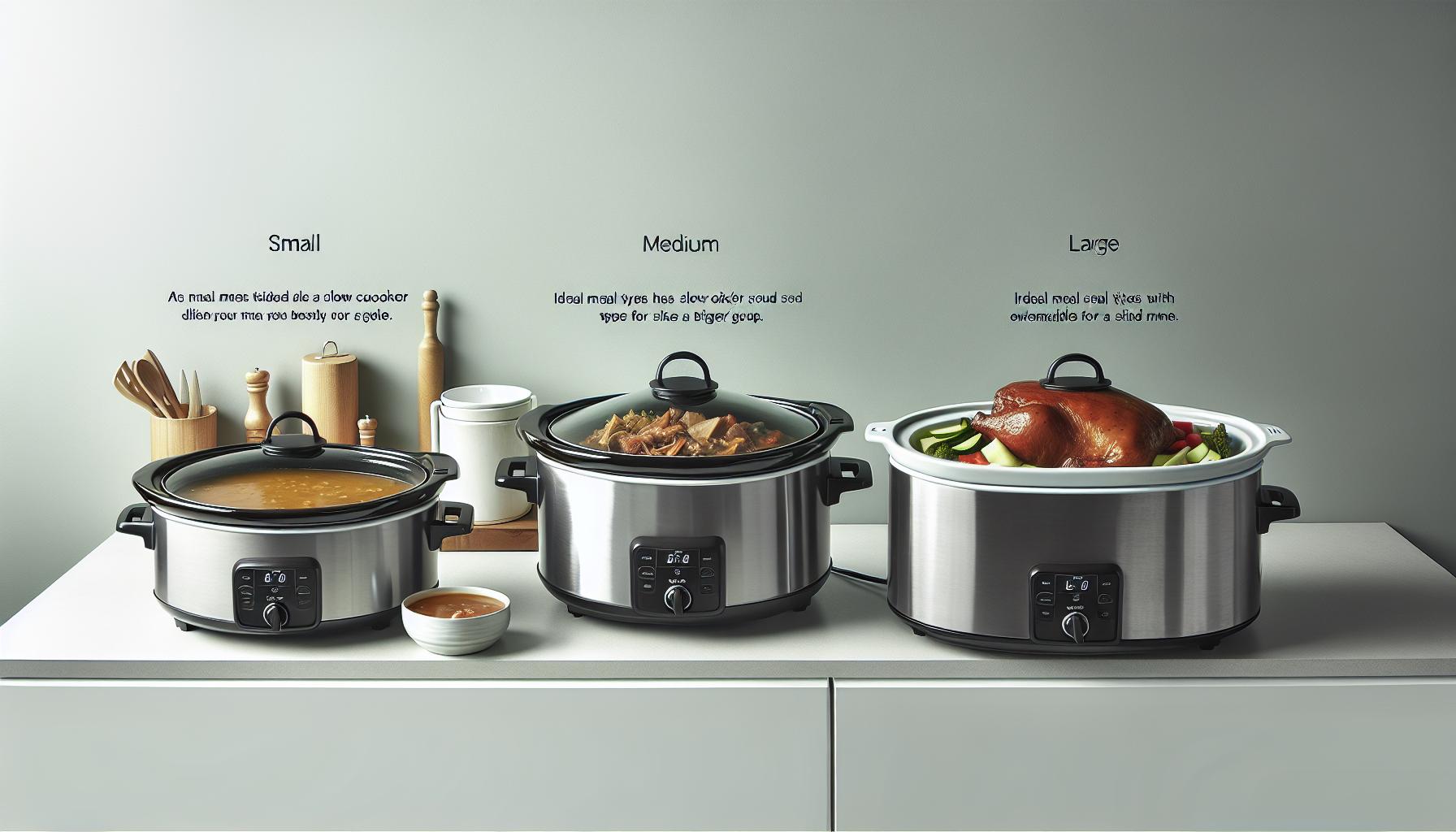
- 4 to 5 quarts: perfect for lean proteins like chicken breasts or turkey meatballs, hearty soups with lots of greens, paleo root veggie stews, and gluten-free curries. Think flavorful, cozy dishes without the fuss of leftovers.
- 6 to 7 quarts: Best for big roasts, bone broth, shredded beef or pork tacos, and slow-cooked bean chili. Great for families who like seconds or want ready-made lunches.
From my kitchen experiments, the key is matching the recipe’s ingredient volume to your cooker’s personality. Overfill a 4-quart slow cooker with a big beef stew, and you risk dry bits or uneven cooking. Underfill a 7-quart slow cooker with a delicate fish stew, and it might cook too fast or lose juiciness.When in doubt, scale wisely and embrace flexibility. Paleo, gluten-free, or classic comfort-your slow cooker size shapes the cooking journey, helping you find that sweet spot between ease and epic flavor.
Tips for Perfect Portion Control in a Slow cooker
Mastering the art of portion control in a slow cooker is like having a secret weapon against both food waste and the dreaded “too-full fridge” syndrome. As slow cookers love company-meaning ingredients-and recipes frequently enough scale up easily,it’s tempting to throw in extra food “just in case.” But dialing in perfect portions keeps your meals balanced, your cook times on track, and your family happily well-fed without feeling overwhelmed by leftovers.
One of my go-to strategies is to think of the slow cooker’s capacity as a flexible friend, not a container to max out. For a family of four, aim to fill your 4 to 5-quart cooker about 2/3 full. This sweet spot allows ingredients room to circulate heat evenly,which means your lean paleo chicken thighs or hearty gluten-free root stews come out tender and juicy rather than dry or unevenly cooked. If you’re working with a bigger 6 to 7-quart slow cooker, filling it halfway or just a bit more works well to avoid the food cooking unevenly or drying out-a common pitfall when slow cooking smaller recipes in oversized pots.
Here’s a quick rubric I follow to keep portion sizes on point and meals hassle-free:
- Estimate servings by weight or volume: About 1 pound of lean protein or hearty veggies equals roughly 2 to 3 servings-not including sides, of course.
- Keep an eye on liquids: Too much can dilute flavors and stretch portions too thin; too little can burn ingredients. A cozy balance helps your paleo soups and gluten-free chilis shine.
- Use meal prep containers: Portion leftovers instantly into individual containers. It speeds up breakfasts or lunches and keeps portions consistent without fuss.
I onc tried a shredded beef recipe in my 7-quart cooker, but only used half the usual ingredients. The beef cooked faster and dried out by the evening-lesson learned. Scaling recipes for your cooker really matters. And hey, don’t stress if you make too much. Leftovers can turn into next-day taco bowls or soups with a fresh twist. Portioning thoughtfully, you’re not only feeding your family but also making peace with your kitchen rhythm-and that’s a win in my book.

Adjusting Recipes When Using Larger or Smaller Slow Cookers
Adapting recipes to fit different slow cooker sizes can feel like trying to crack a secret code-but once you get the hang of it, it’s as satisfying as pulling a perfect roast from the pot. Whether you’re downsizing for a cozy two-person meal or scaling up to feed a hungry crowd, the key is understanding that slow cookers don’t behave like traditional stovetop pots. Cooking times and ingredient amounts don’t always scale linearly, so a little recalibration goes a long way in keeping your paleo or gluten-free dishes tender, flavorful, and evenly cooked.
When moving to a larger slow cooker, resist the urge to just double everything. Instead, fill your pot only halfway to two-thirds full. This gives ingredients breathing room to heat through evenly and prevents drying, especially with lean proteins like chicken thighs or delicate veggies. Also,watch your liquid levels closely-larger pots often need less added liquid than you might think,since slower evaporation and more surface area can concentrate flavors rather than dilute them. For example, if your gluten-free chili recipe calls for 2 cups of broth in a 4-quart cooker, try starting with 3 cups in a 6-quart slow cooker rather than 4, and adjust as needed based on texture during cooking.
Going smaller takes a bit more finesse. With smaller slow cookers, ingredients pack in tighter and cook faster, so trimming down both cooking times and portion sizes helps avoid mushy veggies or dry meats. I’ve learned this firsthand while trying my shredded beef recipe in a compact 3-quart cooker-it chopped the usual 8-hour slow cook time to just 5, so I set a timer and checked early to snag that tender spot before things went south. When downsizing, sticking to about 2/3 to 3/4 of the pot’s capacity helps prevent overfilling, which can cause undercooked centers or messy spills.
Practical Tips for Scaling recipes Up or Down
- Check fill levels: Aim for 2/3 full for medium sizes and 1/2 to 2/3 for larger cookers to avoid drying or uneven cooking.
- Adjust liquids thoughtfully: Add gradually-too much water can dilute flavors, too little risks burning.
- Reduce cook times when smaller: Start checking for doneness 1-2 hours earlier than your original recipe.
- Don’t stress about perfection: If you end up with leftovers, get creative-leftover paleo stews can become breakfast hash or taco fillings.
Remember, slow cooking is part art and part science, with plenty of room for flexibility.My slow cooker experiments have never been perfect,but embracing the learning curve made my gluten-free and paleo meals better and kitchen life way more fun. So trust your instincts, keep a kitchen timer close, and enjoy the process-and the delicious, mess-free meals-no matter the pot size.
Slow Cooker Size Recommendations for Busy Weeknights
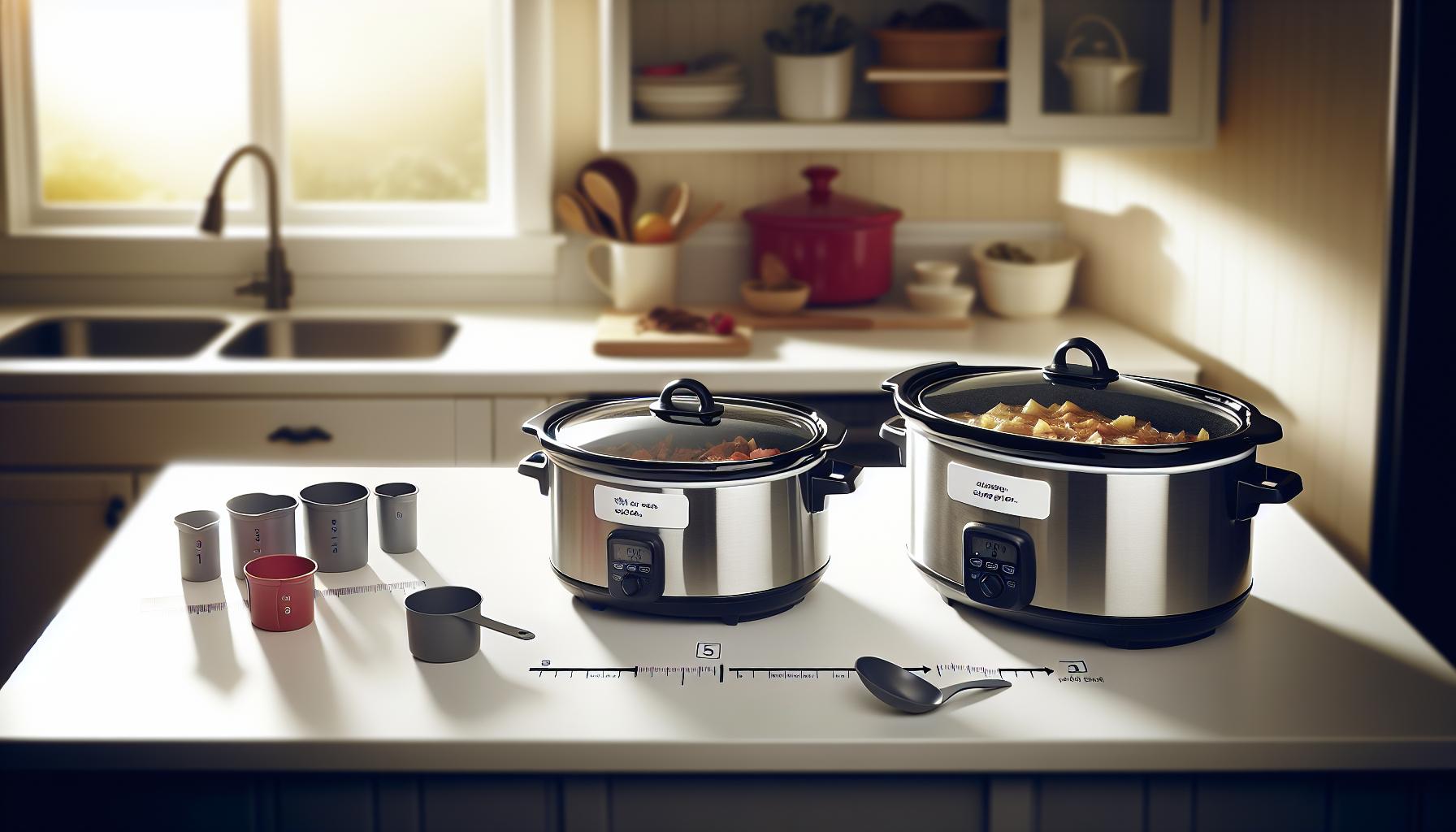
Busy weeknights call for quick, fuss-free meals that don’t skimp on flavor or family-sized portions. Picking the right slow cooker size is key here-not too small that you’re overcrowding ingredients and risking uneven cooking, and not so big that dinner feels sparse or you’re babysitting leftovers. For a family of four juggling school runs, work, and after-dinner activities, a 5 to 6-quart slow cooker usually hits the sweet spot. It’s roomy enough to handle a full chicken,chili,or stew with plenty of veggies but still cooks efficiently without wasting energy or space.
The beauty of this size is how versatile it is for weeknight meals. You can toss in a paleo-friendly pork roast with root veggies or a gluten-free chicken curry and expect hearty portions that stretch to your liking. On hectic days, I love starting dinner early and letting the slow cooker work its magic while I help with homework or prep quick salads. Plus, a 6-quart slow cooker gives you room to tweak your recipe-adding that extra handful of kale or swapping sweet potatoes for regular ones-without throwing off cooking times drastically. Just remember to keep the pot about two-thirds full. Overstuffing makes the food steam instead of simmer, turning tender roasts into tough bites.If space or time is tighter, slightly downsizing to a 4-quart model works too, but expect to shorten cook times by an hour or so based on your experience. Smaller pots are perfect for nutritious, no-fuss soups or shredded chicken dishes that come together in about 4 to 5 hours on low. As an example, my favourite gluten-free taco filling in a 4-quart cooker is ready just in time for the kids’ soccer practice snack, which makes me feel like a meal-planning ninja. Just keep an eye on ingredient volume-aim to fill that cooker between half and two-thirds to avoid undercooked centers or messy spillovers.
- Choose 5-6 quarts for flexibility: Perfect for roasts, stews, and family-sized meals.
- Consider 4 quarts for quick, smaller dishes: Great for soups, chilis, or quick shredded proteins.
- Fill up properly: Keep between 50-70% capacity for even cooking, avoiding dry or mushy results.
- Adjust cooking times: Start checking dishes earlier in smaller slow cookers to catch that ideal tender texture.
Trust me, knowing your slow cooker’s mojo will save you from mid-week cooking chaos. The goal isn’t perfect-portion stress but reliable meals that fit your family rhythm-and keep everyone happy around the table, paleo or gluten-free plate included. So embrace that hands-off, slow-cooked goodness and enjoy dinner without the frantic scramble. You’ve got this!
How to Maximize Leftovers Without Waste
There’s something magical about slow cooker leftovers-they’re like little flavor bombs that often taste better the next day. But rather than just letting those extra servings languish in the fridge (or worse, in the back of the freezer until mystery time!), a few thoughtful strategies can make sure every bite shines without adding to your workload or waste pile.
One of my favorite tricks is to plan leftovers with intention. For example, a 5 to 6-quart slow cooker beast can churn out enough stew or chili not just for dinner but for lunch the next day. Instead of a repeat plate, get creative and transform those leftovers into something fresh. Think shredded pork from last night’s paleo-friendly roast turned into hearty lettuce wraps, or that gluten-free chicken curry reinvented as a quick soup with some bone broth and extra veggies. These small tweaks keep meals exciting and feel like less of a chore. Plus, slow cooker meals often develop deeper flavors overnight, so don’t be shy about doubling recipes when you have the space!
- Divide and conquer early: Once your slow cooker finishes, separate leftovers into individual portions right away.This not only helps with portion control but simplifies reheating without overdoing it.
- Freeze smartly: Use freezer-safe containers or bags labeled with dates and contents. Portioning before freezing means you only thaw what you need, reducing waste.
- Mix and match meals: Stretch leftovers across different meals-turn a slow cooker roast into salads, tacos, or morning hash with eggs.
- Cook with ingredient versatility: Choose ingredients that pair well in multiple dishes. For example, sweet potatoes can be added to stew or later roasted as a side.
Real Kitchen Wins: Making the most of Leftovers
In my own kitchen, I often throw in a batch of chopped kale or extra root veggies knowing they’ll bulk up the meal and reheat beautifully for lunches. One time, I had enough slow cooker turkey chili to last through the week, but rather than eating chili every day, I repurposed some as a topping on gluten-free nachos one night and stuffed peppers the next. It made those leftovers feel like brand-new dishes, and the family didn’t even realize they were eating repeats!
Remember, slow cookers aren’t just about convenience-they’re about smart cooking. Balancing portion size with planned leftovers means no food ends up in the trash, which feels great for your wallet and the planet. When your slow cooker is working its magic, you’re not just feeding your family-you’re making meals that keep giving back. So grab those leftovers with confidence, get a little creative, and keep the flavor party going strong.
Best Slow Cooker Features for Family Meals
Choosing a slow cooker that fits snugly into your family’s routine can transform mealtime from a scramble into a savory festivity. Beyond just size, the features packed into your slow cooker make a big difference-especially when feeding a busy family of four where every minute and every bite counts. Whether you’re crafting a cozy paleo stew or a gluten-free chili loaded with veggies, the right gadget can be your culinary sidekick, helping you deliver delicious meals without extra fuss.
One feature that’s a total game-changer is programmable cooking settings.Imagine setting your slow cooker in the morning for a 6- or 8-hour cook time but having it automatically switch to “keep warm” at the end. This lets you come home to perfectly cooked, yet not overdone, meals-perfect for busy weekdays when your schedule is all over the place.bonus points if your slow cooker includes a digital timer or even a smartphone app control, which some of the newer models boast. It’s like having a sous-chef in your pocket, keeping the pot ready for your arrival. I once had a week where the slow cooker beeped a little early-I just switched it warm from my phone while stuck in traffic. Lifesaver!
another feature that often flies under the radar but packs powerful convenience is the removable stoneware insert. This isn’t just about easy cleanup (though that alone is worth a cheer).Stoneware retains heat beautifully, meaning leftovers reheat evenly and stay hot longer when placed directly on the table. Plus, many inserts are oven-safe, so you can easily broil a cheesy topping or finish a dish off in the oven if you want to add a crispy twist. For families who enjoy multitasking during dinner prep, this versatility is golden. Plus, stoneware is great for paleo or gluten-free diets since you’re less likely to have cross-contamination if you dedicate a slow cooker to these meal types.
- variable heat settings: Beyond just high/low, look for models with a “medium” or “simmer” option-it gives you more control especially for delicate paleo veggies or gluten-free grains.
- Dishwasher-safe parts: So much easier to clean up after a busy day, right? This simple feature can encourage more frequent slow cooker use as the cleanup dread is gone.
- Size flexibility: Some slow cookers come with inserts of different sizes-great if you want to double a recipe or dial it down for smaller portions without buying extra appliances.
from my kitchen to yours, I love using a slow cooker with a clear glass lid. It may sound trivial, but being able to peek in and see how things are coming along without lifting the lid keeps heat locked in and cooks food more evenly-key when you’re keeping an eye on textures for gluten-free or paleo-friendly recipes. When our slow cooker had a sturdy latch lid, it was a real game-changer for car camping trips with the family-no spills, easy transport, and the meals stayed hearty and warm!
——
My go-To slow Cooker Feature Checklist for Family Feasts
| Feature | Why It’s Great for Family Meals | Example Use |
|---|---|---|
| Programmable Timer + Keep Warm | Hands-off cooking; avoids overcooking | Set chili for 7 hours; keep warm till dinner |
| removable Stoneware Insert | Easy cleanup; oven-safe versatility | Finish a paleo shepherd’s pie under the broiler |
| Multiple Heat Settings | Gentle cooking for delicate ingredients | Simmer gluten-free soups without overcooking veggies |
| Dishwasher-safe Components | less post-meal hassle | Quick cleanup after weeknight meals |
| Clear Glass Lid | Monitor progress without losing heat | Check tenderness of slow-cooked brisket |
——
In short, the best slow cooker for a family of four isn’t just about having enough capacity-it’s about smart features that save time, boost flavor, and suit your family’s lifestyle. Whether you’re juggling paleo dinners, whipping up gluten-free comfort food, or just trying to get dinner on the table without losing your cool, these features help you cook smarter, not harder. Trust me, once you find a slow cooker that feels like a kitchen buddy rather than just a tool, the magic of family meals unfolds effortlessly.
Balancing Gluten-Free and Paleo Options in Slow Cooker Recipes
One of the coolest things about slow cooking for a family with gluten-free and paleo preferences is how effortlessly these diets can come together in one pot-no stress, no separate meals, just wholesome, flavorful food that everyone enjoys. The trick? Choosing the right size slow cooker that lets you balance portion size while accommodating ingredient swaps that fit both dietary needs. A 5 to 6-quart slow cooker is usually the sweet spot for a family of four,offering enough space for hearty recipes like paleo-friendly stews or gluten-free chilis without overcrowding and risking uneven cooking.
When crafting recipes that hit both gluten-free and paleo marks, think about ingredients that naturally overlap: fresh veggies, quality proteins, and healthy fats.For example, using coconut aminos rather of soy sauce checks both boxes for Asian-inspired pork or chicken dishes. And here’s a kitchen-tested tip: keep a dedicated stoneware insert or slow cooker pot for your paleo and gluten-free meals to avoid cross-contamination. I’ve found that even a simple gluten-free vegetable curry turns out richer and more flavorful when slow-cooked low and slow in stoneware, soaking up all those warm spices without the risk of gluten sneaking in from other meals.
Balancing Meal Types and Portions with Ease
- Soups and stews: These are your friends. They’re naturally gluten-free and easy to paleo-ify with the right broth and veggies. Slow cooking keeps them tender, while a mid-sized cooker (5-6 quarts) gives you room for generous portions without leftovers overload.
- Roasts and whole proteins: Think whole chickens or brisket seasoned simply-no breadcrumbs or soy-based marinades. These recipes scale beautifully; just adjust cooking time slightly if your cooker is larger or smaller than 6 quarts.
- Vegetable-focused sides: Sweet potatoes, butternut squash, and carrots roast up beautifully in slow cookers with a splash of olive oil and herbs.Use the cooker’s simmer or medium setting to avoid mushy textures common on high heat.
Adjusting portions is as much about mindful ingredient choices as capacity. Smaller slow cookers near 4 quarts work great if you’re fine with smaller meals or plan frequent cooking. For those juggling both gluten-free and paleo diets but who don’t want to cook separately every night, a 6-quart slow cooker with a removable insert could be a game-changer to make multiple dishes seamlessly-one paleo-friendly, the other gluten-free without any gluten slip-ups.
Simple Swaps and smart Shortcuts
Here’s a glimpse of my go-to pantry swaps and tips that keep slow cooker meals both paleo and gluten-free without sacrificing flavor or convenience:
| Ingredient | Paleo-Friendly Swap | gluten-Free Swap | Usage Tip |
|---|---|---|---|
| soy sauce | Coconut aminos | Gluten-free tamari | Use sparingly; they add umami without gluten |
| Breadcrumbs | Ground almonds or crushed pork rinds | Gluten-free breadcrumbs | Add for texture but test portion size to avoid density |
| Thickening agents | Tapioca or arrowroot starch | Cornstarch or gluten-free flour blends | Mix with cold water before adding to avoid lumps |
| Broth | Bone broth (homemade or store-bought) | Gluten-free broth | Check labels to avoid hidden gluten or sugars |
Cooking paleo and gluten-free might sound intimidating, but slow cookers simplify the process by offering low maintenance, high reward meals where you can toss everything in the pot early and forget it till dinnertime. If you’re like me and tend to double recipes,just remember to factor in your slow cooker’s capacity so ingredients don’t overflow or undercook. A well-sized cooker lets you enjoy meal prep without hovering over the kitchen timer or worrying if the paleo plantains on one end will cross paths with gluten-filled sauces on the other-a subtle but huge peace of mind for busy families.
In my experience, the magic happens when dietary rules meet easy-to-follow slow cooker habits-no gimmicks, no sacrifice on taste or portions. Whether it’s a cozy, slow-simmered paleo chili or a vibrant gluten-free ratatouille, the right size cooker paired with thoughtful ingredient choices unlocks a delicious rhythm that balances health, flavor, and family size perfectly.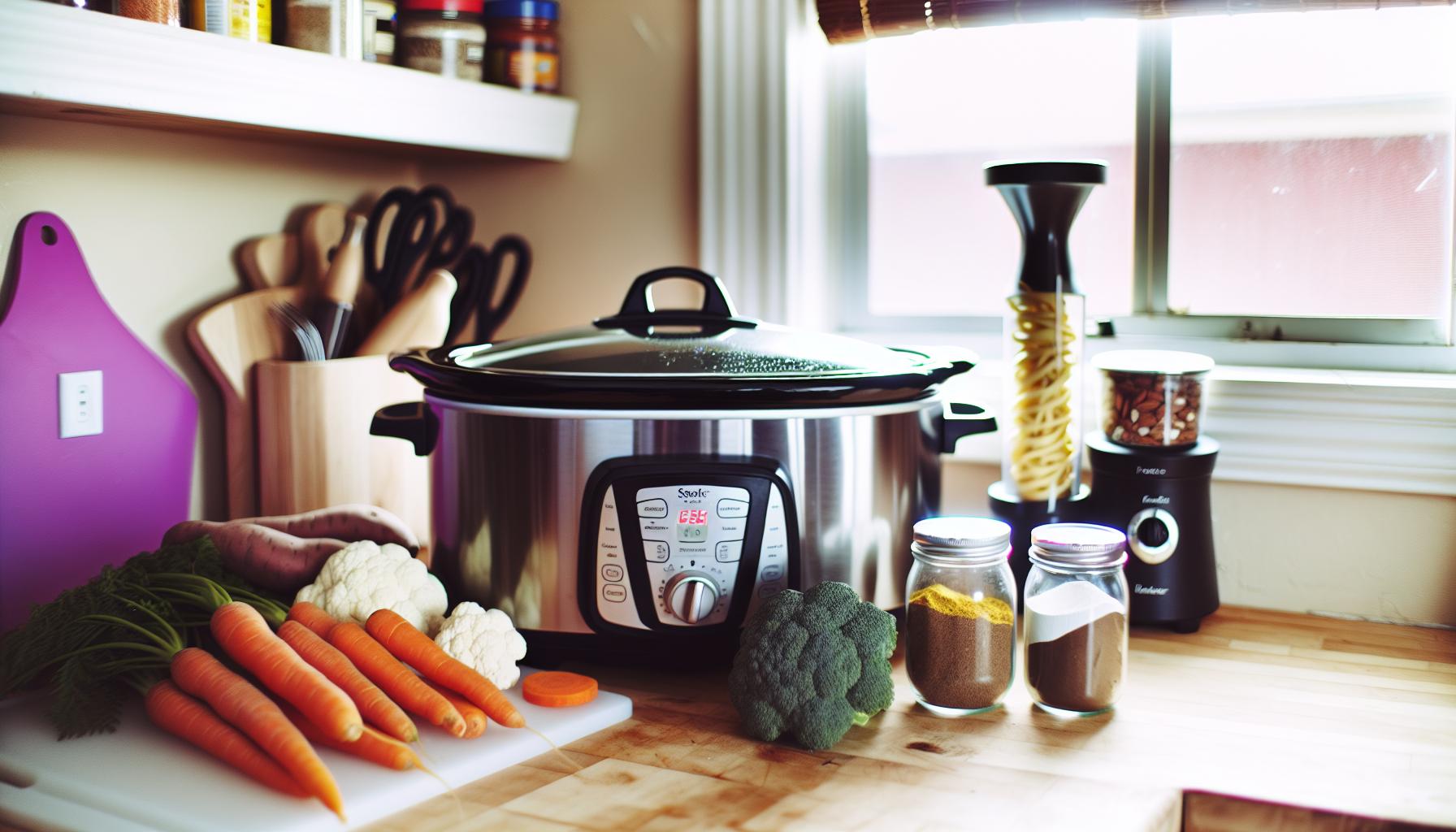
Real-Life Slow Cooker Stories and Portioning Hacks
Slow cookers have a magical way of turning simple ingredients into soulful meals, but let’s be real: portion control can feel like trying to tame a beast, especially when cooking for a family of four with paleo and gluten-free preferences. I’ve learned the hard way that size really *does* matter. Too small, and the pot’s going to overflow or undercook; too big, and you’re stuck staring down a mountain of leftovers-perfect for some, but not so much when fridge space and meal variety matter. The sweet spot? A trusty 5 to 6-quart slow cooker feels just right, giving you enough breathing room for big chunks of meat or loads of veggies, while keeping your portions balanced and cooking even.
One of my favorite hacks involves doubling-or halving-recipes on the fly, using clear volume guidelines rather than guessing. For example,when making a paleo-friendly beef stew (think hearty,but not swampy),I fill the cooker about two-thirds full. This gives the meat and veggies space to soften properly without sitting in too much liquid. And as I’m frequently enough busy juggling work and kids,I keep a little chart on the fridge reminding me of these fill levels:
| Slow Cooker Size | Recommended Fill Level for Best Results | typical Portion Yield (Family of 4) |
|---|---|---|
| 4 quarts | ~ 3 quarts (¾ full) | About 4 smaller portions or 3 generous servings |
| 5 to 6 quarts | ~ 4 to 5 quarts (2/3 full) | 4 hearty portions + some leftovers |
| 7+ quarts | ~ 5 to 6 quarts (less than 2/3 full) | 6+ portions,best if doubling recipes or meal prep |
I can’t recommend enough including a removable insert if you have family members with different dietary needs.One slow cooker, multiple inserts-paleo curry in one, gluten-free chili in another-no fuss, no cross-contamination. This trick saved my sanity when feeding my household gluten-free and paleo without running two cooks or two kitchens!
Portioning Made Simple: Real Kitchen Tales
Here’s a little story: on a hectic weeknight, I threw together a vegetable-heavy stew in my 6-quart slow cooker. I chopped sweet potatoes, carrots, and grass-fed beef chunks, tossed them in with bone broth and apple cider vinegar (a secret flavor booster for paleo-friendly dishes!), and let it work its magic for 8 hours on low. when dinner time came, perfect portions emerged-plenty for everyone, plus a little leftover for tomorrow’s lunch. The key? I didn’t stuff the cooker full and measured roughly by volume, which prevented the dreaded “slow cooker mush.”
Another day, I experimented with batch cooking chicken thighs in two separate inserts-one seasoned with coconut aminos and fresh ginger for paleo, the other with gluten-free tamari and garlic for a gluten-free soy twist. Dinner was a hit without any taste cross-over. Portion control was easy because each insert’s size kept me honest-not too full, not too empty.
Portioning Tips That Save Time and Sanity
- Keep it two-thirds full: this ensures even cooking and room for expansion, especially with beans or starchy veggies.
- Use dedicated ceramic inserts for dietary swaps: This simple move prevents cross-contamination and helps with portioning separate meals together.
- Label leftovers right away: Portion into airtight containers immediately after dinner to manage portions and avoid fridge chaos.
- Batch smaller recipes: When cooking for fewer people, halve recipes and freeze extras in meal-sized portions for busy nights.
Portion control is not about being perfect-it’s about knowing your slow cooker, your family’s appetite, and having a few kitchen-tested tricks up your sleeve. So, grab that 5 or 6-quart slow cooker, stock it with fresh paleo and gluten-free ingredients, and let your slow cooker do the heavy lifting. Done right, you’ll find slow cooking can add serious joy-and sanity-to family mealtime.
Frequently Asked Questions
Q: How do I know if a 4-quart slow cooker is enough for my family of 4?
A: A 4-quart slow cooker typically handles meals for 4 servings, perfect for most family dinners. If your family enjoys larger portions or likes leftovers,consider upgrading to 5 or 6 quarts. For precise portion control tips, check out the Perfect Portion Control in a Slow Cooker section for balanced meal planning.
Q: Can I use a smaller slow cooker than recommended for a family of 4?
A: Using a smaller slow cooker (around 3 quarts) for 4 people is possible but may mean cooking in batches or serving smaller portions. It’s best for simple meals or sides rather than main dishes. Adjust cooking times carefully-refer to Adjusting Recipes When Using Larger or Smaller Slow Cookers for easy recipe tweaks.
Q: what slow cooker size is best when cooking gluten-free or paleo meals for 4 people?
A: A 5 to 6-quart slow cooker is ideal for preparing hearty gluten-free or paleo meals for four. Larger capacity helps accommodate whole ingredients like veggies and meats without crowding. For meal ideas that balance these diets with family favorites, see our Balancing Gluten-Free and Paleo Options section.
Q: How do slow cooker sizes affect meal prep for busy weeknights with a family of 4?
A: For busy weeknights, a 5-quart slow cooker provides enough volume to prep once and feed your family with minimal fuss. Larger sizes reduce the risk of overfilling and allow hands-off cooking. Explore our Slow Cooker Size Recommendations for Busy Weeknights for practical tips to save time.
Q: Is it better to have a larger slow cooker for leftovers or a smaller one for daily meals with 4 people?
A: If you prefer leftovers and batch cooking,a 6-quart slow cooker offers extra space for larger meals. For daily meals without much excess, a 4 to 5-quart model is more efficient and reduces waste. See How to Maximize Leftovers Without Waste for smart portion and storage advice.
Q: What size slow cooker works best for mixed dishes like stews and casseroles for a family of 4?
A: A 5-quart slow cooker balances enough capacity for mixed dishes like stews or casseroles, ensuring even cooking and enough servings for four. mixed dishes often expand during cooking,so avoid smaller sizes. Our Ideal Meal types for Different Slow Cooker sizes section has more tailored recommendations.
Q: How do I adjust cooking times when using a slow cooker larger than needed for 4 servings?
A: When using a larger slow cooker for 4 servings, reduce cooking times or add less liquid to prevent overcooked food. Smaller quantities heat faster in bigger pots, so monitor progress closely.For detailed guidance, see the Adjusting Recipes When Using Larger or Smaller Slow Cookers section.
Q: Can slow cooker size impact nutrient retention and flavor for family-sized meals?
A: Yes, using the right slow cooker size helps maintain consistent temperature, preserving flavor and nutrients. Overfilled or underfilled pots can cause uneven cooking. Choosing the correct size ensures your family’s meals are both healthy and tasty-learn more in our choosing the Right Slow Cooker Size section.
Feel free to explore our article’s sections for deeper insights on slow cooker size and portioning strategies that make meal prep fun and efficient for your family!
Closing Remarks
Finding the perfect slow cooker size for a family of four doesn’t have to be complicated-aim for that sweet spot between ample portions and minimal leftovers to keep mealtime stress-free and delicious. Whether you’re making cozy gluten-free stews or quick paleo-friendly dinners, the right cooker can simplify your prep and keep everyone happy around the table. Ready to elevate your slow cooking game? explore our Best Slow Cooker Recipes for Busy Families or dive into Easy Meal Prep Tips for Gluten-Free Living to keep dinner planning effortless and tasty.
Don’t let uncertainty hold you back: choosing the ideal slow cooker size ensures your meals turn out perfectly every time, with no wasted food or frantic scrambling. If you’re curious about how to adapt recipes for different dietary needs or want savvy kitchen hacks, our Slow Cooker Tricks & Tips have you covered. Subscribe to our newsletter for fresh ideas, exclusive recipes, and expert advice designed for busy home cooks who love good food without the fuss. Got a favorite slow cooker meal? Drop a comment below and share your tips-we love hearing from you!
With the right size slow cooker in your kitchen arsenal, family dinners become a joy, not a chore. This guide was crafted to empower you with practical, approachable knowledge so every meal feels homemade and heartfelt-even on your busiest days. Keep exploring, stay inspired, and let your slow cooker do the heavy lifting while you savor the simple pleasures of shared meals.
Get our latest guides, news, and insights highlighted in your Google Search & AI Overviews.


