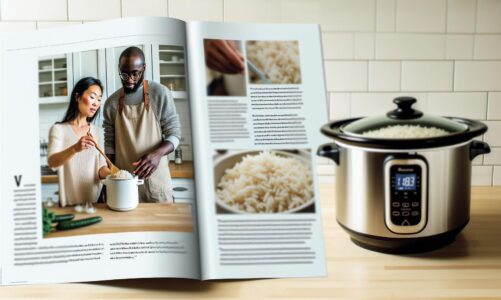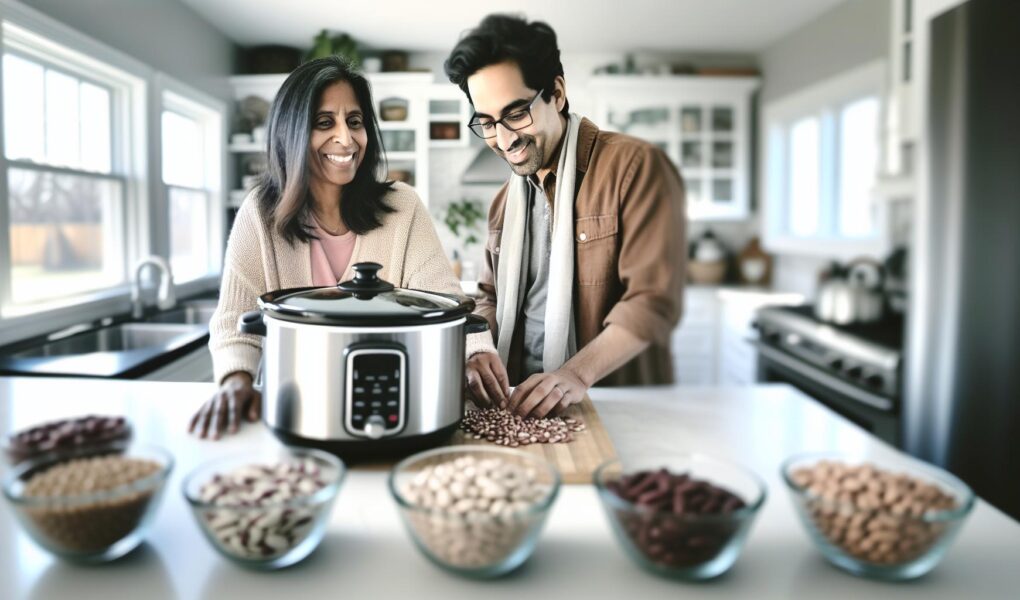
Beans are a fantastic, nutrient-packed staple that many of us love to cook in a slow cooker for hands-off convenience. But hereS the catch: can you safely cook beans this way without risking your health or ending up with a mushy mess? This question matters especially if you’re paleo, gluten-free, or just want to make sure you’re doing it right. Slow cookers are perfect for busy lives, turning simple ingredients into flavorful meals, but some beans-like kidney beans-need extra care to neutralize natural toxins. In this guide, I’ll share what you absolutely must no about prepping, soaking, and cooking beans safely in your slow cooker, with easy tips and real kitchen-tested advice. Whether you’re aiming for quick weeknight dinners or meal prepping gluten-free comfort food, this will help you enjoy beans the safe and tasty way-no guesswork, no stress. Let’s dive in and get those beans perfect every time, so you can savor more nourishing meals with less fuss!
Table of Contents
- Are raw Beans Safe for Slow Cooker Use?
- How Long should You Cook Different Beans in a Slow Cooker?
- Avoiding Toxins: The Critical Step You Must Never Skip
- Best Bean Varieties for Slow Cooker Recipes
- Soaking vs.No-Soak: Which Method Works Best?
- Easy Slow Cooker Bean Recipes for Busy Weeknights
- Tips to prevent Common Slow Cooker Bean Cooking Mistakes
- Flavor Boosters: Delicious Add-Ins to Elevate Your Beans
- Gluten-Free and Paleo-Friendly Bean Cooking Tips
- Storage and Reheating: Keeping Slow Cooker Beans Safe and Tasty
- FAQ
- Q: Why is it important to use fresh water when cooking beans in a slow cooker?
- Q: How can I tell if my slow cooker is reaching a safe cooking temperature for beans?
- Q: Can canned beans be safely cooked further in a slow cooker for flavor or texture?
- Q: What are the best slow cooker settings to avoid undercooked beans?
- Q: Are there special safety considerations when cooking beans overnight in a slow cooker?
- Q: How does altitude effect slow cooker bean cooking safety and timing?
- Q: Can I add acidic ingredients like tomatoes or vinegar while cooking beans safely in my slow cooker?
- Q: Why do some beans cause digestive discomfort when cooked in a slow cooker and how can I reduce it?
- Insights and Conclusions
Are raw Beans Safe for Slow Cooker Use?
Cooking beans in a slow cooker is a fantastic way to prepare a wholesome,comforting meal with minimal fuss. However, when it comes to using raw dry beans, a little caution is warranted. Raw beans contain natural toxins – specifically, a protein called phytohemagglutinin, most notably in red kidney beans – that can cause nausea and discomfort if not properly handled. The good news? These toxins are easily neutralized with the right prep and cooking steps,so you can enjoy slow-cooked beans safely and deliciously.
The tricky part is that slow cookers don’t always reach the high temperatures needed quickly enough to destroy the toxins if you simply toss raw beans into the pot and start cooking.To keep things safe, it’s best to first soak your beans in water for at least 5 hours or overnight. After soaking, drain and rinse them thoroughly, then *boil* the beans vigorously in fresh water for at least 10 minutes before transferring them to your slow cooker.This boiling step is the hero move that zaps the toxins out safely.
Not only dose this process safeguard your health,but it also helps to soften the beans,speeding up slow cooker cook times and improving texture. If you’re in a pinch for time or forgot to soak, and still want to use raw beans, boiling first is non-negotiable. Trust me, I learned the hard way with a batch of unlucky chili that didn’t get the boiling step – let’s just say it wasn’t a hit with my guests!
- Always soak first: Soak beans in plenty of water for 5+ hours or overnight.
- Boil the beans: After soaking, boil beans for at least 10 minutes to neutralize toxins.
- Slow cook as usual: Transfer boiled beans to your slow cooker with your recipe ingredients and cook low and slow.
This extra effort makes the difference between a tummy-friendly dinner and an upset evening.Once you master this simple safety step, slow cooking raw beans becomes a breeze – opening up a world of flavorful, nutritious meals that fit perfectly into gluten-free and paleo-friendly lifestyles without any worries. Plus,it’s a great way to make those dry beans shine,proving that safety and taste go hand in hand in the cozy,slow cooker kitchen.
How Long should You Cook Different Beans in a Slow Cooker?
Cooking times for beans in a slow cooker can feel like a bit of kitchen alchemy-varying by type, size, and whether they’ve been soaked beforehand. Slow cooking is wonderfully forgiving, but knowing roughly how long each variety needs ensures your beans turn out tender without becoming mushy or underdone. While soaking and pre-boiling (don’t skip that step!) are non-negotiable safety measures,the actual simmering time in your slow cooker depends on the bean’s personality and your desired texture.
Most beans will become luscious and tender within a 4 to 8-hour window on low heat. For example, smaller beans like black beans, pinto beans, and navy beans typically need about 4 to 6 hours. larger or denser beans-think chickpeas (garbanzo beans) and great northern beans-can take closer to 6 to 8 hours. Red kidney beans, which demand the more careful prep described earlier, usually fall in the 5 to 7-hour range after soaking and boiling. If you’ve pre-soaked your beans overnight and gave them a good 10-minute boil, you can expect them to reach just-right tenderness around these marks. Quick note: if you’re cooking two different bean varieties together, aim for the longer cooking time and adjust seasoning later.
Timing Tips for Different beans in Your Slow Cooker
| Bean Variety | Approximate Cook Time (Low) | Soaked or Not | Texture Notes |
|---|---|---|---|
| Black Beans | 4 – 6 hours | Soaked + boiled | Soft yet holds shape |
| pinto Beans | 5 – 7 hours | Soaked + boiled | Creamy, great for chili |
| Chickpeas (Garbanzo) | 6 – 8 hours | Soaked + boiled | Firm but tender, perfect salads |
| Kidney Beans | 5 – 7 hours | Soaked + boiled | must be fully cooked for safety |
| Navy Beans | 5 – 7 hours | Soaked + boiled | Great for creamy soups |
If you’re someone who appreciates a slightly firmer bite-say you’re tossing beans into a salad or a vibrant Mediterranean bowl-lean towards the shorter cooking end, then test after the minimum time. Longer cooking is great for comforting stews or refried beans, where soft, creamy beans are king. And here’s a little secret: low and slow is almost always better than cranking the heat. Slow cookers aren’t always as hot as stovetop pots, so you might need that full range of hours to coax out the perfect tenderness.
For those busy weeknights when soaking overnight isn’t possible, always do the boiling step before slow cooking-your stomach (and taste buds) will thank you! I once tried skipping the soak in a pinch, boiled the beans, and adjusted the cooking time to 8 hours on low. It worked surprisingly well, though the beans need a bit more patience to soften fully without drying out.
- Use plenty of water: Beans swell as they cook,so keep enough liquid in the slow cooker to avoid drying out.
- Test texture: Dip a bean after 4 hours to check progress; slow cookers vary!
- Adjust for altitude: Higher elevations may require longer cooking times.
- Season late: Salt and acidic ingredients can toughen beans if added too early.
Mastering bean cook times in your slow cooker unlocks endless mealtime magic-from paleo-friendly curries to gluten-free bean soups that feel like a warm hug. With a bit of practice, you’ll quickly develop a sense of timing that fits your lifestyle, your recipe, and the time you have on hand. Beans are versatile, budget-friendly, and endlessly forgiving-once you know how to handle their quirks, they’ll become your slow cooker’s best friend.
Avoiding Toxins: The Critical Step You Must Never Skip
Beans are nutrition powerhouses, but lurking in some varieties is a sneaky toxin that can turn your cozy slow cooker dinner into an upset stomach saga. Yes, I’m talking about phytohemagglutinin, a natural compound found in raw kidney beans (and a few others) that does a number on your digestion if not handled right. The good news? It’s completely avoidable with just a bit of prep and patience – and it’s the one step you absolutely cannot skip if you’re cooking beans in your slow cooker.
The slow cooker’s low-and-slow magic is fantastic for tenderizing beans, but it’s not hot enough to reliably destroy these toxins on its own. That means before you set and forget, you need to soak your beans in plenty of water for at least 8 hours or overnight. Then-and this is the real non-negotiable-boil them vigorously in fresh water for a minimum of 10 minutes. this boiling step neutralizes those pesky compounds and ensures your beans are safe to eat. I know, it feels like extra work when the slow cooker is supposed to simplify things, but skipping this stage is playing a risky game with your gut and who has time for that?
Why Not Just Skip Soaking and Boiling?
You might be tempted to toss dry beans straight into the slow cooker to save time. Been there, tried that, promptly regretted it! Slow cookers don’t typically reach a high enough internal temperature quickly enough to break down phytohemagglutinin. The result? beans that stay tough and-worse-can cause nausea, vomiting, or stomach cramps. Plus, unsoaked beans often cook unevenly, leaving some chewy and some mushy. So, those extra 10-15 minutes of active prepping are a deliciously worthwhile investment in your meal’s safety and texture.
Practical Tips to Make This Easy and Stress-Free
- Plan ahead: Soaking overnight fits perfectly into a busy schedule and makes morning prep smoother.
- Boil briskly: Once soaked, rinse beans and boil them in fresh water-don’t just simmer!
- Use plenty of water: Beans expand during soaking and boiling, so give them plenty of space and liquid.
- Batch cook: Cook big batches of soaked and boiled beans to freeze for later-it’s a lifesaver for rush dinners.
In my kitchen, I once forgot to boil soaked kidney beans and plunged them right into the slow cooker. The beans were tough, and my stomach was not happy. Lesson learned the delicious (and slightly painful) way: always boil first. On the flipside, when you get it right, slow cooker beans become creamy, tender, and perfectly safe – a total game-changer. so embrace this crucial step as your slow cooker’s secret safety sidekick. Your gut will thank you, and so will everyone around your dinner table!
Best Bean Varieties for Slow Cooker Recipes
Beans are like the unsung heroes of the slow cooker world-nutrient-packed, budget-friendly, and endlessly versatile. But when it comes to picking the best varieties for your slow cooker adventures, not all beans play by the same rules. some lend themselves beautifully to the low-and-slow approach, ending up tender and creamy, while others can surprise you with longer cook times or tricky textures. The trick is knowing which beans smile most under the gentle heat of your slow cooker and how to prep them properly for success.
If you’re looking for reliable standbys, black beans, pinto beans, navy beans, and great northern beans are fantastic choices.They soak up flavors like little sponges and soften evenly without turning to mush. For instance,black beans shine in a spicy chili or a southwestern salad,bringing that perfect balance of creaminess and bite after 6-8 hours on low. Pinto beans? They’re your go-to if you want classic refried beans or a cozy bowl of bean soup, with about the same cooking window. These beans generally respond well to an overnight soak plus the mandatory boiling step, ensuring safety and ideal texture.
The Kidney Bean Conundrum
Kidney beans get a special shout-out-not as they’re a lazy slow cooker friend, but because they demand extra respect in readiness. While their deep red hues and hearty texture make them a popular chili ingredient, raw kidney beans harbor that infamous phytohemagglutinin toxin that slow cookers simply can’t neutralize alone. So, no shortcuts here: soak overnight, then boil briskly for at least 10 minutes before gently simmering them to tender perfection.When cooked right, kidney beans reward you with meaty texture and rich flavor, but skip the boiling and you’re inviting digestive drama.Trust me, no one wants their chili night ruined by a belly rebellion!
smaller Beans and Lentils: Patience is a Virtue
Not all beans need hours and hours. Lentils and small beans like adzuki or mung beans cook faster and can be great last-minute options if you’re short on soaking plans. They’re naturally gluten-free and frequently enough a hit in paleo-friendly dishes, delivering protein and fiber with minimal effort. Though, these quicker beans have their quirks-too long cooking can turn them into mush, so keep an eye on timing if you want a bit of texture. Adding them later in your slow cooker cycle or using a shorter cooking time can definitely help keep their shape and freshness.
mix and Match for Flavor and Texture
Don’t hesitate to experiment by mixing bean varieties for that “just-right” texture pallet. Combining creamy navy beans with hearty kidney or firm black beans adds dimension to stews and bean salads. Plus, your slow cooker turns these humble legumes into flavor magnets when paired with a splash of broth, herbs, and your favorite spices. Whatever your dietary preferences-be it paleo, gluten-free, or just plain hungry-there’s a slow cooker bean buddy waiting to become your new kitchen crush.
- Top slow cooker friendly beans: black beans, pinto beans, navy beans, great northern beans.
- Beans requiring extra prep: kidney beans (soak + boil to avoid toxins).
- Quick beans for shorter cooks: lentils, adzuki beans, mung beans.
- Pro tip: Batch cook and freeze your boiled beans for speedy dinners!
With a little prep and the right bean on hand, your slow cooker becomes your best partner for stress-free, wholesome meals. Embrace these beans and watch your dinners transform from “just food” to “I made this!” moments without intricate fuss.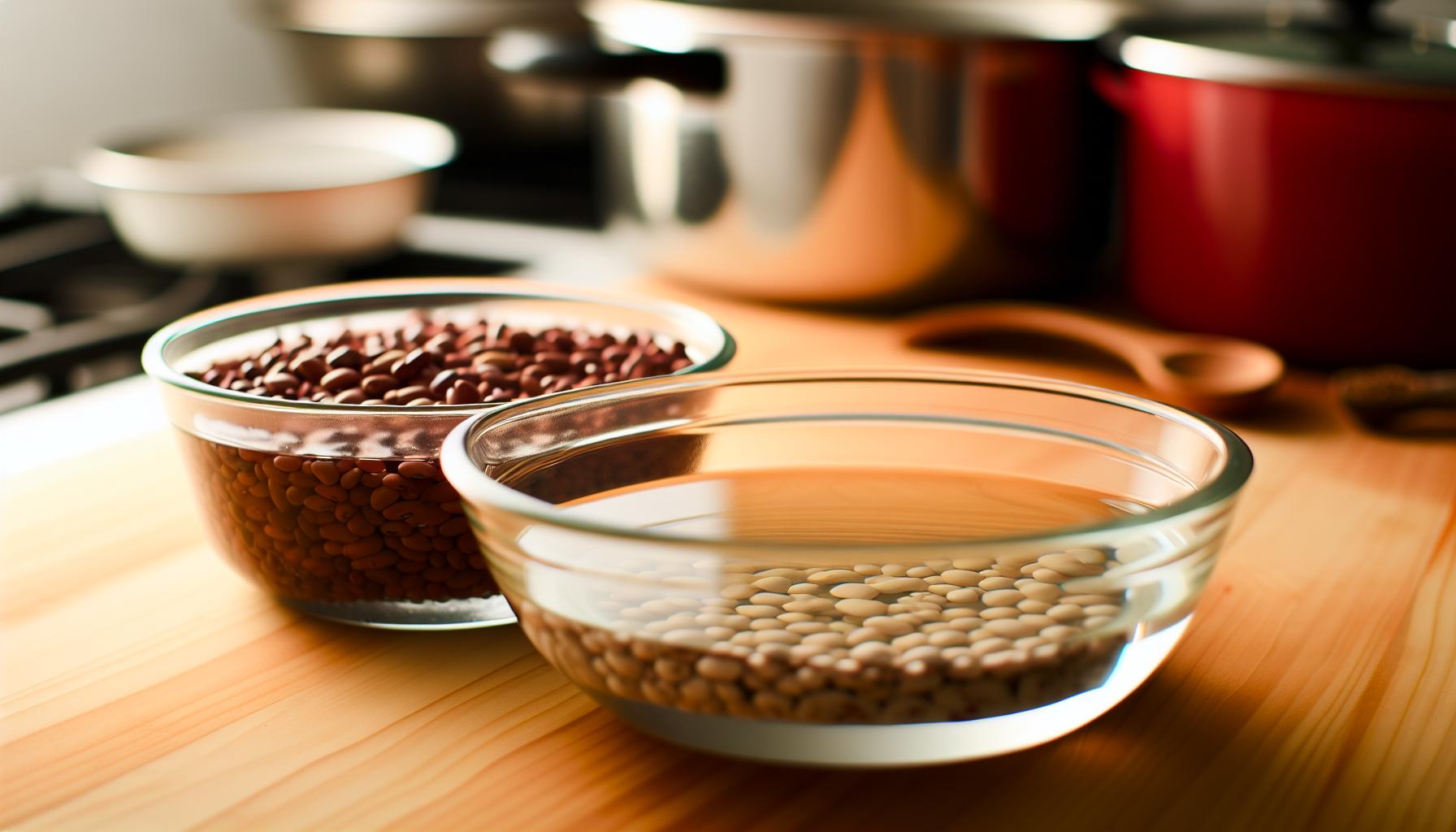
Soaking vs.No-Soak: Which Method Works Best?
Beans and their relationship with soaking can feel like a bit of an endless kitchen debate-should you take the time to soak them, or can you just toss them in and go? When it comes to slow cooker magic, soaking beans isn’t just tradition; it can truly make or break your dish’s texture and safety, especially if you’re after that creamy, melt-in-your-mouth softness without ending up with bean mush or, worse, tummy troubles.
Why Soak at All?
Soaking helps beans rehydrate, which means they cook more evenly and faster. It also kickstarts the breakdown of some pesky oligosaccharides-the compounds that can led to uncomfortable gas. For beans like black, navy, and pinto, an overnight soak (about 8 hours) followed by a quick rinse creates a tender, flavorful kernel that slow cooking can then finish gently and reliably over 6-8 hours. Plus, soaking allows you to dump out some of the hard-to-digest starches and reduce cooking time, which means your slow cooker gets a head start and your dinner comes together without the waiting game.
But soaking isn’t just about texture. For some beans-looking at you, kidney beans-it’s a safety essential. these beans contain phytohemagglutinin, a natural toxin that slow cookers can’t neutralize on their own. Soak overnight, rinse well, then *boil* vigorously for at least 10 minutes before adding to the slow cooker.Skipping this step isn’t worth the risk, trust me!
When to Skip Soaking (and When to Embrace It)
Not every bean demands soaking, and sometimes life’s too short. Small beans and lentils like adzuki or mung beans are your convenient friends-they cook up quickly and don’t require soaking to taste fantastic. Toss them in mid-cycle or cook for shorter periods to keep them from turning to bean puree. These varieties are also fabulous for paleo and gluten-free meals as they’re nutrient-packed and efficient.
If you’re pressed for time or just feeling lazy (hey, it happens to the best of us!), canned beans are a perfectly acceptable shortcut-rinse well to shed excess sodium and starchy flavors, and pop them in during the last hour of cooking to warm through and soak up those bold spices.
Making the Soaking Method Your Own
Here’s a quick rundown of choices and their perks:
- Overnight soak (8+ hours): Softens beans, reduces cook time, eases digestion. Best for black, navy, pinto, and great northern beans.
- Quick soak (1 hour simmer then rest): A faster alternative for when you’re in a pinch.
- No soak (small beans/lentils or canned): Saves prep time; keep an eye on cooking times to prevent mushiness.
Remember, soaking isn’t a judgment on your kitchen prowess-it’s a tasty hack that helps beans cook uniformly while respecting busy schedules. If you’re batch cooking, soak a big pot, boil kidney beans safely, then freeze portions so you’re always ready for effortless, flavorful slow cooker dinners. After all, cooking beans in a slow cooker is about embracing simplicity without compromising taste or safety-so soak (or don’t), but always enjoy the journey to deliciousness!
Easy Slow Cooker Bean Recipes for Busy Weeknights
Beans are a superstar ingredient when dinnertime feels rushed but you want something hearty, nutritious, and downright tasty. Thanks to the magic of slow cookers, you can come home to a pot bubbling with rich, flavorful beans that taste like you spent hours stirring and seasoning. The key? Choosing the right bean, knowing your soak-and-cook method, and embracing a flexible recipe style that fits your lifestyle-whether you’re paleo, gluten-free, or just a busy food lover who appreciates shortcuts like canned beans.
Cooking beans in the slow cooker can be wildly simple if you arm yourself with a few trusty recipes that require minimal prep and max flavor. For example, a classic three-bean chili can be your go-to weeknight hero. Just toss in your soaked black beans, kidney beans, and navy beans with diced tomatoes, onions, garlic, and your favorite chili spices. Cook on low for about 6-8 hours, and voilà: a comforting, protein-packed meal ready for your taste buds and your plate. Bonus points for layering in smoked paprika or chipotle powder for that smoky heat without any fuss.
Quick Fix Gluten-Free and Paleo-Friendly Bean ideas
Not all beans are paleo-approved, but some smaller legumes like adzuki or mung beans fit in nicely and cook up perfectly without pre-soaking. Here’s a simple method I swear by when time’s tight: rinse your small beans well, toss with coconut milk, fresh ginger, turmeric, and a pinch of sea salt, and let the slow cooker do its magic for about 3-4 hours on high. Boom! You get a creamy, subtly spiced stew that feels indulgent but keeps things clean for your paleo or gluten-free lifestyle.
- Prep time: 5 minutes
- Cook Time: 3-4 hours
- Difficulty: Easy – minimal chopping, just toss and go
Don’t have time for soaking? No shame in that! canned beans are your best friend-just drain, rinse, and stir them in the slow cooker during the last 30-60 minutes of cooking. This tactic works fabulously for making speedy bean soups or stews, giving you all the flavor without the wait. Just remember, if you’re swapping canned for dried, adjust the cooking time accordingly to avoid bean mush.
Keeping It Flavorful and Foolproof
A few simple tips can elevate your bean game and nix common pitfalls. Always reserve a little of the cooking liquid as a seasoning booster and key to reheating later. And don’t be afraid to experiment with fresh herbs like cilantro or parsley added just before serving-they bring a radiant contrast to the rich beans. To cut down on post-bean tummy troubles, be generous with whole spices like cumin seeds or add a piece of kombu seaweed while cooking; it’s like a digestive secret weapon that flavors your beans beautifully.
With these recipes and hacks, making bean-based meals in a slow cooker becomes not just doable but downright delightful-even on the busiest nights. So embrace the slow cooker, the soak, or even the canned shortcut and reward yourself with nourishing bowls of comfort without the stress. After all,in this friendly kitchen,every shortcut is just a step toward delicious!
Tips to prevent Common Slow Cooker Bean Cooking Mistakes
Beans are wonderfully forgiving, but even the most seasoned slow cooker enthusiasts have tripped over a few classic pitfalls when it comes to cooking them just right. The good news? avoiding mushy messes, undercooked beans, or that awkward metallic bitterness is easier than you think-and it all boils down to a handful of simple, trusted tricks. Whether you’re diving into a hearty Paleo-friendly adzuki bean stew or a gluten-free three-bean chili,mastering these little hacks helps you get to “perfectly tender” without losing your mind (or your dinner guests).
One of the biggest hiccups in slow cooker bean prep is skipping proper soaking or at least rinsing before cooking. Even if you’re short on time and using a “no-soak” method,rinsing your beans well cleans away dust and reduces natural compounds that can cause digestive discomfort or off-flavors. For larger beans like kidney or navy beans,soak them in plenty of water overnight or do a quick soak by boiling them for a few minutes and then letting them sit.This simple step softens the beans evenly and shortens cooking time, preventing that dreaded “still crunchy in the middle” scenario. Remember, raw kidney beans contain phytohemagglutinin, a toxin that only thorough soaking and boiling can neutralize-slow cookers alone won’t cut it safely.
Another closely guarded slow cooker secret that keeps beans from turning into mush is *when* you add acidic ingredients like tomatoes, vinegar, or citrus. Acids slow bean softening, so toss those flavorful add-ins in during the last 30 minutes or hour of cooking. This timing tip ensures your beans finish tender and soak up the bright zing without stiffening up or prolonging the cook. In my kitchen, delaying acidic spices and fresh herbs until the end has transformed many a “blah” pot into a perfectly balanced bowl that tastes fresh and vibrant.
Steering Clear of Common Slow Cooker Bean Blunders
- Don’t overcrowd the pot: Beans expand 2-3 times in size while cooking. Give them room to swell by filling your slow cooker no more than two-thirds full.
- Keep the lid on: Resist the temptation to lift the lid frequently. Each peek drops the temperature and extends cooking time, leaving beans tougher than you want.
- Use enough liquid: Beans soak up moisture as they cook. Make sure there’s always enough broth or water to cover beans by about an inch to avoid drying out.
- Reserve cooking liquid: Saving a bit of the bean broth makes reheating easier and tastier, plus it’s packed with all those lovely bean flavors.
- Adjust seasoning late: Salt slows down cooking too. Add salt and salty ingredients near the end so your beans soften properly.
Keep in mind, life’s busy-and cooking beans should make dinner easier, not a stress fest. If juggling soaking, slow cooker times, or soaking sounds like a lot, canned beans can be a lifesaver shortcut. Just rinse them well and add during the last half hour to infuse flavors without overcooking.Cooking beans in a slow cooker is a stunning dance of patience and timing, but with these friendly tips, you’re already halfway to potluck perfection-mushy beans be gone! Your tummy and taste buds will thank you for it.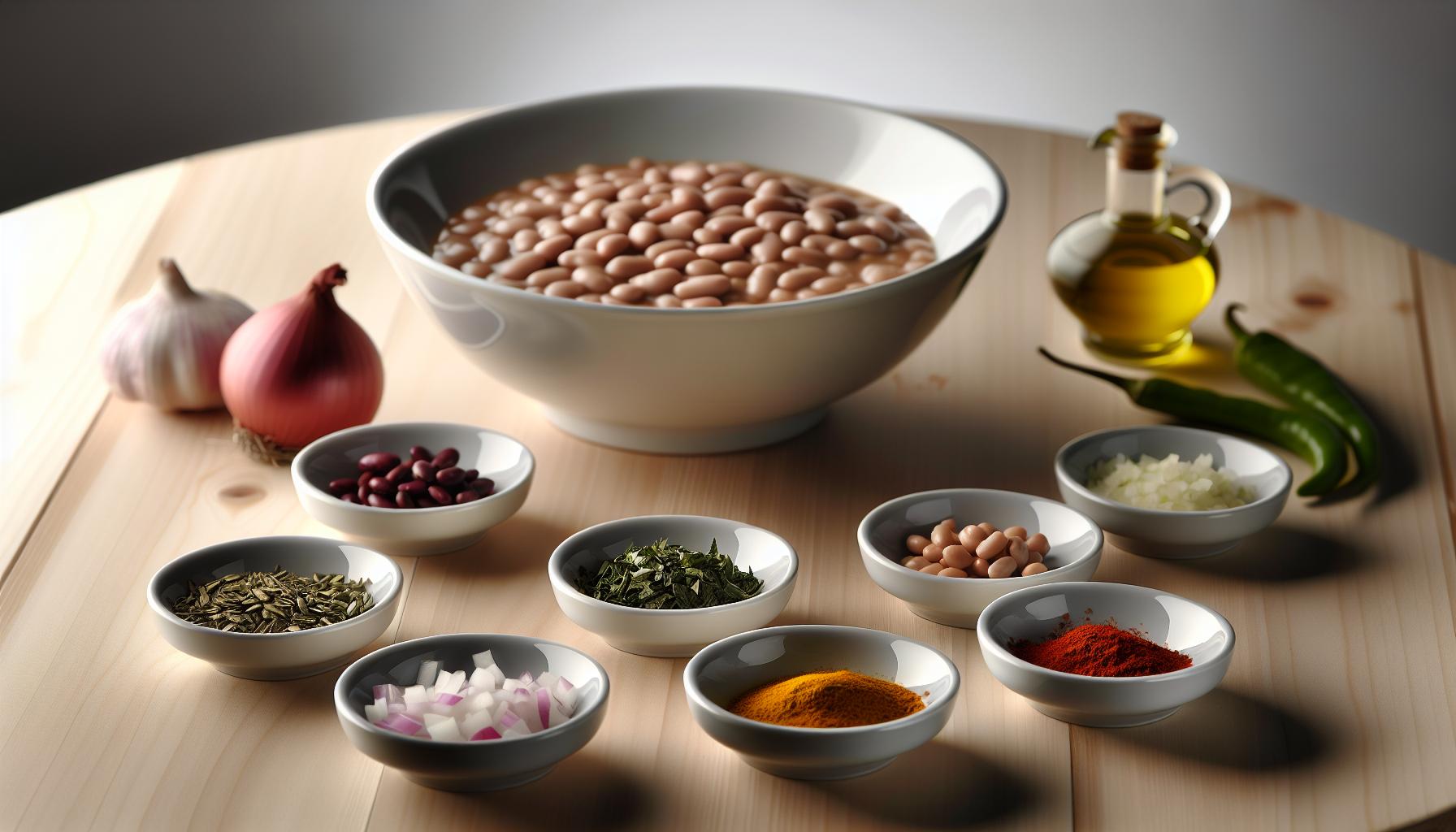
Flavor Boosters: Delicious Add-Ins to Elevate Your Beans
Beans on their own are fantastic little flavor sponges, but the magic really happens when you add the right companions during slow cooking. A pot of beans without any flavor boosters can feel a bit… well, plain. That’s why I always reach for a handful of humble ingredients to instantly elevate the taste, texture, and aroma without extra fuss. Plus,many of these additions easily fit into gluten-free and Paleo-friendly diets,so everyone ends up happy at the dinner table.
Start with aromatics: onions,garlic,and celery are classic slow cooker buddies for beans. Sauté them briefly before adding to the pot to unlock deep, caramelized flavors that slowly infuse the beans over hours. For a Paleo twist, swap regular onions for leeks or fennel bulb-they add a sweet, subtle complexity that you might just fall in love with.Fresh ginger also works wonders if you want a gentle zing with undeniable warmth.
Acidity and herbs are flavor heroes but timing is everything. Because acids like tomatoes, vinegar, or citrus juice can toughen beans if added too early, save these bright notes for the last 30 minutes of cooking. Toss in fresh herbs such as cilantro, parsley, or basil right at the end too. They provide a fresh pop that makes your slow cooker creation taste like it just left a chef’s kitchen-even if you put it together before work!
Creative Twists with Spices and Umami
To really bring your beans to life, experiment with spice blends and umami-rich add-ins. Smoked paprika, cumin, or coriander can give a cozy depth that warms the soul and pairs beautifully with black or pinto beans.If you love a little heat, chili flakes or chipotle powder add just the right kick without overpowering that tender bean flavor.
On the umami front, consider stirring in a splash of coconut aminos or gluten-free tamari near the end to give your beans that satisfying, savory “meaty” hit without gluten or soy worries. A bit of mushroom powder or miso paste (added late, to keep probiotics happy) can also amplify that depth naturally. I once swapped out my usual regular broth for a mushroom broth in my Paleo chili-game changer!
- Try adding diced carrots or bell peppers early on for a subtle sweetness and extra color.
- Bacon or pancetta bits can be tossed in for Paleo or omnivore meals to add smokiness and richness.
- Bay leaves or dried herbs like thyme or oregano introduced at the start give sustained subtle herbal notes.
In my kitchen,flavor boosters are like the secret sauce that take a simple bean dish to celebrity status. They create layers of taste without fuss or hours of extra prep. The best part? You can mix, match, and customize to your mood or what’s in your pantry. And that, my friend, is slow cooking soul food at its finest-simple, safe, satisfying, and bursting with flavor.
Gluten-Free and Paleo-Friendly Bean Cooking Tips
Beans are nutritional powerhouses that fit beautifully into both gluten-free and Paleo lifestyles, but they can sometimes feel a bit intimidating to cook well-especially in a slow cooker. The good news? With a few tried-and-true tips, you can relax while your beans simmer low and slow into creamy, comforting meals that are every bit as delightful as their non-Paleo or gluten-containing cousins. Plus, slow cooking is a total win for busy days and minimal kitchen hustle.
When cooking beans paleo-style, it’s essential to know that not all beans make the cut since Paleo tends to avoid legumes due to their anti-nutrient content. however, many folks embracing a modified Paleo approach still enjoy occasional beans, especially when prepared thoughtfully. For strictly gluten-free eaters, beans are a fantastic go-to protein and fiber source, naturally free from gluten and easy to adapt into family-friendly dishes. Here’s where the magic of slow cookers shines: they soften tough fibers and reduce cooking hassle, making beans easier on the belly and loaded with flavor.
Smart Prep and Cooking Techniques
Long soaking followed by slow simmering breaks down phytic acid and lectins-the typical Paleo “culprits”-making beans gentler to digest. Soak your beans overnight or use the quick-soak method (boil beans for 5 minutes and then soak for an hour) before slow cooking.This step is your secret weapon for both safety and texture, preventing that chalky or undercooked bean bite. Cooking times vary widely by bean type-plan for roughly 6-8 hours on low or 3-4 hours on high-but always check your slow cooker’s temperature performance since appliances can differ. Adding a splash of bone broth or coconut aminos instead of soy-based sauces amps up umami while keeping everything paleo and gluten-free.
Flavor and Ingredient Swaps for Endless Variety
- Herbs & Spices: Bay leaves, thyme, rosemary, cumin, and smoked paprika all play well with beans and fit Paleo/gluten-free guidelines.
- Liquid Choices: Ditch conventional stock cubes (often containing gluten or additives). Instead, use homemade bone broth or filtered water with a pinch of sea salt.
- Veggie Boosts: Diced carrots, celery, and bell peppers add texture and color. for Paleo flair, swap regular onions with leeks or fennel bulbs-they caramelize beautifully and bring a subtle sweetness.
- Fats & Umami: Coconut oil or avocado oil works wonders here. Adding crispy bacon or pancetta gives that smoky richness without gluten worries.
Keeping It Simple, Safe, and Satisfying
Avoid adding acidic ingredients like tomatoes, vinegar, or citrus before the last 30 minutes to prevent tough beans. When reheating leftovers, bring beans to a boil briefly to ensure safety, especially if you store them for multiple days in the fridge. One kitchen hack I love is doubling recipes and freezing half in portioned containers for hassle-free paleo-friendly lunches. That way, you always have a quick, hearty option on hand without scrambling on busy evenings.
In my experiance, slow cooker beans thrive with a bit of patience and these small, mindful tweaks. You don’t need fancy ingredients or complicated processes-just simple, wholesome foods cooked with care. With these tips, your beans will be not only safe and digestible but also bursting with flavor and the comforting, hearty warmth we all crave. Slow cooker bean magic, made gluten-free and Paleo-who knew healthy eating could be this easy and delicious?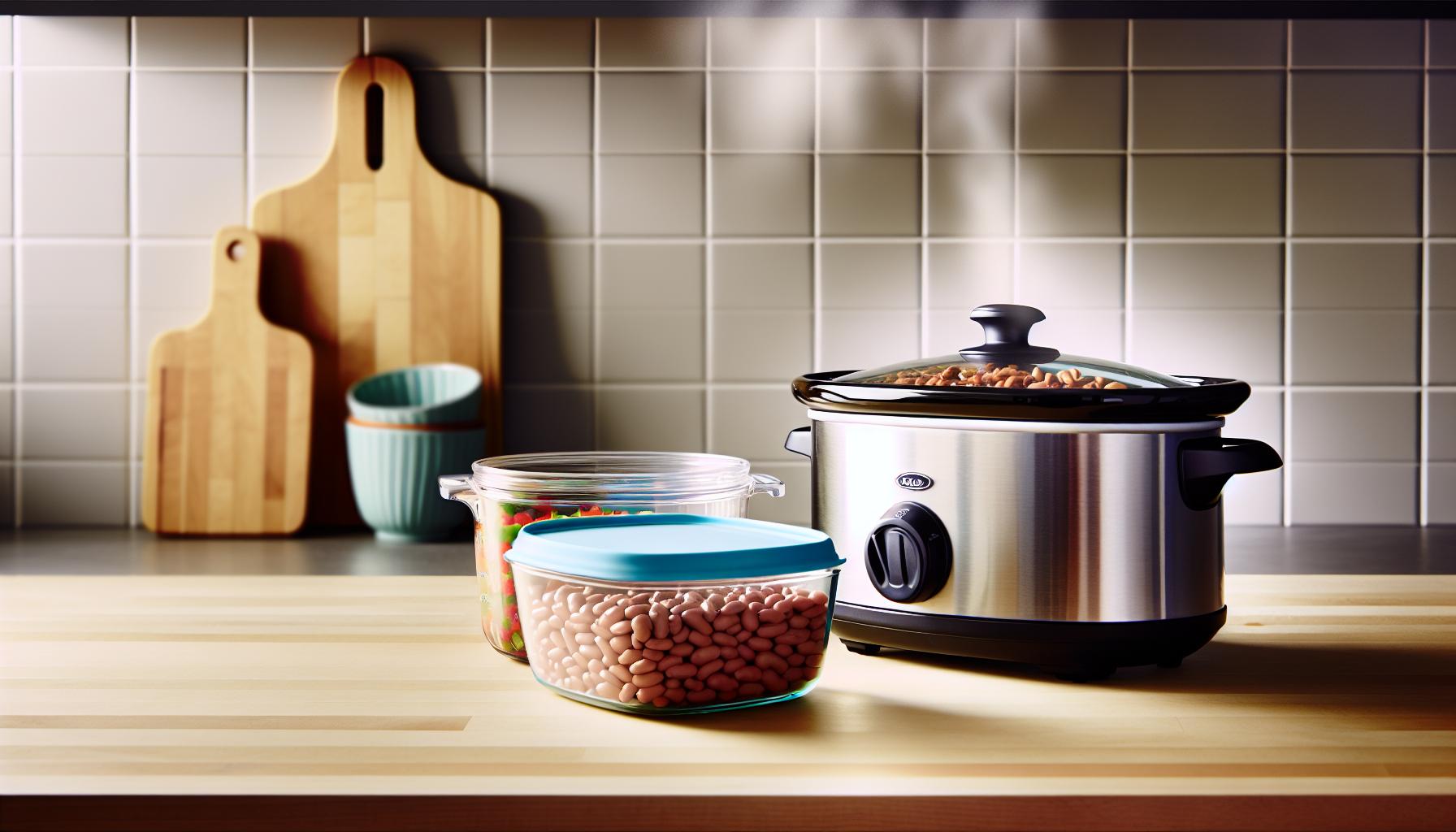
Storage and Reheating: Keeping Slow Cooker Beans Safe and Tasty
Beans may be the superheroes of budget-friendly, nutritious meals, but like all heroes, they have their kryptonite-especially when it comes to storage and reheating. Letting your slow cooker beans cool and store properly isn’t just about taste; it’s your best defense against foodborne hiccups. Trust me, nobody wants to face a case of bean-induced tummy trouble, so a little TLC post-cooking really goes a long way. After all, safe beans meen happy bellies and happy bellies make for repeat slow cooker magic sessions.When your beans finish their slow simmer, give them a bit of breathing room-cool them quickly by transferring into shallow containers. This helps avoid that unsafe “danger zone” where bacteria love to hang out. Store those containers snugly in the fridge, and try to enjoy within 3 to 5 days. If you’re like me and frequently enough whip up a double batch (as leftovers are the real MVP), freeze half in airtight portions that you can thaw on the fly. Frozen beans will keep their creamy goodness and nutrition for up to 3 months, making weeknight dinners a breeze.
Reheating Like a Pro
Reheat your beans on the stove or in a slow cooker until they reach a rolling boil-this is the golden rule to kill any sneaky microbes and keep your meal safe. Microwaving is great for speed, but stir mid-way to avoid cold spots where bacteria might lurk. If you like,splash in a bit of broth or water to revive that luscious texture before heating. And here’s a kitchen confession: I sometimes toss in fresh herbs or a squeeze of lemon after reheating to brighten the flavors-just wait until the end to avoid turning your beans into tough little warriors.
Insider Tips for Storage and Reheating
- Cool beans quickly: Spread out in shallow dishes to speed up chilling.
- Choose proper containers: Use BPA-free, airtight containers or glass jars for best freshness.
- Label and date: Keep track of storage times to avoid “mystery bean” fridge surprises.
- Reheat fully: Always bring beans to a boil for at least 1-2 minutes.
- revive flavors: Fresh herbs, a dash of coconut aminos, or a drizzle of avocado oil post-reheating make all the difference.
Whether you’re prepping Paleo-friendly chili or a cozy gluten-free bean stew, these steps transform your slow cooker effort from one meal into several confidently safe and delicious experiences. Slow cooker beans, stored and reheated right-they’re a power move for your busy, flavor-loving kitchen.
FAQ
Q: Why is it important to use fresh water when cooking beans in a slow cooker?
A: Using fresh water is essential to remove leftover toxins and reduce bitterness in beans.Always discard soaking water and start with clean water in your slow cooker to ensure safer, tastier beans. This simple step enhances flavor and prevents potential discomfort. For more on safe preparation, see Avoiding Toxins: The critical Step in the main article.
Q: How can I tell if my slow cooker is reaching a safe cooking temperature for beans?
A: Your slow cooker should maintain at least 190°F-200°F on the low setting to fully break down toxins in beans. Using a kitchen thermometer can help confirm this. If unsure, cook beans on high for the first hour then switch to low. This tip prevents undercooking and ensures safety.
Q: Can canned beans be safely cooked further in a slow cooker for flavor or texture?
A: Yes, canned beans can be safely cooked in a slow cooker to enhance their flavor and soften texture. Because canned beans are pre-cooked, use shorter cooking times and add seasonings carefully. Check out Flavor boosters in the article for seasoning ideas to elevate your beans.
Q: What are the best slow cooker settings to avoid undercooked beans?
A: To avoid undercooked beans, use the high setting for at least 3-4 hours or low setting for 6-8 hours. This ensures beans break down toxins and soften properly. Avoid quick or low-heat shortcuts that may leave beans unsafe. Refer to How Long should You Cook Different Beans for timing specifics.
Q: Are there special safety considerations when cooking beans overnight in a slow cooker?
A: Cooking beans overnight is safe if your slow cooker maintains a steady temperature above 190°F. Use a reliable slow cooker with timer features and avoid leaving it unattended without temperature control. Always soak beans first to reduce cooking time and toxin risks,as explained in the article’s soaking section.
Q: How does altitude effect slow cooker bean cooking safety and timing?
A: At higher altitudes, beans take longer to cook safely in a slow cooker due to lower boiling points. Increase cooking time by 15-30% and ensure beans reach a soft texture. Adjust your method based on altitude to prevent undercooked, perhaps toxic beans.
Q: Can I add acidic ingredients like tomatoes or vinegar while cooking beans safely in my slow cooker?
A: Acidic ingredients should be added after beans are fully cooked, as acids can toughen bean skins and delay softening. Add tomatoes,vinegar,or citrus toward the end of cooking to maintain safety and texture,aligning with tips in Flavor Boosters: Delicious Add-Ins.
Q: Why do some beans cause digestive discomfort when cooked in a slow cooker and how can I reduce it?
A: Digestive discomfort often comes from incomplete cooking or leftover oligosaccharides.* Soaking beans overnight, discarding soaking water, and cooking thoroughly in the slow cooker reduces these compounds. Adding herbs like cumin or ginger can further aid digestion-see Tips to Prevent Common Slow Cooker Bean Cooking Mistakes* for practical help.
—
feel free to explore related sections for deeper guidance and savor your slow cooker beans with confidence and joy!
Insights and Conclusions
Cooking beans safely in a slow cooker is easier than you think-just remember to soak them properly and follow those key steps to avoid toxins. Whether you’re gluten-free, paleo, or just love easy comfort food, slow cooker beans bring hearty nutrition and flavor with minimal fuss. If you’re ready to dive deeper, explore our guides on “Slow Cooker Meal Prep Tips” and “Top Paleo-friendly Bean Recipes” for more kitchen inspiration.
Don’t let uncertainty hold you back-try a batch this week and see how simple and satisfying slow cooker beans can be. Need help with ingredient swaps or timing? Our newsletter offers step-by-step recipes, personal tips, and answers to your cooking questions every week. Join our community of busy home cooks who make delicious meals without the stress!
Got questions or your own slow cooker stories? Drop a comment below or share this post with friends craving wholesome meals.Your next savory, safe slow cooker bean dish is just a click away! Keep exploring, experimenting, and enjoying the joyful flavors that good food brings-because cooking should be fun, flexible, and fearless.
Get our latest guides, news, and insights highlighted in your Google Search & AI Overviews.