Did you know that adding broccoli to your slow cooker at the wrong time can turn this vibrant veggie into a mushy, flavorless mess? Whether you’re whipping up a cozy paleo stew or a gluten-free chicken casserole, getting the timing right means perfect tender-crisp broccoli that keeps its bright color and nutrients intact. As a busy home cook who loves fuss-free meals, I’ve learned that when you toss broccoli in matters just as much as what you’re cooking it with. In this guide, we’ll break down exactly when to add broccoli for that ideal texture-so your slow cooker meals stay appetizing and visually appealing without any guesswork. Ready to elevate your slow cooker game and enjoy broccoli the way it’s meant to be? Let’s dive in-it’s easier than you think, and your taste buds will thank you.
Table of Contents
- Best Time to Add Broccoli for Tender Results
- How Broccoli Texture Changes in Slow Cooker
- Choosing the Right Broccoli Type for Slow Cooking
- Step-by-Step Guide: Adding Broccoli Perfectly
- Tips to Avoid Mushy or Overcooked Broccoli
- Pairing Broccoli with Other Slow Cooker Ingredients
- Adjusting Cook Times for Different Slow Cooker Sizes
- Flavor Boosters That Complement Broccoli in Slow Cooker
- Troubleshooting Common Broccoli Cooking Mistakes
- Creative Slow Cooker Recipes Featuring broccoli
- Q&A
- Q: How does the size of broccoli florets affect cooking time in a slow cooker?
- Q: Can I add frozen broccoli directly to the slow cooker,and when?
- Q: Why should broccoli be added at the last stage of slow cooking for texture?
- Q: How do other vegetables’ cooking times affect when I add broccoli to a slow cooker?
- Q: What impact does slow cooker temperature setting have on adding broccoli?
- Q: Can adding broccoli too early affect the flavor of slow cooker dishes?
- Q: How does the freshness of broccoli influence when to add it to the slow cooker?
- Q: What is the best way to incorporate broccoli into slow cooker meals to balance nutrition and texture?
- To Conclude
Best Time to Add Broccoli for Tender Results
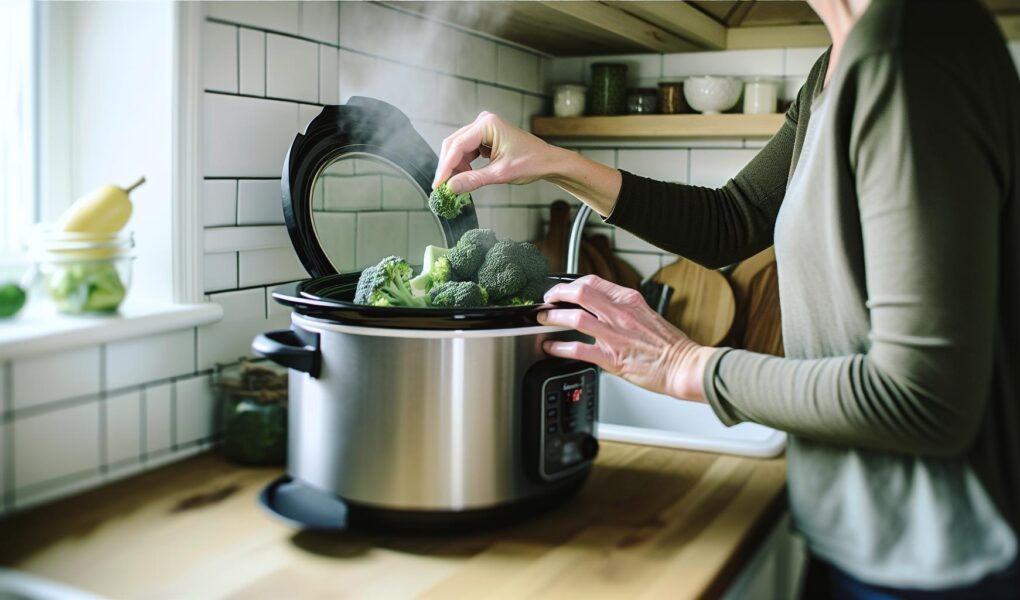
Broccoli can be a bit of a diva in the slow cooker-add it too early, and you risk a mushy mess; too late, and it might stay tough and undercooked. The sweet spot? Toss it in during the last 30 to 45 minutes of cooking time. This timing ensures the broccoli softens just enough to be tender but still retains a little bite and that vibrant green color that makes the dish pop.
Slow cooking is marvelous for melding flavors, but broccoli’s delicate florets simply don’t need hours of simmering. I like to chop the broccoli into bite-sized pieces, then nestle them on top or stir them into the slow cooker about halfway through the last hour. This approach works wonders, especially when you’re making paleo-pleasant or gluten-free stews, as the broccoli keeps its texture and nutritional punch without turning into green mush. Plus, it saves you from the dreaded “where did all the broccoli go?” scenario!
- Tip: If your dish has a lot of liquid, adding broccoli too early can cause the florets to soak up water and dissolve into the sauce. Add them later to keep your slow cooker contents nice and thick.
- Preference tip: For softer broccoli,add it 45 minutes before serving. For a crisper texture, 25-30 minutes is just right.
One time, I threw broccoli in right at the start of a beef stew recipe, and I ended up with a green puree rather of those satisfying little trees I wanted. After that, I learned my lesson and started adding it later-and my slow cooker meals suddenly felt fresh and lively again, just like that perfect broccoli side dish you get in a fancy restaurant, but without the fuss! So, when planning your next slow cooker dinner, think of broccoli as the guest who arrives fashionably late – just enough time to shine without stealing all the show or overstaying their welcome.
How Broccoli Texture Changes in Slow Cooker
Broccoli is one of those veggies that can dramatically change character depending on how long it’s slow-cooked. In a slow cooker, broccoli starts out crisp and vibrant, but it’s a delicate balance: the longer it simmers, the more it breaks down, eventually turning soft and losing that fresh snap you crave. Because slow cookers maintain a steady low temperature, the broccoli’s starches gradually gelatinize, and cell walls soften, which is great when you want tenderness but less so when you want texture.
if you leave broccoli in for the whole cooking time-especially on low for 6-8 hours-you’ll likely end up with mushy, oversaturated florets that practically melt into the broth or sauce. This mushiness isn’t just about over-softening. Broccoli also has a tendency to leach both flavor and color during long cooks, turning dull green and pulling out some of that bright, slightly bitter freshness that gives your dish personality. I once tried adding broccoli right at the start of a pork stew, and by dinnertime, it was more like a green sludge surprise than the appealing little trees I’d hoped for. Lesson learned!
Finding the Sweet Spot for Texture
To keep that satisfying bite,add your broccoli during the final 30-45 minutes of cooking. This timing lets the florets turn tender but not limp, preserving their structure and vibrant color. For paleo or gluten-free stews, this is a game-changer as the broccoli retains nutrients and doesn’t dissolve into the sauce, maintaining the dish’s integrity and visual appeal. If you want broccoli just a touch softer, lean towards 40-45 minutes; for a bit of crispness, 25-30 minutes is plenty.
- Pro Tip: Cut broccoli into uniform bite-sized pieces so they cook evenly and don’t get lost in your stew or chili.
- Watery dishes beware: Broccoli can soak up broth and make it runny if added too soon, so wait untill the last part of cooking to add it if you want a nicely thickened sauce.
Textural Changes at a glance
| Time Added to Slow Cooker | Broccoli Texture | Visual & Flavor Notes |
|---|---|---|
| Start of cooking (6-8 hours) | Soft, mushy, falling apart | Dull green, flavor fades, may thicken liquid |
| Last 45 minutes | Gently tender, still intact | Vibrant green, fresh flavor preserved |
| Last 25-30 minutes | Crisp-tender, slight bite | Bright green, slightly crunchy, lively |
Think of broccoli as the slow cooker’s delicate guest who prefers arriving fashionably late. This approach keeps your meals lively, nutrient-rich, and visually appealing without extra fuss. After all, slow cooking shines when it brings out the best in every ingredient-not turning your broccoli into a green soft mush. So next time you’re prepping that paleo stew or gluten-free chili, treat the broccoli like a star cameo: it deserves just the right amount of stage time to steal the scene without overstaying its welcome.
Choosing the Right Broccoli Type for Slow Cooking
If you’ve ever stared down a fresh bunch of broccoli,wondering if all types really hold up the same under slow cooker magic,you’re not alone.While we often think of broccoli as just broccoli, its variety and maturity actually make a world of difference in slow cooking outcomes. Picking the right broccoli isn’t just about flavor; it’s about texture, nutrient retention, and how well your florets will hang on during those long simmer sessions.
When slow cooking, florets with tight, compact heads tend to fare better than their airy, looser cousins. That classic supermarket broccoli, often harvested young, offers a firmer bite and vibrant green color that can still stand a gentle simmer without devolving into mush too quickly. conversely, broccoli bunches that have started flowering or look a bit more mature (think: bigger, more open floret patterns) may break down faster, which isn’t what you want if your goal is that sweet spot of tender but not mushy.
Harvest timing also plays a quiet but crucial role. If your broccoli is on the smaller side, like baby broccoli or broccolini, those thin stalks and delicate heads cook up a little faster. These make charming speedy additions but demand even more precise timing-usually the last 20-30 minutes of cooking-to keep their brightness and snap. Full-sized broccoli with thicker stalks, however, handles slow cooker timing a bit more forgivingly since the stalks provide a sturdy backbone (plus, they bring that wonderful mild crunch if you prep them right!).
- Pro Tip: Don’t toss the stalks! Peel off the tough outer skin and slice them thinly-these add an extra layer of texture and subtle sweetness, and they slow-cook beautifully without disappearing into nothingness.
- Unlock color and crunch: Opt for broccoli with deep green heads and tight buds.Freshness here helps protect those snap-worthy florets during the final slow cooker act.
I personally swear by combining sturdier broccoli heads with peeled stalks in my slow cooker stews-it’s like getting a double win of texture and flavor! And if you ever find yourself with a batch that seems a bit on the fragile side, consider blanching the broccoli briefly before adding it to the cooker. This quick step sets the green color and kickstarts firmness, so it better withstands those slow simmer hours.
is really about matching your dish’s vibe and timing flexibility. Whether you prefer the heartier, full-length broccoli for rustic stews or tender baby broccoli for faster, brighter bites, a little broccoli scouting goes a long way in ensuring your slow cooker creations shine with perfect texture every time. Keep experimenting-you might just find your slow cooker broccoli sweet spot yet!
Step-by-Step Guide: Adding Broccoli Perfectly
Broccoli’s charm lies in its ability to go from crisp and vibrant to tender and comforting, but timing is everything-especially in a slow cooker. Tossing broccoli in too early often spells disaster: mushy, grayish florets nobody wants to face at dinner. The trick? Add broccoli late enough to avoid that sad sogginess but early enough to let it soak up slow-cooked goodness without losing its personality.
Before diving in, prep your broccoli thoughtfully. Separate the florets into bite-sized pieces,aiming for uniformity so everything cooks evenly. Don’t discard the stalks! peel them to remove that tough outer layer, then slice thinly or matchstick-style-these take a bit longer to soften and provide delightful texture and subtle sweetness to your dish. If you’re using baby broccoli or broccolini, keep in mind their tender stalks and heads cook faster and love a gentler touch.
Step-by-Step to Slow Cooker Broccoli Magic
- Step 1: Plan your slow cooker timing. Start your main ingredients-meats, root veggies, or grains-at your usual slow cooker schedule. Broccoli joins the party much later since it only needs about 20-30 minutes on low or 15-20 minutes on high to reach tender perfection.
- Step 2: Prep the broccoli wisely. Rinse, chop, and peel stalks ahead of time. If you want an extra edge on texture and that bright green color, give your florets a quick blanch (30 seconds in boiling water, then an ice bath) before adding them to the slow cooker.
- Step 3: Add broccoli in the final 30 minutes of cooking on low. This timing grants the florets a chance to absorb all those stew or curry flavors without turning into a mush pile. If your slow cooker setting is high, drop broccoli in at the last 15-20 minutes.
- Step 4: Stir gently but sparingly. You want the broccoli to stay intact and not break apart, so fold it in carefully after adding. Resist the urge to stir constantly-slow cookers don’t love frequent lid lifts or too much agitation.
- Step 5: Taste test and adjust. Before serving, test a floret or two.If it’s still too firm for your liking, simply replace the lid and give it 5-10 more minutes. Overcooking is worse than undercooking here-broccoli can go from perfectly tender to pasty before you know it!
quick Tips & Substitutions for Stress-Free Cooking
- In a hurry? Steam or microwave broccoli separately and toss it in just before serving-great for last-minute meal boosts.
- Picky eaters? Keep florets bigger to hold their shape and reduce “mushy broccoli” syndrome.
- Stalk lovers rejoice: Add peeled stalks early with the root veggies-they’ll cook down slowly and add body and sweetness to stews.
- Paleo & gluten-free: Broccoli’s a natural fit! Enhance flavors with garlic, ginger, or smoked paprika added early and fresh lemon juice or nutritional yeast added with the broccoli for a tantalizing uplift.
Successfully adding broccoli this way is like choreographing a dance: slow cooker ingredients groove first, and broccoli slides on stage just before the final bow.Trust your timing, prep thoughtfully, and soon your broccoli will be that MVP-vibrant, tender, and full of flavor, never a soggy afterthought. After all, slow cooking is about patience rewarded with magic, and that includes your broccoli moments!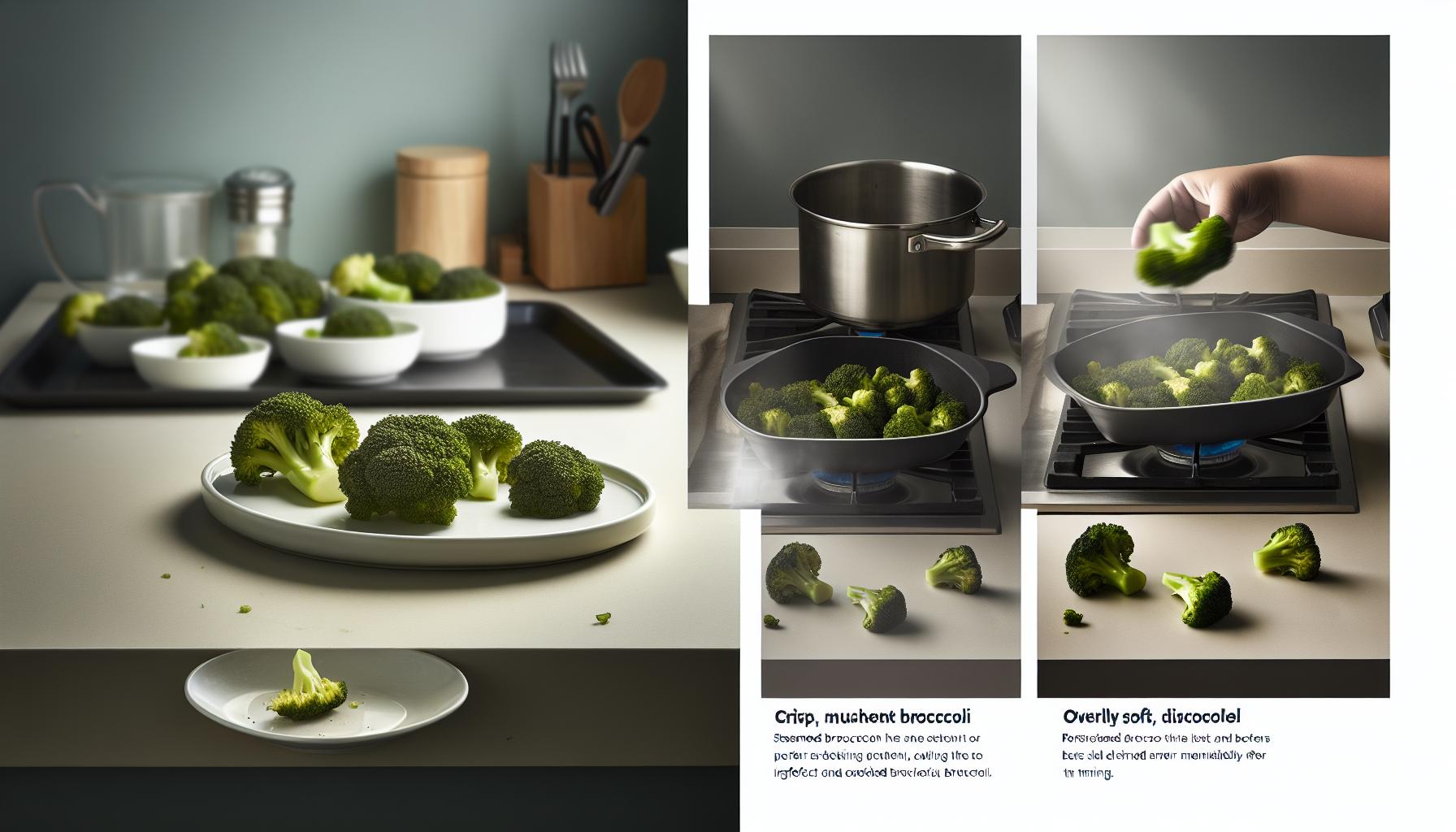
Tips to Avoid Mushy or Overcooked Broccoli
Broccoli has a sneaky way of turning from perfectly tender to mushy faster than you can say “slow cooker magic.” The key to keeping it vibrant and with some bite is all about timing, prep, and a little gentle loving care once it hits the pot. If you’re like me, wanting that satisfying snap without the dreaded soggy flop, there are a few kitchen-tested tricks to keep your broccoli looking and tasting its best, even after hours of slow cooking.
First off, think of broccoli as the diva guest at your slow cooker party-it needs to arrive fashionably late. Tossing it in too early, especially with other veggies that take longer to soften (we’re looking at you, carrots and potatoes), spells disaster. To avoid a sad mushy mess, add broccoli during the last 20-30 minutes on low or 15-20 minutes on high. This window is golden: the florets soak up all those rich flavors without turning into green mush. If you’ve got a day packed with life and want to prep ahead, try blanching the florets briefly (just 30 seconds in boiling water, then pop into an ice bath). This little trick locks in bright color and gives broccoli a head start that translates into a nicer texture even if your timing slips a little.
Gentle Handling Makes All the Difference
Once your broccoli is in the slow cooker, resist the urge to poke and prod too much. Stir gently and only when necessary-frequent lid lifting lets heat escape and interrupts the cooking rhythm, while vigorous stirring can break broccoli into unappetizing little bits. Picky eaters often adore bigger florets that maintain their integrity; plus, larger pieces are less likely to become mushy. Personally, I like peeling and slicing stalks thinly or matchstick style and adding them earlier with root vegetables. This way,the stalks slowly soften and bring subtle sweetness and texture,while the florets stay tender but intact.
Flavor Hacks and Quick Fixes
If you find your broccoli veering toward the mushy side, no worries-there are quick fixes! Take it out early and add steamed or microwaved broccoli fresh just before serving. This is a fast track to freshness and extra crunch that can brighten any slow cooker meal. And for those embracing paleo or gluten-free lifestyles, broccoli is a superstar veggie that pairs beautifully with early-added flavor powerhouses like garlic, ginger, and smoked paprika. Adding fresh lemon juice or nutritional yeast along with the broccoli can also jazz up its flavor and make a vibrant addition to your dish right at the end.
- Timing tip: Add florets in the last 20-30 minutes (low) or 15-20 minutes (high).
- Prep tip: Blanch florets for 30 seconds before adding to keep color and texture.
- Handling tip: Stir gently and avoid frequent lid opening for steady heat.
- Substitution tip: Add steamed broccoli last minute if pressed for time or texture.
the truth is,slow cooker broccoli success comes down to balance.You want it nestled in long enough to absorb flavors but not so long it dissolves into the background. Keeping these pointers handy is like having a friend in the kitchen whispering, “Your broccoli’s about to be the star, not the wallflower.” So go ahead, treat your broccoli with that perfect timing and care-it deserves to shine as bright as your slow cooker meals!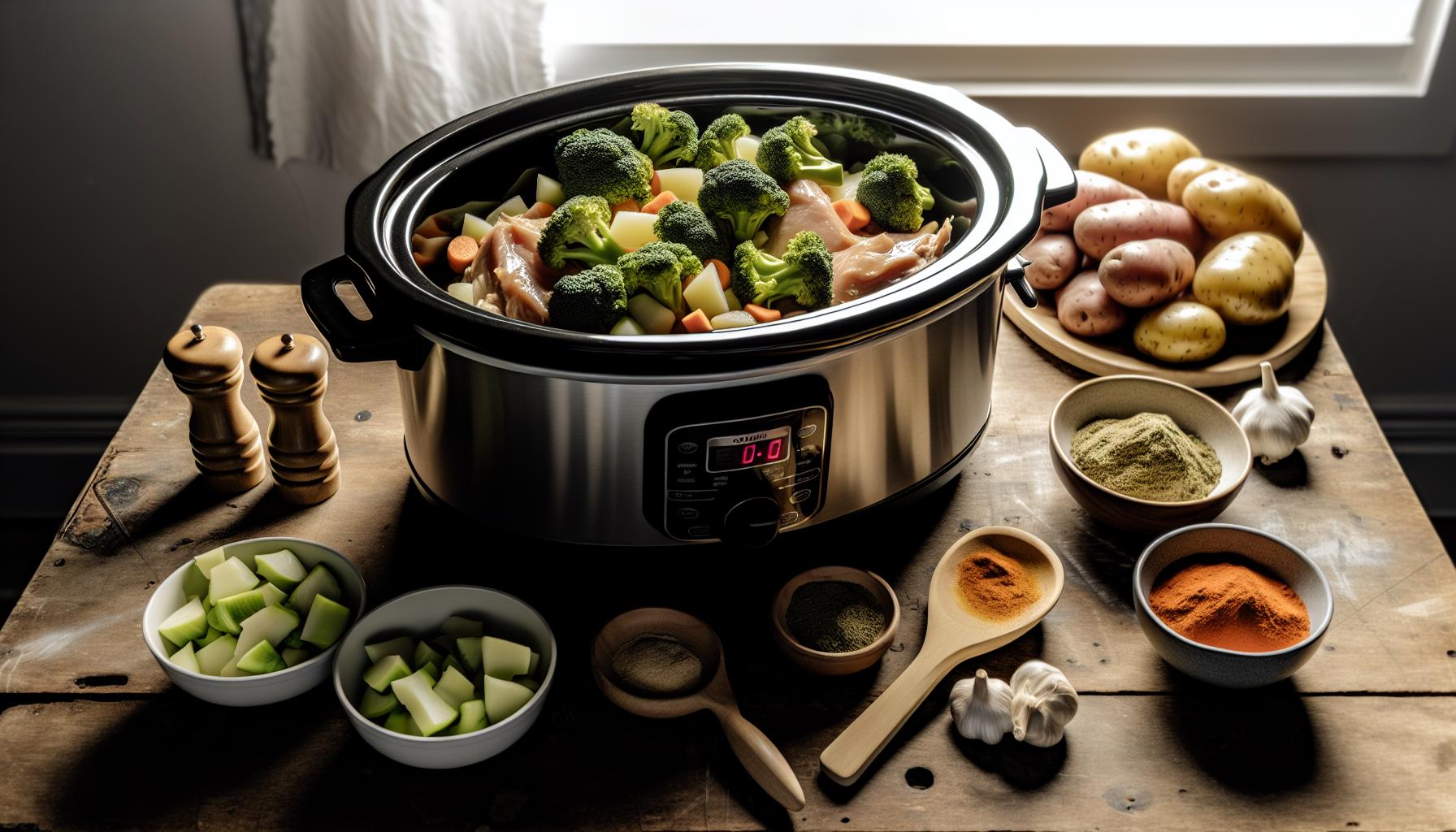
Pairing Broccoli with Other Slow Cooker Ingredients
Broccoli’s charm in slow cooker meals comes not just from its vibrant color or nutritional punch, but also from how it harmonizes with other ingredients. Since broccoli cooks quickly and can turn mushy if left too long, pairing it thoughtfully means balancing textures and timing for a dish that sings with flavor-and every bite has a bit of that satisfying snap.
When planning your slow cooker lineup, think of broccoli as the bright, crunchy encore after the slow-cooked symphony of heartier ingredients. Root vegetables like carrots,potatoes,or sweet potatoes and tougher proteins (hello,beef or chicken) love a long,slow soak to tenderize and develop rich,deep flavors.Broccoli’s delicate florets shine brightest when added toward the end, so they retain texture and freshness without getting overshadowed by extended cooking.Meanwhile, trimming and slicing the stalks thinner allows them to join the slow cooker party earlier, melding their gentle sweetness with potatoes or mushrooms without disappearing into mush.
- Layering flavors: Garlic, onions, and ginger make excellent early companions for those stalks, simmering slowly to impart subtle warmth and aroma.
- Complementary veggies: Bell peppers, zucchini, or snap peas add freshness and texture when added alongside broccoli at the finish line, creating a nice contrast.
- Protein pals: Beans (like cannellini or chickpeas) and shredded chicken pair beautifully, absorbing flavors while coexisting with the broccoli’s vibrancy.
A little kitchen wisdom-if you’re throwing together a paleo or gluten-free weekday dinner, keep in mind that smashing in high-flavor, slow-friendly spices like smoked paprika or turmeric early on lets the dish build a deep foundation, while broccoli’s gentle nibble of verdant crunch comes later to brighten the whole bowl. Sometimes I add a dash of fresh lemon juice or a sprinkle of nutritional yeast right at the end, which not only perks up the broccoli but also ties all ingredients together in a cozy, flavorful hug.
Try this easy approach next time you’re simmering a mixed-veg stew or a hearty chili: Start your base with root veggies, proteins, and aromatics at the bottom, letting them bubble away for hours. Then, 20-30 minutes before serving on low (or 15-20 minutes on high), nestle in those florets and thin stalk slices for just enough time to soften but not sog out. It feels like magic when the broccoli pops just right-not an afterthought, but a star player alongside your other slow cooker stars. Trust me, once you get this layering rhythm down, you’ll never dread broccoli’s fickle texture again.
Adjusting Cook Times for Different Slow Cooker Sizes
You might be surprised how much the size of your slow cooker impacts the timing for adding broccoli-yes, it really does matter! A bigger slow cooker means a larger volume of food and possibly more liquid, both of which influence how quickly heat circulates and how fast ingredients cook. When broccoli enters this well-oiled flavor machine, adjusting your timing ensures that it emerges tender-crisp, not mushy or lost in the mix.
With smaller slow cookers (think 2-3 quarts), ingredients cook more tightly packed, so heat distribution is quicker and more direct. In these cozy spaces, broccoli florets added too early can become mush faster because they’re getting hit with heat from all sides. So for a 2-3 quart cooker, I recommend tossing the broccoli in about 15-20 minutes before serving on low heat, or 10-15 minutes on high. Thin stalks, being a bit sturdier, can join a bit sooner-around 30 minutes ahead-so they soften just right without turning to mush.
Larger slow cookers-5 quarts and up-act more like gentle ovens. Food is spread over a wider area, and liquid takes longer to heat fully, stretching the cooking process. That’s good news for broccoli stalks, which can handle earlier addition (about 45 minutes before serving) without losing their slightly sweet bite. But florets still want to stay late guests,arriving about 25-30 minutes before mealtime on low,or 15-20 minutes on high. The bigger cooker’s volume means they get less intense heat all at once, which gives you a tiny bit of wiggle room for timing.
playing with Cook Times: A Quick Reference
| Slow Cooker Size | Broccoli Stalks (Time Before Serving) | Broccoli florets (Time Before Serving) |
|---|---|---|
| Small (2-3 qt) | 30 minutes (low) | 15-20 minutes (low) |
| Medium (4-5 qt) | 35-40 minutes (low) | 20-25 minutes (low) |
| Large (6+ qt) | 45+ minutes (low) | 25-30 minutes (low) |
Keep in mind, these are *starting points*. Your slow cooker’s brand and model might be heat-happy or a bit gentler, so a kitchen timer will be your best friend. Use these adjustments alongside a quick fork-test to judge broccoli’s texture. If it’s feeling mealy, pull the plug sooner. If it’s still lending a bit of bite, it can rest a little longer.
- Tip: If you’re in a rush, cooking on high means broccoli cooks faster but stays delicate only if added late.
- Substitution idea: For those who love a little crunch but no fuss, use frozen broccoli florets-they often withstand slow cooker heat a bit better and can be added just 10 minutes before serving.
- Real-talk moment: I once added broccoli at the start of a large batch chili in my 6-quart slow cooker and ended up with mush.Lesson learned: patience equals perfect texture.
Adjusting cook times to match your slow cooker size isn’t rocket science-it’s just about respecting how heat moves through your vessel of deliciousness. With these tweaks, you’ll nail broccoli’s tender snap every time, making those green gems the rightful stars alongside your slow-cooked treasures.
Flavor Boosters That Complement Broccoli in Slow Cooker
Broccoli has its own charming personality in the slow cooker, but pairing it with the right flavor boosters can turn a simple dish into something memorable. As broccoli can be delicate when slow-cooked, especially the florets, incorporating complementary herbs, acids, and spices at the right time enhances both texture and taste. Think of these flavor additions as the slow cooker’s secret sauce-they elevate broccoli without overpowering its natural green goodness or turning it into a soggy mess.
when it comes to seasonings, bright, fresh flavors like lemon zest or a splash of apple cider vinegar added just minutes before serving can brighten broccoli’s earthiness and keep your dish lively.You can also toss in garlic or shallots early on, allowing their mellow sweetness to infuse the whole pot without overshadowing the broccoli’s crisp bite.If you’re the adventurous type,a sprinkle of crushed red pepper flakes or smoked paprika adds a subtle heat and smoky undertone that’s cozy without being fiery. These little nudges of flavor also help mask any potential “steamy” bitterness that broccoli can develop if overcooked in a slow cooker.
Herbs and Aromatics: The Unsung Heroes
- Fresh parsley, thyme, or oregano make fantastic late additions-toss them in during the last 10 minutes for a pop of herbal brightness.
- Bay leaves work overtime when placed in the slow cooker at the start, imparting a deep, woodsy base that complements broccoli’s mild flavor.
- Onion powders or leeks added early can create a savory backdrop without overwhelming the dish.
Another personal favorite is stirring in a spoonful of good-quality olive oil or even a pat of grass-fed butter just before serving. This small touch adds richness and silkiness, amplifying the broccoli’s satisfying mouthfeel. And for those embracing paleo or gluten-free lifestyles, these fat sources keep the meal hearty without slipping into heavy cream or cheese territory that some recipes rely on.
If you want to experiment with layering flavors without the hassle of multiple pots, try adding slow cooker staples like roasted garlic or sun-dried tomatoes early on, then freshen things up with a sprinkling of lemon juice or fresh herbs near the end. These steps create depth and balance the subtle sweetness broccoli offers when cooked just right, all while keeping that coveted tender-crisp texture.
In a nutshell: play with bold but balanced flavor boosters, introduce them thoughtfully based on their cooking time, and welcome broccoli into dishes where it can really shine.your slow cooker becomes less a cooking appliance and more a flavor laboratory, producing meals that taste expertly crafted without the fuss.
Troubleshooting Common Broccoli Cooking Mistakes
Broccoli is a bit like the diva of the vegetable world in slow cooking – it demands just the right amount of attention to avoid a meltdown. One of the most common (and heartbreaking) mistakes is adding it too early, which can lead to mushy, flavorless florets that look like they lost the battle with time and heat. On the other hand, tossing broccoli in at the very end without any time to absorb flavors can make it taste raw or disconnected from the rest of your dish. Timing is absolutely everything when coaxing tender-crisp broccoli out of a slow cooker.
Another sneaky culprit in broccoli misfires is the moisture level inside your slow cooker. Broccoli releases water as it cooks, and if your slow cooker is already filled with a lot of liquid, this can turn into an over-steamy sauna, turning broccoli limp and sad.Try to balance liquids and consider that foods like tomatoes or broth-heavy ingredients impact this moisture game.When in doubt, add broccoli during the last 30 minutes of cooking, especially on low heat settings, so it steams just enough to soften while holding onto its vibrant texture.
Common Pitfalls and How to Dodge Them
- Overcooking the florets: They’re delicate and don’t need hours in the cooker. Add them during the final phase to avoid mush city.
- Neglecting florets vs. stems: Cut stems thinner or par-cook them earlier as they’re denser, to keep an even texture throughout.
- Ignoring slow cooker size and heat: Small or high-powered slow cookers can speed up cooking times-adjust broccoli addition accordingly.
I learned these tricks the hard way during a busy weeknight when I threw broccoli in at the start, only to end up with a mushy, dark-green mess.After a few experiments, adding broccoli about 20 to 30 minutes before serving turned out to be the golden ticket, giving me that perfect bite and a little bright crunch. Also, tossing it with a little olive oil or lemon juice right before serving can revive the vibrant color and flavor nicely, especially after the slow cooker’s warm hug.
Quick Tips to Save Overcooked Broccoli
- Drain excess liquid immediately to prevent sogginess.
- Stir in fresh herbs or a squeeze of citrus to brighten the flavor.
- Use sautéed or roasted broccoli as a mix-in or topping to add texture contrast.
- If it’s really mushy,consider blending it into a comforting broccoli soup or sauce-zero waste,total yum.
Slow cooking broccoli doesn’t have to be intimidating-even with its delicate nature,a little timing savvy and moisture management take you a long way. Think of your slow cooker as a gentle stage where broccoli’s star qualities shine brightest when supported just right. Keep tweaking, taste-testing, and most importantly, have fun in the process-as a perfect slow cooker broccoli meal is definitely worth the wait!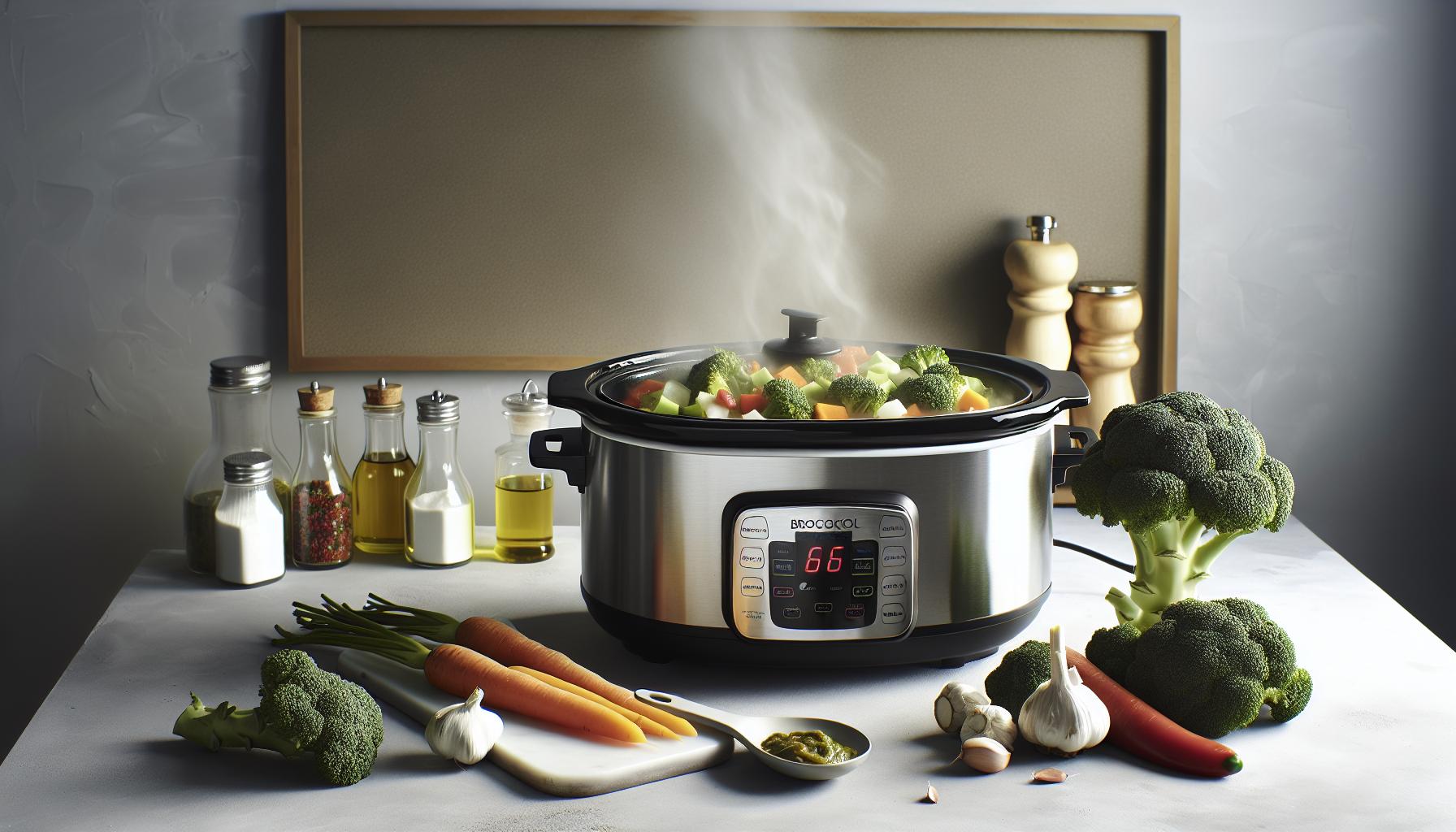
Creative Slow Cooker Recipes Featuring broccoli
You might be surprised how many comforting, inventive dishes shine when broccoli joins the slow cooker party at just the right moment.With its vibrant green color and gentle crunch preserved by adding it late in the cooking process, broccoli elevates everything from creamy soups to wholesome casseroles and even hearty protein-forward meals. Think of broccoli as the secret guest star – it blends beautifully, yet still gets its moment to shine at centre stage.
For a cozy paleo or gluten-free dinner, try a slow cooker chicken and broccoli casserole. Simply layer chicken thighs, sliced mushrooms, garlic, and a splash of coconut milk or bone broth in the cooker.Add broccoli florets during the last 25-30 minutes on low heat. This timing keeps the broccoli fresh and firm while soaking up the savory juices around it. The end result? Tender meat balanced with just-right broccoli crunch that makes the dish feel both nourishing and indulgent.
Slow Cooker Broccoli Cheddar Soup with a Twist
This beloved classic can go paleo and gluten-free without losing its soul. Use cauliflower or arrowroot to thicken the soup instead of flour, and lean into rich, sharp cheddar or a dairy-free cheese substitute for creaminess. Add broccoli in the last half hour to keep it distinct and texturally pleasing, not a mushy mishmash.A sprinkle of smoked paprika or a dash of Dijon mustard amps up flavor without fuss. Plus, this soup freezes beautifully and tastes even better the next day – making it ideal for batch cooks.
One-Pot Beef and Broccoli with Asian Flair
skip the takeout with an easy slow cooker twist on this Chinese-American favorite. Brown your beef first, then add ginger, garlic, coconut aminos (for paleo-friendly soy sauce), and sliced bell peppers to the cooker. Add the broccoli florets with 20 minutes left to steam through but stay crisp. This dish is a crowd-pleaser that proves slow cookers can deliver quick, fresh textures with smart timing. Serve over cauliflower rice or quinoa for a complete and satisfying meal.
- pro tip: If you want softer stems, slice them thinly or par-cook with the beef at the start, but hold the florets until the end.
- Substitution friendly: Swap broccoli for broccolini or even kale for a variation that flexes to what’s in your fridge or garden.
- Flavor boosters: Lemon zest, toasted sesame oil, or fresh herbs stirred in just before serving bring freshness that slow cookers sometimes need.
In my kitchen, these broccoli-friendly slow cooker dishes have saved countless weeknights – letting flavors meld low and slow while keeping the green goodness alive and well. Play with these examples as a jumping-off point for your own creations, keeping in mind that perfect texture is just a timing tweak away. After all, slow cooking is about relaxing, not rushing, and broccoli reminds us that patience (and good company) make dinner a little more special. Enjoy!
Q&A
Q: How does the size of broccoli florets affect cooking time in a slow cooker?
A: Smaller broccoli florets cook faster and absorb flavors better in a slow cooker, reducing mushiness risks. for perfect texture, cut florets into bite-sized pieces and add them toward the end of cooking. This method links back to our Step-by-Step Guide for adding broccoli perfectly for tender results.
Q: Can I add frozen broccoli directly to the slow cooker,and when?
A: Yes,frozen broccoli can be added directly,but add it later in the cooking process (last 20-30 minutes) to prevent sogginess. This ensures it warms through without losing firmness, complementing tips from our Troubleshooting Common Broccoli Cooking Mistakes section.
Q: Why should broccoli be added at the last stage of slow cooking for texture?
A: Broccoli added late stays crisp and bright as it avoids prolonged exposure to heat and moisture, which breaks down fibers. For a tender-crisp bite, add broccoli in the final 30 minutes, reflecting advice from Tips to Avoid Mushy or Overcooked Broccoli.
Q: How do other vegetables’ cooking times affect when I add broccoli to a slow cooker?
A: Since broccoli cooks faster than roots or dense vegetables, add broccoli last to sync textures and avoid overcooking.Refer to the Pairing Broccoli with Other Slow Cooker Ingredients for timing coordination and balanced meal planning.
Q: What impact does slow cooker temperature setting have on adding broccoli?
A: On low settings,add broccoli in the final 30-45 minutes; on high,add it 10-15 minutes before done to maintain texture. Adjust based on your slow cooker’s heat output, as detailed in Adjusting Cook Times for Different Slow Cooker Sizes.
Q: Can adding broccoli too early affect the flavor of slow cooker dishes?
A: Yes, adding broccoli too early can dull its fresh flavor and make it bitter or mushy. For optimal taste,add it just before finishing cooking,enhancing flavors as explained in the Flavor boosters That Complement Broccoli section.
Q: How does the freshness of broccoli influence when to add it to the slow cooker?
A: Fresher broccoli tends to hold texture better, so you can add it slightly earlier by 5-10 minutes. Older broccoli benefits from a later addition to avoid excessive softness.This nuanced timing fits well with note-worthy tips in How Broccoli Texture Changes in Slow Cooker.
Q: What is the best way to incorporate broccoli into slow cooker meals to balance nutrition and texture?
A: add broccoli near the end of cooking to retain nutrients and a crisp texture. combine with flavor boosters and complementary ingredients from our article to create well-rounded, nutrient-dense meals, ensuring Creative Slow Cooker Recipes Featuring Broccoli stay both delicious and healthy.
—
Feel free to explore our full guide for detailed, tested techniques on achieving perfect broccoli texture and flavor in your slow cooker meals!
To Conclude
Getting the timing right when adding broccoli to your slow cooker is the secret to that perfect tender-crisp texture we all crave-no mushy florets here! With just a few simple tweaks, you can elevate your slow cooker meals to healthy, vibrant dishes that fit perfectly into gluten-free, paleo, or comfort food menus. If you’re curious about other veggies that work well with slow cooking or want quick swaps for broccoli, be sure to check out our guide on “Slow Cooker Veggie Timing Tips” and “Easy Gluten-Free Side Dishes.”
Ready to take your slow cooker game further? Sign up for our weekly newsletter for fresh, tested recipes and handy kitchen hacks that make healthy cooking fun and approachable. And if you’re wondering about ingredient substitutions or meal prep shortcuts, we’ve got you covered-drop a comment below or explore our product recommendations to find the best tools for stress-free slow cooking. Remember, delicious meals don’t have to be complicated, and with these tips, perfectly cooked broccoli will be your new kitchen confidence booster. Keep experimenting and share your slow cooker wins with us!
Get our latest guides, news, and insights highlighted in your Google Search & AI Overviews.