Ever wondered exactly how much beef broth you need for a perfect slow cooker pot roast? It’s a simple question but one that can make or break your meal’s tenderness and flavor. Using just the right amount keeps your roast juicy and your kitchen mess-free – no swimming in broth or dry, tough meat here. Whether you’re paleo, gluten-free, or just craving cozy comfort food, nailing this liquid balance sets you up for slow-cooked success. Plus, it’s easier than you think! Stick around as we break down the ideal broth quantity, share tips on substitutions, and show you how to keep your pot roast both flavorful and effortless. Think of it as your amiable kitchen hack-to save time, avoid guesswork, and bring out that melt-in-your-mouth goodness every single time.
Table of Contents
- how to measure the Perfect beef Broth Amount
- Why Broth Quantity Matters for Slow Cooker Pot Roast
- Adjusting Broth for Different Slow Cooker Sizes
- choosing the Right Broth Type for Flavor and Diet
- Balancing Broth with Other Liquid Ingredients
- Tips for thickening Pot Roast Sauce Without Extra Broth
- How Broth Affects Cooking Time and Meat Tenderness
- Creative Broth Alternatives for Paleo and Gluten-Free Cooks
- Real-Life Slow Cooker Broth Mistakes to Avoid
- Storing and Reusing Leftover Broth from Pot Roast
- Boosting Flavor: Herbs and Spices to Add to Your Broth
- Faq
- Q: How do I know if I’m using too much beef broth for my slow cooker pot roast?
- Q: Can I use water instead of beef broth in a slow cooker pot roast?
- Q: When should I add beef broth to my slow cooker pot roast for best results?
- Q: How can I adjust beef broth amount for a larger or smaller slow cooker pot roast?
- Q: Does the fat content in beef broth affect the texture of a slow cooker pot roast?
- Q: How much broth should I add if I’m cooking a pot roast without vegetables?
- Q: What’s the impact of using homemade beef broth versus store-bought in slow cooker pot roast?
- Q: How can I reduce leftover beef broth after cooking pot roast?
- Closing Remarks
how to measure the Perfect beef Broth Amount
Beef broth is the unsung hero in a slow cooker pot roast, quietly doing the crucial work of infusing the meat with flavor and ensuring it stays tender throughout the long cook time. But here’s the truth: too little broth leaves your roast parched and your veggies barely cooked, and too much turns your dish into a soggy stew rather than that perfect, melt-in-your-mouth experience. So how much is just right?
A good rule of thumb for a standard 3 to 4-pound roast is about 2 to 3 cups of beef broth. This amount creates a luxurious, juicy environment without drowning the meat.If you’re cooking a smaller roast or using a slow cooker on the compact side, scale back to just 1 to 1.5 cups to avoid a watery mess. On the flip side, a larger slow cooker or a beefier roast can handle up to 4 cups, especially if you want extra juicy leftovers or plan to tweak the sauce later. What’s awesome is that beef broth volume doesn’t have to be precise down to the ounce-trust your gut. If you like it saucier, add a splash more, and if you prefer richer, thicker slices, keep it on the leaner side.
Practical Tips for Measuring and Adjusting
- Start conservative. Begin with less broth than you think you need-you can always add a bit more during cooking if you notice things drying out.
- Consider your extras. Vegetables, wine, or tomato paste add moisture too. factor these in and reduce broth accordingly.
- Keep the slow cooker lid sealed! The less evaporation, the less broth you’ll actually need.
In one of my kitchen experiments, I once tossed in a whole 4 cups for a 3-pound roast and ended up with enough gravy to bathe three meals-but the meat ended up a little too soft, bordering on mushy. After that, I dialed it back to about 2 cups, which turned out just right for getting those hearty, concentrated flavors you want, without sacrificing bite.
If you’re paleo or gluten-free and using a homemade broth or bone broth, these same volume guidelines hold true-and you get bonus nutrients and real-deal flavor without additives. So go ahead, pour that perfect amount of golden broth into your slow cooker. Your pot roast is ready to soak it in and thank you for the love.
Why Broth Quantity Matters for Slow Cooker Pot Roast

A slow cooker pot roast is one of those magical dishes where broth plays the quiet yet starring role.It’s not just about adding moisture; the broth creates the perfect cooking environment so your roast turns out tender, flavors mingle beautifully, and veggies soften just right.Pour in too little, and you risk a dry roast with undercooked sides; pour in too much, and you might lose that ideal texture, ending up with a stew instead of a classic pot roast.Think of broth as the culinary Goldilocks – it has to be just right.
Here’s the practical scoop: the broth quantity controls how much steam and liquid surround the meat, which affects cooking temperature and timing subtly but importantly. Too little liquid means the roast might get tough or dry out before the veggies have a chance to soak up flavor. Conversely, flooding the slow cooker can dilute taste and make your pot roast swim, turning those gorgeous slices into mush.In my kitchen adventures, I once gave my 3-pound roast a 4-cup bath and ended up with an accidental beef bath - sure, the gravy was glorious, but the meat was bordering on mushy. Dialing it back to about 2 cups brought back that perfect balance between juicy tenderness and hearty texture.
- Broth acts as both a flavor carrier and tenderizer: As the roast simmers, the beef broth absorbs drippings and transforms into a rich gravy. It also gently breaks down collagen, resulting in tender, fork-ready meat.
- It affects cooking dynamics: The amount of liquid influences how heat circulates inside the slow cooker. More liquid means slower evaporation and longer cooking with gentle heat, while less liquid concentrates flavors but requires a watchful eye to prevent drying.
- Veggies and extras matter: Ingredients like carrots,potatoes,wine,or tomato paste add moisture too. Factoring those into your broth amount can prevent over-liquefying your dish.
For those following paleo or gluten-free lifestyles, stocking your pot roast with homemade bone broth or a clean beef broth means you’re not just adding liquid – you’re layering in nutrition and rich flavors without additives. this approach honors real food traditions but keeps prep and cooking approachable. Remember, cooking is about joy and taste, not perfection, so feel free to tweak the broth volume as you go – starting with less and adding more if needed.The bottom line? Choosing the right amount of broth strikes a delicious balance between moisture, flavor depth, and texture. With a little attention and trust in your instincts (plus a slow cooker lid that stays put!), your pot roast will come out tender, juicy, and full of soul-satisfying flavor every time.
Adjusting Broth for Different Slow Cooker Sizes
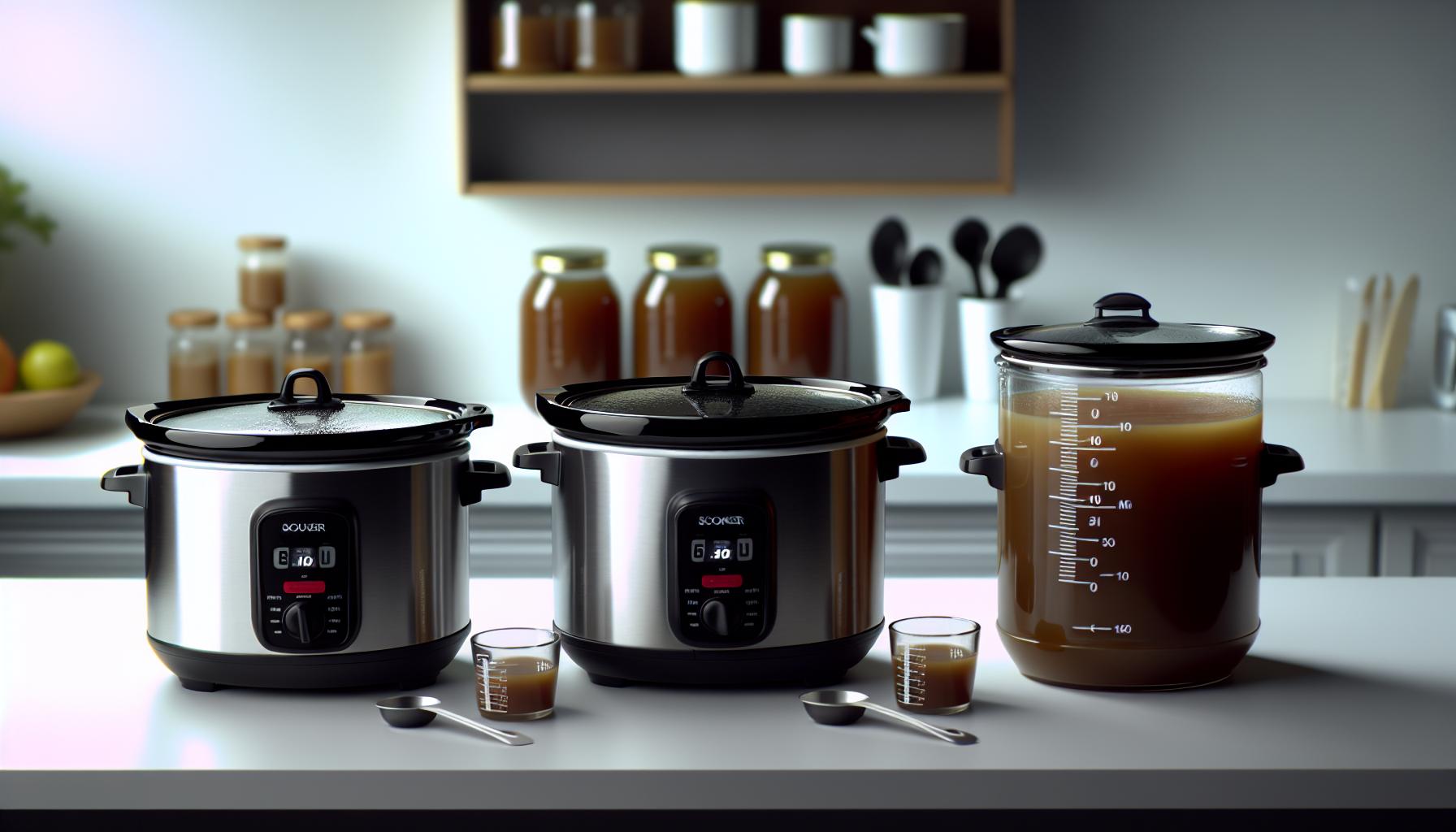
adjusting broth amounts to fit your slow cooker’s size can feel like a bit of kitchen math-but fear not, it’s more of a friendly nudge than a strict science experiment. Whether you’re working with a petite 3-quart slow cooker or a behemoth 8-quart model, finding the right broth volume ensures your pot roast doesn’t turn into a dry hike or a soggy mess. the secret? think of the broth as more than just a liquid-it’s the cozy bathing suit your roast and veggies wear,so it has to fit just right.
For smaller slow cookers (around 3-4 quarts), about 1.5 to 2 cups of broth usually hits the sweet spot for a 3 to 4-pound roast plus veggies. This amount provides enough moisture for the steam to circulate and gently tenderize the meat without drowning everything in liquid. On the other hand, if you’re rocking a larger slow cooker-say 6 quarts or more-you’ll want to increase the broth accordingly, generally to about 3 to 4 cups or more. But here’s where personal preference and your add-ins come into play. If you’re packing in hearty root vegetables or a splash of wine or tomato paste, you might want to reduce broth to keep that classic pot roast texture and prevent stew-like results.
How to Gauge the Perfect Broth for Your Slow Cooker
- Fill level matters: Aim for the liquid to cover roughly one-third to one-half of the roast. This balance promotes enough moisture for slow cooking without submerging the meat entirely, preserving those savory braised edges.
- Veggies and extras contribute liquid, too: Root vegetables like potatoes and carrots release moisture as they cook. If your recipe calls for a lot of these, pause on the full broth amount and start with a bit less-then add as needed.
- Check your slow cooker shape: Oval slow cookers typically spread ingredients thinner requiring a slightly higher liquid level compared to taller, narrower round cookers.
In my own kitchen experiments, I once tried cooking a 5-pound chuck roast in a giant 7-quart slow cooker with the same 3-cup broth recipe I use for my smaller machine. Result? Overly wet vegetables and a thinner-than-expected gravy. Lesson learned: it’s better to err on the side of less broth initially, then top off later if things look parched. This tweak avoids the “oops” moments and keeps your pot roast firmly in the delicious comfort food realm.
For paleo and gluten-free pals, adjusting broth is also about quality-using homemade beef bone broth guarantees flavor depth without sneaky additives. The amount may vary slightly based on broth richness, so remember: richer broth means you can often use less liquid overall to achieve that luscious finish. no matter what slow cooker size you have, a little tasting patience and a lid that seals well go a long way for perfect pot roast magic.
choosing the Right Broth Type for Flavor and Diet
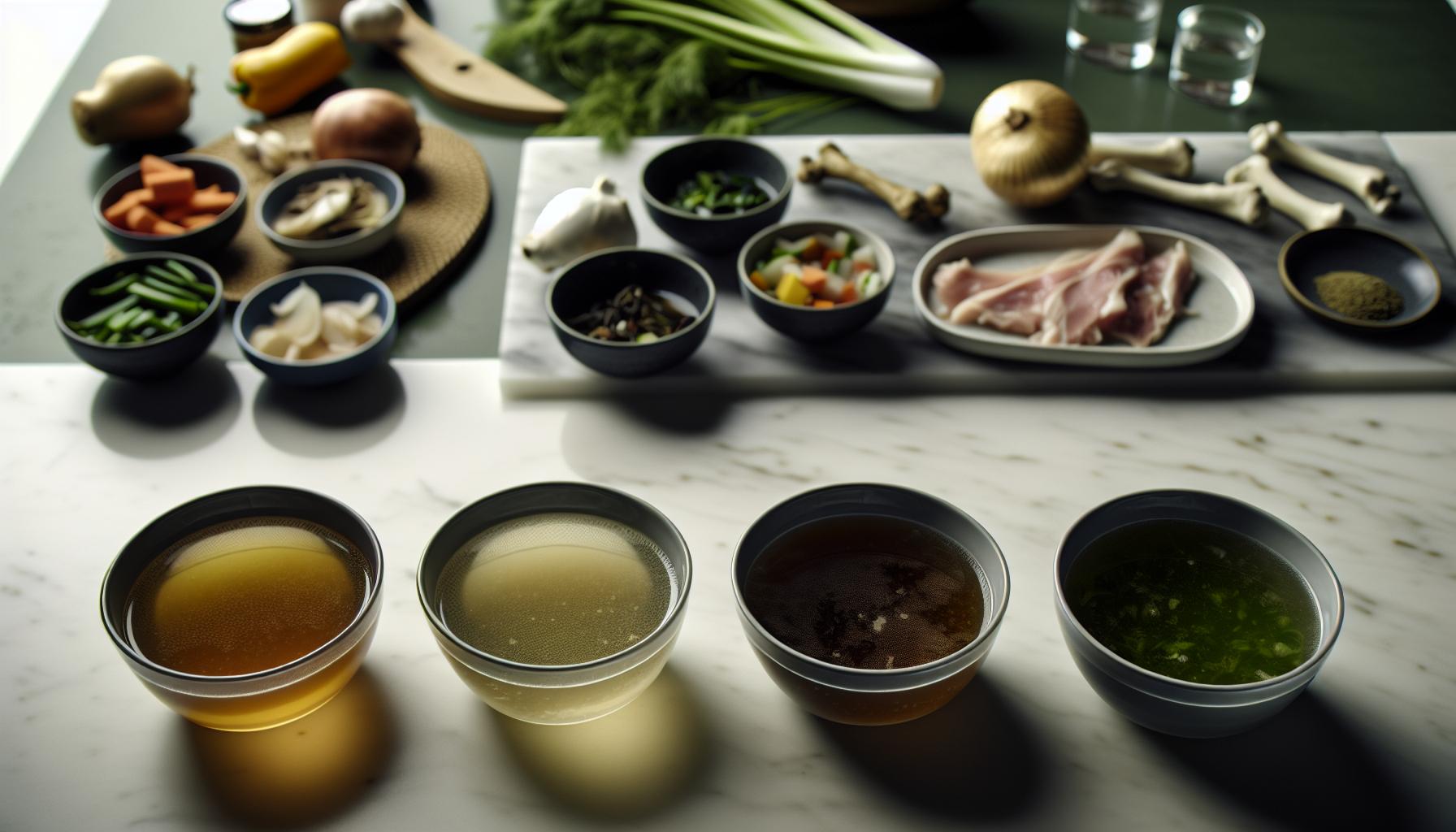
Choosing a broth for your slow cooker pot roast isn’t just about pouring in any old liquid and calling it a day. the type of broth you select can dramatically influence the final flavor, texture, and even how nourishing your meal is-especially when you factor in dietary preferences like paleo or gluten-free. Think of broth as more than just a cooking medium; it’s the flavor foundation and sometimes the secret weapon to an unforgettable pot roast experience.
For those aiming for a rich, deeply savory roast, homemade beef bone broth is an unbeatable choice. It delivers complex, gelatin-rich flavors that store-bought options often can’t match. Plus, making your own broth from roasted bones, aromatic veggies, and herbs means you no exactly what’s going into your pot, avoiding sneaky preservatives or additives. I love prepping a batch on the weekend, then freezing portions for fast pot roast nights-makes that “slow cooked all day” magic a breeze to whip up during busy weeks. This approach also caters beautifully to paleo and gluten-free diets, as it’s pure, unprocessed goodness without hidden gluten or fillers[[1]](https://justeasyrecipes.com/2025/06/16/how-to-make-easy-homemade-beef-broth-with-meat-off-cuts/).
If time’s tight or you’re shopping store shelves, look for broths labeled gluten-free and carefully scan ingredients for added sugars or artificial flavors. Low-sodium versions give you better control over seasoning and help avoid a too-salty roast after hours in the slow cooker. Vegetable broth or mushroom broth can also be lighter flavor substitutes; they’re fantastic if you want a subtler background or are leaning towards a less beef-intensive taste profile. Just remember: these lighter broths might mean you need to amp up the herbs and spices to maintain that comforting pot roast depth.
Practical Tips for Matching Broth to Your diet and Cooking Style
- Homemade beef bone broth: Richest flavor, great for paleo and gluten-free, requires prep time but can be made ahead and frozen.
- Store-bought broths: Opt for organic or low-sodium with clean ingredients. great for convenience with mild flavors.
- Vegetable or mushroom broth: Lighter, perfect for those wanting subtler umami, vegetarian-friendly, and suitable for gluten-free diets if checked carefully.
- Broth concentrates or powders: Handy for last-minute cooking; just watch sodium and additives.
It’s also worth mentioning that broth thickness or richness impacts how much liquid you’ll need. A deeply concentrated bone broth can frequently enough be diluted a bit to avoid overpowering the pot roast, whereas thinner broth means you might want to add a splash more. From my own kitchen trials, using a robust bone broth meant I cut my liquid by about a quarter compared to a store-bought broth, and my gravy came out velvety without being watery. Little tweaks like this can make a huge difference, especially when balancing broth quantities with other slow cooker ingredients.
Ultimately, choosing your broth is about flavor, nutrition, and how it fits your lifestyle. With a few simple swaps and a little planning, your pot roast will taste like it’s been simmering away in grandma’s kitchen-even if you grabbed that broth from the grocery aisle last minute.
Balancing Broth with Other Liquid Ingredients
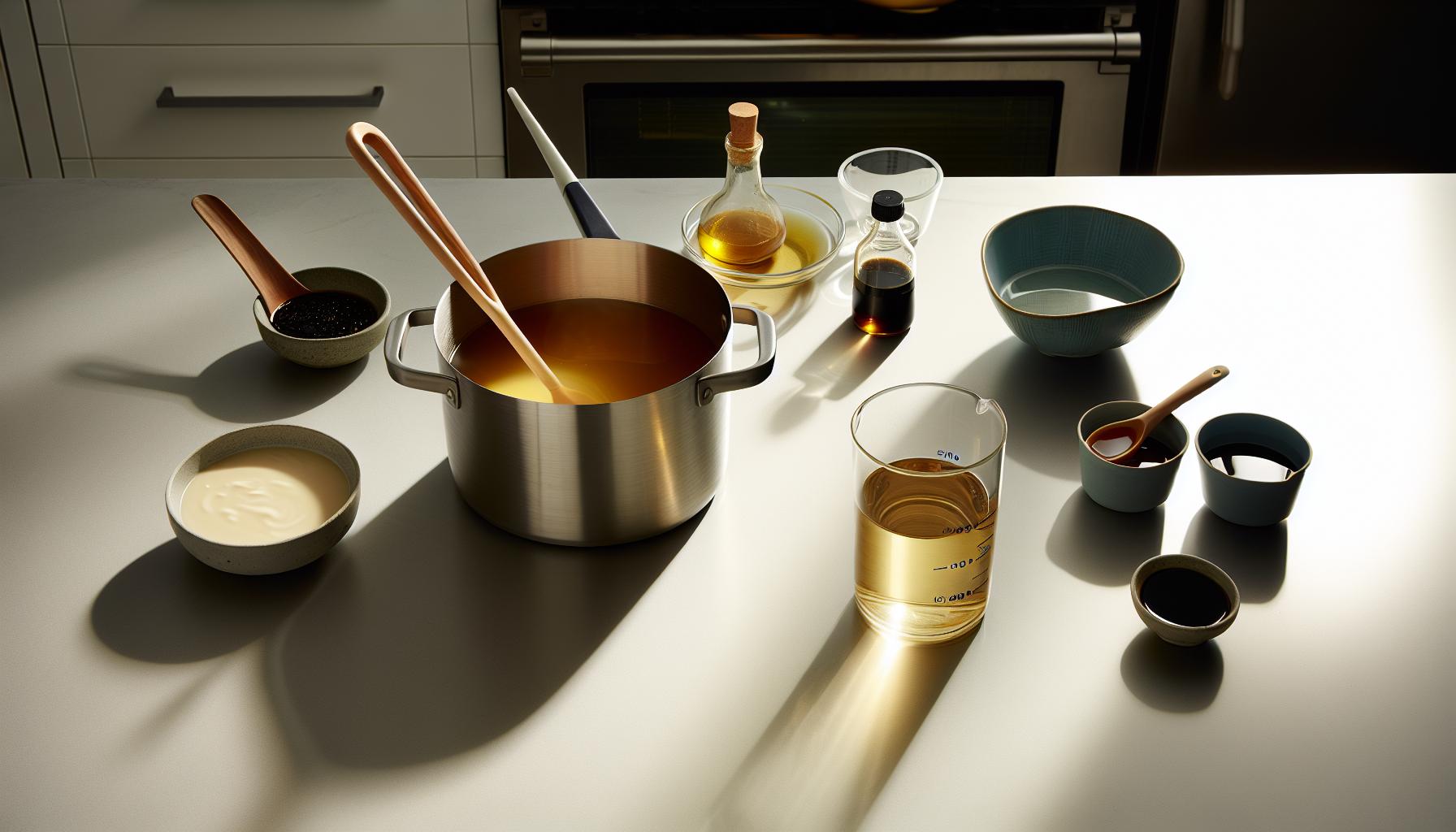
finding the perfect balance between beef broth and other liquids in your slow cooker pot roast can make the difference between a juicy,flavorful meal and a bland,watery disappointment.broth is obviously the star player when it comes to imparting rich, beefy goodness, but it rarely shines alone. Juices from vegetables, wine, tomato products, and even a hint of acidic ingredients like vinegar or citrus can all mingle in your slow cooker, creating a symphony of flavors. The key is knowing how much broth to add without drowning those supporting notes.
Think of your pot roast liquid landscape as a layering art form. if your broth is homemade, deeply concentrated, and gelatin-rich, you might want to ease up on it-too much and your roast can turn overpoweringly beefy or even slightly bitter.I’ve found in my kitchen experiments that combining about two-thirds broth with one-third complementary liquids like dry red wine, tomato sauce, or even a splash of apple cider vinegar balances flavor and acidity beautifully. This combo also helps tenderize the meat naturally without flooding your slow cooker with excess volume. For quick weeknight roasts, store-bought low-sodium broths are great because they leave room for you to adjust seasoning and liquids around them without oversalting.
- Vegetable juices: If you roast onions, carrots, or celery beforehand, those drippings add sweetness and body to the broth blend.
- Wine or beer: A splash adds complexity but reduces the broth quantity needed since alcohol evaporates and concentrates flavors.
- Tomato products: Tomato paste or crushed tomatoes thicken and deepen the sauce but call for a bit less broth to prevent a watery texture.
one classic mistake I’ve learned from is pouring too much broth “just to be safe.” Slow cookers trap moisture well, so less is often more. Overfilling with broth can dilute flavors and make thickening the final sauce a chore-and nobody wants a sad,soggy pot roast. A good rule of thumb is to fill the pot with liquid so it reaches about one-third to halfway up the meat,rather than covering it wholly.
Adjusting Broth amount by Ingredient Type
| Liquid Ingredient | Recommended Ratio to broth | Effect on Flavor & Texture |
|---|---|---|
| Dry red wine | 1 part wine : 2 parts broth | Adds acidity, complexity; tenderizes meat |
| Tomato paste or crushed tomatoes | 1 part tomato product : 2 parts broth | Thickens sauce; adds umami & acidity |
| Vegetable juice from roasted veggies | Equal parts with broth | Enhances sweetness, body; mild flavor enhancement |
| Water | Minimal or omitted | Dilutes flavor, used only if broth is very strong or concentrated |
To keep things paleo and gluten-free-friendly, replacing heavy liquids like wine or commercial tomato-based broths with homemade stock and roasted vegetable juices is a foolproof strategy. It’s also easier on the budget and cuts down on additives frequently enough hidden in store-bought products. and for those who love shortcuts, broth concentrates or bouillon pastes can offer intense flavor without adding too much volume, allowing you to reduce other liquids accordingly.
When balancing broth and other liquids, think of your slow cooker as a flavor-building workshop. Tweak your ratios to complement the size of your roast and the flavor profile you want. Trust your broth as the flavorful backbone but let those supporting liquids bring their own storyline to your pot roast’s delicious finale. It’s like cooking with a well-matched band rather than a solo artist-everyone shines better together!
Tips for thickening Pot Roast Sauce Without Extra Broth

Great sauces don’t always need more liquid-sometimes they just need a little help getting thicker and more luscious without drowning your pot roast in extra broth.For those of us juggling busy schedules, dietary preferences like paleo or gluten-free, or just looking to keep flavors bold and balanced, thickening the sauce can seem tricky. But here’s a secret: you don’t have to pour in more broth (or risk watering down all those rich flavors you carefully built) to get that velvety finish.One of my favorite tricks is using natural thickening agents that blend into the sauce seamlessly.For example, tossing in a small spoonful of arrowroot powder or tapioca starch-both paleo and gluten-free stars-can thicken the sauce without changing its taste.Just whisk about 1 teaspoon in a small amount of cold water to make a slurry, then stir it into your slow cooker sauce in the last 15-30 minutes of cooking. The heat activates the thickener,and voilà: silky sauce with no extra broth needed. These options are great because they don’t cloud the sauce or mask the beefy richness you’ve developed over hours of slow cooking.
If you prefer to keep things ultra-simple and pantry-friendly, reducing the liquid by removing the lid during the last 30 minutes of cooking helps concentrate flavors naturally. If your slow cooker model allows, simply switch to high heat, remove the roast, and let the sauce simmer down a bit on the stove or in the cooker itself with the lid off.This intensifies the taste and thickens without any added ingredients. I often do this when I feel the sauce is running on the thin side but don’t want to fiddle with thickeners, especially for quick weeknight dinners.
Other Easy Ways to Boost Sauce Thickness
- pureed cooked vegetables: Blend some of the slow-cooked carrots, onions, or celery back into the sauce for natural body and nutrients.
- Tomato paste: Just a tablespoon or two stirred in adds umami depth and thickens the sauce gently.
- Reduction with wine or balsamic: A splash of either can add a glossy sheen and a subtle tang while helping the sauce cling to the meat.
Sometimes improvising with what’s already in your pot means no extra broth or intricate add-ins-just smart techniques that celebrate the flavors you’ve crafted. I’ve found that these modest adjustments keep the sauce satisfying and rich, especially when working with homemade beef broth that’s concentrated and flavorful enough to stand on its own without needing volume boosts. Plus, these options respect paleo and gluten-free diets beautifully while celebrating the joy of slow-cooked comfort food without fuss or guilt.
How Broth Affects Cooking Time and Meat Tenderness

It’s amazing how just the right amount of broth can transform a tough cut of beef into a melt-in-your-mouth masterpiece. Broth isn’t just a background player holding ingredients together-it directly influences how long your pot roast needs to cook and how tender that glorious meat ends up. Too little liquid and your slow cooker might dry things out or cause uneven cooking. Too much, and you risk a stew-like sogginess, washing away those concentrated flavors you worked hard to develop.
In my kitchen experiments, I’ve found the sweet spot is usually around 1 to 2 cups of beef broth for a 3-4 pound roast. This modest amount provides enough moisture to create a steamy environment that encourages connective tissues in the meat to break down nicely-think of collagen turning into luscious gelatin-without drowning the roast. This balance shortens your cooking time slightly and helps maintain a texture that’s tender but still holds together beautifully when sliced.for larger roasts or oversized slow cookers, a bit more broth is helpful but always keep it moderate to avoid a watery outcome.
How Broth Volume Influences Cooking Heat & Moisture Levels
- Cooking Time: Adequate broth allows heat to transfer evenly, slowly hydrolyzing tough fibers. If the liquid is too scant, your roast can become dry around the edges and need extra time to fully tenderize.
- Meat Tenderness: The moisture in the broth helps maintain juiciness within the roast. It also dissolves muscle proteins over time, resulting in fork-tender bites that feel like a warm hug.
- Flavor Concentration: Less broth means more concentrated taste but watch for scorching if liquid evaporates too much. more broth dilutes flavor but makes for extra sauce to spoon over mashed potatoes.
Many times, I’ll start with less broth and monitor progress, adding a splash during cooking if things look dry-a flexible, no-fuss approach that respects both your timing and your taste buds. Plus, for paleo and gluten-free cooks, sticking to a natural homemade broth packed with herbs supports both nutrition and flavor without needing thickening agents or additives.
Don’t Forget: Broth Is Your slow Cooker’s Secret Weapon
A fun kitchen hack: the thicker your broth (think homemade, reduced or enriched with aromatics), the less you need to add, and the better the meat’s texture.A richer broth coats the roast, locking in moisture and flavor while ensuring the heat penetration stays even. Conversely, thinner store-bought broths may call for slightly more volume or a midway add-on to compensate.
So,next time you load up that slow cooker,remember-broth isn’t just about wetting the pot. It’s a subtle but powerful ingredient that manages the pace of cooking and cradles your roast to tender perfection, whether you’re rushing dinner prep or aiming for that signature melt-away comfort.
Creative Broth Alternatives for Paleo and Gluten-Free Cooks
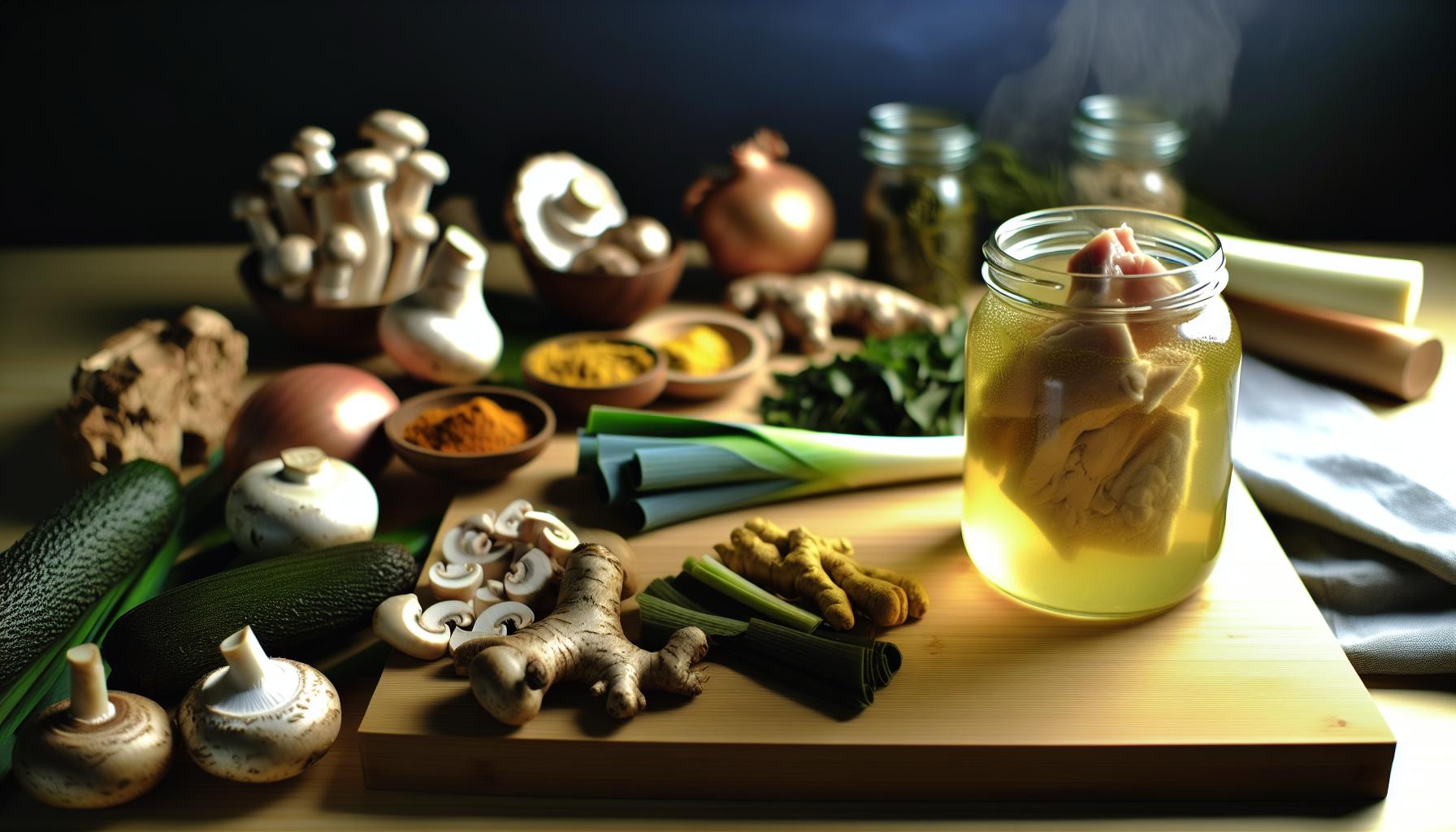
Broth frequently enough steals the show in slow cooker pot roasts, but when you’re following paleo or gluten-free lifestyles, the store-bought options can sometimes feel limiting or loaded with unwanted additives. Luckily, there’s a whole world of creative broth alternatives that not only keep your roast moist and flavorful but also cater perfectly to your dietary needs without extra fuss or weird ingredients.
A favorite trick in my kitchen is crafting a vegetable-forward broth base using hearty aromatics like onions, carrots, celery, and garlic simmered in water, enriched with herbs like thyme and rosemary. This naturally paleo-friendly liquid infuses the slow cooker with cozy, layered flavors that complement the beef without overpowering it. Plus, you can easily adjust salt and seasoning yourself, avoiding the hidden gluten or preservatives lurking in many commercial broths.For added depth, I sometimes add a splash of homemade bone broth-rich in gelatin and nutrients-which is a dream combo for melting tough collagen and keeping your pot roast tender.
Liquid Swaps That Work Wonders
- Coconut aminos: A great glutamate-rich swap for soy sauce, adding umami zing while staying paleo and gluten-free.
- Herbal tea infusions: Brewing strong herbal teas like dandelion or nettle as part of your liquid mix adds subtle earthiness and antioxidants.
- Creamy coconut milk or canned pumpkin: For those slow cookers that handle a little sweetness and creaminess, these can thicken the sauce naturally while keeping things dairy-free.
If you’re short on time, grabbing a high-quality paleo-certified broth from your local health store can be a lifesaver-it often has thoughtfully minimal ingredients and brilliant flavor. But if you’re feeling adventurous, cooking down your own broth the night before lets you control everything, and the slow cooker will reward you with melt-apart beef soaked in rich, clean-tasting juices.
One of my go-to rookie mistakes is pouring in too much option broth early on. These lighter liquids evaporate differently than beef broth, so it’s smart to start with 1 cup for a 3 to 4-pound roast and adjust by adding splash-ins halfway through cooking if things look dry. This way, you keep the texture spot-on without ending up swimming in liquid-or drying out your precious pot roast.remember that broth isn’t just liquid filler-it’s the stage where flavor chemistry happens. Embrace fresh herbs, cracked pepper, and a squeeze of citrus zest to elevate your broth alternatives. With a bit of creativity, your paleo and gluten-free pot roast can taste every bit as indulgent as the customary version, without the guilt or guesswork.
Real-Life Slow Cooker Broth Mistakes to Avoid
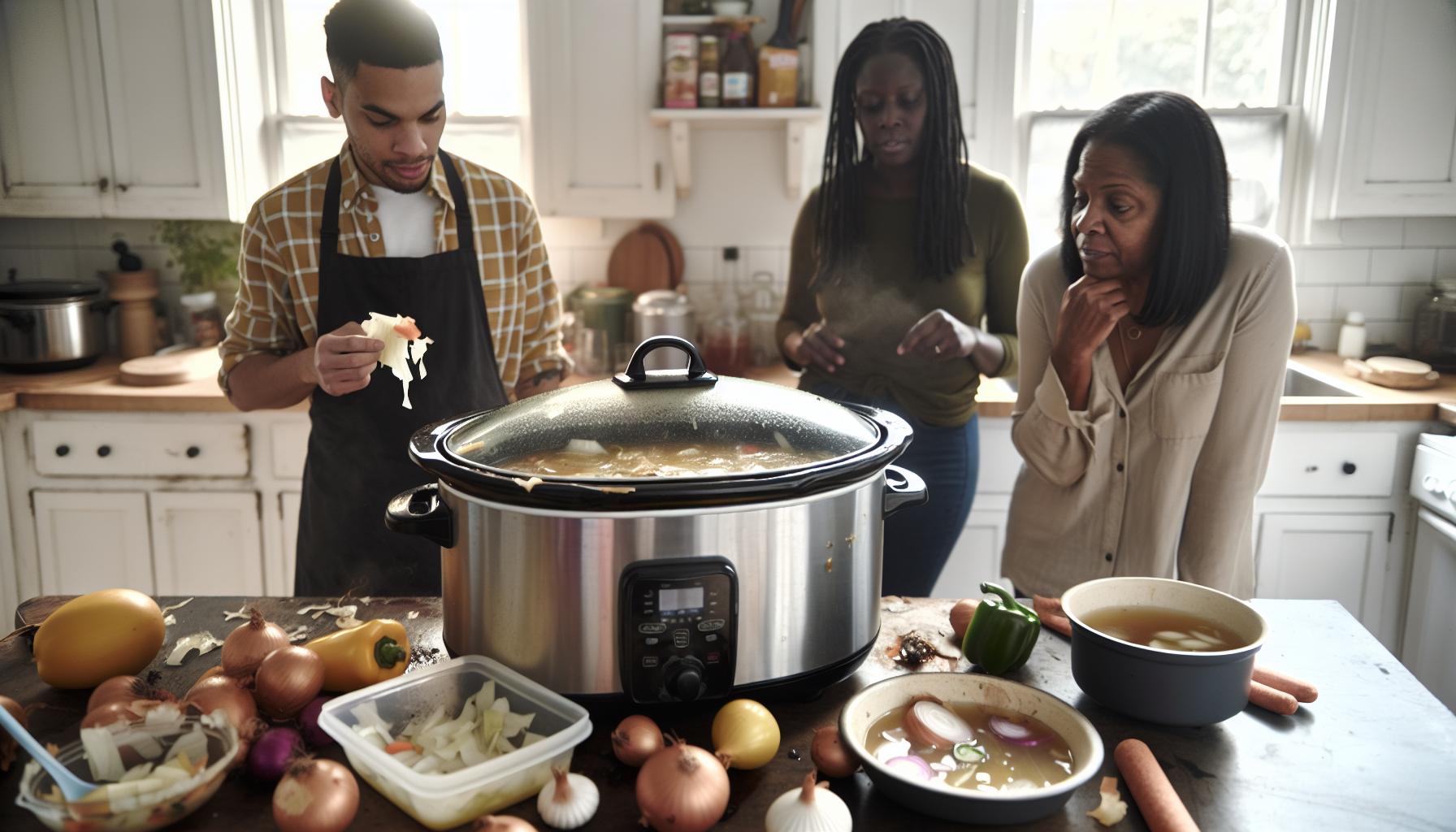
Broth might seem like the easiest part of a slow cooker pot roast, but getting the amount just right is surprisingly tricky-and anyone who’s ended up with a soggy or parched roast knows this well. One of the most common mistakes I’ve stumbled on (and heard a zillion times in kitchen chats) is pouring in too much liquid at the start. It’s tempting to think “more broth = more flavor and juiciness,” but slow cookers work like little flavor concentrators. If your pot roast is swimming in broth, you’ll wind up with a watery sauce and diluted taste rather than that rich, savory goodness everyone craves.
Another rookie slip-up is assuming all broths behave the same way. For those following paleo or gluten-free paths, lighter veggie-based or homemade broths evaporate at different rates than store-bought beef broth, which tends to have more gelatin and body. I once dumped a full 2 cups of a delicate herbal broth right at the beginning, and my roast ended up overcooked and slightly dry because the liquid didn’t cling around the meat like a cozy blanket. The better move? Start modest-think about 1 cup for a 3-4 pound roast-and add small splashes halfway through cooking if things look thirsty.This “broth pacing” keeps your roast tender and keeps the sauce luxuriously thick by the end.
Don’t Underestimate Timing and Slow Cooker Size
Slow cookers differ in how much liquid they require-your 3-quart cooker will behave very differently than a 6-quart beast. It’s easy to pour the same broth amount into either, but smaller cookers might need less liquid as the food sits closer to the heat source. I once used my trusty 6-quart slow cooker on a weekday, poured in the usual broth volume, and nearly had a soup instead of a pot roast dinner! If you’re adjusting for size, err on the side of less broth, and keep an eye on it-you can always add more, but you can’t scoop it out once the lid is on.
Common Broth Blunders & How to Fix Them
- Too much broth early on: Leads to thin sauces and bland flavor.Tip: Start small and add gradually.
- Ignoring evaporation differences: Homemade/bone broths behave differently than commercial beef broths.
- Not adjusting for crock size: Larger pots need more liquid, but not double. Scale carefully.
- Forgetting to season the broth: A bland broth means a bland roast. Season early but taste before adding more salt.
When it comes to thickening sauces without drowning your roast in more broth, skip the temptation to add extra liquid. Instead, consider stirring in a slurry of arrowroot or tapioca starch near the end, or let the slow cooker lid rest slightly ajar in the last 30 minutes to concentrate the juices naturally. Trust me, learning these little hacks saves you from broth-related heartbreak and makes every bite satisfyingly rich.
Cooking is all about trial, error, and tweaking to your taste and gear, so don’t fear the odd broth misstep. Treat each pot roast as a new adventure – your slow cooker and palate will thank you!
Storing and Reusing Leftover Broth from Pot Roast

You know when you finish your slow cooker pot roast and you’re left with that glorious broth sitting in the bottom of the pot? It’s like liquid gold-full of concentrated flavor, tender meat juices, and a bit of magic from those slow-simmered veggies and herbs. Tossing it would be a crime! But how do you keep this treasure fresh and ready for round two without sacrificing flavor or quality? Let’s break down the really easy steps to save, store, and repurpose your leftover pot roast broth like a home-cooking pro.One of my favorite hacks is to strain the broth through a fine-mesh sieve or cheesecloth as soon as your pot roast is done and cooled a bit.This cleans out all the tiny bits of meat, fat, and veggie remnants that might otherwise make your broth cloudy or gritty when you reuse it. After that, cool the broth completely-preferably in small portions-so it chills quickly and stays safer longer.You can store it in glass jars or BPA-free plastic containers.A quick tip: leaving about an inch of headspace helps when freezing since liquids expand. in my experience, freezing in 1-cup portions is a game-changer-you can thaw exactly what you need for soups, stews, or even to re-moisten a roast.
How Long Does It Last?
- Refrigerator: up to 4 days if cooled properly-perfect for planning meals within the same week.
- Freezer: 3 to 4 months is your freind for long-term storage, though flavor might start to mellow after that.
I always jot the date on the lid because I’m notorious for forgetting what’s in my freezer stash (and turning it into a science experiment). Plus, this broth works beautifully for paleo and gluten-free diets since you’re in control of the ingredients-no sneaky additives necessary.
Creative Ways to Use leftover Pot Roast Broth
Instead of waiting for the next roast (although,lucky you if you’re making more soon!),here are some fun and practical ideas for putting that broth to work:
- Soup base: Use your rich broth as the flavor-packed foundation for a quick veggie or paleo-friendly soup.
- Grain cooker: Replace water with broth when cooking rice, quinoa, or cauliflower rice for an extra taste boost.
- Sauce enhancer: Reduce the broth on the stove to create a luscious pan sauce-that little bit of meaty soul really uplifts chicken or pork dishes.
- Slow cooker kickstart: Add frozen broth cubes to another slow cooker meal for instant depth without diluting your recipe.
Bonus Tips for Storing Broth Wisely
- Don’t forget to skim off fat after chilling,unless you’re using it for extra richness-that layer solidifies nicely in the fridge.
- label containers with broth type and date-wise multitasking when you juggle beef, veggie, or chicken broths alike.
- Consider clear containers-you’ll spot any spoilage,and it’s easy to grab the right amount on the fly.
In all honesty, storing and reusing your pot roast broth is a small step that makes a big difference in your kitchen economy and flavor game.It saves time, keeps your meals nutrient-rich, and feels like you’re wringing every bit of deliciousness out of your effort-which is exactly what home cooking should be about. So keep a stash ready,and your future self (and taste buds) will thank you for every savory spoonful!
Boosting Flavor: Herbs and Spices to Add to Your Broth

There’s a marvelous alchemy to transforming simple beef broth into something that sings with layers of flavor. The secret? Thoughtfully chosen herbs and spices that marry beautifully with the rich, meaty base you get from a slow cooker pot roast. Whether you’re aiming for a bold, traditional profile or something a touch more adventurous, these additions can elevate your broth from just-good to absolutely crave-worthy-without adding a lot of effort or fuss.
For a classic approach that’s cozy and familiar, herbs like rosemary, thyme, and bay leaves are your go-to trio. Rosemary brings a piney warmth that pairs perfectly with beef, while thyme offers a subtle earthiness that develops gracefully during those long, slow cooking hours. Bay leaves inject a mild, herbal complexity that rounds out the overall flavor. I like to toss in 3-4 sprigs of thyme, 2 bay leaves, and 1-2 sprigs of rosemary early on, tied together with kitchen twine or simply loosely bundled so they’re easy to fish out later. This little bundle of joy simmers away, infusing your broth with tastes reminiscent of Sunday dinners and warm kitchens.
Want to shake things up? Consider adding a pinch of whole black peppercorns for a gentle heat that never overpowers.For a cozy, slightly sweet note, a couple of crushed garlic cloves and a few slices of fresh ginger add a subtle punch and digestive bonus, especially if you’re cooking paleo or gluten-free and love a little zing. Don’t shy away from smoked paprika if you want a smoky, mildly spicy twist that deepens the broth’s meaty vibe without changing its soul. My hack: add these toward the last hour of cooking so they don’t overpower but still have time to meld.
Herb and spice Ideas for Every Broth mood
- Traditional Classic: Rosemary, thyme, bay leaves, black peppercorns
- Bold and Smoky: Smoked paprika, cumin, garlic cloves
- Fresh and Bright: Parsley stems, dill, lemon zest (added near the end)
- earthy and Warm: Coriander seeds, star anise (small amount), ginger slices
And here’s a little insider tip from a fellow busy home cook: don’t be shy about adjusting quantities based on broth volume. For a slow cooker filled halfway, scale down the herbs so they don’t become overpowering. If your broth seems too subtle after cooking, a quick sprinkle of fresh chopped herbs right before serving can bring everything back to life-like adding a fresh-baked pop of flavor.
By playing around with these easily accessible herbs and spices,you customize your broth to perfectly complement your pot roast and any leftovers you dream up. It’s an easy way to keep your kitchen creative while sticking to wholesome, paleo and gluten-free-friendly ingredients. Plus, it’s fun to find that perfect balance that makes everyone at the table ask, “what’s your secret?” Spoiler: it’s probably just good herbs and great broth.
Faq
Q: How do I know if I’m using too much beef broth for my slow cooker pot roast?
A: using too much beef broth can make your pot roast watery. A good rule of thumb is to add just enough broth to cover the bottom of the slow cooker by about 1 to 2 inches. This keeps the meat moist without diluting flavors.Check the broth level halfway through cooking and adjust if needed. For more tips, see how balancing broth with other liquids enhances flavor.
Q: Can I use water instead of beef broth in a slow cooker pot roast?
A: Yes, you can substitute water for beef broth, but using beef broth adds richer flavor and depth to your pot roast. If you use water, consider boosting flavor with herbs, spices, or a beef bouillon cube. Refer to the section on boosting flavor with herbs and spices for simple additions that keep your dish tasty.
Q: When should I add beef broth to my slow cooker pot roast for best results?
A: Add beef broth at the start of cooking to allow the meat to slowly absorb the moisture and flavors.This ensures tenderness and a rich sauce.For a thicker gravy, add some broth later with thickening agents if desired.Learn how broth affects cooking time and tenderness for perfect pot roasts every time.
Q: How can I adjust beef broth amount for a larger or smaller slow cooker pot roast?
A: Adjust broth volume proportionally-use more broth for larger cuts or slow cookers over 6 quarts, and less for smaller sizes. Aim to cover the bottom and partially submerge the meat without drowning it. This helps maintain ideal cooking moisture straight from the “Adjusting Broth for Different Slow Cooker Sizes” guide.
Q: Does the fat content in beef broth affect the texture of a slow cooker pot roast?
A: Yes, broth with higher fat content can create a richer, silkier sauce and keep the meat moist. If you prefer leaner options, choose low-fat or homemade broth and add healthy fats like olive oil or butter later.This balances flavor and texture while fitting various dietary needs.
Q: How much broth should I add if I’m cooking a pot roast without vegetables?
A: When cooking pot roast without vegetables, use about 1 to 1.5 cups of beef broth to keep meat moist and create flavorful jus.Without veggies releasing extra moisture, careful broth measurement prevents both dryness and excess liquid.
Q: What’s the impact of using homemade beef broth versus store-bought in slow cooker pot roast?
A: Homemade beef broth typically offers deeper flavor and fewer additives, enhancing your pot roast’s taste naturally. Store-bought broths can vary-look for low sodium or natural options to control salt and flavor. Check “Choosing the Right Broth Type for Flavor and Diet” for more on selecting your broth.
Q: How can I reduce leftover beef broth after cooking pot roast?
A: To reduce leftover broth, simmer it on the stove to concentrate flavors or freeze it in portions for future recipes. Alternatively, use broth for gravy, soups, or stews. See the “Storing and Reusing Leftover Broth from Pot Roast” section for practical storage tips and ideas.
For more detailed insights and handy cooking tips, explore related sections in the article. Enjoy crafting delicious slow cooker pot roasts with just the right broth every time!
Closing Remarks
Getting the perfect amount of beef broth in your slow cooker pot roast is a game-changer-balancing rich flavor and tender texture without turning your roast into a stew. Whether you’re aiming for a gluten-free comfort meal or a paleo-friendly dinner, the right broth quantity sets the stage for success every time. If you’re ready to elevate your next pot roast, consider experimenting with broth alternatives like bone broth or homemade stock to boost nutrition and depth.
don’t stop here-check out our guides on ”Slow Cooker Cooking Tips for Glowing Results” and “Easy paleo side Dishes That Pair Perfectly with Pot roast” to round out your meal prep with confidence. Have questions or unique tweaks? Drop a comment below or sign up for our newsletter to get fresh recipes and kitchen hacks delivered straight to you. Remember, the secret to slow-cooked bliss is just a ladle of broth away-so dive in and savor every bite!
Get our latest guides, news, and insights highlighted in your Google Search & AI Overviews.