Did you know you can skip soaking beans altogether and still get tender, flavorful results in your slow cooker? Cooking dry beans without soaking saves time and simplifies prep, making it perfect for busy folks craving wholesome meals without the fuss. While the process takes a bit longer-usually around 6 to 8 hours depending on the bean type-the slow cooker does all the heavy lifting. This approach fits great with gluten-free and paleo-friendly diets,offering hearty,comforting dishes with minimal hassle. Whether you’re juggling work,family,or just want dinner ready when you walk in the door,learning how long to cook beans without soaking unlocks kitchen freedom. Plus, you’ll avoid the “did I remember to soak?” scramble, keeping your bean game strong and stress-free. Let’s dive into how to make this simple method work every time-because appetizing, homemade beans are absolutely worth it!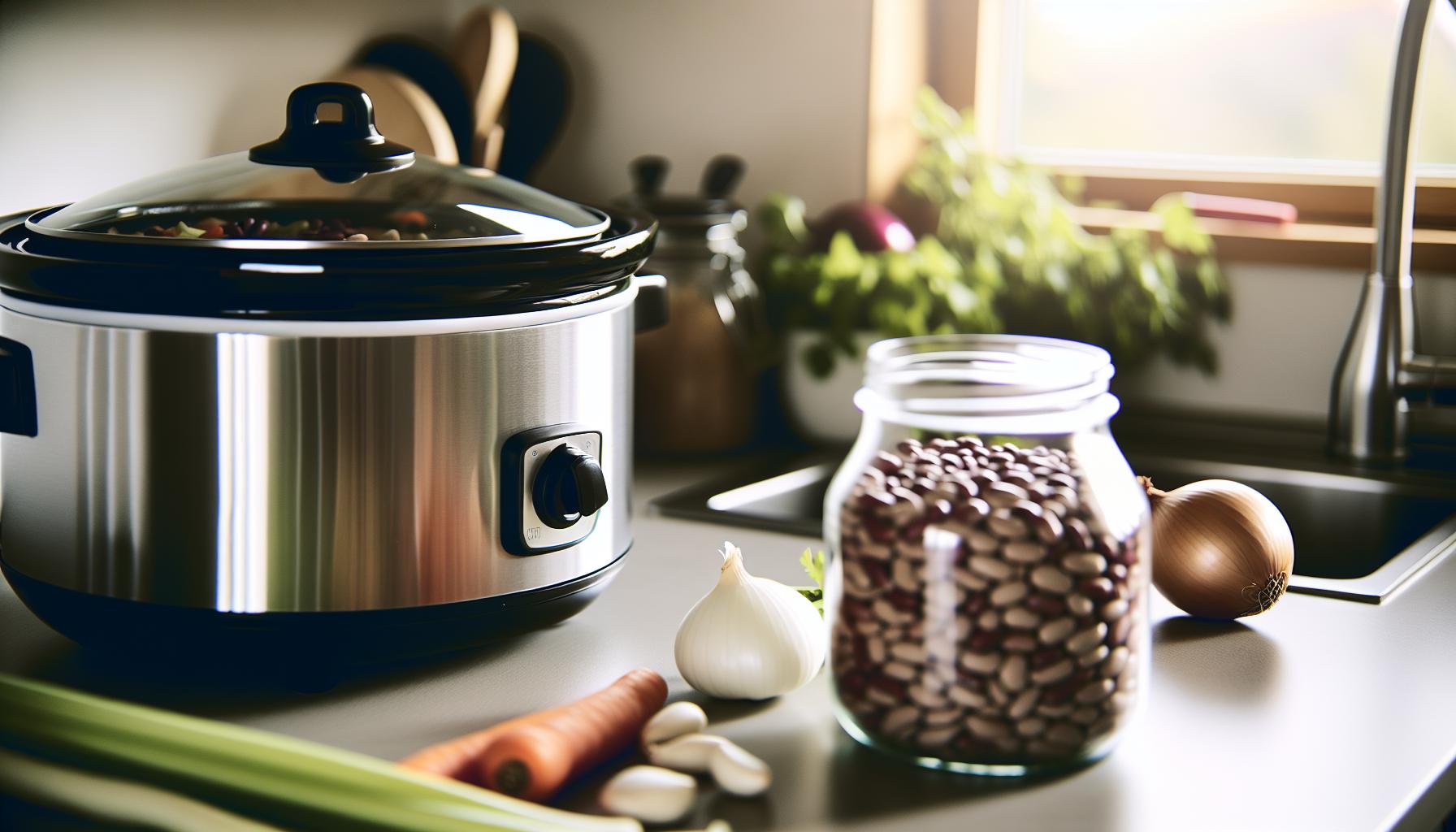
Table of Contents
- Understanding Slow Cooker Beans Without Soaking: Basics and Benefits
- How Long to Cook Different Types of Beans Unsoaked
- Step-by-Step Guide: Cooking Unsoaked Beans in a Slow Cooker
- Tips for Perfect Texture When Skipping the Soak
- Common Mistakes and How to Avoid Them Cooking Unsoaked Beans
- Safety First: How to Ensure Beans Are Fully Cooked and Digestible
- Flavor Boosts and Seasoning Ideas for Slow Cooker Beans
- Comparing Soaked vs. Unsoaked Beans: Time, Texture, and taste
- Quick Fixes: What to Do If Your Unsoaked Beans Are Still Hard
- Using Slow Cooker Beans for Easy Meals & Recipe Ideas
- Frequently asked questions
- Q: Can you safely cook kidney beans in a slow cooker without soaking?
- Q: Why do unsoaked beans take longer to cook in a slow cooker?
- Q: How do slow cooker settings affect cooking time for unsoaked beans?
- Q: Can I add salt or acidic ingredients when cooking unsoaked beans in a slow cooker?
- Q: What are the best bean varieties to cook without soaking in a slow cooker?
- Q: How can I tell if slow-cooked unsoaked beans are done and fully safe to eat?
- Q: Is it better to use dry or canned beans for quick slow cooker meals without soaking?
- Q: Can I freeze slow cooker beans cooked without soaking for meal prep? How long do they keep?
- In Retrospect
Understanding Slow Cooker Beans Without Soaking: Basics and Benefits
Here’s a neat little kitchen secret: you can toss dried beans straight into your slow cooker without soaking them first and still end up with tender,tasty beans. Skipping the soak saves time and hassle, freeing you up for other things-like binge-watching your favorite show or prepping a swift side dish. Plus, its a real boon when you forget to plan ahead but still crave that cozy, homemade bean goodness.
Going unsoaked does mean your beans will take a bit longer to cook, but slow cookers thrive on patience. Using the slow cooker’s low-and-slow magic, beans soften beautifully without turning mushy. Soaking beans is traditionally done to soften them faster and reduce certain compounds that can cause digestive discomfort, but with enough cooking time, the slow cooker handles this naturally. It’s an especially handy trick for busy home cooks who favor paleo, gluten-free, or budget-friendly meals-beans are a nutrition-packed, protein-rich staple, versatile enough for everything from chili to comforting stews.
Benefits Beyond Convenience
- No planning needed: Forget soaking overnight; just rinse and go.
- Less kitchen clutter: Say goodbye to additional bowls and soaking water.
- Full flavor advancement: Beans simmer gently with spices and broth flavors intensifying over hours.
- Better texture control: Slow cookers let you keep an eye on the tenderness, reducing chances of overcooked beans.
Personally, I love starting a slow cooker batch mid-morning-tossing in dry beans, aromatics like onion and garlic, and broth-and finishing dinner with a one-pot meal that speaks comfort and convenience.It’s proof that even without soaking, the slow cooker earns its place as your best buddy in the kitchen, delivering hearty, digestible beans with minimal fuss.
How Long to Cook Different Types of Beans Unsoaked
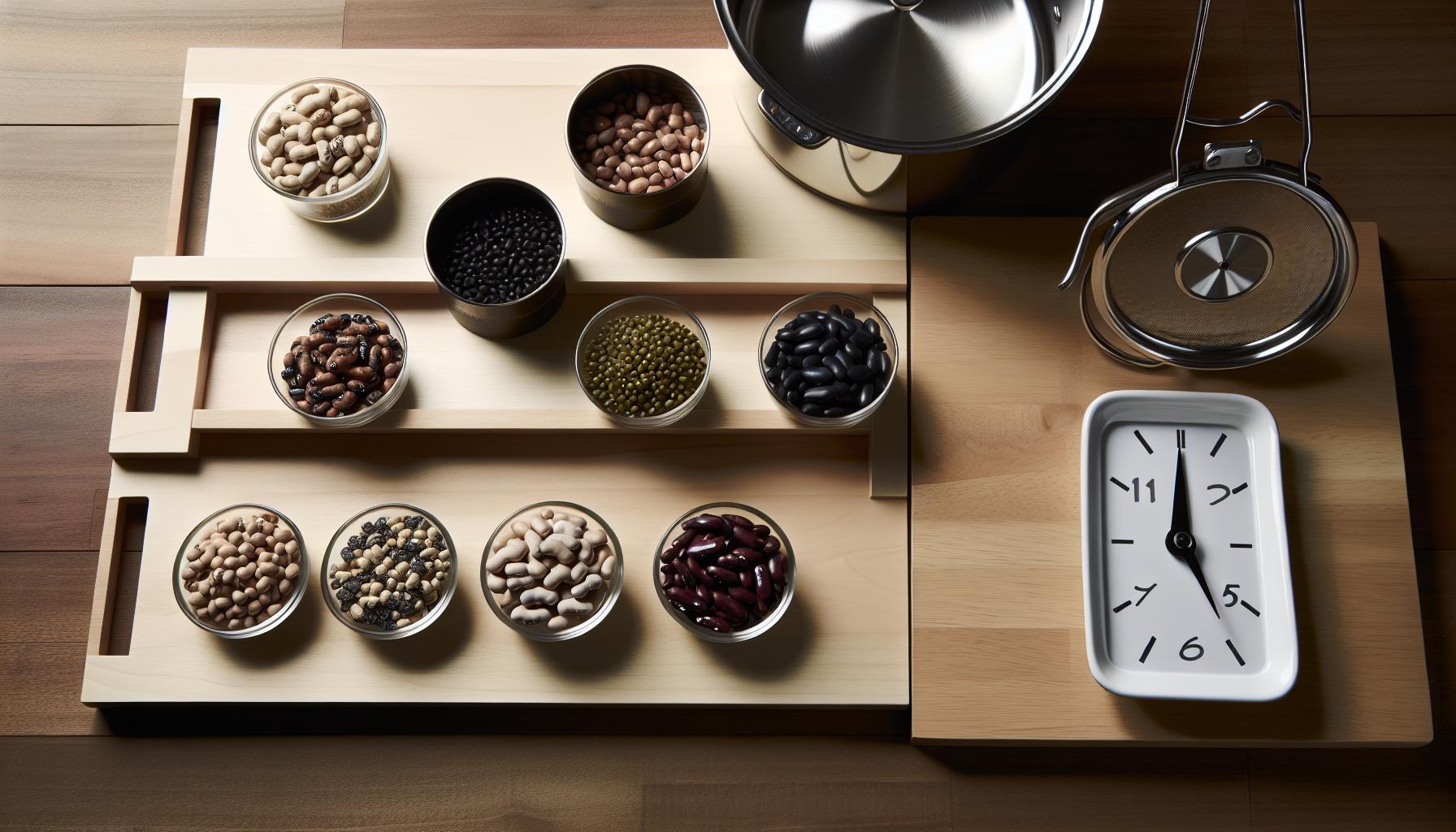
Cooking beans without soaking them first might sound like a daring kitchen move, but with a slow cooker, it’s more than doable-it’s downright delicious! The main trade-off when skipping the soak is a longer cooking time, but the slow cooker’s low-and-slow approach is great for coaxing out tender beans without turning them into mush. How long exactly? Well, that depends on the type of bean you’re using, as some varieties are heartier and take more time to soften, while others cook up relatively quickly.
- Small beans, like black beans or lentils: These typically finish between 6 to 8 hours on low heat. These are perfect if you want to set it and forget it overnight or while you’re out during the day. If you’re short on time, a high setting for 4 to 5 hours can also do the trick, but watch closely to avoid overcooking.
- Medium-sized beans, such as pinto or navy beans: These usually need about 8 to 10 hours on low in the slow cooker if unsoaked. They develop a creamy texture perfect for everything from burritos to soups.I once left a batch cooking from morning until dinner time-tossed in some aromatics and it came out incredibly flavorful and tender.
- Larger, dense beans like kidney or chickpeas (garbanzo beans): These can take up to 10 to 12 hours on low without soaking. Chickpeas are notoriously stubborn when unsoaked, so patience is key. If you want to speed things up slightly, a high setting for 6 to 8 hours works, but start checking for tenderness earlier to prevent breakage.
A trusty slow cooker doesn’t just soften beans; it also gives those flavors room to play and deepen over time. If you’re feeling experimental, add spices, herbs, or aromatics right from the start so the beans soak up all the goodness during their extended cook. I find this especially handy for paleo or gluten-free folks who appreciate simple, hearty meals without fuss.
| Bean Type | Cook Time Unsoaked (Low) | Cook Time Unsoaked (High) | Best Uses |
|---|---|---|---|
| Black Beans | 6-8 hours | 4-5 hours | Soups, tacos, salads |
| Pinto Beans | 8-10 hours | 5-6 hours | Burritos, chili, refried beans |
| Navy Beans | 8-10 hours | 5-6 hours | Stews, baked beans |
| Kidney Beans | 10-12 hours | 6-7 hours | Chili, salads, soups |
| Chickpeas (Garbanzo) | 10-12 hours | 6-8 hours | Hummus, stews, curries |
If you find your beans are still a bit tough at the end of cooking, don’t fret! Sometimes adding a little more cooking time or a splash of hot water will coax them along to perfection. Remember, slow cookers have different heat intensities, and altitude can affect cooking times too. My best tip? Taste-test beans starting at the minimum time suggested and keep an eye on them-the perfect tender bite is the ultimate goal, and it’s worth the wait.
So next time you eye a bag of dried beans but skipped soaking, toss them in your slow cooker with confidence. With patience and the right timing, you’ll end up with comforting, nutritious beans that fit right into busy meal plans or relaxed, leisurely dinners alike.Enjoy!
Step-by-Step Guide: Cooking Unsoaked Beans in a Slow Cooker
Beans get a bad rap for needing intricate prep, but honestly, cooking them unsoaked in a slow cooker is one of the easiest, hands-off meals you can make-perfect for busy weeknights or lazy weekends when you just want dinner waiting for you. The magic lies in patience and the slow cooker’s consistent gentle heat, which turns those hard little gems into creamy, tender morsels without the upfront soaking. So, grab your favorite beans (pinto, black, navy, or chickpeas), and let’s get you set up with a foolproof method that guarantees tasty results every time.
Gather Your Ingredients and Gear
Before you dive in, the basics are simple:
- Dried beans: Measure out about 1 to 1.5 cups for a slow cooker batch (about 4-6 servings).
- Water or broth: Use roughly 4 cups for every cup of beans to ensure plenty of liquid for hydration and cooking.
- Aromatics and seasoning: Think bay leaves, garlic cloves, onions, or dried herbs to infuse flavor right from the start.
- Salt: add this at the end of cooking to avoid toughening the skins early on.
You’ll want a slow cooker that can hold at least 4-6 quarts, so there’s room for the beans to swell and plenty of liquid to keep them submerged.
The No-Soak Slow Cooker Bean Method
Here’s the play-by-play that’s helped me nail perfect beans without soaking:
- Rinse your beans: A quick rinse to remove dust or debris is always wise, especially with unsoaked beans.
- Add beans and liquid to the slow cooker: Pour in your rinsed beans and cover with water or broth, making sure beans are submerged by at least an inch.
- Season lightly but hold the salt: toss in bay leaves, garlic, onion, or dried herbs now, but save the salt for later to keep beans tender.
- Set the slow cooker: cook on low for the recommended time based on your bean type (usually 6-12 hours-black beans on the shorter end, chickpeas on the longer).
- Stir occasionally if you can: Not mandatory, but it helps ensure even cooking and stops the beans from sticking or clumping.
- Test for doneness about 30 minutes before the end: Beans should be tender but not mushy. If not quite there, give yourself a little extra time, adding hot water if needed.
- Season with salt and acidity last: Add salt and any vinegar or citrus juice toward the end to brighten flavors without toughening the beans.
- Enjoy or store: Use promptly, or cool and refrigerate/free for later meals like burritos, stews, or pureed dips.
Kitchen Wisdom and Real Talk
One of my favorite slow cooker pinto bean moments happened during a busy pandemic week-no soaking, just beans, water, garlic, and a splash of smoked paprika. After about 9 hours on low, they tasted like they’d simmered all day in a fancy restaurant, but I barely lifted a finger. That experience convinced me that skipping soaking isn’t a cop-out but a convenience hack, especially when life’s scrambling and you want nourishing food without stress.
Also, a hot tip: if your slow cooker runs “cool,” nudge cook times up or crank to high for the last hour to get that perfect creamy bite. Keep a zip-lock bag of frozen aromatics (chopped onion, celery, carrot) handy for adding extra flavor without chopping every time. This approach keeps your beans not just easy, but irresistibly good, paleo-friendly, and gluten-free by nature!
| Step | What to Do | Tip to Remember |
|---|---|---|
| 1 | Rinse beans | Remove debris and dust |
| 2 | Add beans + liquid + aromatics | Cover beans with 1-inch water; no salt yet |
| 3 | Cook on low 6-12 hrs (see bean type) | Check occasionally to avoid drying out |
| 4 | Test for tenderness 30 min before done | Add hot water if needed; extend cooking time |
| 5 | Add salt and acidic ingredients | Season last to keep beans tender |
Cooking unsoaked beans might feel like breaking the rules, but it’s really just embracing slow cooker magic and practical cooking.No need to complicate things or spend hours prepping. With these simple steps, you’ll harness slow, gentle heat into nutrient-packed, tender beans that fit beautifully into any diet or busy day. Bon appétit!
Tips for Perfect Texture When Skipping the Soak
cooking beans straight from dry to creamy perfection without the soaking step might seem like a gamble, but it’s actually a straightforward game of slow cooker patience and a few savvy tricks. The slow cooker’s gentle, consistent heat is a superhero here, transforming tough beans into tender bites - but dialing in the right texture without soaking requires a touch of finesse. Think of it like crafting a slow-dance where water, time, and seasoning move in harmony to produce that melt-in-your-mouth experience.
One of the biggest texture wins comes from using ample liquid - beans love plenty of room to swell and soak up flavors. A good rule of thumb? For every cup of dried beans, pour in about 4 cups of water or broth. This generous hydration keeps the beans from drying out or splitting their skins too early,which can happen if you skimp on moisture. If you peek in toward the end and things look a little dry, don’t hesitate to add hot water incrementally to maintain that perfect simmer without fluffing or mushiness.
Keeping salt and acidic ingredients on the sidelines until the beans are just about done is a classic texture tip that can’t be overstated. Salt added too soon tightens the bean skins, making them rubbery instead of creamy.Instead, add salt or acidic elements like vinegar or lemon juice in the final 20-30 minutes of cook time to brighten flavor without sabotaging tenderness. Trust me, it’s a subtle switch that makes a world of difference - your beans will feel like they’ve been slow-simmered for hours, as they have, they just skipped soaking!
Small Tricks for Big Texture Payoff
- stir gently, but don’t obsess: occasional stirring helps the beans cook evenly and reduces clumping, but don’t worry about constant babysitting. Slow cookers are forgiving and steady.
- Layer in aromatics early: Onion, garlic, bay leaves, or smoked paprika infuse flavor as beans tenderize, making every bite both flavorful and satisfying.
- Know your slow cooker: Older or smaller units can run cooler. If your beans lag at the finish line, bump the heat to high for the last hour or two for that tender, creamy prize.
In my experience,skipping soaking doesn’t mean compromising flavor or texture – it just means a little longer cook and a few mindful tweaks.Whether it’s creamy black beans for tacos or hearty chickpeas for stews,mastering these texture tips turns your slow cooker into a set-it-and-forget-it magic box,delivering meals that are not only paleo and gluten-free but downright delicious with minimal fuss. So go ahead, embrace the no-soak life with confidence-you’ve got this!
Common Mistakes and How to Avoid Them Cooking Unsoaked Beans
Sometimes, skipping the soaking step with beans can feel like navigating a delicious but tricky kitchen puzzle. You may expect a smooth, creamy outcome, only to discover beans that are still tough, split, or oddly bland. but don’t worry-these hiccups are totally normal and entirely fixable with a few simple adjustments. One common pitfall is underestimating how much liquid unsoaked beans need.As they haven’t had a chance to absorb water beforehand, they crave extra moisture during cooking. If you skimp, your beans may end up dry or with tough skins. The secret? Generously hydrate your beans from the start-about 4 cups of water or broth per cup of dried beans-to give them ample room to swell and soften at their own pace.
Another classic snag is adding salt or acidic ingredients like tomatoes, vinegar, or citrus too early in the process. While it’s tempting to throw everything in at once, these components can toughen the beans’ outer layer if introduced right at the beginning, resulting in a rubbery texture rather than a tender bite.Save these flavor stars for the last 20 to 30 minutes of cooking. This not only preserves the creaminess but also allows the bright notes to infuse beautifully when the beans are already halfway to perfect.
What to Watch Out For and How to Stay on Track
- Rushing the timer: Slow cookers love a low and slow approach, especially with unsoaked beans. Trying to speed things up with high heat too early often leaves beans chewy inside and split outside. Patience pays off here; set it on low for at least 6 to 8 hours.
- Ignoring your slow cooker’s quirks: Not all slow cookers are created equal. Older or smaller models may not get as hot, so check your bean texture a bit earlier and consider bumping the heat to high in the last hour or so if they’re stubborn.
- Overstirring: Stirring is great for even cooking, but overdoing it can cause mushy beans or bursting skins. A gentle stir halfway or two-thirds through cooking is enough to keep things happy.
Imagine the joy of pulling together a big batch of tender pinto beans without the overnight soak-just toss them in with extra broth and charming aromatics early on. One of my personal kitchen stories involves a no-soak black bean chili where I bumped into the salt-too-early trap. The beans refused to soften properly until I adjusted the timing of seasoning. Learning to hold off on salt was a game changer that turned the pot from “meh” to “wow.” so, relax into the flow of slow cooking, trust your cooker’s rhythms, and lean on these tips to avoid common strays on the no-soak path. Your belly (and busy schedule) will thank you.
Saving the Day When Things Go Sideways
- Beans too firm even after cooking? Add a bit more hot water and keep cooking on high for another hour or so. Sometimes unsoaked beans just need a little extra love.
- Skins splitting too soon? Check that you’re not stirring too frequently enough and that the liquid level is consistently high.
- Flavor falling flat? Remember to layer in aromatics like bay leaves, garlic, and onion early, and reserve your salt and acid hits until close to the finish line.
With these common missteps out of the way and a handful of flexible tricks at your fingertips, cooking unsoaked beans in your slow cooker feels less like a gamble and more like a savvy kitchen win-delivering paleo-friendly, gluten-free comfort food with minimal fuss and maximum flavor.
Safety First: How to Ensure Beans Are Fully Cooked and Digestible
There’s a special kind of kitchen satisfaction in turning a bag of dried beans into a silky, tender pot of comfort food-all without soaking. But making sure those beans are not only soft but also safe to eat is key to preventing not just a tough chew but any unwanted tummy trouble. Slow cooking unsoaked beans is a gentle dance that requires patience and the right approach to fully break down naturally occurring compounds like lectins, especially in varieties like kidney beans, which can be toxic if undercooked.
The secret weapon here is time and temperature. Slow cookers set on low heat and a long cook time-think 6 to 8 hours or more-give beans the steady environment they need to become soft and digestible. Rushing this by cranking up the heat can leave beans not only firm but potentially unsafe. For instance, red kidney beans contain a toxin called phytohaemagglutinin that is neutralized only through thorough cooking. If you’re unsure whether your beans have reached the right tenderness, doing a simple taste test or squeezing a bean between your fingers can reveal whether they’re truly done-if it slips apart easily, you’re good to go! If not, stick them back in with extra hot water and keep going, no shame in adding a little more time or liquid if needed.
- Bump the heat cautiously: If after the recommended cook time your beans are still stubborn,try increasing your slow cooker to “High” for an additional hour,checking frequently.
- Stir sparingly: Too much stirring agitates the beans and can cause breaking or uneven cooking, so a gentle fold halfway through is all you need.
- Beware of retracting liquid: Beans need ample moisture as they soak up water while cooking-keep the beans submerged with broth or water to ensure even softening and digestion-friendly results.
A little personal kitchen wisdom? On one occasion, I was in a rush to get dinner on the table and ignored the low-and-slow gospel, tossing unsoaked beans on high for just a few hours. The result? beans that were tough as little rubber nuggets and left guests puzzled.Lesson learned: patience pays off. I now always reserve extra time and make double sure there’s plenty of liquid-being generous with broth not only aids cooking but adds a depth of flavor that water alone can’t touch.
Why Fully Cooking Beans Matters for Digestion
Raw or undercooked beans carry indigestible sugars and toxins that can cause unpleasant bloating, gas, or worse, discomfort that could ruin your happy meal. Thorough slow cooking breaks down these tough components gently and flavors beans into creamy, easy-to-digest nutrition that suits paleo and gluten-free diets alike. So, it’s not just about softening-it’s about transforming beans into a gut-friendly, belly-happy ingredient. Embrace the wait and trust the process. Your slow cooker is your kitchen’s best friend for this one, turning simple pantry staples into hearty, wholesome dishes filled with flavor and comfort.
Bottom line: when it comes to unsoaked beans, consider your slow cooker the patient maestro conducting a slow symphony of heat and moisture – keep an eye, but don’t rush, and your beans will reward you with safety, softness, and incredible taste every time.
Flavor Boosts and Seasoning Ideas for Slow Cooker Beans
Sometimes, the real magic in slow cooker beans comes not just from the cooking time but from layering in flavors that turn humble legumes into a table-star darling. Sence slow cooking allows beans to soak up all the surrounding aromas over several hours, adding the right seasonings early on means every bite is rich and satisfying – no one wants bland beans, especially after the anticipation of all that simmering! Whether you’re aiming for a cozy, southwestern vibe or a Mediterranean-inspired feast, a few thoughtful ingredients will elevate your bean game without adding fuss.
One foolproof trick is to combine aromatics like onion, garlic, and bay leaves right at the start. They infuse depth without overpowering the natural nuttiness of beans. For a smoky warmth, a sprinkle of ground cumin or smoked paprika works wonders. Don’t shy away from herbs either-dried oregano,thyme,or even a pinch of rosemary complement many bean varieties,especially pinto or black beans. And here’s a pro tip: for paleo or gluten-free eaters craving a flavor punch, stir in a splash of apple cider vinegar or fresh lime juice right at the end of cooking. These brighten the flavors and help balance the richness without adding carbs.
- Start with the basics: onion, garlic, bay leaves – they’re your slow cooker’s best friends.
- Spices that sing: cumin, smoked paprika, oregano, thyme – add early so the flavors meld beautifully.
- Finishing touches: fresh herbs, a squeeze of citrus, or a dash of vinegar to brighten just before serving.
- Umami boosters: if not strictly paleo,a splash of low-sodium soy sauce or fish sauce can add savory complexity.
In a pinch, I love throwing in a smoked ham hock or a diced chipotle pepper in adobo sauce; they bring a fantastic smoky complexity that makes the beans taste like they’ve been cooking all day, even if you start late. Don’t worry about precise measurements – the slow cooker is forgiving. Just keep flavors balanced-avoid overpowering salt early on, as reducing liquids concentrate saltiness as beans cook. Taste towards the end and adjust,so your beans hit that perfect comfort-food sweet spot.
Seasoning Suggestions by Bean Type and Meal Style
| Bean Type | Flavor Profile | Recommended Spices & Add-Ins | Meal Inspiration |
|---|---|---|---|
| Pinto Beans | Earthy, mild | Garlic, cumin, oregano, bay leaves, smoked paprika | Southwestern chili, hearty bean stew, burrito filling |
| Black Beans | Rich, slightly sweet | Onion, garlic, cumin, cilantro, lime juice | Latin bowls, tacos, Cuban black beans |
| Navy Beans | Soft, creamy | Thyme, bay leaf, garlic, smoked ham hock (optional) | Boston baked beans, bean soup |
| Red Kidney Beans | Full-bodied, robust | Onion, garlic, chili powder, cumin, smoky pepper flakes | Chili con carne, spicy bean stew |
No matter your dietary preferences or time constraints, the slow cooker grants you the freedom to experiment with herbs and spices for truly personalized meals. Think of your slow cooker as a flavor incubator where seasoning infuses deeply and patiently. Have fun mixing in pantry staples, adjusting as tastes evolve throughout the cooking day, and celebrating the fact that unsoaked beans don’t just save time-they make hearty, flavorful eating accessible anytime.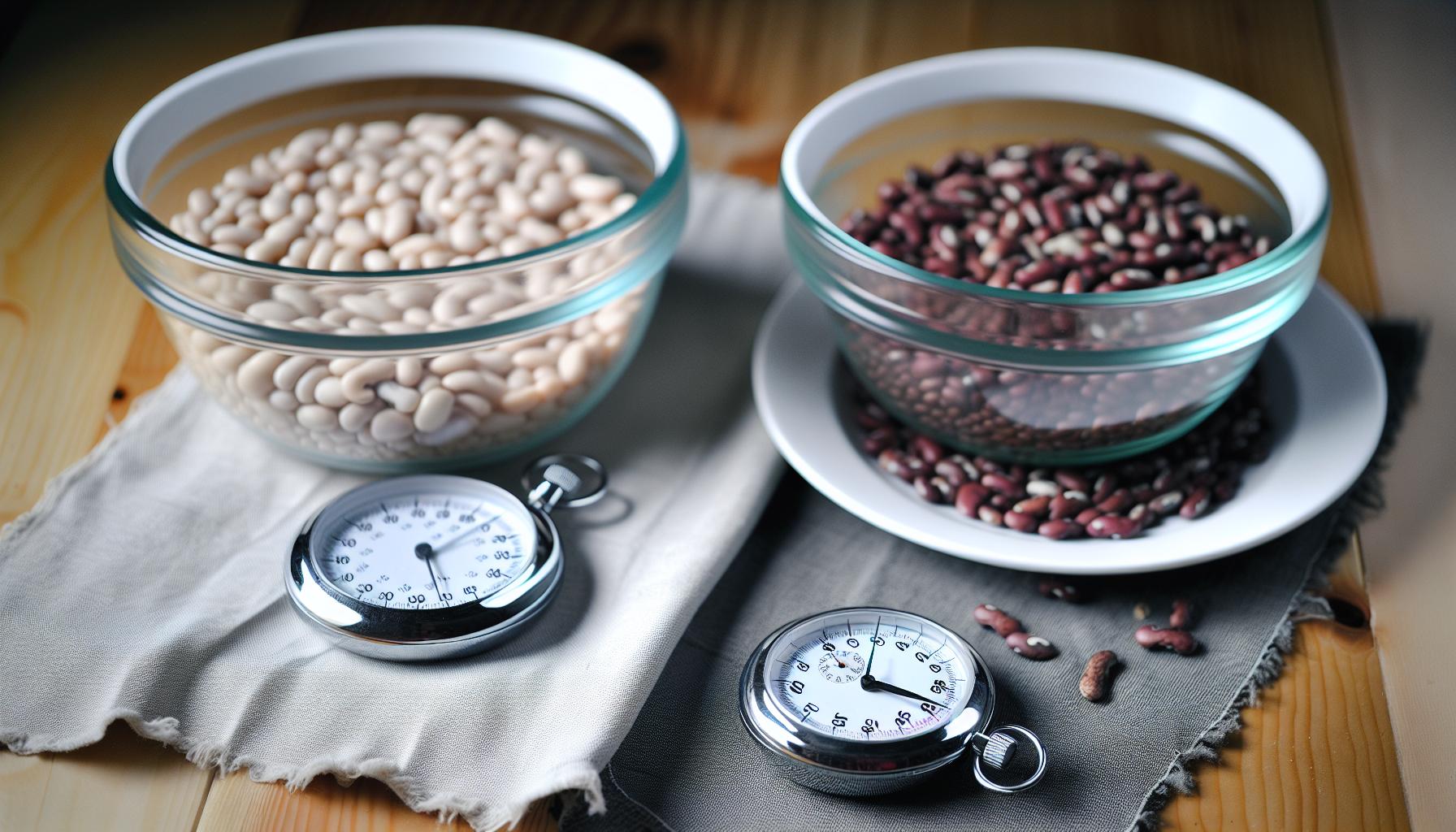
Comparing Soaked vs. Unsoaked Beans: Time, Texture, and taste
Beans are fantastic pantry staples-budget-friendly, packed with nutrients, and incredibly versatile. When deciding between soaking your beans or tossing them straight into the slow cooker dry, one of the first things you’ll notice is how cooking times and textures differ. Soaked beans typically soften faster and cook more evenly, clocking in around 4 to 6 hours on low, while unsoaked beans need a bit more patience, usually between 6 to 9 hours, depending on the bean type. This extra time is the trade-off for skipping the soak but, honestly, that’s a small price for the convenience of walking into the kitchen with dry beans and walking away with a dinner-ready pot hours later.
texture-wise, soaked beans often have a slightly creamier interior and a more consistent bite because the pre-soak hydrates them evenly.Unsoaked beans,while perfectly edible and delicious,can sometimes be a touch firmer or variable in softness-especially if you’re juggling different bean ages or varieties.I remember the first time I tried unsoaked beans, the texture surprised me-it was more rustic and hearty, which turned out great in a thick chili or stew but felt a bit rough for creamy dips.Pro tip: stirring in a bit of acid like lime juice after cooking helps brighten flavors without toughening the bean skins.
Taste is where the slow cooker works its magic in both scenarios. Because slow cooking infuses every bean with the spices and aromatics you add early on-like garlic, bay leaves, cumin, or smoked paprika-the difference between soaked and unsoaked beans fades as flavor melds over time. Actually, the unsoaked beans can soak up those cozy notes during their longer cooking time, sometimes resulting in an earthier, more robust dish. I love this about slow cooking-it lets beans transform into a comfort food superstar without fuss. If you’re aiming for silky, creamy beans, soaking is your shortcut. If you want a deeper, rustic bite with less hands-on prep, go unsoaked and just set a longer timer.
How Soaking (or Not) Affects Your Slow Cooker Schedule
| Bean Prep | approximate Slow Cooker Time (Low) | Texture | Best Uses |
|---|---|---|---|
| Soaked (8-12 hours soaking) | 4 to 6 hours | Creamy, tender, consistent | Purees, dips, baked beans, creamy soups |
| Unsoaked (no prep) | 6 to 9 hours | rustic, slightly firmer, hearty | Hearty stews, chili, rustic bean bowls |
In short, both soaked and unsoaked beans have their place. If your morning is too busy for soaking and you’re happy to let the slow cooker work its magic all day, unsoaked beans save you time in prep and get you dinner with minimal fuss. On the other hand, if you cherish creamy, melt-in-your-mouth beans with less cooking time, soaking is your best friend.Either way, don’t stress over perfection-slow cookers are forgiving, and with the right seasoning arsenal, your beans will shine every time. Just think of it as choosing between two flavor adventures rather than right or wrong ways.
- Skip the soak for ultimate convenience, but plan for a longer cook.
- soaking means quicker cooking and smoother texture-great for picky eaters.
- add acids like citrus or vinegar after cooking to brighten and balance flavor.
- Season early to infuse deep flavor, whether soaked or not.
Taking this flexible,low-pressure approach to bean cooking allows you to fit these nutritious gems seamlessly into your busy life,paleo or gluten-free or not,without sacrificing taste or texture.So, experiment a little-sometimes the unsoaked beans surprise you with their bold personality, and other times, soaking delivers exactly the creamy comfort you’re craving. Either way, you’re winning the slow cooker game.
Quick Fixes: What to Do If Your Unsoaked Beans Are Still Hard
Sometimes no matter how patiently you let those unsoaked beans simmer all day, you’ll find they’re still a bit stubbornly firm at the end of the slow cooker timer.Before you panic (or contemplate tossing your beans out), take a breath-this happens more often than you think! Beans are like us: sometimes needing a little extra TLC or a change in routine to really soften up and hit that perfect tenderness. Luckily, you don’t need to start from scratch to rescue your dish.
First off, give your slow cooker some extra time. Slow cookers vary in heat intensity, and factors like bean age and variety play big roles. If beans aren’t soft after the expected 6-9 hour window, just add another hour or two on low. Checking periodically is key because you want tenderness, not mush. Patience is your best friend here-slow and steady wins the bean race.
If extra cooking time doesn’t do the trick, a helpful kitchen hack is to stir in a bit of baking soda. Adding about ¼ teaspoon of baking soda per cup of beans can soften their skins faster by neutralizing hardness in the cooking water. Don’t worry, baking soda is paleo-friendly in tiny amounts and won’t affect flavor much if you rinse beans afterward or cook them a bit longer.I’ve saved entire batches this way when beans just wouldn’t budge!
Additional Tips to Rescue Stubborn Beans
- Check your water level: Beans love to stay submerged. if liquid looks low, add hot water or broth to keep them swimming and cooking evenly.
- Boost heat carefully: If your slow cooker has a “high” setting, bump it up-but watch closely so potatoes or other veggies don’t turn to mush while beans catch up.
- avoid acidic ingredients too early: Tomatoes, vinegar, and citrus can toughen bean skins. Hold off on adding them until beans are tender, and then fold in for flavor.
- Split your batch: For especially old or large beans, cooking a smaller amount at a time can prevent uneven results-more water and heat circulate per bean this way!
In my chaos-filled kitchen life, treating beans with a little extra love and creativity saves dinner more times than I can count.The great news? Every hard day has a soft bean ending, and your slow cooker is always ready to help you find it-even if it means a second slow-cooking round or two. Keep experimenting, keep tasting, and remember: food is joy, not perfection!
| Common Issue | Quick Fix | Pro Tip |
|---|---|---|
| Beans still firm after normal cook time | Cook longer (1-3 extra hours) on low | Check texture hourly; take beans off heat once tender |
| Uneven cooking or some beans hard, some soft | Stir to redistribute, add liquid if needed | Try smaller batches for consistent results |
| Unexpectedly tough bean skins | Add ¼ tsp baking soda per cup of beans; rinse thoroughly if desired | Delay acidic add-ins until beans soften |
Using Slow Cooker Beans for Easy Meals & Recipe Ideas
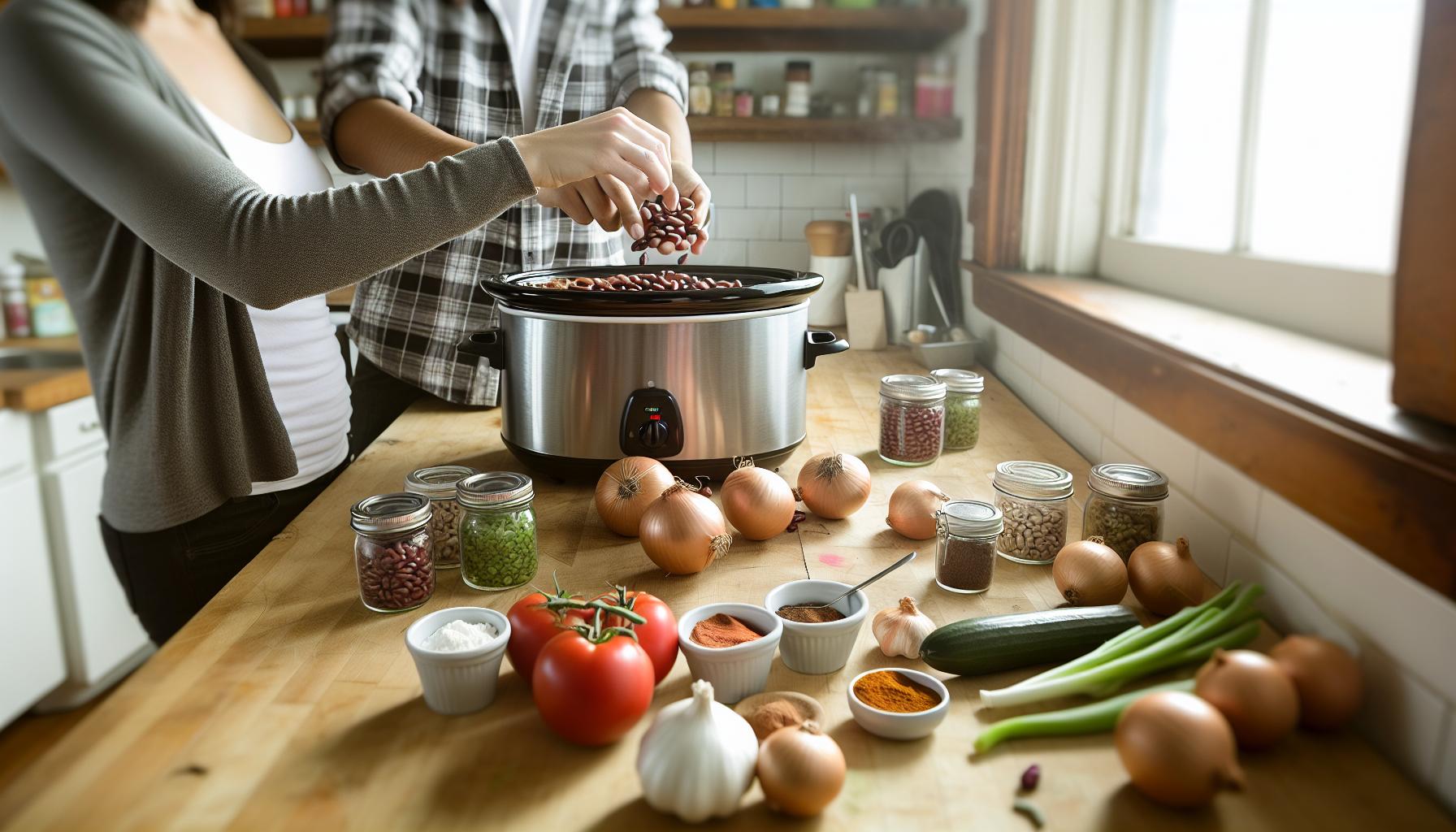
Beans cooked in a slow cooker without soaking are a game-changer for busy kitchens. You can wake up to a pot of perfectly tender beans ready to jazz up any meal, no soaking required! Their creamy texture and deep flavor become the foundation for surprisingly easy, comforting dishes that fit a gluten-free or paleo lifestyle without any fuss. Plus, cooking beans straight from dry cuts out a whole step but still leaves room for creativity in the kitchen.
Whether it’s a hearty vegetarian chili, a batch of smoky slow cooker ham and beans, or simple pinto beans to make tacos or burritos, you can easily customize the dish once your beans are fork-tender. One weekend, I tossed dry pinto beans with broth, diced onion, garlic, and warm spices in the slow cooker before bed-and by morning, I had the perfect base for quick burritos. The flavor was so rich, everyone asked for seconds, and best of all, the prep time was under five minutes!
Meal Ideas to Stretch Your Slow Cooker Beans
- Mexican-Inspired Bowls: Season your beans with cumin, oregano, and a pinch of chili powder.Serve over rice or cauliflower rice with avocado, fresh salsa, and a squeeze of lime for a fast paleo-friendly dinner.
- Simple Bean Soups: Combine cooked beans with chopped veggies like carrots, celery, and onions plus broth. Let simmer for easy,cozy soups perfect for batch cooking and freezing.
- Salad Boosters: Chilled slow cooker beans add protein and texture to spinach or kale salads. Toss with olive oil, lemon juice, and herbs for a fresh gluten-free lunch.
- Slow Cooker Ham and Bean Stew: Add diced ham, celery, carrots, and bay leaves to your beans late in the cooking process for a creamy, savory winter meal that tastes like it took hours-while it mostly just cooked away itself!
Quick Tips for Using Your Slow Cooker Beans
- double the Batch: Cook extra beans at once to keep on hand. They freeze beautifully and save time on busy nights.
- Customize Your Flavor: Add fresh herbs or acidic elements like tomatoes or vinegar only after beans are fully tender to avoid tough skins.
- Use Broth Rather of Water: For extra depth, swap out plain water for low-sodium chicken or vegetable broth, making your beans a flavorful side or main on their own.
- Easy Sidekick: Pinto beans slow-cooked with just a few aromatics make a perfect side for grilled meats or roasted vegetables-simple, crowd-pleasing, and wholesome.
Embracing no-soak slow cooker beans means you can celebrate food joy without stressing over prep or perfect technique.The beans do the heavy lifting, and from there, it’s all about seasoning and mixing in your favorite fresh ingredients.So, go ahead-set it, forget it, and dive into meals that prove easy, healthy, and delicious can absolutely be best friends.
For inspiration, Eating on a Dime has a fantastic slow cooker pinto beans recipe that’s simple and flavorful, perfect for beginners trying no-soak methods [[2](https://www.eatingonadime.com/crock-pot-pinto-beans-recipe/)]. And for those who love ham and beans, Southern Bite offers a comforting slow cooker version that’s the essence of home-cooked goodness [[3](https://southernbite.com/slow-cooker-ham-and-beans/)].
With just a sprinkle of kitchen love and slow cooker magic, unsoaked beans can transform into endless meal options that fit your life and taste buds perfectly.
Frequently asked questions
Q: Can you safely cook kidney beans in a slow cooker without soaking?
A: Kidney beans must be boiled for at least 10 minutes before slow cooking without soaking to neutralize toxins. After boiling, transfer to your slow cooker and cook on low for 6-8 hours. This safety step ensures beans are fully cooked and digestible. for more safety tips, check the Safety First section of the article.
Q: Why do unsoaked beans take longer to cook in a slow cooker?
A: Unsoaked beans absorb water slower, increasing cooking time because they start dry and hard. The slow cooker gradually hydrates and softens them over 6-10 hours depending on bean type. For perfect texture without soaking, see our Tips for Perfect Texture section.
Q: How do slow cooker settings affect cooking time for unsoaked beans?
A: Using the low setting generally takes 8-10 hours, while high setting cooks unsoaked beans in 4-6 hours. Slow and steady on low yields creamier beans,but high speeds up cooking if you’re short on time. Experiment with settings as detailed in our Step-by-Step Guide.
Q: Can I add salt or acidic ingredients when cooking unsoaked beans in a slow cooker?
A: Avoid adding salt or acidic foods like tomatoes early, as they can toughen bean skins and increase cooking time. Add these ingredients during the last hour of cooking for best softness and flavor. This tip is highlighted in our Flavor Boosts and Seasoning Ideas section.
Q: What are the best bean varieties to cook without soaking in a slow cooker?
A: Black beans, pinto beans, and navy beans are excellent for slow cooking without soaking due to their faster softening times. Kidney or garbanzo beans can be cooked without soaking but may require pre-boiling or longer time, as explained in How Long to Cook Different Types of Beans Unsoaked.
Q: How can I tell if slow-cooked unsoaked beans are done and fully safe to eat?
A: Beans are done when they’re tender and creamy inside without hardness or bitterness. Taste-test a few beans around the cooking time listed; if firm, cook longer. Refer to the Safety First section to ensure they’re fully cooked and safe to digest.
Q: Is it better to use dry or canned beans for quick slow cooker meals without soaking?
A: Canned beans save time but cooked dry beans often have better texture and flavor after slow cooking. If using dry beans without soaking, plan for a longer cook time. For fast meals, combine canned beans with homemade slow cooker sauces detailed in Using Slow Cooker Beans for Easy Meals.
Q: Can I freeze slow cooker beans cooked without soaking for meal prep? How long do they keep?
A: Slow cooker beans cooked without soaking freeze well for up to 3 months in airtight containers. Cool completely before freezing, then thaw and reheat gently.This makes batch cooking easy and keeps meals tasty and convenient-see Using Slow Cooker Beans for Easy meals & recipe ideas for meal prep inspiration.
Feel free to explore these tips and keep cooking beans effortlessly delicious! For more detailed guides, be sure to revisit sections like Common Mistakes and Quick Fixes anytime. Happy slow cooking!
In Retrospect
Ready to enjoy perfectly cooked beans without the hassle of soaking? cooking beans in your slow cooker is a simple way to create wholesome, gluten-free, and paleo-friendly meals that fit your busy lifestyle-with just a bit of patience and the right timing. If you’re eager to try new flavors or need quick weeknight dinner ideas, check out our slow cooker chili recipe or our guide to seasoning beans for extra punch.
Curious about how to speed up your prep or curious about substitutions? Explore our tips for quick soaking methods or the best bean varieties for slow cooking to keep your meals delicious and easy. Don’t forget to sign up for our newsletter to get fresh recipes, kitchen hacks, and more slow cooker ideas delivered right to your inbox. have a favorite bean recipe or cooking shortcut? Drop a comment below and share the love-your feedback helps us make your cooking experience even better!
Keep experimenting-slow cooker beans are a game-changer for nourishing meals that fit your schedule and dietary needs. For more helpful guides and practical cooking tips, stick around and explore our related posts on plant-based meal prep and paleo-friendly weeknight dinners. Your perfect slow cooker dinner is just a click away!
Get our latest guides, news, and insights highlighted in your Google Search & AI Overviews.