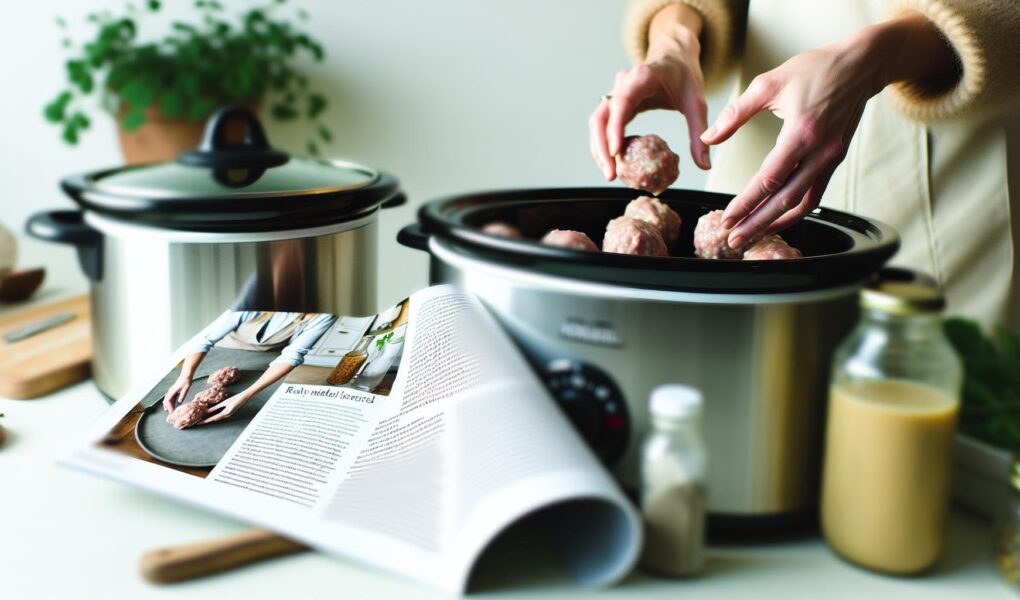
Cooking raw meatballs in a slow cooker is a game-changer for busy home cooks who crave tender, flavorful bites without the fuss.But how long should you let them cook to stay juicy and soft, rather than dense or dried out? Getting this timing right means the difference between a cozy, melt-in-your-mouth meal and a chewy disappointment. Whether you’re aiming for a paleo-friendly, gluten-free dinner or just a hearty comfort dish, slow cooking meatballs low and slow is a winning strategy-especially when life gets hectic. Stick around, and I’ll share practical tips and timing guides to ensure your meatballs come out perfectly tender every time, with easy ingredient swaps and straightforward steps that make the slow cooker your new best friend in the kitchen. Let’s make your next meatball meal both effortless and unforgettable!
Table of Contents
- How to Choose the Best Meat for Tender Slow cooker Meatballs
- Essential Prep Tips for Juicy Meatballs in the Slow Cooker
- Ideal Slow Cooker Settings and Cook Times for Tender Meatballs
- Step-by-Step Guide to Cooking Raw Meatballs Perfectly
- How to Layer Ingredients for Maximum Flavor and Moisture
- Secrets to Keeping Meatballs Tender Without Overcooking
- Best Sauces and Liquids to Enhance Meatball Tenderness
- Easy Ingredient swaps for Gluten-Free and Paleo Meatballs
- How to Test Meatball Doneness Safely and Accurately
- Storing, Reheating, and Serving Slow Cooker Meatballs Right
- Troubleshooting Common problems Like Dry or Mushy Meatballs
- FAQ
- Q: How can I prevent meatballs from drying out in the slow cooker? A: To prevent dryness, cook meatballs on low heat for 4-6 hours and add enough sauce or liquid to keep them moist. Avoid lifting the lid often, and incorporate ingredients like breadcrumbs and eggs as binders. See Secrets to Keeping Meatballs Tender Without Overcooking for detailed tips. Q: What is the best slow cooker temperature setting for tender raw meatballs?
- Q: Can I cook frozen raw meatballs in a slow cooker without losing tenderness?
- Q: How does adding liquid or sauce affect slow cooker meatball tenderness?
- Q: Why do some slow cooker meatballs become mushy and how can I fix that?
- Q: How can I tell if slow cooker meatballs are cooked through without overcooking?
- Q: Does the size of raw meatballs affect slow cooker cooking time and tenderness?
- Q: Can I add vegetables to slow cooker meatballs without impacting cooking time or tenderness?
- Concluding remarks
How to Choose the Best Meat for Tender Slow cooker Meatballs
Choosing the right meat is like setting the stage for a tender, melt-in-your-mouth slow cooker meatball performance-get it right, and the rest almost cooks itself (literally!). When it comes to slow cooking meatballs, the secret lies in balancing flavor with moisture. Too lean, and you risk dry, crumbly meatballs; too fatty, and they might get greasy or fall apart. the trick? Aim for a meat blend that brings enough fat to keep things juicy without overpowering the dish.
Traditionally, a mix of ground beef and pork is your best friend here. Ground beef with about 80% lean to 20% fat offers enough richness without being too heavy. Adding ground pork brings a subtle sweetness and tenderness that beef alone can’t match. For those embracing paleo or gluten-free lifestyles, ground turkey or chicken can work wonders if you keep an eye on moisture. Because poultry tends to be leaner, consider adding an extra egg or a spoonful of coconut oil to lock in juiciness. I’ve had great luck blending ground turkey with a bit of ground pork or even finely chopped mushrooms to mimic that luxurious texture without stepping off the health track.
- For classic tender meatballs: use 50% ground beef (80/20) + 50% ground pork.
- For leaner options that still stay juicy: Mix ground turkey or chicken with 10-20% pork or add moisture boosters like grated zucchini.
- For paleo versions: Focus on grass-fed meats, and don’t shy away from adding healthy fats like olive oil or avocado oil into the mix.
Keep in mind that texture matters as much as the meat choice. I always coarsely grind or buy freshly ground meat because fine grind can lead to dense, less tender meatballs – and that’s the enemy of slow cooker tenderness! Another tip? avoid overmixing your meat mixture, which can toughen things up. Treat it gently, like you’re folding in love, to keep those meatballs tender throughout their slow simmer.Slow cooking is forgiving, but picking the right meat sets you up for success every time.
Essential Prep Tips for Juicy Meatballs in the Slow Cooker
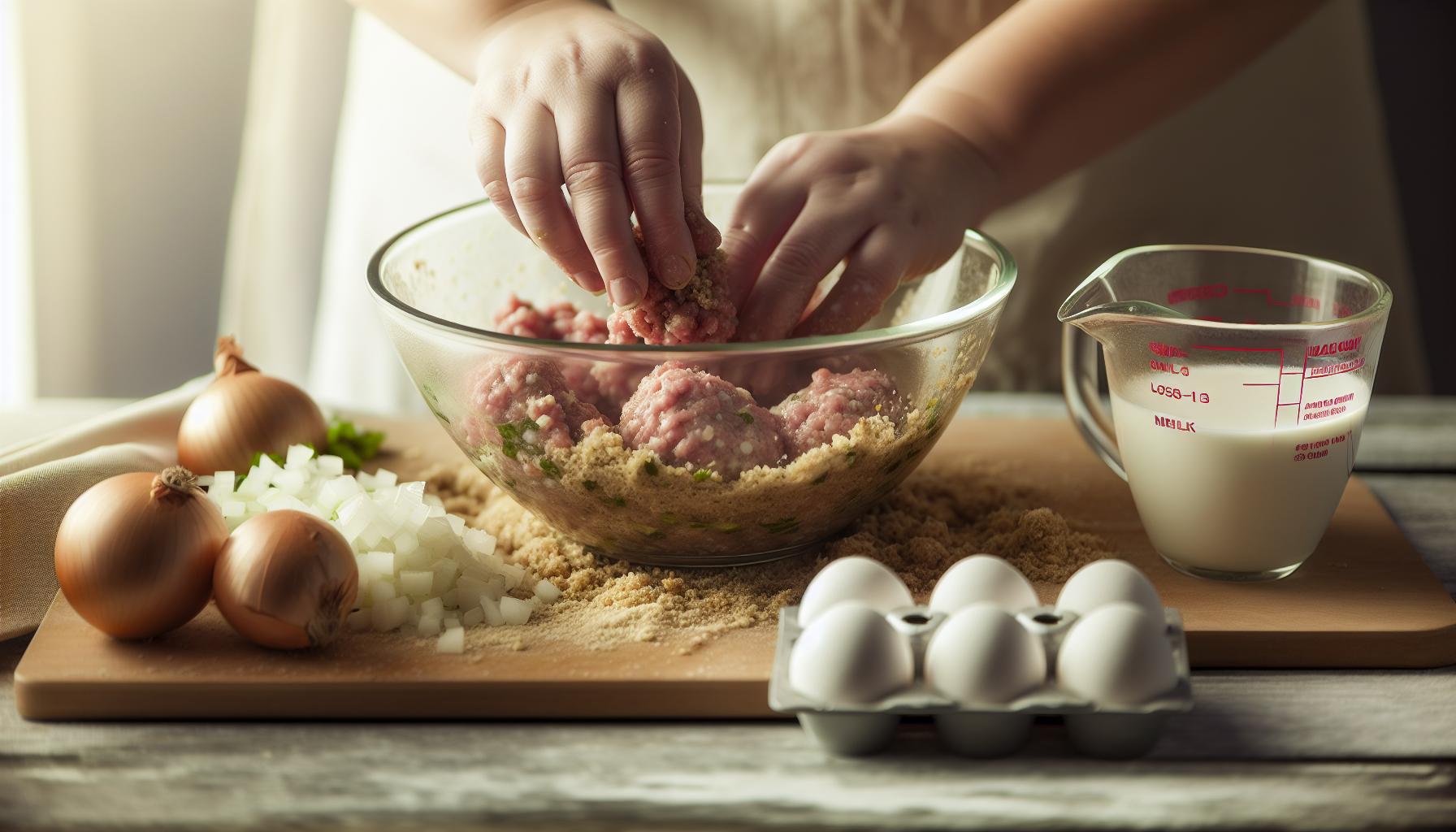
Juicy meatballs don’t just happen-they start with smart prep that builds moisture and flavor right from the get-go. Think of your slow cooker as a gentle hug for your meatballs; without the right prep, that hug might end up leaving them dry or mushy. One little trick I swear by is adding a binder that locks in juices without making things dense. Classic breadcrumbs soaked in milk or a splash of broth are gold for soaking up moisture, but if you’re gluten-free or paleo, swap in almond flour or ground flaxseed mixed with a bit of water. These options keep the meatballs tender and hold everything together without weighing down your texture.
Getting the seasoning right is part of the prep fun too.don’t be shy with fresh herbs like parsley or oregano, minced garlic, and a pinch of salt-they not only boost flavor but also help retain moisture inside the meatballs. Another easy hack? Grate in a bit of onion or zucchini; these add subtle sweetness and extra humidity so your meatballs aren’t gasping for liquid during those slow hours. when mixing, keep it gentle-think folding rather than pulverizing. Overworking the meat can lead to tough meatballs that no amount of slow cooking can fix. Trust me, patience here turns into melt-in-your-mouth magic later.
Prepping Meatballs with Moisture Boosters
- binders: Soaked gluten-free breadcrumbs, almond flour, or flaxseed meal.
- Vegetable add-ins: Finely grated zucchini or onion for flavor & moisture.
- Fat enhancers: A tablespoon of olive oil, avocado oil, or even coconut oil for paleo-friendly richness.
- Gentle mixing: Use your hands lightly or a spoon-no heavy kneading!
Here’s a quick personal story: During a busy weeknight, I tossed some frozen turkey meatballs into my slow cooker but forgot to add any moisture boosters. Whelp, that batch came out a touch dry, so the next time I bulked up the mix with grated zucchini and a splash of broth-and wow, what a difference! The meatballs practically melted apart without falling apart. So, while slow cooking does much of the heavy lifting, a little prep TLC means you’ll get juicy, tender results every time, no matter your dietary style or schedule.
Ideal Slow Cooker Settings and Cook Times for Tender Meatballs
One of the best parts about slow cooker meatballs is how effortlessly the low-and-slow method turns humble ingredients into tender, juicy bites. But nailing the perfect cook time and temperature? That’s where a little kitchen savvy pays off big time. Too long on high heat, and you risk dry, crumbly meatballs; too short or too cool, and you end up with undercooked centers or mushy texture. The sweet spot lies in balancing patience with precision.
For most raw meatballs, setting your slow cooker to LOW and allowing them to cook for 4 to 6 hours is a reliable rule of thumb for melt-in-your-mouth tenderness. This slow simmer gently breaks down connective tissue and distributes moisture evenly, especially when your meat mixture includes juicy binders like soaked breadcrumbs or grated veggies. If you’re short on time, HIGH setting for about 2 to 3 hours works-but watch closely. There’s less margin for error and a higher chance of overcooking, which can dry out leaner proteins like turkey or chicken. For beef or pork blends with a bit more fat,the high setting can tolerate the heat slightly better.Consider this little tip I learned from a busy weeknight rescue: when I forgot to add enough liquid and ingredients were packed tight, the meatballs cooked faster but turned dense. Loosening the meatball layer and adding a splash of broth or your favorite sauce early on helps keep heat circulating evenly and maintains moisture during that slow cook. Also, try not to overload the pot. A single, even layer spaced slightly apart provides each meatball the love (and warmth) it needs without steaming in its own juices too aggressively.
| Setting | Cook Time | best For |
|---|---|---|
| Low | 4 to 6 hours | Lean meats, gluten-free & paleo-friendly blends, tender texture |
| High | 2 to 3 hours | Heartier beef/pork blends, when short on time (monitor carefully) |
- Tip: resist the urge to lift the lid-every peek drops temperature and increases cook time.
- Tip: For added protection against dryness, toss meatballs in the sauce at the start; the gentle braise locks in moisture.
Remember, slow cookers vary in heat levels, so use this as a starting guide-your ideal timing might flex a little based on model and batch size. When in doubt, err toward lower temps and longer cooks for that ideal tender texture that makes you go, “Wow, these just fell apart!” Trust me, with the right settings, your slow cooker will be your busy weeknight secret weapon for juicy, flavorful meatballs every time.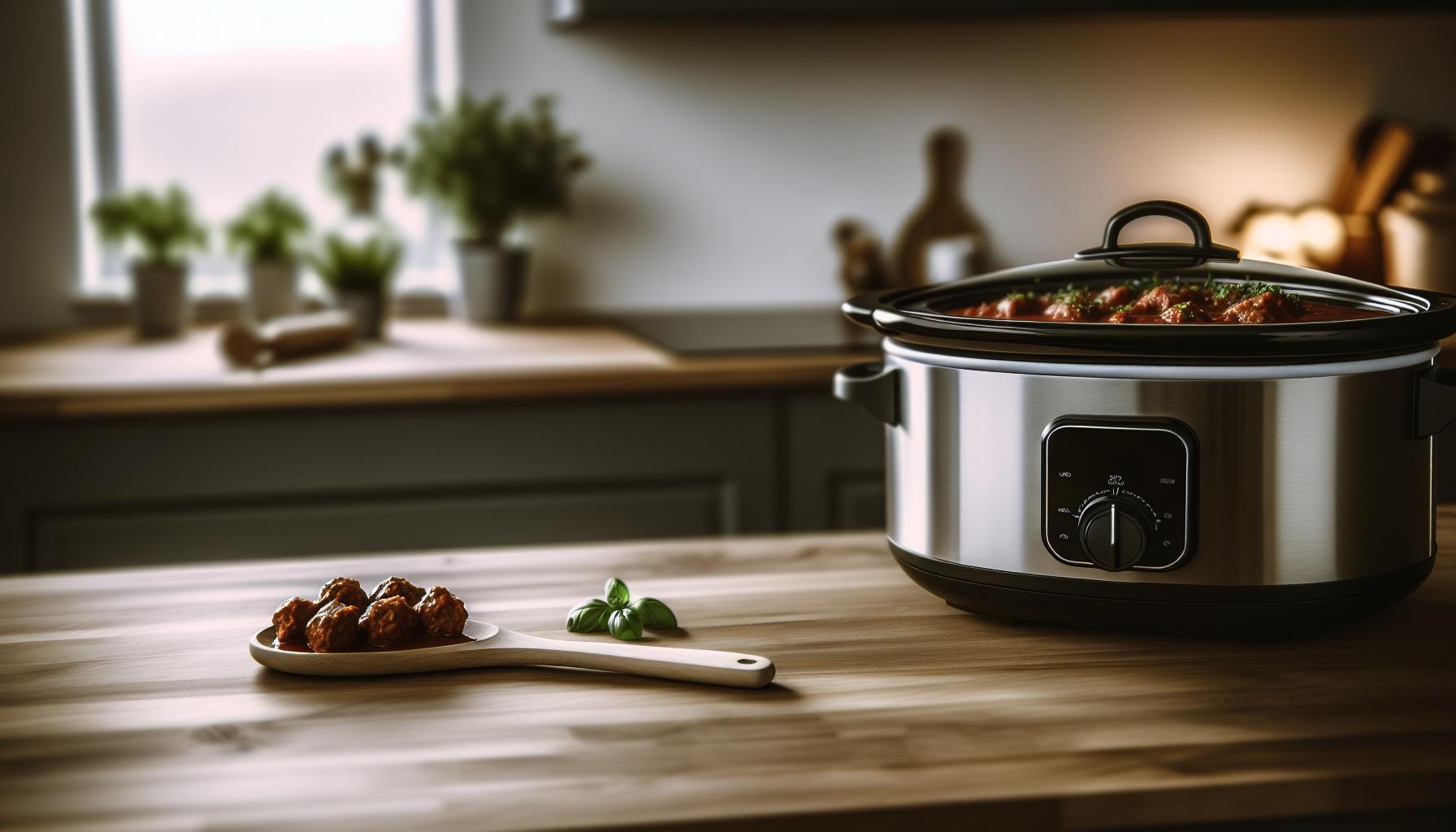
Step-by-Step Guide to Cooking Raw Meatballs Perfectly
Cooking raw meatballs in a slow cooker is one of those kitchen magic moments where patience truly pays off. But there’s an art to it beyond just tossing them in and hitting “start.” The key is to balance moisture, temperature, and timing so your meatballs come out tender, juicy, and bursting with flavor rather than dry or mushy. From my many slow cooker adventures (and occasional playful mishaps), I’ve learned a few tricks that make all the difference.
Before you even pop your meatballs in the slow cooker, it’s smart to give them a quick sear in a hot skillet. This step is optional but highly recommended-it locks in flavor, creates a lovely caramelized crust, and helps the meatballs hold their shape during the slow cooking process.Plus, browned bits mean extra deliciousness in your sauce later on. If you’re short on time, you can skip this, but be ready for a softer texture that still tastes great.
Step-by-Step Cooking Guide
- Prep Your Meatballs: Mix your ground meat (beef, pork, poultry, or a blend), seasonings, and binding agents like soaked breadcrumbs or grated veggies. Keep it light on binders so your meatballs stay tender and not dense.
- Sear Them Gently: Heat a little oil over medium-high and brown the meatballs on all sides just until browned. No need to cook through now-just colour and flavor.
- Layer Thoughtfully in the Slow Cooker: Arrange meatballs in a single layer with a little space between each. Crowding leads to uneven cooking and stewing rather than slow roasting.
- Choose Your Liquid Wisely: Pour your favorite sauce or broth over them, enough to cover at least half, which keeps them moist and gently braised. I love a rich tomato sauce or a tangy BBQ glaze-it locks in moisture and infuses flavor.
- Set It and Wait (But Not Too Long): Set your slow cooker to LOW and let those meatballs simmer away for 4 to 6 hours. This slow, gentle heat dissolves connective tissue and melds flavors without drying things out.
If you’re in a pinch,HIGH for 2 to 3 hours can work,but you really need to keep an eye on them to avoid drying,especially with lean meats like turkey or chicken. Also, remember the cardinal slow cooker rule: resist the urge to lift the lid to check! Every peek steals heat and adds cooking time. Trust the process.
Practical Nuggets From the Slow Cooker Trenches
If you ever find your meatballs a bit drier than expected, it’s usually because they cooked too tightly packed or lacked sufficient liquid. One time, I squeezed twice as many meatballs in (whoops!) and ended up with dense, less tender bites. Lesson learned: less is more when layering meatballs. And adding a quick splash of broth or sauce an hour or so in can revive moisture if needed.
for gluten-free or paleo cooks, the slow cooker is a dream because it tenderizes lean proteins without needing lots of gloppy binders. Just swap regular breadcrumbs for almond meal or coconut flour, and consider adding grated veggies like zucchini or carrot for extra moisture and subtle sweetness.
| Step | Action | Why It Matters |
|---|---|---|
| 1 | Mix and form raw meatballs | Establishes flavor and texture; lighter binders = tender results |
| 2 | Optional searing | Enhances flavor, improves texture, and helps hold shape |
| 3 | Arrange in slow cooker with sauce/liquid | Even cooking & moisture retention; avoids sogginess or dryness |
| 4 | Cook on LOW for 4-6 hours (or HIGH 2-3 hours) | Gentle heat breaks down connective tissue for softness without drying out |
| 5 | Check doneness gently; avoid lid lifts | maintains temperature consistency; optimal cooking surroundings |
With a little care and patience, your slow cooker will deliver meatballs so tender they practically melt in your mouth. You’ll find this approach works beautifully whether you’re crafting a comforting weeknight dinner,prepping for a party,or experimenting with paleo or gluten-free versions. It’s flexible, forgiving, and, frankly, pretty fun once you get the hang of it-promise!
How to Layer Ingredients for Maximum Flavor and Moisture
When it comes to coaxing the juiciest, most flavorful meatballs out of your slow cooker, how you stack-or rather, layer-the ingredients makes a bigger difference than most people realize. It’s not just about dumping everything in and hoping for the best. Creating little pockets of love between those meatballs helps them cook evenly, soak up all the savory goodness from the sauce, and keep tender instead of turning into a mushy or dry disaster.
Start by placing your seared (or unseared if you’re short on time) meatballs in a single layer. Giving each meatball its own elbow room-not just shoved in like sardines-lets them gently braise and prevents uneven cooking. The slow cooker’s heat will work its magic better when the meatballs aren’t piled on top of one another. If you’re making a big batch, consider layering in two tiers, but with a thin layer of sauce or broth spread between the layers to maintain moisture and keep flavors mingling rather than mixing into one big dense blob.
- Even spacing: Leaving a bit of space lets the liquid circulate freely around each meatball, so they gently simmer rather than stew in their own juices.
- Liquid coverage: Pour your favorite sauce or broth over the top until it comes at least halfway up the sides of the meatballs-this prevents drying and ensures each bite is rich and tender.
- Layering aromatics and veggies: If you’re adding chopped onions, garlic, or grated carrots for a flavor boost, sprinkle them between layers or scatter them under the bottom layer.They release moisture and create a subtle, sweet underpinning that permeates the meatballs.
From my kitchen trials, adding a splash of broth partway through the cook time can be a game changer-especially if you notice the liquid reducing too much. And for those embracing gluten-free or paleo cooking, layering in grated zucchini or finely shredded sweet potato between layers adds both moisture and a gentle sweetness without the need for traditional binders that might dry out leaner meats.
Tips from the Slow Cooker Frontlines
Adding sauce or broth between layers rather than just topping the whole batch at once keeps the moisture evenly distributed, like giving each meatball a cozy little steam bath.Plus, the bordelaise or tomatoey sauce bottom-layer gets all those caramelized bits from the possible skillet sear mingling with veggies and spices, infusing deeper layers that might otherwise cook bland.
Want to skip layering but keep flavor? Try arranging meatballs on a bed of sliced onions or bell peppers. these veggies soften and mingle with the sauce, acting like a natural flavor and moisture buffer. Whatever you choose, layering thoughtfully means your slow cooker casserole isn’t just easy-it turns into a tender, juicy crowd-pleaser that somehow tastes like it took hours of fussing, when really you just pressed a button and showed patience.
| layering Step | Why It’s Crucial |
|---|---|
| Single layer meatballs with space between | ensures even heat and moisture circulation for gentle cooking |
| add sauce/broth after each layer | Distributes moisture and flavor evenly throughout the crock |
| Include aromatics/veggies between layers | Enhances flavor and adds natural moisture without heaviness |
| Keep meatball layers thin | Prevents overcrowding which can cause dense or mushy texture |
think of your slow cooker as a flavor-building orchestra, and layering is how you conduct each instrument to create tender, juicy meatballs worthy of a standing ovation-even on a busy weeknight.
Secrets to Keeping Meatballs Tender Without Overcooking
Slow cookers have this magical reputation for turning even the toughest cuts into melt-in-your-mouth goodness, but when it comes to meatballs, there’s a fine line between perfectly tender and overcooked mush. The secret to keeping them juicy and intact is patience paired with smart timing-because slow and steady truly wins this race. Think of your slow cooker as a gentle spa for meatballs, not a hot tub that cooks them into oblivion.
The sweet spot for cooking raw meatballs in a slow cooker usually hovers around 2 to 4 hours on low heat, depending on size and your crockpot’s quirks. Overcooking past this point risks drying out your meatballs or turning them into a mushy mess, especially if you’re using lean proteins like turkey or chicken. To avoid that, start checking them around the 2-hour mark and prepare to pull them off as soon as they’re tender and cooked through. A quick tip from my kitchen: smaller meatballs tend to cook more evenly and faster, so if you’re in a hurry, downsizing your meatball size gives you more control over texture.
- Don’t rush with high heat: While tempting, cranking it up to high can lead to tough exteriors and dry interiors. Low and slow keeps the collagen breaking down gradually, making each bite juicy.
- Keep them cozy in sauce: Meatballs that bathe in a rich sauce or broth maintain moisture better. The liquid acts like a shield, preventing drying and lending flavor simultaneously.
- Avoid overcrowding: Give those meatballs some breathing room! Overpacking causes uneven cooking and traps steam, which can turn your batch into an unattractive clump.
Here’s a pro tip: If you notice the slow cooker’s liquid evaporating faster than you like, sneak in a splash of broth midway through cooking to keep the environment moist without diluting flavor. This little step saved my gluten-free turkey meatballs from becoming dry as the Sahara one too many times.
Balancing Lean and Fat for Tenderness
Fat content plays a quiet but vital role here. Especially in paleo or gluten-free recipes where lean meats shine, balancing with a bit of fat-think ground pork mixed with turkey or adding a spoon of olive oil in your mix-helps lock in moisture. Too lean, and the meatballs crisp up too much; too fatty, and you’re dealing with a greasy aftertaste. I like to say it’s about finding that Goldilocks zone: not too dry, not too oily, just right-and your slow cooker is the perfect stage to play midwife to these delicious babies.
resist the urge to fiddle too much with the slow cooker lid. Every peek drops the temperature and extends cooking time,which ironically can dry out your meatballs by the end. A single, lovingly-timed check is your best bet to ensure a tender, juicy victory without the guesswork-induced stress.
| Common Issue | Quick Fix |
|---|---|
| Dry meatballs | Add extra liquid or layer in moisture-rich veggies like grated zucchini; cook on low heat and reduce time slightly. |
| Mushy meatballs | Don’t over-stir or overcrowd; space meatballs out for even cooking and shorter cook times. |
| Uneven cooking | Use a single layer or carefully layered tiers with sauce in between; check early and adjust cook time. |
Best Sauces and Liquids to Enhance Meatball Tenderness
Cooking meatballs in a slow cooker is like sending them on a spa retreat-they soak in gentle heat and get all cozy in a bath of flavorful liquid. But here’s the truth: the sauce or liquid you choose isn’t just about flavor; it plays a starring role in keeping those meatballs tender and juicy. Without enough moisture or the right kind of liquid, even the best recipe can end up dry or rubbery-nobody wants that!
For starters, think beyond the classic marinara. While tomato-based sauces are a tried-and-true favorite, they’re a little acidic and can sometimes cause leaner proteins to firm up too much if cooked too long. To balance that, many home cooks (myself included) love mixing in a bit of low-sodium broth-chicken, beef, or vegetable depending on your meat choice. This keeps the environment moist, prevents drying, and adds subtle layers of flavor without overwhelming the meatballs. If you want a richer touch and are rolling paleo or gluten-free, coconut milk or a splash of full-fat canned coconut cream can work wonders as a dairy-free alternative. It adds creaminess and fattiness that gently breaks down proteins, helping meatballs stay tender without the need for heavy cream.
- Tip: When using thicker sauces or chili pastes,thin them out slightly with broth or water to ensure proper simmering and to avoid trapping the meatballs in a gluey coating.
- Pro tip: Adding moisture-rich vegetables like diced tomatoes, grated zucchini, or mushrooms into the sauce also helps boost liquid content naturally and adds complexity in flavor and texture.
Making Sauces That marry Moisture and Flavor
A slow cooker is all about layering flavors, and sauces are the perfect vehicle. Consider building sauces that contain umami-rich ingredients-like sautéed onions, garlic, a splash of balsamic vinegar, or even a dollop of tomato paste-to create depth without needing extra salt or fat. For gluten-free or paleo eaters, a quick stir-in of almond butter or tahini can boost creamy texture and moisture, working like a secret weapon to combat dryness while keeping the sauce enticing. Another favorite hack to keep meatballs juicy? A bit of wine (red or white) or apple cider vinegar, added early in cooking to break down proteins gently and enhance tenderness without overpowering the overall profile.
When it comes to quantity, make sure your meatballs are well submerged or at least partially swimming in the sauce. This keeps them from drying out and allows flavors to seep in. If the liquid looks low halfway through your cooking window, a quick top-up with broth or sauce is a simple fix that saves the batch. I’ve lost count of how many times a splash of extra liquid rescued my meals from the dreaded dry zone.
Balancing Dietary Needs Without Sacrificing Tenderness
Adapting sauces for gluten-free or paleo diets is easier than it sounds. Swap soy sauce for coconut aminos to maintain that savory kick in Asian-inspired meatballs, or choose tomato sauces without added sugars and thickeners for a cleaner, whole-food approach. Keep in mind these alternatives not only suit dietary preferences but often boast fewer preservatives,contributing to a fresher taste and better moisture management in slow cooking.
No worries if you’re short on time: pre-made, high-quality broth or sauce from a trusted brand can be a lifesaver. just check the label to avoid unnecessary additives. Throwing these into your crockpot creates an instant cozy atmosphere for the meatballs, encouraging a tender finish every time.
so go ahead-get creative with sauces and liquids! The secret to tender slow cooker meatballs isn’t just how long they cook but how well their tasty pond keeps them juicy and happy. Your slow cooker is ready to work its magic, all it needs is the right swimming pool to bathe in.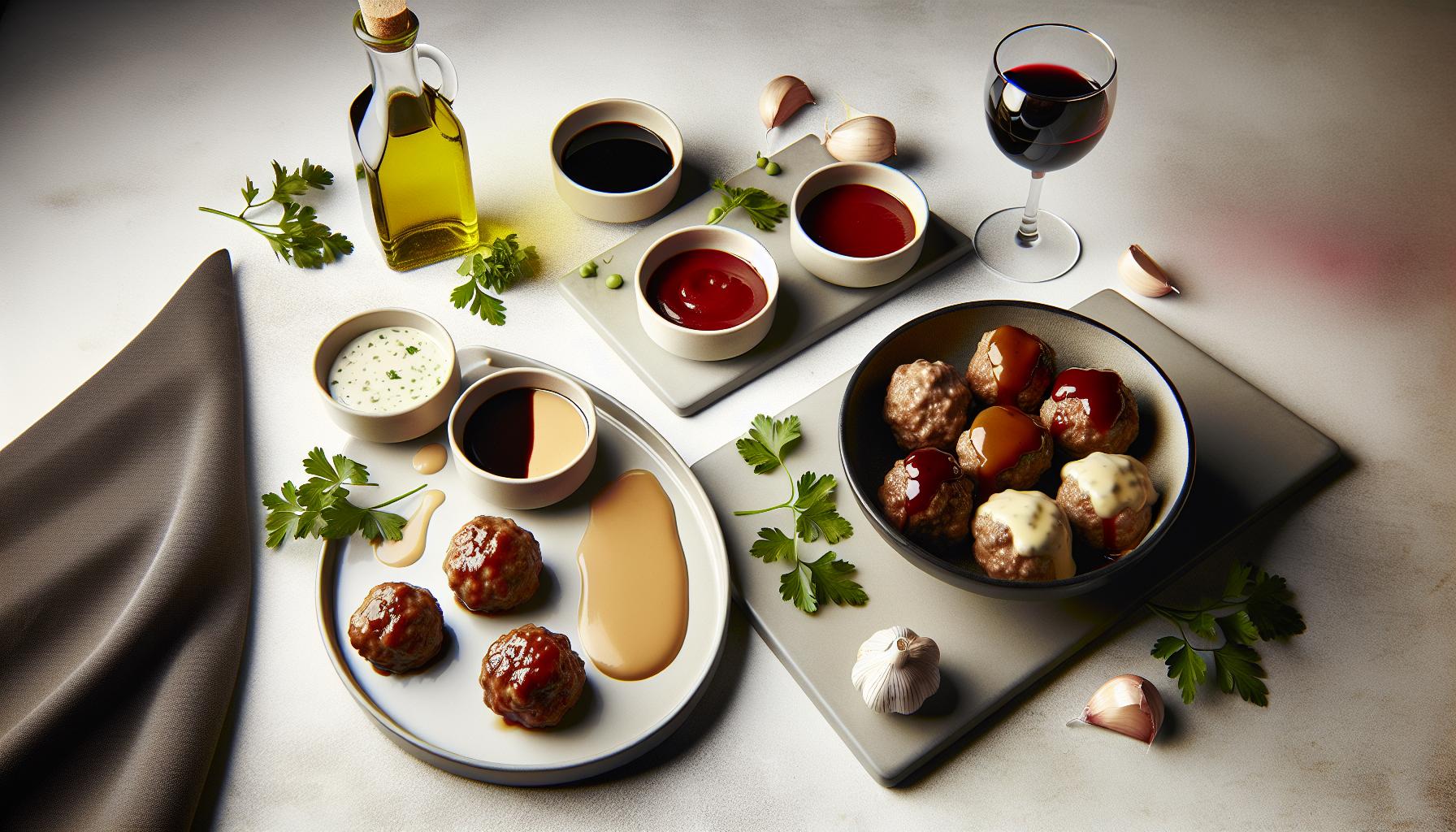
Easy Ingredient swaps for Gluten-Free and Paleo Meatballs
Cooking tender, juicy meatballs in a slow cooker doesn’t have to mean complicated ingredient hunts-especially if you’re aiming for gluten-free or paleo-friendly versions. Swapping out a few pantry staples can transform your classic meatball recipe into a crowd-pleaser that fits your lifestyle without sacrificing flavor or texture. Trust me, making these switches is easier than you think, and your slow cooker will reward you with melt-in-your-mouth results every time.
One of the first spots for easy swaps is the binder. Traditional breadcrumbs are out, but don’t fret-gluten-free panko or almond flour makes a fantastic stand-in. Almond flour adds a subtle nuttiness that pairs beautifully with beef or turkey meatballs, and it helps keep the mixture moist without turning gummy. For paleo eaters, finely grated zucchini or mashed sweet potato can wick away moisture and hold meatballs together, while sneaking in extra nutrition. I’ve found that tossing in an extra egg can also be a game-changer here, helping everything bind perfectly without altering your cooking time.
Savory flavor Boosts Without the Gluten
When it comes to seasoning,soy sauce often sneaks gluten or additives into recipes. Coconut aminos is your new best friend here-think of it as soy sauce’s paleo-approved cousin. It’s slightly sweeter with a mild umami kick that complements slow-cooked meatballs like a charm. For added depth, try using fresh herbs or a pinch of smoked paprika along with garlic and onion powder. These combine beautifully in the slow cooker’s gentle heat, infusing the meatballs with crave-worthy layers of flavor. Bonus: coconut aminos helps balance moisture, keeping those meatballs tender as they simmer away.
- Binder swaps: almond flour,gluten-free panko,grated zucchini,mashed sweet potato
- Flavor enhancers: coconut aminos,fresh herbs (parsley,basil),smoked paprika,garlic powder
- Moisture add-ins: coconut milk or cream,diced mushrooms,grated onion
Adding a bit of coconut milk or cream to your slow cooker sauce is another easy way to upgrade tenderness-fat equals fabulous here,breaking down proteins gently and keeping everything luscious.For a paleo-friendly, dairy-free creaminess, this is a trusty secret weapon I use frequently enough when I want that rich mouthfeel without any cow’s milk.Plus,it mixes seamlessly with tomato or broth-based sauces,so no one misses a beat at the dinner table.
The beauty of slow cooking gluten-free or paleo meatballs is that these swaps don’t demand extra time in your day. Just combine, shape, and toss into your slow cooker, adjusting your liquid levels based on the moisture content of your binders. Keep an eye out for meatballs gently poaching in a flavorful bath, and you’ll be rewarded with tender, juicy bites every time-no gluten, no grains, no fuss. Because, really, everyone deserves meatballs that feel like a hug on a plate, no matter what diet they follow!
How to Test Meatball Doneness Safely and Accurately
A juicy, tender slow cooker meatball is every home cook’s delight, but knowing when it’s perfectly cooked without overthinking can be a little tricky. Unlike oven-baked meatballs,slow cooker ones don’t get that crispy exterior,which makes visual cues less obvious. So, the secret sauce to nail doneness lies in simple, precise checks that guarantee safety and keep that melt-in-your-mouth texture intact.
The golden rule? Use a reliable instant-read thermometer. This tool is your best kitchen buddy for slow cooker meatballs, especially if you’re using ground beef, turkey, or chicken, which all require a safe internal temperature of 160°F (71°C).Stick the thermometer gently into the center of a meatball-avoid touching the slow cooker’s bottom or sides to prevent false readings. When your meatball hits that magic number, you’re ready to serve up tender, safe-to-eat goodness. I always advise double-checking a few meatballs in different spots to eliminate any cold centers hiding inside, especially if they’re large.
If you don’t have a thermometer handy, there are a few tell-tale signs to watch for. When you cut a meatball open, the juices should run clear, not pink or red. The texture inside should be firm but not dry or crumbly-think soft enough to fall apart on a fork but still holding together because of your chosen binder (almond flour, zucchini, or gluten-free panko). If in doubt, pop a small piece into your mouth to taste for rawness-an approach I use often during dinner prep. Just remember, it’s better to check too early than too late, as overcooking in the slow cooker can dry things out or make them too mushy.
- Key doneness temperature: 160°F (71°C) internal temperature for all meat types
- Visual cues: Clear juices, no pink inside, firm but tender texture
- Tools to keep handy: Instant-read thermometer, sharp knife for slicing
knowing these safe and foolproof methods takes all the guesswork out of slow cooker meatballs. Between the right temp and those juicy, clear-juice hints, you’ll be serving crowd-pleasing, tender bites every time without sacrificing food safety or flavor. Slow cooking doesn’t have to be mysterious-it’s just delicious science.
Storing, Reheating, and Serving Slow Cooker Meatballs Right
One of the best things about slow cooker meatballs is how wonderfully they reheat and keep their moist, tender charm-perfect for those busy weeknights or make-ahead meal plans. Once cooked, it’s essential to cool them properly before storing to maintain their luscious texture and ensure food safety. Transfer the meatballs and sauce to an airtight container once they’ve cooled to room temperature (within two hours of cooking), then pop them into the fridge. Properly stored, they stay delicious for up to 3-4 days. For longer meal prep, they freeze beautifully for up to three months without losing that melt-in-your-mouth tenderness.
Reheating slow cooker meatballs is a breeze and can actually enhance their flavor as the sauce gets even richer. For the juiciest results,reheat gently on the stovetop over low to medium heat,stirring occasionally. This slow warming prevents drying out and keeps every bite succulent. Alternatively,microwave reheating works well-just cover the container loosely to trap steam and prevent drying. If you’re pressed for time,you can thaw frozen meatballs overnight in the fridge or use a quick defrost setting in the microwave before reheating. I always recommend adding a splash of water,broth,or extra sauce when reheating to revive their luxurious moisture.
Serving slow cooker meatballs offers endless versatility, making them a crowd-pleaser in any kitchen. For a cozy weeknight dinner, spoon them over gluten-free pasta or cauliflower rice to keep things paleo-friendly. Sandwich lovers can pile warm meatballs into gluten-free buns or wraps, topping with fresh herbs or dairy-free cheese for an easy, crowd-pleasing meal. For party snacks, try toothpicking them with a drizzle of paleo-friendly BBQ or marinara sauce – everyone will be asking for seconds! Don’t forget fresh garnishes like chopped parsley or a sprinkle of nutritional yeast to brighten flavors and add a touch of friendly flair.
- storing tips: Cool completely, use airtight containers, refrigerate within 2 hours
- Reheating methods: Stovetop low heat, microwave covered, add moisture if needed
- Serving ideas: Pasta, paleo wraps, party skewers, garnish for visual & flavor appeal
Keeping these simple rules in mind turns your slow cooker meatball leftovers into dishes you’ll look forward to all week long-still tender, tasty, and hassle-free. Trust me, having these ready-made goodies in the fridge is like having a sous-chef in your pocket, especially on those days when time is short but your appetite is anything but!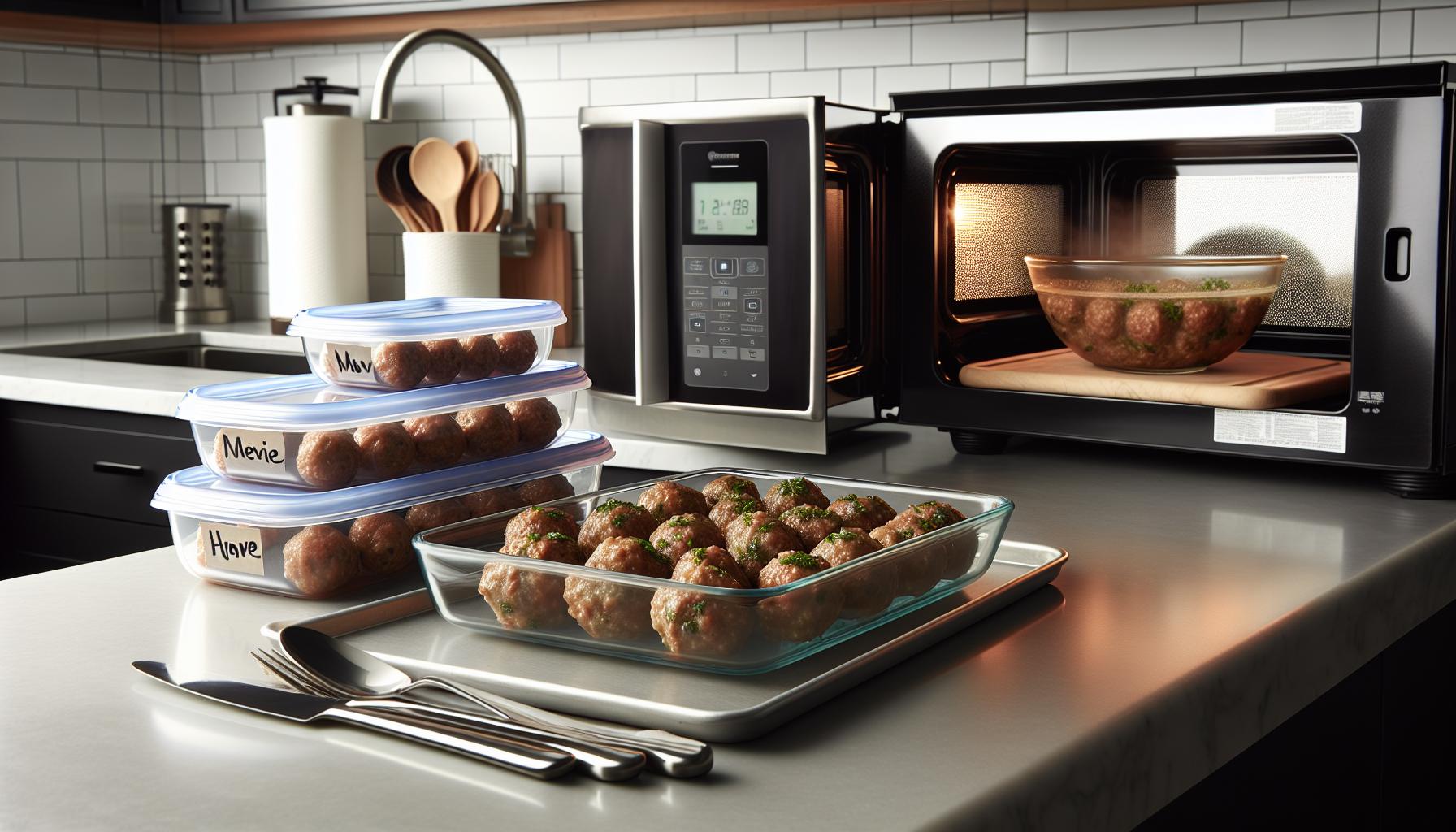
Troubleshooting Common problems Like Dry or Mushy Meatballs
It’s surprisingly easy to end up with dry or mushy meatballs when slow cooking, but the good news is these issues usually come down to timing, ingredients, or heat settings – all totally fixable with a bit of kitchen no-how. Overcooking is the most common culprit behind dry meatballs, as slow cookers keep working long after your dinner plans have moved on. On the flip side, mushy meatballs frequently enough signal too much liquid or delicate binders breaking down too much during cooking.
A golden rule I’ve learned: stick to the ideal cook time and trust your slow cooker’s low setting for the juiciest results. Raw meatballs generally need about 4-6 hours on low to cook through and become tender without drying out.If you ever find yourself pressed for time, resist turning up the heat to “high” – it may cook faster but can easily toughen the meat, making bite-time less enjoyable and more like chewing a tire. Rather, plan ahead or use a meat thermometer to nail the perfect internal temp around 160°F (71°C), so your meatballs are safety-approved and juicy.
What Causes Dry Meatballs and How to Fix It
Dryness usually comes from lean meat, overcooking, or insufficient moisture. Ground turkey and chicken are prone to drying out-so add a little fat or moisture to keep things balanced: think olive oil, broth, or a spoonful of unsweetened applesauce (yes, really!). If your meatballs start feeling tough, try these quick fixes:
- Add extra sauce or broth: Pour in about ¼ cup of liquid halfway through the cooking time to maintain moisture.
- Mix in fat: Swap some lean meat for ground pork or add a splash of olive oil to your mix.
- Don’t crowd the cooker: Crowding can trap steam and affect cooking times, leading to overcooked edges.
Why Mushy Meatballs Happen and How to Prevent Them
Mushy meatballs can occur when there’s too much moisture or delicate binders (like soaked gluten-free breadcrumbs or almond flour) break down during hours of slow cooking. If your meatballs don’t hold their shape or feel overly soft, consider these tips:
- Use firmer binders: Choose options like chia eggs or ground flaxseed mixed with a touch of coconut flour for structure that withstands slow heat.
- Limit liquid in the mix: Since they’ll simmer in sauce, keep added liquids inside the meatball to a minimum.
- Brown meatballs first: A quick sear on the stovetop gives a lovely crust that helps maintain shape and texture during slow cooking.
A little personal pro-tip: I frequently enough brown my meatballs just enough to get a color and slight crisp outside, then nestle them gently into my sauce. It’s extra work but totally worth the texture upgrade – and those caramelized bits add amazing flavor!
Balancing Time, Temperature, and Ingredients
Slow cooking isn’t always “set it and forget it.” Even with a trusty slow cooker,it’s good to check in around the 4-hour mark for texture and doneness. If meatballs seem dry, try turning off the cooker and letting residual heat finish the job while adding moisture. If mushy, gently remove them sooner to avoid losing structure.
Here’s a quick reference to keep on hand:
| Issue | Common Cause | Quick Fix |
|---|---|---|
| Dry meatballs | Lean meat, too long cooking, dry seasoning | Add fat or broth; shorten cook time; use low heat |
| Mushy meatballs | Too much liquid, fragile binders, no sear | Use firmer binders; brown first; reduce liquid |
| Uneven cooking | Crowding, inconsistent slow cooker settings | Don’t overcrowd; stir sauce gently; test doneness early |
At the end of the day, slow cooker meatballs are forgiving, and every batch teaches you a little more about your cooker and your taste buds. Experiment with these tips, adjust for your favorite protein, and remember: the best meatballs are the ones you enjoy eating.So, don’t stress the science too much – embrace the delicious journey!
FAQ
Get our latest guides, news, and insights highlighted in your Google Search & AI Overviews.