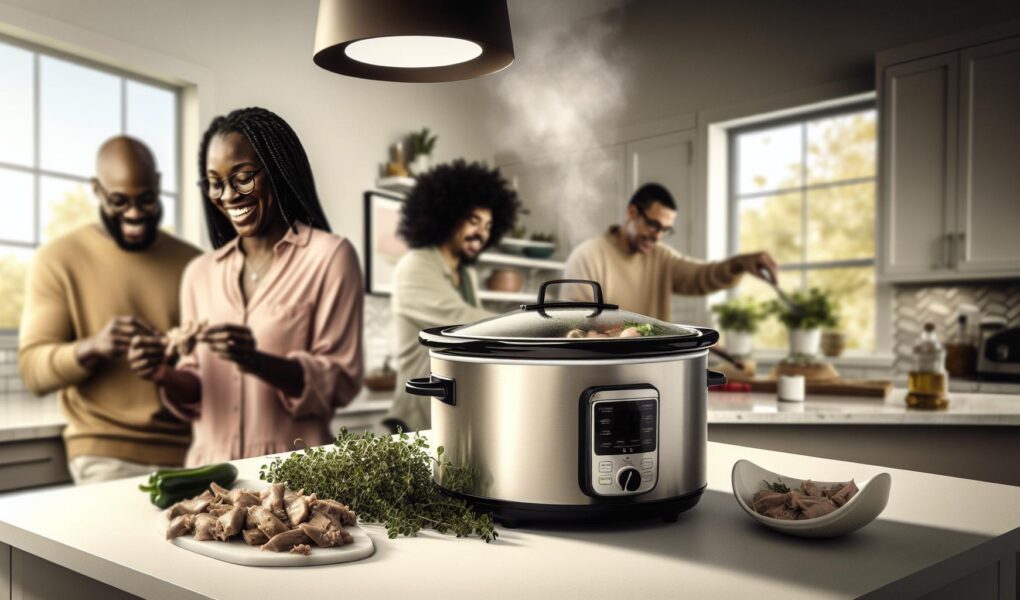
If you’ve ever shied away from cooking chitterlings because of the smell or lengthy prep, this slow cooker method is about to change your mind. Chitterlings-yes, those tender, flavorful pork intestines-can be slow-cooked with far less kitchen aroma and a whole lot more taste, making them a surprisingly approachable comfort food. Whether you’re new to chitlins or looking for a fresher twist on this customary Southern dish, this recipe keeps things simple, gluten-free, and perfect for busy cooks who want big flavor without the fuss.I get it-cleaning and cooking chitterlings can feel intimidating, but with a few easy steps and a trusty slow cooker, you’ll have a dish that’s rich in heritage and soul-warming goodness. Plus,it fits beautifully into paleo and gluten-free lifestyles,so everyone can enjoy this authentic flavor. Stick around, and I’ll walk you through the best way to prep, season, and slow-cook chitterlings so you avoid that strong smell and get mouthwatering results that’ll have friends asking for seconds. it’s all about making this classic feel accessible, delicious, and yes-friendly enough for any weeknight dinner.
Table of Contents
- Choosing the Best Chitterlings for Slow Cooking
- Essential Prepping Tips to Reduce Odor Before Cooking
- Step-by-Step slow Cooker Chitterlings Recipe
- Flavor Boosting Tricks for Richer, Tastier Chitterlings
- Timing and Temperature: Perfect Slow Cooker Settings
- Creative seasoning and spice Combinations That Wow
- Serving Suggestions: Delicious Pairings and Sides
- Storing and Reheating Leftover Chitterlings Safely
- Common Mistakes to Avoid for Tender, Flavorful Chitterlings
- FAQ
- Q: How can I naturally reduce the smell of chitterlings while cooking in a slow cooker?
- Q: What type of slow cooker is best for cooking chitterlings with less smell?
- Q: Can I use citrus fruits to enhance flavor and mask odor when slow cooking chitterlings?
- Q: How long should chitterlings be slow cooked to balance flavor and minimize smell?
- Q: What are some spices that improve chitterlings’ flavor without adding to the strong smell?
- Q: Can soaking chitterlings overnight help reduce cooking time and smell in a slow cooker?
- Q: Is it safe to slow cook chitterlings from frozen to reduce smell and maintain flavor?
- Q: How can I refresh leftover slow-cooked chitterlings without increasing odor?
- The Conclusion
Choosing the Best Chitterlings for Slow Cooking
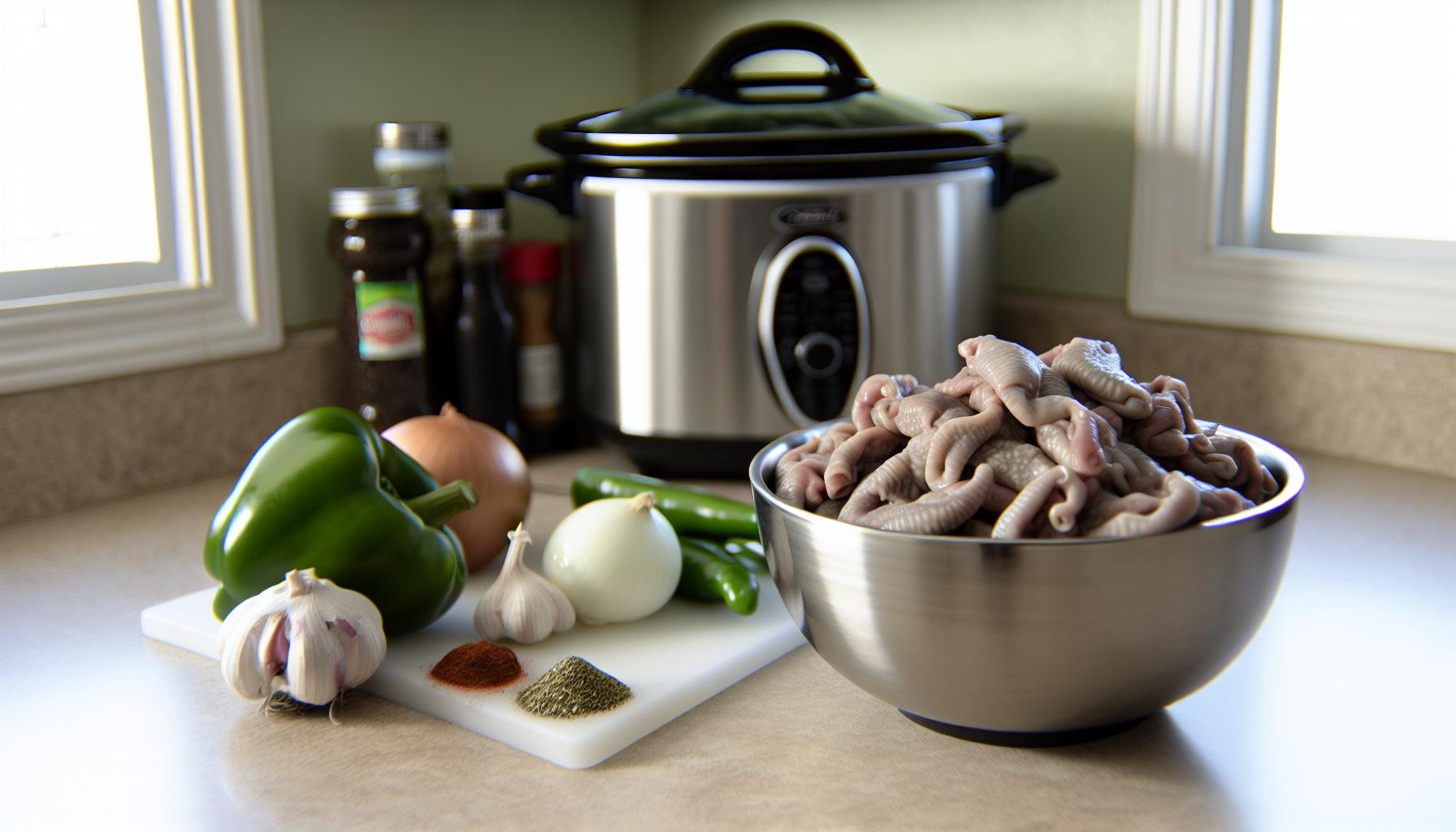
Finding the right chitterlings is your first step toward a slow-cooked masterpiece that’s both flavorful and less “aromatic” in the kitchen. Believe it or not,not all chitlins are created equal. The key to less smell and more savor starts with choosing fresh, well-cleaned chitterlings, ideally ones labeled as “super clean” or “pre-cleaned.” These are a godsend if you want to skip the lengthy (and sometimes messy) initial prep but still enjoy the authentic taste and texture of traditional chitterlings.
When shopping,seek out chitterlings that are shining in color with a slight sheen – they should smell fresh,but not overpowering. Avoid any products with a strong, sour odor before washing as that’s a sign of spoilage. If you’re buying from a butcher or local market, don’t hesitate to ask about their cleaning process. Some vendors take extra care to rinse and trim the chitterlings, which dramatically cuts down the cooking time and potential odors later on. For a paleo-friendly or gluten-free kitchen, pure pork chitterlings with no additional fillers or preservatives keep your meal clean and simple.
Types of Chitterlings and What Works Best for Slow Cooking
- Whole vs. Cut: Whole chitterlings give a more rustic, chewy bite, but cutting them into shorter lengths before cooking helps flavors penetrate better and cooks them evenly in a slow cooker.
- Super Clean Chitterlings: These are professionally cleaned and inspected, which reduces prep time considerably-perfect if you’re new to cooking chitlins or just want a shortcut without sacrificing quality.
- Local or Grass-Fed Options: If you can find chitlins from pasture-raised pigs, you’re in for a richer, more nuanced flavor that often pairs beautifully with smoky or spicy slow cooker recipes.
One personal trick: I always keep a stash of the “super clean” kind in my freezer for those busy weekends when I crave soul food but don’t have hours to prep.They work wonders in a slow cooker, giving that tender, melt-in-your-mouth texture without as much fuss.
Quality over Quantity: Buying Tips for Your Chitterling Adventure
Look for packages that clearly list the product with minimal additives. some chitlins come packed with preservatives or extra fat; trimming excess fat before cooking can help reduce the gamey smell. If you have access, buying from a trusted butcher or farmer’s market often yields fresher chitlins and insider tips on readiness. And don’t worry-whether you want a gluten-free treat or paleo-friendly feast, chitterlings fit the bill by nature, so it’s all about making smart choices that suit your lifestyle and taste buds.
Remember, the best chitterlings for slow cooking are not just about the cut or type-they’re about freshness, cleanliness, and how well they will absorb your flavorful seasonings. Choosing wisely sets the stage for a deliciously tender pot that fills the house with welcoming aromas rather than a punch to the nose. Happy hunting-and happier cooking!
Essential Prepping Tips to Reduce Odor Before Cooking
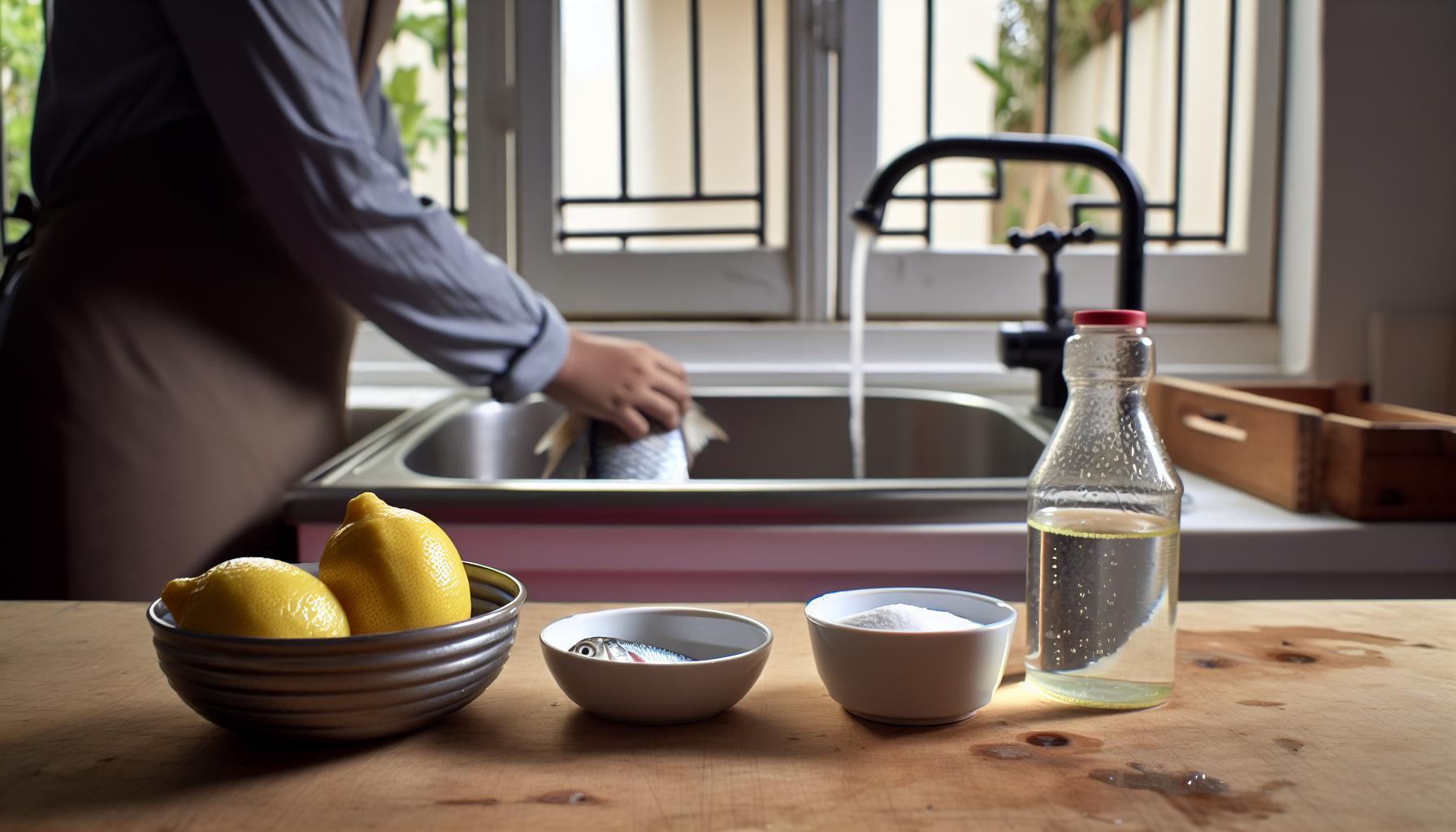
When it comes to chitterlings, the reputation for a strong kitchen aroma is well-earned, but with a few smart prep moves, you can vastly reduce the smell and keep your home smelling welcoming rather of overwhelming. It’s all about a little patience and some strategic rinsing. Think of it as giving your chitlins a spa day before they get slow-cooked to tender perfection. the effort totally pays off by turning out chitterlings that are flavorful without that punch-you-in-the-nose odor.
Start by soaking the chitterlings in cold water for at least one hour, changing the water a couple of times. This helps loosen grime and any residual odors. Then, transfer them to a big pot and bring them just to a boil, letting them simmer for about 10-15 minutes. This initial blanch isn’t for cooking all the way through but rather to further draw out impure smells and loosen any stubborn bits. Once they’ve cooled a bit, rinse thoroughly again under cold running water. This two-step rinse and simmer routine is where most of the odor reduction magic happens-kind of like giving chitlins a fresh start before they hit the slow cooker.
For a little extra secret weapon,toss in aromatic helpers during your rinses or initial boiling stage. Vinegar, lemon juice, or even apple cider vinegar are classic odor neutralizers. Just add a splash or two to the soaking water or boiling pot to brighten the chitlins’ natural flavor and tame funkiness. Some cooks swear by tossing in a few cloves of garlic, bay leaves, or crushed red pepper flakes during the simmer stage for a subtle flavor boost while assisting in deodorizing. These simple additions can transform your kitchen experience from “hold your breath” to “what’s cooking, delicious?”
Fast tips to Cut Down Odor Without Losing Flavor
- Multiple rinses: Don’t skip the rinse-simmer-rinse cycle; it’s key for freshness.
- Use acid: A splash of vinegar or lemon juice in soaking/boiling water helps balance out odors naturally.
- Trim Well: Remove any excess fat or leftover bits that can intensify smell during cooking.
- Simmer with aromatics: Bay leaves, onion, and peppercorns add subtle fragrance that complements slow-cooked chitlins.
- Patience Pays: Freshness is your friend-prep a day ahead if possible and refrigerate after rinsing for even better results.
This process takes a bit of extra time upfront, but trust me-it’s worth every minute. You’ll still get that soulful, melt-in-your-mouth texture from slow cooking, but your kitchen stays pleasant and inviting. Plus,these tips work beautifully whether you’re going paleo-friendly,gluten-free,or just craving a soulful Southern feast with no fuss and no surprises. Think of it as your first step toward chitterlings greatness, where less “eau de pig intestine” means more room for flavor to shine!
Step-by-Step slow Cooker Chitterlings Recipe
Few dishes reward patience like chitterlings slow-cooked to tender, flavorful perfection. Once you’ve tackled the crucial prep steps to reduce that notorious aroma, the slow cooker turns these humble pork intestines into a melt-in-your-mouth Southern delicacy that’s surprisingly easy and hands-off. Think of your slow cooker as the magic pot where flavors meld and textures soften, letting you focus on everything else in your busy day.
Before you fire up the slow cooker, make sure your chitlins are prepped well with those multiple rinses and the short blanch we talked about earlier. That foundation keeps the funk at bay and lets the true taste shine through. Now, layering flavors becomes a breeze. I like to add onion quarters, a few cloves of garlic, and bay leaves right to the slow cooker. For a little heat, crushed red pepper flakes add just the right zing without overpowering-plus those aromatics gently infuse the pork all day long.
Step-by-Step Slow Cooker Instructions
- Step 1: Place the thoroughly cleaned chitterlings in the slow cooker. If you’ve pre-cut large pieces, this is the time to transfer them all in.
- Step 2: Add your aromatic helpers-usually half an onion (cut into large wedges), 3-4 crushed garlic cloves, a couple of bay leaves, and a teaspoon of crushed red pepper if you like some heat. These help both with flavor and reducing lingering odors during cooking.
- Step 3: Pour in enough water (or for richer flavor, unsalted chicken broth) to just cover the chitlins. This keeps them juicy without dilution,perfect for slow cooking.
- Step 4: Season lightly with salt and black pepper. Remember, you can always add more at the end, so start modestly.
- Step 5: Set the slow cooker to low and cook for 8 to 10 hours. This long, slow simmer softens the chitlins into tender bliss, breaking down any toughness while marrying the flavors.
- Step 6: about 30 minutes before serving, check tenderness and seasoning. If you want extra richness,stir in a tablespoon of cultured butter or coconut oil (great for paleo-friendly recipes),and adjust salt or heat to taste.
I frequently enough let my slow cooker do its magic overnight so my house smells like a cozy Southern kitchen by morning – minus that usual chitterling funk thanks to the prep! Plus, this method fits perfectly into busy schedules. While they slow cook, you’re free to prep sides or enjoy family time without standing over a hot stove.
Ingredient Swaps and Tips
- Broth instead of water: Unsalted chicken or vegetable broth boosts umami without overpowering.
- Herb twists: Try adding fresh thyme sprigs or rosemary for a different aromatic profile.
- Low odor tip: Place a small bowl of white vinegar next to your slow cooker to absorb any lingering smells in the room.
- Leftovers are gold: Chitterlings taste even better the next day when reheated gently, thanks to continued flavor melding.
Slow cooking chitlins isn’t just a cooking method – it’s a flavorful journey that transforms humble ingredients into comfort food magic, suitable for paleo, gluten-free eaters, and anyone who loves soulful Southern food. Trust me, once you try this slow cooker approach, you’ll be hooked on how simple and delicious chitterlings can be at home.
Flavor Boosting Tricks for Richer, Tastier Chitterlings

There’s a secret to making chitterlings not just edible, but downright crave-worthy, and it’s all about layering flavors during that slow simmer. While the basics of onion, garlic, and bay leaves do an excellent job at building a foundation, don’t be shy about experimenting with ingredients that add depth and complexity. Think of the slow cooker as your personal flavor lab-you can toss in whole spices,fresh herbs,and even a splash of something acidic to balance the richness.
One trick I’ve learned is to introduce umami boosters early on. Adding a teaspoon of fish sauce or a dash of Worcestershire sauce can work wonders without making the dish taste fishy or overly saucy. These ingredients quietly amplify the natural pork flavors. For a paleo or gluten-free twist, tamari or coconut aminos are perfect substitutes that keep things allergen-friendly. And since chitterlings have a mild base flavor, using smoked paprika or a pinch of dried chipotle powder brings a subtle smokiness that turns heads at the dinner table-yes, even from skeptics!
Another personal favorite is tossing in fresh aromatics like a couple of sprigs of thyme or rosemary toward the start. Their woodsy, piney notes meld beautifully during those long hours of low heat cooking, creating an irresistible bouquet. don’t overlook the power of adding citrus zest-orange or lemon peel added in the last hour brightens the dish and cuts through any heaviness, making each bite pop. If you like your food with a little zing, a splash of apple cider vinegar or a squeeze of fresh lemon juice right after cooking revives the flavors and adds that perfect balance.
- Umami enhancers: Fish sauce, Worcestershire sauce, tamari, or coconut aminos (1 tsp added early)
- Smoky spices: Smoked paprika, chipotle powder, or a dash of cayenne for warmth
- Fresh herbs: Thyme, rosemary, or sage sprigs added at start of cooking
- Citrus twists: Orange or lemon zest in the last hour, plus vinegar or lemon juice at serving
If you want to push the flavor envelope even further, consider layering textures to complement the tender chitterlings. adding roughly chopped, sautéed onions or caramelized shallots 30 minutes before serving builds a sweet contrast, while a handful of chopped fresh parsley or chopped scallions sprinkled on top always feels fresher and homey. These finishing touches show that slow cooking doesn’t mean slow thinking when it comes to flavor-just smart patience! Remember, it’s these little boosts and tweaks that elevate humble chitterlings from “just okay” to signature dish status, all while keeping that legendary funk safely in check.
Timing and Temperature: Perfect Slow Cooker Settings

Cooking chitterlings low and slow in the crockpot isn’t just tradition – it’s the secret weapon for getting them tender, flavorful, and with way less of that notorious funk. Getting the timing and temperature just right means your kitchen will smell inviting, not like you unleashed a full pig pen indoors. Plus, it’s about making sure those chewy bits soften perfectly without turning to mush or drying out, so every bite is the kind you can’t stop savouring.
Generally, you’ll want to slow cook chitterlings on low heat between 8 to 10 hours. This long,gentle simmer breaks down the tough texture naturally without scorching the meat or creating unpleasant odors. If you’re short on time, the high setting can do the job in about 4 to 5 hours, but I’ve found that the flavor and tenderness just aren’t quite as divine as the low-and-slow approach. Think of it like a good friendship – real magic takes patience. My best advice? Set it before you leave for work or first thing in the morning so dinner’s ready right when you want it.
Temperature tips for Best Results
Slow cookers usually hover around 190°F (low) and 300°F (high). For chitterlings,target the low setting so the temperature is just enough to simmer and soften the intestines steadily without boiling off those nuanced flavors. This slow buildup means the connective tissues break down gradually, producing that melt-in-your-mouth texture everyone loves.Quick heating, conversely, can tighten proteins and leave you with rubbery, less palatable results.
hear’s a quick breakdown to keep handy:
| Temperature Setting | Approximate temperature | Ideal Cook Time | Texture outcome |
|---|---|---|---|
| Low | ~190°F (88°C) | 8-10 hours | perfectly tender, richly flavored |
| High | ~300°F (149°C) | 4-5 hours | Acceptable tenderness but less depth in flavor |
| Warm | ~165°F (74°C) | Not recommended | Too low to safely cook thoroughly |
Practical Pointers From the Trenches
If you’re a planner, a crockpot with a timer or programmable settings is a total game-changer. You can start on high for the first hour to gently kick off cooking and then drop to low for the rest of the day-this jump-start can reduce both cooking time and that initial strong odor that tends to sneak out during the first simmer hours. Also, try adding your aromatic herbs and umami boosters right at the beginning to let their flavors meld beautifully during the long cook cycle.For my paleo and gluten-free friends, remember that proper temperature ensures safety too! Chitterlings need to reach an internal temperature of at least 160°F for food safety, so slow cooking at low heat in a sealed crockpot does the trick. A handy tip: if you have a meat thermometer, feel free to check after 7-8 hours to find that sweet spot where softness meets safety.
Ultimately, slow cooking chitterlings isn’t just about tossing them in and forgetting. It’s about loving the process, trusting your device, and knowing that the low-and-slow rhythm turns notoriously tricky offal into a tender, flavorful party of Southern soul food. So grab your slow cooker, set it right, and get ready for compliments that might just surprise you.
Creative seasoning and spice Combinations That Wow
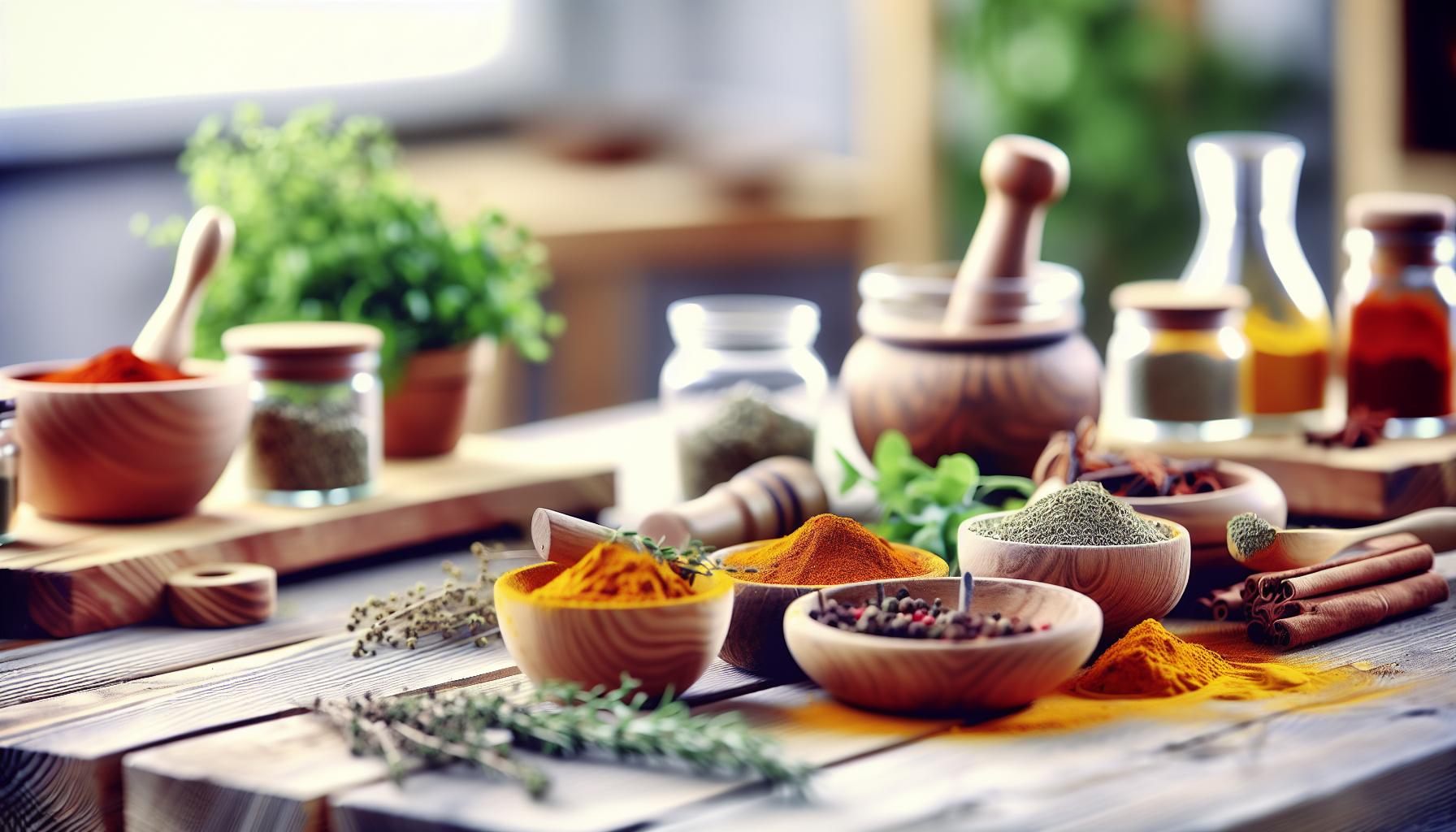
You’d be surprised how much the right spices can transform chitterlings from perhaps intimidating to downright irresistible. As chitterlings naturally carry a strong, earthy flavor, layering in vibrant seasonings not only adds complexity but also helps balance any lingering funk. Think of your slow cooker like a flavor incubator-where a little creativity with herbs and spices can turn tradition on its head and bring every bite to life.
For a classic Southern soul food vibe with a cozy twist, start with aromatics like garlic, onion powder, and bay leaves, which act as subtle background players. Then, kick it up a notch with a pinch of smoked paprika or cayenne pepper to give a slow-building warmth that lingers without overwhelming.If you want to lean into boldness, toss in some crushed red pepper flakes or a few drops of chipotle hot sauce during the last hour to add smoky heat that plays beautifully against the rich texture.
Mix-and-Match Flavor Profiles to Keep Things Fresh
- Herbal Zing: Fresh thyme,rosemary,and sage are fantastic slow cooker companions.These woody, fragrant herbs unfold slowly, giving a refreshing lift that complements the earthy chitterlings without fighting for attention.
- Bold & Tangy: Try a splash of apple cider vinegar,a tablespoon of mustard powder,plus a pinch of brown sugar to add a sweet-tangy contrast and help mellow the stronger notes. This combo adds depth and pairs beautifully with collard greens or cornbread on the side.
- Asian-inspired Twist: For adventurous cooks, a blend of grated ginger, star anise, and a dash of soy sauce or tamari (gluten-free!) turns chitterlings into a savory-umami powerhouse. Add some smashed garlic cloves and sliced scallions near the end to brighten the whole dish.
- Paleo & Whole30 Friendly: Use coconut aminos instead of soy, fresh herbs, smoked sea salt, and turmeric for a golden hue and subtle earthy notes all packed with anti-inflammatory goodness.
The beauty of slow cooking chitterlings is how the spice layers have time to become one with the dish, unfolding slowly like a good story.Don’t hesitate to experiment with your spice cabinet-sometimes the simplest additions like a sprinkling of ground white pepper or a cinnamon stick can surprise you. And here’s a fun tip: roasted cumin seeds crushed with a mortar and pestle bring a warm,nutty element that plays well with both savory and slightly sweet profiles,especially if you’re aiming to keep the funk at bay but flavor in full throttle.
Give these combinations a whirl, journal your favorites, and soon you’ll find your signature chitterlings style that’s both heartfelt and unforgettable.
Serving Suggestions: Delicious Pairings and Sides
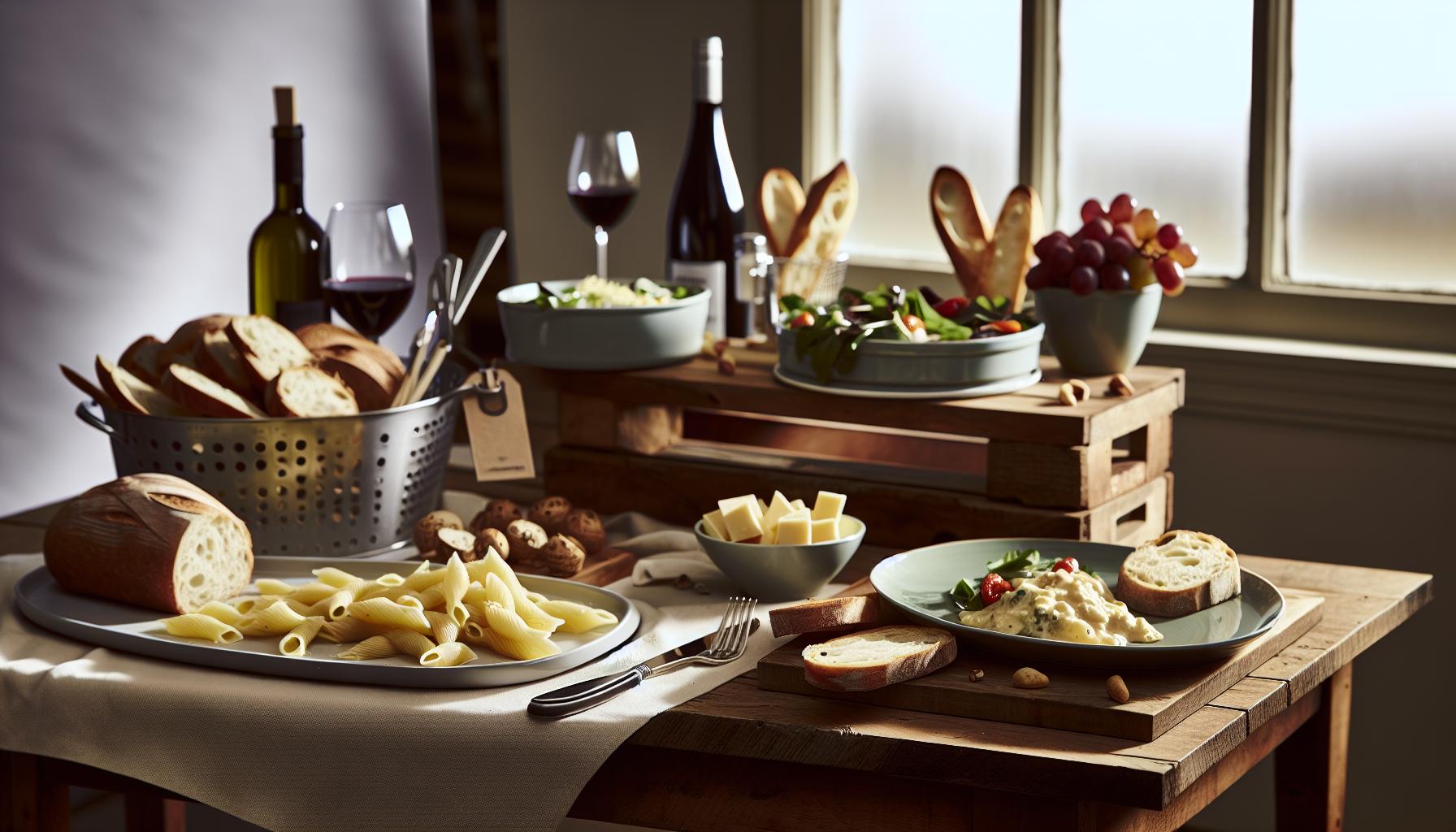
While chitterlings are a beloved Southern staple,pairing them with the right sides can elevate your slow cooker masterpiece from just good to downright unforgettable. Since chitterlings have a rich, earthy, and sometimes bold flavor, balance and contrast on the plate are key. Think about textures and tastes that complement their tender, slightly chewy nature while adding freshness, brightness, or a touch of sweetness to round out the meal.
A classic go-to is collard greens cooked with a little smoked meat or bacon-this pairing is practically a soulmate match and perfect for anyone craving that Southern soul food vibe. The slight bitterness and silkiness of the greens cut through the richness of the chitterlings beautifully. For a gluten-free and paleo twist, sautéed kale or Swiss chard with garlic and a splash of apple cider vinegar works wonders, adding a bright acidity that lifts the whole plate. Cornbread or its grain-free counterpart (think almond flour biscuits) provide a comforting, slightly sweet contrast that soaks up all the delicious juices. If you want a faster side, instant pot or slow cooker black-eyed peas seasoned with herbs and smoked paprika bring hearty, homestyle goodness without fuss.
Garden Fresh & Bright: Salads and Veggies
Adding a fresh element can seriously balance out the deep flavors and textures. A crisp cabbage slaw tossed with a tangy vinaigrette or a simple cucumber and tomato salad with a squeeze of lemon and a sprinkle of fresh herbs makes for refreshing, palate-cleansing sides. roasted root vegetables like carrots, sweet potatoes, or parsnips seasoned with smoked sea salt and a hint of cinnamon pair especially well, adding sweetness and earthiness with a tender bite. For a paleo-friendly green veggie boost, try roasted Brussels sprouts with a drizzle of balsamic glaze or steamed asparagus with lemon zest.
Switch It Up with International Flair
If you’re adventurous and want to riff off the Asian-inspired seasoning combos (hello, ginger and star anise!), sides like sticky jasmine rice or cauliflower rice work great to soak up the savory richness. Pickled veggies-think quick-pickled radishes, cucumbers, or even kimchi-add zing and complexity, cutting the earthiness with bright, tart notes. This helps create a balanced plate that’s anything but boring.
- For Comfort Food Lovers: Mashed sweet potatoes or creamy mashed cauliflower add luscious texture without overpowering the chitterlings.
- Low-carb & Paleo: Serve with smashed avocado drizzled with lime, or roasted garlic sautéed spinach for nutrient-density and creamy vibrance.
- Gluten-Free Sides: Polenta cakes (fried or baked) or gluten-free skillet cornbread are warm, crumbly complements that hold up well to bold seasoning.
In my kitchen, I find that a little bit of crunch or brightness on the side really amps up the whole eating experience. Plus,balancing the deep,slow-cooked goodness of the chitterlings with fresh,zesty,or sweet elements makes the meal feel complete and keeps folks coming back for seconds-and thirds! So go ahead,mix-and-match your favorite sides,and don’t hesitate to add your personality to the plate. After all, delicious home-cooked food is all about joy, comfort, and sharing good times around the table.
Storing and Reheating Leftover Chitterlings Safely

The magic of chitterlings doesn’t have to end with the last bite on your plate. Keeping your leftovers safe and delicious means you get to enjoy that comforting, smoky flavor all over again-without any unwanted surprises. Since chitterlings are a pork variety meat, handling and storing them properly is a must to keep things tasty and above all, safe for your family’s bellies. Plus, with a few simple tricks, reheating can bring back that slow-cooked charm without turning your kitchen into a stinky bear den.
First off, cool your chitterlings promptly after cooking.Leaving them out too long invites bacteria,especially as chitterlings can hold moisture. Ideally, pop them in an airtight container within two hours of finishing your slow cooker masterpiece.Portioning out leftovers into smaller containers helps them chill faster in the fridge and reheats better later. Store your leftovers in the fridge at 40°F (4°C) or below and enjoy within 3 to 4 days for best quality and food safety.
Reheating Like a Pro: Keep It Moist, Keep It Flavorful
Reheating chitterlings can be a bit tricky because they can dry out or toughen if handled carelessly. To bring back that tender chewiness, the stovetop or slow cooker beats the microwave hands-down. Here’s a quick rundown:
- Stovetop method: Warm them gently in a skillet with a splash of broth, water, or even a few drops of apple cider vinegar to keep things moist.
- Slow cooker method: If you have the time, transfer leftovers back to the slow cooker on low for an hour until heated through-this revives those cozy flavors beautifully.
- Microwave hack: Use a microwave-safe dish, cover with a damp paper towel to lock in moisture, and reheat in short bursts, stirring in between.
Personally, I find that reheating with a touch of fresh herbs-like thyme or a bay leaf-gives leftovers a little pop and keeps them tasting vibrant. It’s the kind of small kitchen love that transforms day-old chitterlings to near-fresh status.
Safely Storing Leftovers: more Than Just a Lid and Fridge
If freezing is in your game plan, chitterlings freeze well and can keep up to 3 months for optimal flavor. Use freezer-friendly containers or heavy-duty bags, squeeze out excess air, and label with dates to avoid mystery meals down the road. When thawing, do so overnight in the fridge or use the defrost setting on your microwave. Never thaw at room temperature-it’s a bacteria playground out there!
| Storage Method | Temperature | Storage duration | Tips |
|---|---|---|---|
| Refrigerator | ≤ 40°F (4°C) | 3-4 days | Store in airtight containers; cool within 2 hours of cooking |
| Freezer | 0°F (-18°C) or below | Up to 3 months | Use freezer-safe bags or containers; label with date |
| Thawing | Refrigerator or microwave defrost | N/A | Never thaw at room temp to avoid bacteria growth |
Lastly, trust your nose and eyes-if leftover chitterlings give off an off smell or slimy texture, it’s time to say goodbye. When handled with care, these slow-cooked gems will remain a safe, delicious delight well past the first serving.Keeping chitterlings luscious and safe for leftovers is totally doable without fuss.With thoughtful storage, moist reheating techniques, and a splash of friendly kitchen creativity, you get to savor that soulful Southern flavor again-and again-no matter how busy life gets.
Common Mistakes to Avoid for Tender, Flavorful Chitterlings
One of the trickiest parts of slow cooking chitterlings is avoiding the pitfalls that can leave you with tough, bland results or, worse, a kitchen that smells like you invited a skunk to dinner.surprisingly, even with this humble ingredient, a little care goes a long way toward transforming pig intestines into tender, soul-satisfying comfort food. From my own kitchen experiments (and a few, ahem, “learning experiences”), I’ve found that most mishaps boil down to a few avoidable blunders.
Skipping a Thorough Cleaning
Chitterlings have a reputation-and rightly so-for needing meticulous prep. Rushing through the cleaning stage is the easiest way to end up with an odor that won’t quit and a gritty texture that’s all wrong. Always give them multiple rinses, scrubbing gently if needed, and soak them in a mixture of water and vinegar or lemon juice to cut down on lingering smells. It might feel tedious, but trust me, it pays off. If you’re short on time,pre-cleaned options from trusted butchers or specialty grocers can be a lifesaver without sacrificing flavor or tenderness.
overcrowding the Slow Cooker
One surprising culprit behind chewy or unevenly cooked chitlins is packing your slow cooker too tight. They need room to circulate heat and absorb those amazing spices and aromatics you’re adding. Overfilling essentially steams rather than slow simmers them, leaving your chitterlings less tender and your spices muted. Aim for a single or double layer, and don’t be shy about using a bit more cooking liquid. It also helps prevent sticking and scorching on the bottom-a no-go when you want every bite silky-soft.
Underestimating Cooking Time and Temperature
Patience isn’t just a virtue-it’s a key ingredient! Chitterlings notoriously require a long, slow cook to soften those sinewy bits into delicate morsels with deep flavor. Cranking the heat to speed things up usually backfires, resulting in rubbery texture or tough spots. Keep your slow cooker on low and plan on 6-8 hours minimum. Think of it like a slow dance,not a sprint. If you’re using a newer model with digital controls, try to maintain steady warmth without fluctuations. Your taste buds will thank you.
neglecting to Layer in Flavor
It’s easy to fall into the trap of thinking chitterlings just need salt and pepper, but they thrive on a flavor boost. Toss in onions, garlic, bay leaves, and a splash of apple cider vinegar or hot sauce right from the start to tame odors and build layers of savory goodness. Adding aromatics early lets those flavors infuse deeply during the long cook. And if you’re feeling adventurous,warming spices like smoked paprika,crushed red pepper,or even a pinch of cayenne add an exciting punch without overpowering the natural soul of the dish.
Ignoring Personal Preferences and Dietary Tweaks
Not every kitchen runs on a traditional script, and that’s what makes cooking chitlins fun! Whether you’re paleo, gluten-free, or just short on time, don’t be afraid to tweak your approach-like swapping chicken broth instead of pork stock or using a spice blend tailored to your tastes. Just remember that substitutions can affect cooking time and moisture, so keep an eye on texture and adjust liquid as needed. This adaptability keeps chitlins approachable and satisfying for everyone.
- Clean thoroughly: rinse and soak to control smell.
- Don’t overcrowd: give chitlins breathing room to cook evenly.
- Slow and low: patience leads to tender perfection.
- Flavor layers: aromatics and spices transform basic chitlins.
- Adapt smartly: modify for diet and convenience without sacrificing quality.
Avoiding these common slip-ups keeps your kitchen breathable and your chitterlings tender, flavorful, and downright irresistible. Think of slow-cooked chitlins like a good story-it settles in nice and slow, rewards your patience, and leaves you craving the next chapter. With a little practice and these friendly reminders, you’ll master the balance of rich, soulful flavor and melt-in-your-mouth texture every time.
FAQ
Q: How can I naturally reduce the smell of chitterlings while cooking in a slow cooker?
A: To naturally reduce the smell when slow cooking chitterlings, add aromatic ingredients like bay leaves, onions, garlic, and apple cider vinegar to the pot.Keeping the slow cooker covered tightly also traps odors. For extra odor control, cook near an open window or use a kitchen fan. Learn more in the Essential Prepping Tips section for odor reduction techniques.
Q: What type of slow cooker is best for cooking chitterlings with less smell?
A: A slow cooker with a tightly sealing lid and a non-porous ceramic insert works best to contain chitterling odors. Models with steam vents may allow smells to escape, so opt for one that locks in moisture and aroma.This ensures tender chitterlings and a more pleasant kitchen experience.
Q: Can I use citrus fruits to enhance flavor and mask odor when slow cooking chitterlings?
A: Yes, adding lemon or orange slices while slow cooking chitterlings brightens flavors and naturally masks strong smells. Citrus’s acidity also tenderizes the meat, enhancing taste without overpowering traditional seasonings. This trick complements the Flavor Boosting Tricks section nicely.
Q: How long should chitterlings be slow cooked to balance flavor and minimize smell?
A: Slow cook chitterlings for about 6 to 8 hours on low heat for tender meat and developed flavors with less pungency. Avoid overcooking to reduce odor release. refer to the Timing and Temperature guide for precise settings to achieve perfect texture with minimal smell.
Q: What are some spices that improve chitterlings’ flavor without adding to the strong smell?
A: Use mild, fragrant spices like smoked paprika, thyme, black pepper, and bay leaves. These enhance taste subtly without intensifying odors.Avoid overly pungent spices like curry or cumin for a balanced, slow-cooked chitterling dish that stays flavorful and less smelly, as detailed in the creative Seasoning section.
Q: Can soaking chitterlings overnight help reduce cooking time and smell in a slow cooker?
A: Yes, soaking chitterlings in cold, salted water overnight helps remove impurities and reduces cooking time. This prep step cuts down on strong odors during slow cooking and results in cleaner, more tender chitterlings. Check out essential Prepping Tips for soaking guidance.
Q: Is it safe to slow cook chitterlings from frozen to reduce smell and maintain flavor?
A: It’s safer and more effective to fully thaw chitterlings before slow cooking. Cooking from frozen releases stronger odors and may cook unevenly. Thawing first helps control smell and ensures rich flavor, which aligns with slow cooker best practices covered in your Common Mistakes section.
Q: How can I refresh leftover slow-cooked chitterlings without increasing odor?
A: To reheat leftovers odor-free,warm chitterlings gently in a covered skillet with a splash of broth or water and mild aromatics like onion or bay leaf. Slow reheating prevents odor bursts and keeps flavors intact.For detailed storage and reheating tips, see our Storing and Reheating Leftovers section.
enjoy perfect slow cooker chitterlings with less smell and more flavor! For in-depth prep advice and tasty seasoning combos, don’t miss the full recipe guide and seasoning tips. cooking chitterlings can be a delicious, enjoyable journey!
The Conclusion
Now that you’ve mastered how to cook chitterlings in a slow cooker with less smell and maximum flavor, you’re all set to enjoy this comforting, gluten-free dish with ease. This simple, hands-off approach saves time and keeps your kitchen fresh-perfect for busy cooks craving authentic home-style meals without the fuss. if you’re looking to take your slow cooker skills further, don’t miss our guides on slow cooker pork recipes and easy Southern soul food sides that pair perfectly with chitterlings.
Ready to experiment with ingredient swaps or explore paleo-friendly twists? Check out our ultimate guide to paleo cooking basics for tips and tricks that keep your meals delicious and diet-friendly. Have questions, kitchen hacks, or your own chitterlings stories? Drop a comment below, share with friends, or subscribe to our newsletter for weekly recipes that make specialized cooking approachable and fun. Remember, great cooking isn’t about perfection-it’s about joyful flavors you can share. Let’s keep cooking together!
Get our latest guides, news, and insights highlighted in your Google Search & AI Overviews.