
Did you know that while “Crockpot” and “slow cooker” are often used interchangeably, they’re not exactly the same thing? if you’ve ever wondered, “Can I use a Crockpot instead of a slow cooker?” you’re not alone. Both appliances promise hands-off, worry-free cooking, perfect for busy days when you want flavorful, fuss-free meals-think tender stews, rich chilis, or paleo-amiable roasts with minimal effort. But subtle differences in design, heat settings, and cooking times can affect your recipe’s outcome, especially if you’re juggling gluten-free or paleo diets and want that perfect texture without standing over the stove. I’ve been there-testing recipes in both to find what truly works. In this post, I’ll share the honest truth about swapping these two kitchen pals, along with practical tips and tweaks so your meals come out just right, irrespective of which pot you reach for. Ready to transform your slow cooking routine with confidence and maybe, a pinch of fun? Let’s dive in!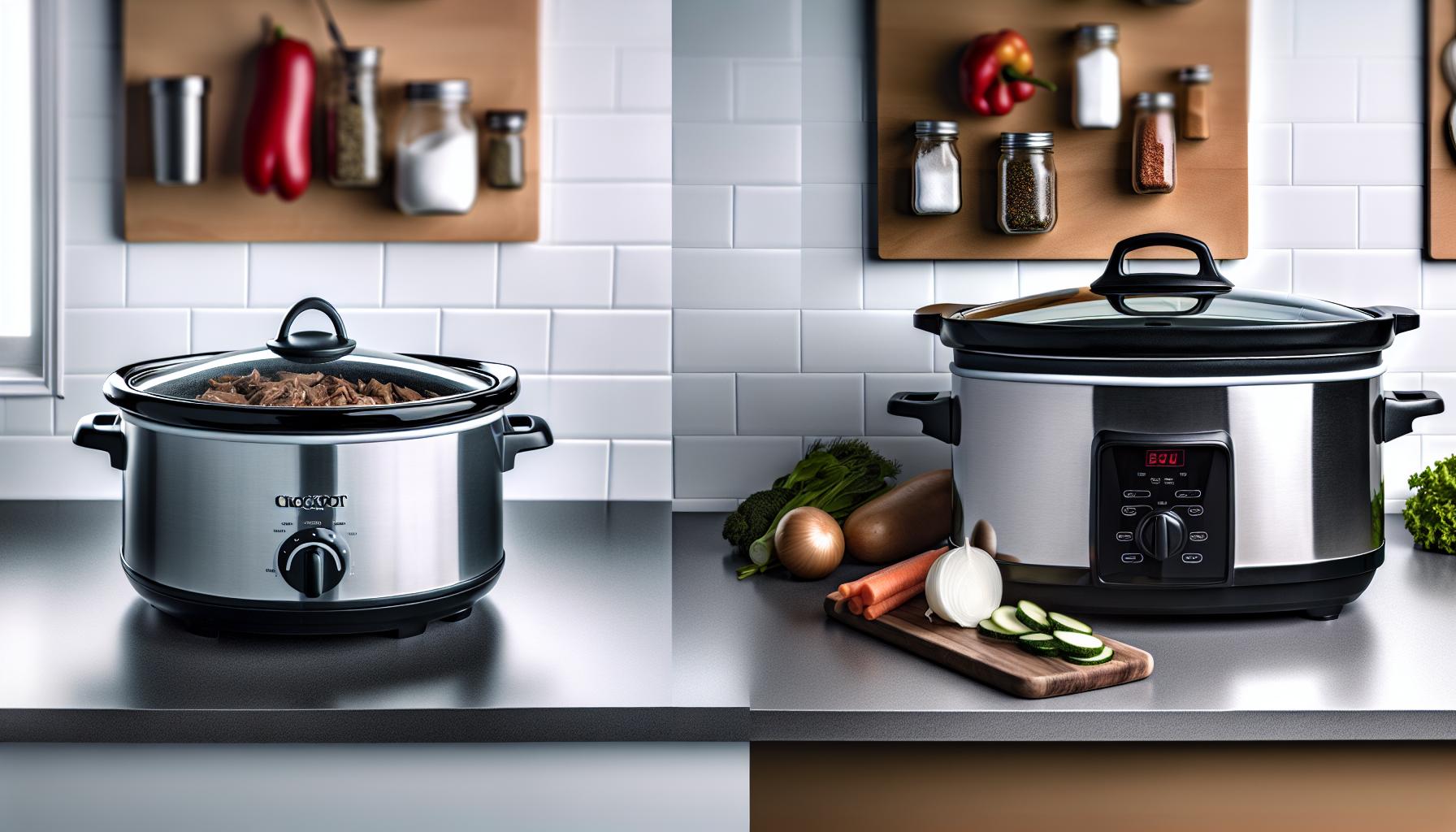
Table of Contents
- What’s the Real Difference Between crockpots and Slow Cookers?
- can You Substitute a Crockpot for a Slow Cooker recipe?
- How Cooking Times Change When Using a Crockpot vs.Slow Cooker
- Adjusting Temperatures: Crockpot vs.Slow Cooker Tips That save Dinner
- Which One Is Easier to Clean and Maintain?
- Top Common Mistakes When Swapping Crockpots and Slow Cookers
- My Favorite Crockpot Recipes Perfect for Slow Cooker Fans
- when Not to Swap: Foods That Need the Right Appliance
- Essential Kitchen Hacks to Get the Most from Your Crockpot or Slow Cooker
- How to Choose the Best Slow Cooker or Crockpot for Your Needs
- FAQ
- Q: can I use a Crockpot liner in place of cleaning a slow cooker after cooking?
- Q: How do power fluctuations affect using a Crockpot versus a slow cooker?
- Q: Are there any differences in flavor progress when using a Crockpot instead of a slow cooker?
- Q: Can a Crockpot handle recipes that require searing or browning before slow cooking?
- Q: What are the best ingredients to use in both Crockpots and slow cookers for optimal texture?
- Q: How can I prevent my Crockpot meals from drying out compared to slow cookers?
- Q: Is it safe to use a Crockpot or slow cooker for canning or preserving food?
- Q: How do Crockpot timers compare to slow cooker timers in preventing overcooking?
- Insights and Conclusions
What’s the Real Difference Between crockpots and Slow Cookers?
One of the biggest confusions in the kitchen world is whether a Crockpot and a slow cooker are the same thing-or if there’s a real difference hiding beneath those tempting pots of stew. Spoiler alert: the terms frequently enough get used interchangeably,but there is a bit of nuance worth knowing before you start swapping recipes or borrowing grandma’s favorite appliance. understanding these subtle differences can help you decide which one fits your cooking style (and countertop space!) best, so you get tender, flavorful meals every time without the guesswork.
at their core, both crockpots and slow cookers are designed for the same magic trick: low-and-slow cooking that breaks down tough cuts of meat and melds flavors beautifully. The real difference lies mostly in branding and design. “Crockpot” is actually a specific brand of slow cooker, distinguished notably by its removable ceramic stoneware insert, which is great for oven pre-browning or serving directly at the table. slow cookers, on the other hand, might have inserts made from ceramic or metal, and some models feature digital timers, programmable settings, or other modern upgrades. If you’re a fan of prepping meals in advance and want that versatility, some non-Crockpot slow cookers might tick those boxes better.
How This Affects your Daily Cooking
From experience,if you love the hands-off,set-it-and-forget-it vibe,either option works beautifully to elevate weeknight dinners or weekend batch cooking – but the removable stoneware on many Crockpots adds a nice convenience for serving and cleaning. Plus, its a lifesaver if you want to lightly sauté or finish dishes with a quick oven roast without dirtying another pan.
- Portability & Presentation: Crockpots usually shine here with those cozy serving inserts.
- Temperature Settings: Most slow cookers-Crockpots included-feature “low” and “high” settings, but some slow cookers offer extras like “keep warm” or programmable timers.
- Shape & Size: Crockpot inserts tend to be more oval; slow cookers might come round, which affects cooking volume and evenness.
So,while you can absolutely use a Crockpot in place of a slow cooker recipe,a little heads-up on the shape and control options can definitely help ensure your chili or paleo-friendly stew comes out perfectly cooked without guessing games. Think of it this way: they’re like kitchen cousins-close enough to borrow cups of sugar, but each with their unique flair.
can You Substitute a Crockpot for a Slow Cooker recipe?
One of the best things about slow cooking is how flexible it can be-so yes, you can absolutely use a Crockpot instead of a slow cooker recipe! Since a Crockpot *is* technically a type of slow cooker, the swap is usually pretty seamless. Just keep in mind that differences in shape, heating elements, and extra features might nudge you to tweak cooking times or settings here and there for perfect results. Think of it like borrowing a friend’s apron: you’re still cooking the same magic, just with a slightly different fit.Because Crockpots often come with that lovely removable ceramic insert, it makes meal prep and cleanup a breeze. I love grabbing my Crockpot to throw together paleo-friendly stews or gluten-free chili, knowing I can brown the meat right in the insert, pop it into the pot, and then serve straight from it-less mess, less fuss. Plus, if your slow cooker recipe calls for programmable timers or special settings like “keep warm,” but your Crockpot only has simple “low” and “high” heat options, just set a timer on your phone as a little reminder to check in. it’s all about adapting, not stressing!
- Check Your Insert Shape & Size: Oval inserts in Crockpots might cook differently than round slow cooker pots. You might need to stir a bit more often or adjust cook time by 15-30 minutes.
- Watch Your Heat Levels: High and low settings generally translate well, but if your slow cooker recipe uses “medium” or programmable modes, start checking doneness a bit earlier when using a basic Crockpot.
- Portion Control: Crockpots often come in specific sizes (4-quart, 6-quart), so if your recipe calls for a slow cooker that’s bigger or smaller, scale ingredients accordingly.
In practical experience, I’ve moved recipes between devices without any major hiccups-my go-to gluten-free chicken curry shines just as well in both pots. Just keep a watchful eye the first time you try a new combo because slow cookers and Crockpots vary in heat retention. If you’re aiming for tender, fall-apart meats or perfectly melded spices, a little patience and a few simple adjustments get you there. Cooking is as much a dance as a science, and swapping these pots just means stepping to a slightly different beat. So grab that Crockpot,toss in your ingredients,and let the slow magic work-your dinner is in great hands!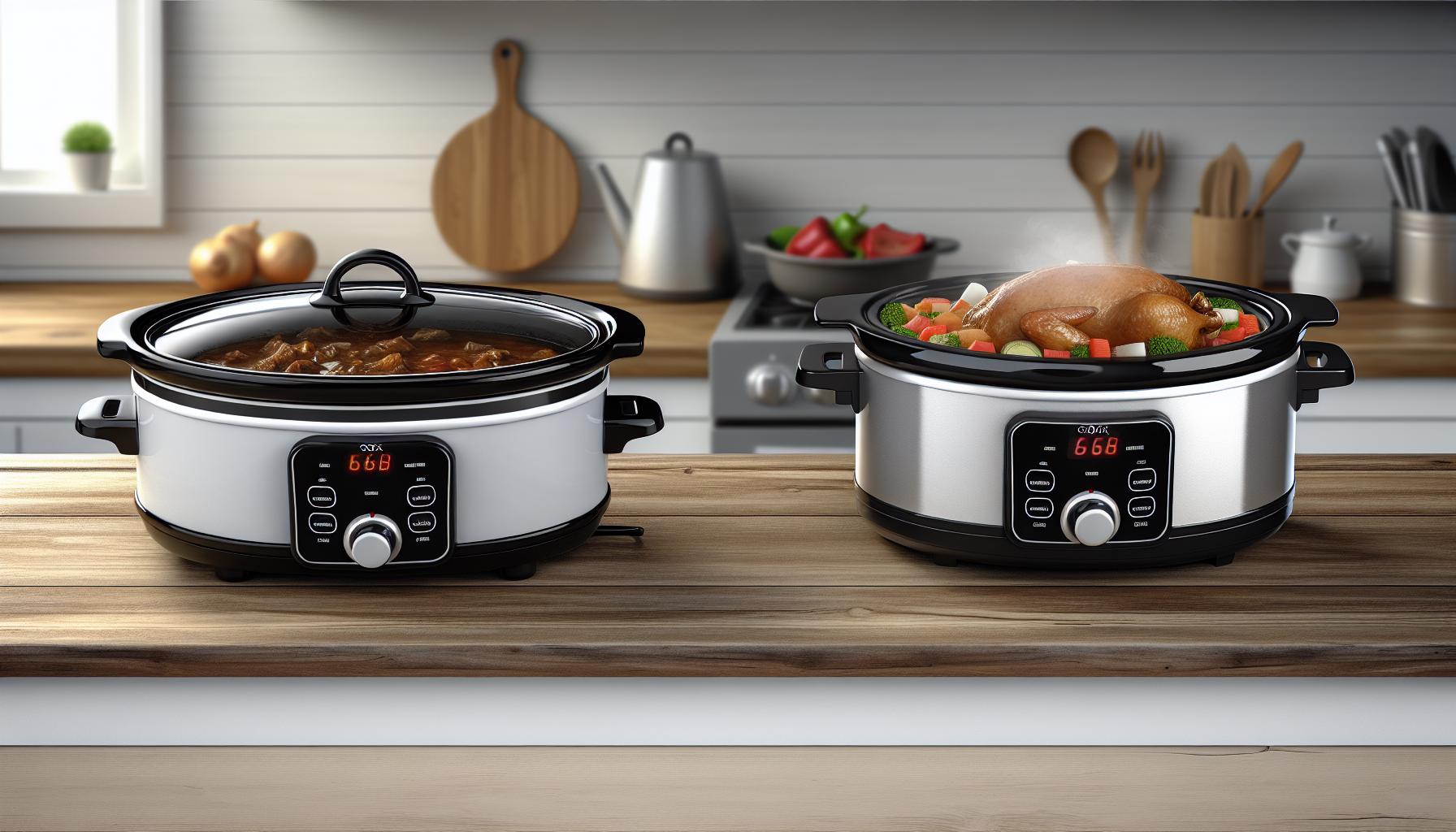
How Cooking Times Change When Using a Crockpot vs.Slow Cooker
Cooking times can feel like a moving target when switching between a Crockpot and a slow cooker because, while they’re closely related kitchen buddies, their heating quirks and designs can nudge your meals to cook just a tad faster or slower. For anyone juggling paleo-friendly roasts or gluten-free beans, this subtle difference matters-because nobody wants mushy veggies or undercooked chicken at dinner time!
Most Crockpots have a bit more ceramic mass in their removable inserts, which means they retain heat differently than some slow cookers with thinner or more metallic pots. This frequently enough results in the Crockpot taking a little longer to reach full temperature on low settings but maintaining steadier heat once warmed up. A handy rule of thumb I’ve picked up over years of swapping recipes: if your slow cooker recipe calls for 8 hours on low, expect to add an extra 15 to 30 minutes *or* keep a careful eye near the end during your first try-especially with larger cuts of meat or dense stews. And as most Crockpots have just “low” and “high” settings, when a slow cooker uses “medium” or programmable cooking, anticipate a faster finish on high and plan accordingly.
- Your insert’s shape and size matter: Oval Crockpots distribute heat differently from round slow cookers, so stirring a couple of times during longer cooking sessions helps keep everything evenly tender.
- portions impact timing to: Filling a Crockpot to just half capacity can slow cooking efficiency, while an overstuffed pot might need more time than your slow cooker recipe suggests.
- Be flexible with your timers: I always set my phone alarm to check in 30 minutes before the expected finish time during adaptation; it’s saved me from both dry chicken and undercooked chili.
Real Kitchen Experience: adjusting on the Fly
When I first made my now-famous paleo beef stew, the original slow cooker recipe suggested 7 hours on low.Using my Crockpot, I noticed it still needed that extra half hour, sometimes stirring once mid-cook to keep vegetables from settling at the bottom. But the flavor? Absolutely stellar either way. Meanwhile, gluten-free chili love? It actually cooked a bit faster on high in my Crockpot than on the slow cooker’s medium setting, so I chopped the time down by about 20 minutes and ended up with perfectly melded spices and tender beans.
Because every appliance’s heating elements are a little unique, I encourage you to treat Crockpots and slow cookers as friendly siblings rather than twins. Test and tweak your timing like a gentle dance-adding time when needed and never overcooking. That flexibility is your secret weapon to consistently delicious meals that fit your busy rhythm and dietary zooms. Slow cooking should feel like a comforting handshake with your kitchen, not a race against the clock!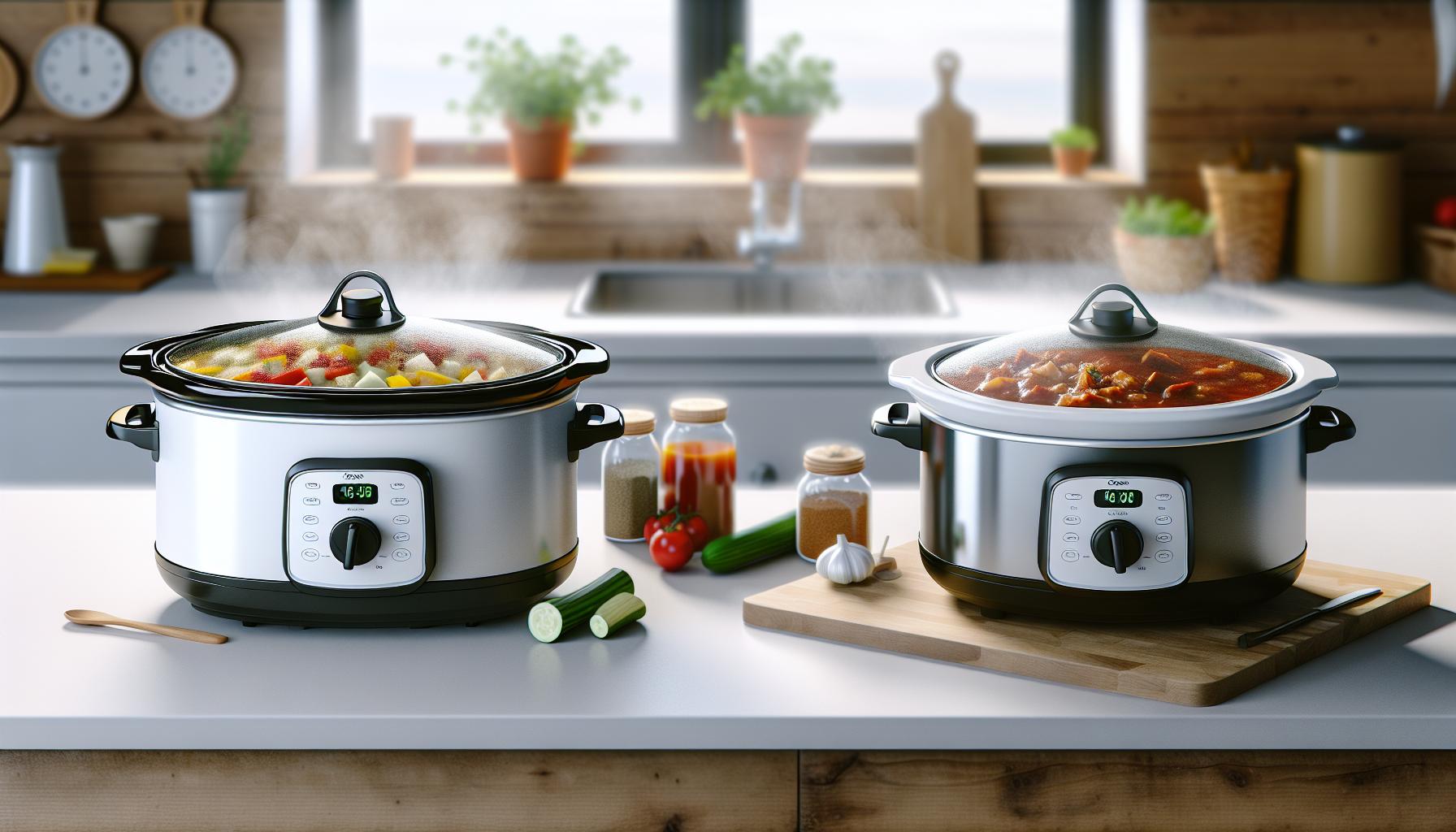
Adjusting Temperatures: Crockpot vs.Slow Cooker Tips That save Dinner
It’s interesting how adjusting temperatures between a Crockpot and a slow cooker can truly rescue a meal from “meh” to marvelous.Even though many fans use these terms interchangeably, understanding their temperature quirks can transform your cooking game, especially for paleo and gluten-free recipes that thrive on precise heat levels. The core trick? Be flexible but strategic with your timing and heat settings since these appliances don’t always sing the same tune.
Most Crockpots usually offer just “low” and “high” settings, which means dialing in an exact temperature sometimes feels like decoding a secret message. Slow cookers, especially programmable models, might throw in a “medium” or “keep warm” mode, giving you more temperature control. So when a slow cooker recipe calls for a “medium” setting,try cooking your dish on “high” in a Crockpot but reduce the time slightly-usually trimming about 15 to 20 minutes works well for soups,stews,or braised meats. Always check in early. When cooking tougher cuts like paleo-friendly roasts,sticking with “low” heat ensures tender results without drying out your meal.
- Start with a bit less time: If your slow cooker recipe calls for 6 hours on medium, try 5 hours on high in a Crockpot, checking doneness early to avoid overcooking.
- Stir occasionally: Oval-shaped Crockpots distribute heat differently, so stirring midway can help maintain an even cook and prevent veggies from settling or scorching.
- use your sensor skills: A quick poke of the fork or a taste test 30 minutes before the scheduled finish can save dinner from dry chicken or undercooked beans.
Balancing Heat and Timing in Real Life
In my kitchen, I once swapped a slow cooker pumpkin chili recipe into my trusty Crockpot. The original suggested 7 hours on low, but I bumped it up to 7 hours and 20 minutes on low to accommodate the Crockpot’s heat retention. I also stirred it once right at the 5-hour mark to keep everything beautifully melded. The result? A thick,flavorful chili that hit the spot without any mushy beans or dry meat. On the flip side, my gluten-free chicken curry cooked much faster on my Crockpot’s high than the slow cooker’s medium, so trimming 20 minutes early kept the chicken tender and juicy.
The bottom line: these small heat and time tweaks aren’t about precision, but about developing a feel for your appliance’s “mood.” Think of it as dancing with your kitchen gadgets-sometimes a gentle step forward, sometimes a half-turn back, all leading to that perfect bite.

Which One Is Easier to Clean and Maintain?
Cleaning up after a cozy meal can be just as vital as preparing it-especially when you’re juggling busy days and hunger-driven impatience. When it comes to Crockpots and slow cookers,the ease of cleaning varies mostly because of their design nuances and material choices. If you’ve ever wrestled with baked-on stew or sticky sauces,you’ll appreciate that a little know-how can save you scrubbing misery and keep your kitchen vibe joyful.
One of the biggest perks is that most Crockpots and slow cookers share similar basic parts: a removable ceramic or stoneware insert and a heating base.The removable insert is the MVP here since it handles all the mess and usually goes straight into your dishwasher-that’s a big win for anyone cooking paleo or gluten-free recipes that often involve thick sauces or rich broths. The heating base never gets wet, so a simple wipe with a damp cloth usually does the trick. However, some Crockpots have oval inserts while some slow cookers come in round shapes, and the oval sometimes requires a little more elbow grease because food can get trapped better in corners or edges.
From my experience with my trusty Oval Crockpot (yes, it’s my kitchen soulmate), stirring and adjusting recipes once or twice during the cook time really helps prevent those stubborn burnt spots on the bottom. That means easier cleanup later, which feels like an unexpected bonus after a long day. Also, be mindful of non-stick coatings-some newer slow cookers sport these, making cleanup a breeze, but the downside is avoiding metal utensils to keep that coating pristine. If you have a paleo or gluten-free recipe with nuts or hearty veggies, a non-stick slow cooker can help reduce that stubborn residue.
Tips to Keep Cleaning Fast and Fun
- Soak immediately: Once you’re done eating, fill the insert with warm water and a little dish soap to soak. This softens up any stuck-on bits, turning cleanup into a 5-minute task instead of a 30-minute battle.
- Use gentle scrubbing tools: Avoid metal scrubbers to preserve ceramic surfaces. A soft sponge or nylon brush works wonders, especially on gluten-free chilis or paleo-friendly stews that tend to thicken as they cool.
- Dry thoroughly: Before storing, make sure the insert and lid are completely dry to prevent any unwanted smells or mildew over time.
If you’re the type who loves multitasking,programmable slow cookers often have dishwasher-safe parts that detach even more easily,perfect for speeding up your cleanup process on hectic evenings. However, if you lean toward the customary Crockpot style, don’t worry-it’s just as manageable with the right routine.
All in all, whether it’s a Crockpot or slow cooker, a little prep after cooking can make a huge difference in your kitchen happiness. Treat your crock with a bit of care, and it’ll keep cranking out paleo and gluten-free delights with minimal fuss, proving that delicious, wholesome meals don’t have to come with a mess marathon.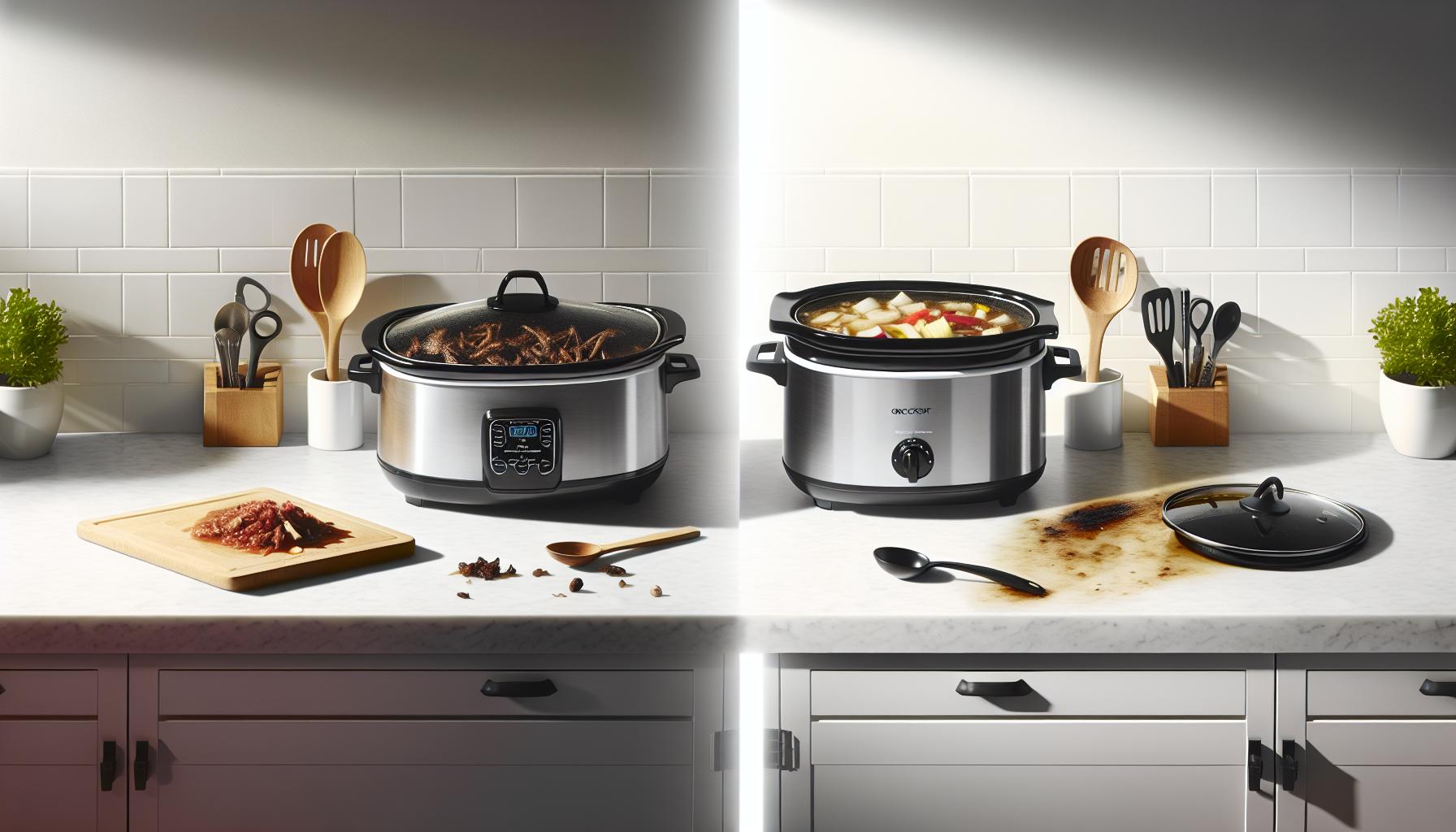
Top Common Mistakes When Swapping Crockpots and Slow Cookers
It’s easy to think Crockpots and slow cookers are interchangeable since both promise that magical low-and-slow goodness, but rushing to swap one for the other can lead to some common kitchen missteps. One classic blunder? Assuming cooking times and temperature settings will translate perfectly. Slow cookers, especially modern ones, can have varying heat intensities even if labeled “low” or “high,” so plugging your recipe straight in without adjustments might turn tender brisket into jerky or leave beans stubbornly undercooked.
another frequent hiccup I’ve seen on busy recipe swaps is neglecting the shape and size differences, which actually matter more than you’d think. Crockpots often come with oval ceramic inserts, while many slow cookers are round. This subtle shift can affect cooking times and heat distribution because thicker cuts crowding in an oval pot may cook slower on the edges than in a roomy round slow cooker. If you don’t account for this, you might end up stirring a lot more or adjusting liquid levels mid-cook, and no one wants to babysit their dinner all afternoon.
temperature Tweaks and Lid Habits
When swapping, it’s tempting to fiddle with the temperature dial or peek under the lid too frequently enough, hungry to test if dinner’s ready. Resist this urge! Both appliances rely on steady trapped heat, and lifting the lid cools the pot dramatically, extending your cook time. I’ve discovered that if you’re unsure about temperature calibration between devices, it’s safer to add 30 minutes to cooking on low or switch to high for a slightly shorter blast, then check near the end. Trust me,it’s better than ending up with a dried-out chicken or mushy stew.
Ingredient and liquid Missteps
One subtle but important mistake is not adjusting liquids for the swap. Some Crockpots have tighter-fitting lids or slightly different heat retention, meaning evaporation rates can vary. Following a slow cooker recipe exactly in a Crockpot coudl mean you need to reduce broth or water by a splash to avoid overly soupy results.Conversely, don’t panic if things seem a little thicker early on-stirring occasionally (if your recipe and lifestyle allow) helps balance seasoning and consistency when adapting across devices.
- Don’t overfill: Both appliances perform best when filled between half and two-thirds capacity.
- Mind the layering: Denser vegetables or proteins go on the bottom to ensure even cooking.
- Adjust seasonings cautiously: Slow, long cooking develops flavors differently; taste and tweak once done.
Swapping a Crockpot for a slow cooker (or vice versa) doesn’t have to be a recipe for frustration. With a little patience, some gentle tweaks to timing and moisture, and resisting the urge to peek too early, you can confidently cross-apply most recipes-even paleo and gluten-free ones-with delicious results. After all, these handy appliances are your kitchen teammates, not sparring partners. A few tries, a few notes, and you’ll soon know your unique rhythm-because every kitchen deserves its own flavor groove.
My Favorite Crockpot Recipes Perfect for Slow Cooker Fans
There’s something undeniably comforting about coming home to a meal that’s been cooking low and slow all day-especially when your Crockpot or slow cooker does the heavy lifting. Whether you call it a Crockpot or slow cooker, these appliances deliver that tender, flavorful goodness without fuss.Over the years, I’ve found a handful of recipes that translate beautifully across both devices, making them perfect favorites to keep in your recipe rotation-especially if you ever switch between appliances or want to tweak a slow cooker favorite for your trusty Crockpot.
One of my go-to crowd-pleasers is a gluten-free and paleo-friendly shredded BBQ chicken. It’s silly-easy and a true weeknight hero. Prep time? About 10 minutes. cook time? Around 4 to 5 hours on low. The secret is starting with boneless,skinless chicken thighs (they stay juicy) and layering in a smoky,tangy BBQ sauce that only gets deeper in flavor the longer it simmers. Here’s the quick rundown:
- Place chicken thighs in the bottom of the pot.
- Pour in a mix of tomato paste, apple cider vinegar, smoked paprika, garlic, and a touch of honey or maple syrup.
- Cook low and slow-resist peeking!-until the chicken shreds apart easily.
- Shred with forks, stir gently, and serve over cauliflower rice (for paleo fans) or on gluten-free buns.
This dish highlights how flexible cooking times are-if you’re using a different slow cooker model or a classic Crockpot, I usually add a little extra cook time rather than chop it short to avoid dry meat, which is a rookie mistake I learned the hard way.
Comfort Classics With a Healthy Twist
For cozy dinners,nothing beats a hearty butternut squash and sweet potato stew that’s naturally gluten-free and vegan but rich in savory depth. it’s a favorite because every kitchen can embrace it-and honestly, it’s a great way to sneak in veggies for picky eaters. Here’s what you need:
- Chopped butternut squash, sweet potatoes, and carrots
- Coconut milk-creamy without dairy
- Fresh ginger, curry powder, and garlic for warmth
- Chickpeas for protein
Layer everything carefully to avoid mushiness (denser veggies on bottom!), and cook on low for 6-7 hours. When I swap between my Crockpot and newer slow cooker, I always keep the lid on tight and resist stirring until the end-opening the lid lets heat escape and lengthens cook time. The consistent heat makes the difference in texture and melded flavors.
Bridging Paleo, Gluten-Free, and Indulgent
If you’re craving something with a bit more oomph but still paleo-friendly, try my beef brisket with coffee and ancho chile rub. Prep takes 20 minutes, but after you sear the meat for that deep caramelized crust, the slow cooker does the magic over 8 hours on low.The robust, smoky, and earthy flavors develop in a way you won’t get from the oven alone, and surprisingly, this works equally well in both Crockpots or slow cookers with slight cooking time adjustments. Just remember: dense cuts like brisket favor longer cooks at lower temps to keep moisture locked in.
Helpful tips for swapping recipes include:
- Check liquid levels-the epically slow evaporation sometimes means you want slightly less broth in a Crockpot with a tighter lid.
- Don’t overload. Both appliances thrive when filled only halfway to two-thirds full.
- Use thicker cuts or hearty vegetables to maintain texture and avoid mush.
Cooking with these slow magic pots is all about personal rhythm-your recipe, your appliance, your timing. With these favorites, you’ll get great results and plenty of room to experiment without fear. Plus, bonus: paleo or gluten-free doesn’t mean you have to skimp on layers of comfort and rich, homey flavor. Let your Crockpot or slow cooker become your trusted sous-chef,and soon these recipes will feel like something you’ve always dreamed of having on repeat.
when Not to Swap: Foods That Need the Right Appliance
There’s definitely a time and place for swapping a Crockpot and a slow cooker, but you might be surprised by the dishes that really demand the *right* appliance to shine. While these countertop gems share lots of features, subtle differences in heating styles, temperature consistency, and moisture retention can turn a simple swap into a kitchen adventure-with sometimes unintended results.
Think about delicate dishes like soups with tender seafood, or creamy dairy-based sauces. The gentle, steady heat of certain slow cookers is perfect for keeping delicate proteins intact and dairy from curdling. A classic Crockpot, especially older models, might run hotter or less evenly, which raises the risk of overcooked shrimp or a split sauce. Such as, my attempt at a slow-simmered bisque once ended with rubbery shrimp-the Crockpot just couldn’t keep the temp dialed low enough for that dish’s delicate timing. So, fish stews, custards, or recipes with eggs? Best to stick with your slow cooker’s precise temperature control.
Hearty Cuts Deserve Their Time and Tool
On the flip side, tough cuts like pork shoulder or beef brisket really thrive in a Crockpot’s usually more robust heat environment. Those long, low cooks help break down collagen and fat, turning chewy into melt-in-your-mouth goodness. But some newer slow cookers with digital controls offer super-customizable heat functions-great if you want to experiment with sous-vide-like precision or multi-stage cooking. If you swap freely here, just remember: dense meats need enough time to relax. A too-quick cook on a high-temp Crockpot, as a notable example, might dry out your brisket or leave it a bit stringy rather than fork-tender.
Not-So-Slow Cooking? Think Twice
And then there’s the sneaky challenge of recipes that rely on a slow build-up of flavors over hours-like caramelizing aromatics slowly or thickening sauces gently. Some Crockpots with less insulation can lose heat when the lid is lifted,or cook unevenly if they don’t hold consistent temperature. The slow cooker’s even, enveloping heat creates that “set it and forget it” magic; Crockpots with thinner walls or different heating elements might block that magic if you aren’t careful.So recipes that demand patient browning or silky sauce texture? Give those your slow cooker, or adjust liquid and timing thoughtfully.
Here’s a quick checklist for dishes that really need the right appliance:
- Delicate proteins like seafood, eggs, or custards (slow cooker preferred)
- Recipes with dairy aiming for creamy sauces without curdling
- Long-simmered meat stews where actual temperature precision impacts texture
- Slow caramelizing or thickening dishes needing gentle, consistent heat
- Any recipe where frequent lid opening is tempting-locking in moisture matters
in my humble kitchen wisdom, it’s less about “which is better” and more about honoring the unique rhythm each appliance brings-and matching that to your meal’s vibe. When in doubt, I treat my slow cooker like a controlled lab experiment and my crockpot like a robust workhorse.Knowing which tool fits which job means no sad dry meats or curdled sauces crashing your meal.
So next time you’re eyeing a favorite recipe calling for a slow cooker, pause and ask: Does this need delicate simmering or rugged slow roasting? Paired with a little patience, you’ll master both appliances (and your taste buds will happily thank you).
Essential Kitchen Hacks to Get the Most from Your Crockpot or Slow Cooker
If you’ve ever wondered how to squeeze every drop of flavor and ease out of your Crockpot or slow cooker, you’re not alone. These countertop heroes can do so much more than just “set and forget” – with a few simple tweaks and kitchen hacks, your favorite recipes can turn out even better, no matter which appliance you’re using. From streamlining meal prep to nailing textures and flavors, the little things make a big difference.
One hack that always saves time and frustration is prepping ingredients the night before. Chop your veggies,trim your meat,and measure spices in advance,then layer everything in the pot right before turning it on the next day. I like to store these prepared parts in the fridge to grab-and-go – it helps when life gets busy but dinner still needs to be fabulous.Also, remember to brown your meat or sauté aromatics like onions and garlic first if your recipe calls for it. While it’s tempting to skip this step in the name of convenience, that caramelization amps up flavor profoundly and creates a richer base, elevating even the humblest stews or chilis.
Managing Moisture & Temperature Like a Pro
Slow cookers and crockpots sometimes shy away from moisture control, letting condensation drip back unevenly or, on older models, letting heat escape every time you lift the lid (yes, guilty as charged!). Keep in mind: opening the lid during cooking can add 15-30 minutes to your cook time,as precious heat escapes and needs to recover. Instead, use a wooden spoon to gently stir through the lid’s opening if you can’t resist peeking.When recipes call for thick creamy sauces or delicate dairy, try adding those ingredients during the last 30 minutes of cooking to avoid curdling or separation.
If you’re dealing with a recipe that seems a little watery or under-seasoned, try these quick fixes: boost the heat to “high” for the last 30 minutes with the lid off to reduce excess liquid, or toss in a slurry of cornstarch or arrowroot mixed with cold water to thicken sauces without fuss. For paleo or gluten-free diets, arrowroot is a fantastic thickener that works beautifully in slow cooker recipes and keeps textures silky and smooth.
Layer Wisely & Use the Right Size cooker
The order you add ingredients truly shapes results. Harder veggies (think carrots, potatoes, and squash) go on the bottom or sides where heat is strongest, while quicker-cooking or delicate greens and seafood belong on top or added late. This layering tip prevents mushy disasters and lets every component finish perfectly. Also, don’t overcrowd your cooker. A half-to-two-thirds full slow cooker circulates heat evenly. Overstuffing means longer cook times and uneven doneness; underfilling can dry out food or even overcook delicate edges.
| tip | why It Works | Quick Example |
|---|---|---|
| Brown meat before slow cooking | Enhances depth of flavor and texture | Beef stew is richer with seared cubes |
| Layer firm veggies on bottom | Prevents overcooking and texture loss | Carrots last longer, spinach added at end |
| Use right cooker size | Ensures even heat distribution | 3-4 quart for couples, 6+ quart family meals |
With kitchen timelines and dietary choices as diverse as ever, this flexible approach lets you chase comfort food dreams without fuss or stress. Whether running a gluten-free kitchen, paleo plan, or just craving creamy chili on a cold night, mastering these hacks turns your slow cooking adventures into reliable, delicious wins. Plus, the best part? You get to relax and enjoy the delicious smells filling your home without hovering – the true slow-cooking magic.
So, grab that trusty Crockpot or slow cooker, keep these tips in your back pocket, and cook like you’ve got a seasoned sous chef right there with you (minus the fancy uniform). Remember, the goal is tasty food with less stress – and nothing beats the cozy joy of a dinner that’s been lovingly simmering all day.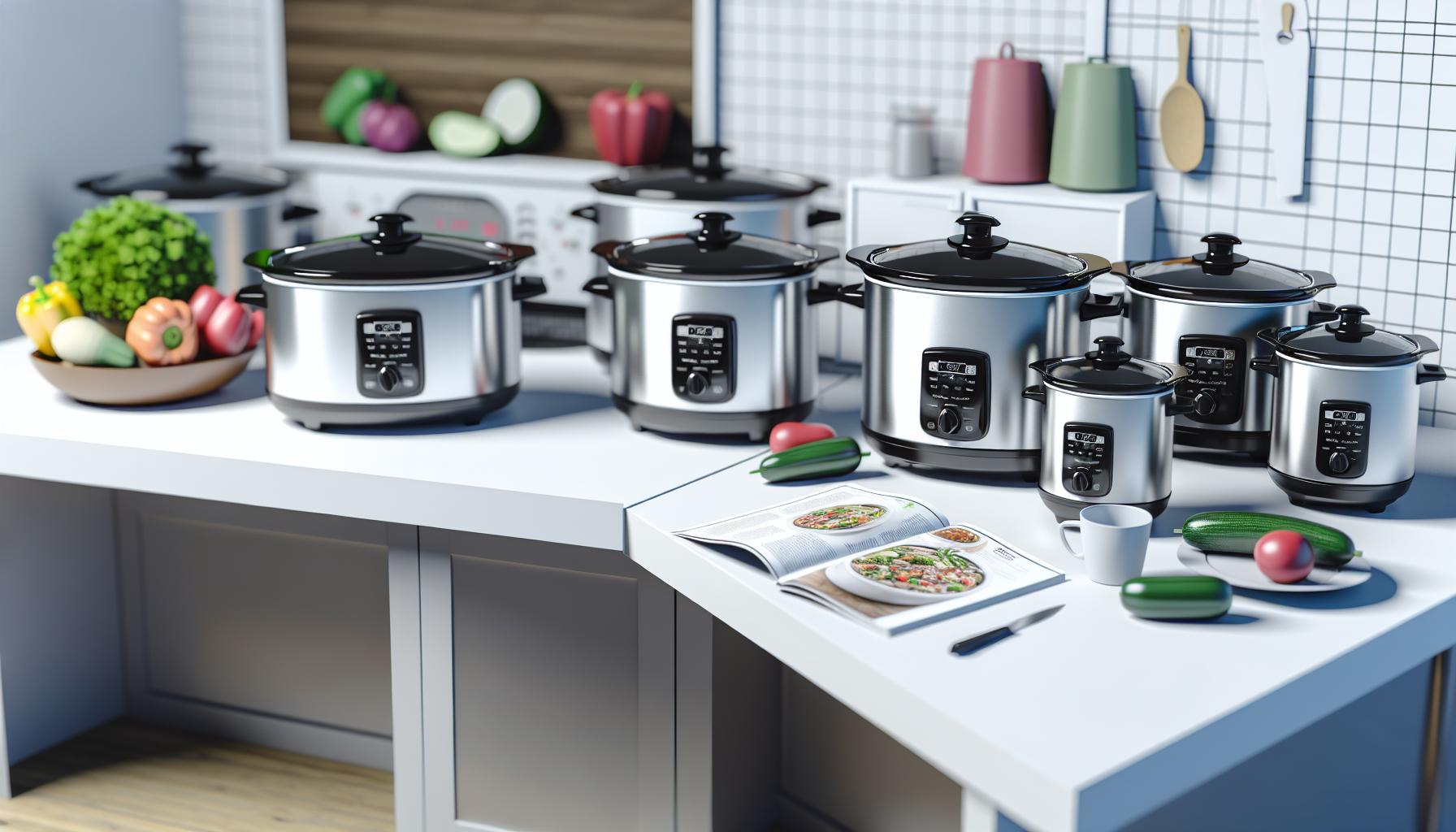
How to Choose the Best Slow Cooker or Crockpot for Your Needs
Choosing a slow cooker or Crockpot for your kitchen might seem as easy as picking your favorite color, but there’s a bit more to it than meets the eye-especially if you want to swap one for the other without a hitch. These countertop companions come in all shapes and sizes,and knowing how to find the right fit for your cooking style,household size,and dietary preferences ensures that your delicious meals come out just right without any stress.
First, think about how many hungry mouths you usually feed. A cozy dinner for two can be perfectly managed with a 3-4 quart model, while a lively family or meal-prep enthusiast may invest in a 6-quart or larger cooker. Having the right capacity prevents over or under-filling, which can throw off cooking times and food texture. And, if you’re like me and sometimes want to make double recipes or cook larger cuts of meat, leaning towards the larger size saves lots of kitchen juggling later.
Pick Features That Match Your Rhythm
Not all slow cookers or Crockpots are created equal. Some models come with programmable timers and automatic “keep warm” settings, which can be lifesavers on busy days when you can’t keep an eye on the clock. If you prefer a “set and forget” approach, look for one with a digital display and delayed start-great for those nights when you want dinner ready when you walk in the door but aren’t quite organized enough to prep early. On the flip side, if your cooking rituals are more rustic and hands-on, basic models with manual dials work perfectly and are budget-friendly.Another often overlooked factor is the shape of the insert. oval-shaped inserts better accommodate whole chickens or roasts,while round ones are great for soups and stews. For paleo or gluten-free cooking, where large cuts of meat and hearty veggies play starring roles, the shape and depth of the pot can really influence how evenly your ingredients cook.
Cleaning Ease and Material Matter
I’ve burned my fair share of casseroles chasing the perfect slow-cooked meal, so trust me when I say that easy cleanup can make or break your relationship with your cooker. Most Crockpots and slow cookers feature removable stoneware inserts that go straight into the dishwasher, saving you from scrubbing stuck-on sauces at midnight. If you often find yourself in a rush, ceramic inserts tend to be a bit easier to clean and retain heat well. For those who want to experiment, some models now offer non-stick inserts, reducing the dreaded “food glue” and helping paleo or gluten-free dishes with sticky marinades slide right out.
| Consideration | Why It Matters | Example from the Kitchen |
|---|---|---|
| Capacity | Affects cooking time and food texture | 6-quart holds a whole chicken; 3-quart perfect for dip |
| Programmable Features | Fits busy schedules; prevents overcooking | Timer shuts off and switches to warm automatically |
| Insert Shape | Determines cooking style and portion shape | Oval for roasts, round for soups |
| Material & Cleanup | Ease of cleaning influences daily use | Non-stick inserts save scrubbing time |
When it comes down to choosing between a Crockpot and a slow cooker, remember that it’s less about the fancy brand name and more about how it fits your cooking habits and kitchen life.In my experience,pairing a larger,programmable slow cooker with the right prep schedule makes paleo stews or gluten-free chilis both effortless and flavorful. So whether you’re aiming for weeknight winners or leisurely weekend feasts, the best appliance is the one that encourages you to cook-without complicating your life.
FAQ
Q: can I use a Crockpot liner in place of cleaning a slow cooker after cooking?
A: Yes, using Crockpot liners can make cleanup easier for both Crockpots and slow cookers. They help prevent food from sticking to the pot, allowing quick removal and minimal scrubbing. Just place the liner inside before cooking,and discard it afterward. For more kitchen hacks, check the section on Essential Kitchen Hacks in the main article.
Q: How do power fluctuations affect using a Crockpot versus a slow cooker?
A: Power surges or outages can disrupt cooking in both appliances,but Crockpots with built-in thermal insulation maintain heat longer,preserving food quality better than some slow cookers. To avoid ruined meals, consider a smart plug with surge protection or a backup power source during long cooks.
Q: Are there any differences in flavor progress when using a Crockpot instead of a slow cooker?
A: Flavor development is generally similar, but Crockpots sometimes offer a more even heat distribution, which can enhance slow-cooked flavors and tenderness. To maximize taste, follow our temperature adjustment tips in Adjusting temperatures to avoid over- or under-cooking.
Q: Can a Crockpot handle recipes that require searing or browning before slow cooking?
A: Most crockpots do not have searing functions, so it’s best to brown meats on the stove before transferring to the Crockpot for slow cooking. This step adds depth and caramelization. Some advanced slow cookers do include sear settings; check your model before skipping this stage.
Q: What are the best ingredients to use in both Crockpots and slow cookers for optimal texture?
A: Tough cuts of meat, root vegetables, and beans excel in both appliances, as low-and-slow heat softens fibers beautifully.Avoid delicate veggies like broccoli or zucchini early in cooking; add them near the end to retain texture and color. For ingredient tips, see When Not to Swap in the main article.
Q: How can I prevent my Crockpot meals from drying out compared to slow cookers?
A: Prevent drying out by adding adequate liquid, using the low setting for longer cooks, and keeping the lid closed to retain steam. slow cookers and Crockpots behave similarly here, but the Top Common Mistakes section has extra tips to avoid drying across both devices.
Q: Is it safe to use a Crockpot or slow cooker for canning or preserving food?
A: It is not recommended to use Crockpots or slow cookers for pressure canning or food preservation since they don’t reach the high temperatures needed to kill harmful bacteria.Use certified canning equipment instead for safety and best results.
Q: How do Crockpot timers compare to slow cooker timers in preventing overcooking?
A: Many Crockpots come with built-in timers that automatically switch to warm mode, reducing overcooking risk. Some slow cookers lack this feature and require manual monitoring. Using a timer with auto-switching helps maintain perfect texture, as described in Adjusting Temperatures for dinner-saving tips.
For more detailed guidance, explore sections like Adjusting Temperatures and Top Common Mistakes in the main article to enhance your Crockpot and slow cooker cooking experience!
Insights and Conclusions
Whether you’re team Crockpot or slow cooker, knowing the subtle differences helps you get dinner on the table faster and tastier-no stress, just delicious results. If you’ve got a Crockpot handy, use it confidently as a slow cooker alternative, adjusting times slightly and enjoying the same low-and-slow magic for your favorite gluten-free or paleo-friendly meals. Hungry for more tips on kitchen shortcuts or want to master meal prep with ease? Check out our [Easy Gluten-Free Slow Cooker Recipes] and [Paleo Dinner Ideas That Impress] to keep your cooking simple and satisfying.
Ready to take your slow-cooking game up a notch? Sign up for our newsletter for weekly recipes, seasonal ingredient swaps, and practical hacks designed for busy home cooks who love wholesome flavors without fuss. Got questions about substitute equipment or want to share your own slow cooker wins? Drop a comment below or join the conversation on our [Community Forum]. Cooking should be fun and flexible-and with the right tools and tricks, you’re set to savor every bite!
Get our latest guides, news, and insights highlighted in your Google Search & AI Overviews.


